

Quick Answer: Dishwashers clean by spraying hot water mixed with detergent through rotating arms to remove food and grease, then rinsing and drying for a sparkling finish. The process combines heat, chemical action, and clever water circulation. All you do is load, press start, and let the machine handle the rest!
Dishwasher 101: How They Clean in a Nutshell
At their core, dishwashers are like tiny, automated car washes for your plates and cups. They draw in a set amount of water, heat it, mix in detergent, and fire it through powerful water jets. Rotating spray arms make sure every item in the dish rack is hit from multiple angles. Then, the dirty water is drained away, fresh water is sprayed on for rinsing, and finally—if you’ve chosen the setting—warm air or residual heat dries everything.
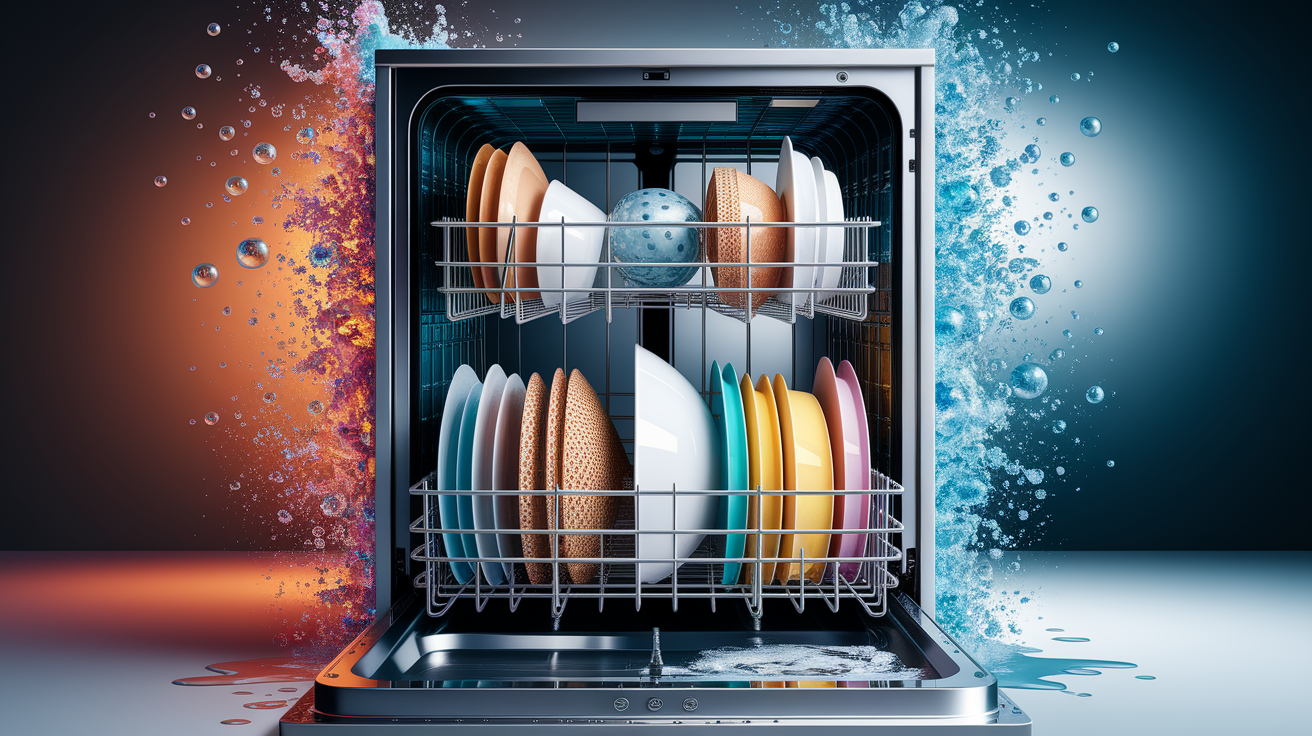
If you want a more technical breakdown, this detailed explanation covers the step-by-step dishwasher cleaning process, from filling the basin to final drying.
Heating and Detergent Delivery
The cleaning magic begins with hot water. Using a built-in heating element, many dishwashers raise water temperature up to about 155°F (68°C). This helps dissolve grease, soften stuck-on residues, and activate detergent ingredients.

- Detergent action: Modern dishwasher detergents are alkaline (around pH 10) and can contain enzymes to tackle proteins (like egg) and starches (like pasta residue). These ingredients break food down into smaller, water-soluble particles.
- Grease removal: Alkalis turn fatty acids into soluble salts, which wash away easily.
- Timing: Pumps automatically release detergent during the wash cycle when the water is hot enough for optimal effect.
More on detergent chemistry and how it works in the dishwasher can be found via this in-depth chemical guide.
Spray Arms and Cleaning Mechanics
This is where physics gets fun. Inside your dishwasher, one or more spray arms spin as water jets shoot out at roughly 45° angles. There’s no motor on the arms—the water pressure itself makes them rotate, like a garden sprinkler on steroids.

- Spray arms are strategically placed to hit dishes from below, above, and sometimes the sides.
- Newton’s third law is at play: every jet pushing out water creates an opposite push that spins the arm.
- Multiple angles ensure thorough soil removal without you scrubbing a thing.
You can read more about the fascinating mechanics of water dynamics in dishwashers in this physics-focused explanation.
Rinsing and Drying Processes
Once the main wash cycle ends, the dirty water is drained. The machine then sprays clean water in the final rinse to remove detergent traces and remaining food particles. If you add a rinse aid, water droplets slide off dishes more easily, helping to prevent spots.

Drying comes next—and it can work in a few different ways:
- Heated Dry: Air is warmed by the heating element and circulated to evaporate moisture.
- Condensation Dry: Cooler stainless steel walls pull moisture off the dishes as it condenses on the sides.
- Residual Heat: The leftover heat from hot water in the rinse phases helps evaporate water naturally.
Smart Sensors and Efficiency Features
In new dishwashers, technology is doing a lot behind the scenes to save time, water, and power:

- Soil sensors: These monitor water clarity to judge how dirty dishes are and adjust the cycle length accordingly.
- Temperature sensors: Ensure that the water is hot enough to sanitize without wasting energy.
- Water level sensors: Keep the machine from overfilling or running dry.
This smart technology means dishwashers can often use less water than washing by hand while cleaning more effectively.
Best Loading and Maintenance Tips
Want every wash cycle to finish with spotless dishes? Follow these tried and tested steps:
- Load dishes so water jets have a clear path—don’t block spray arms with large pots.
- Scrape off large food chunks, but skip thorough pre-rinsing to save water.
- Run only when the machine is full; this maximizes efficiency per item washed.
- Use the ECO setting for lighter loads to reduce energy consumption.
- Choose a quality detergent designed for dishwashers, ideally with rinse aid included.
- Once a month, run a hot cleaning cycle with a machine cleaner to keep the filtration system clear and odor-free.
For more efficiency and performance advice, the Research Outreach efficiency guide and Cleaning Institute dishwasher tips are excellent resources.
Wrapping Up with Sparkle
Dishwashers are clever machines that blend hot water, detergent chemistry, spinning spray arms, and smart sensors to transform dirty dinnerware into a gleaming set of dishes—almost like magic, but backed by solid science. By loading wisely, using the right cleaning agents, and keeping your machine in good condition, you can enjoy sparkling plates on autopilot with minimal waste of time, water, or energy.