Matter
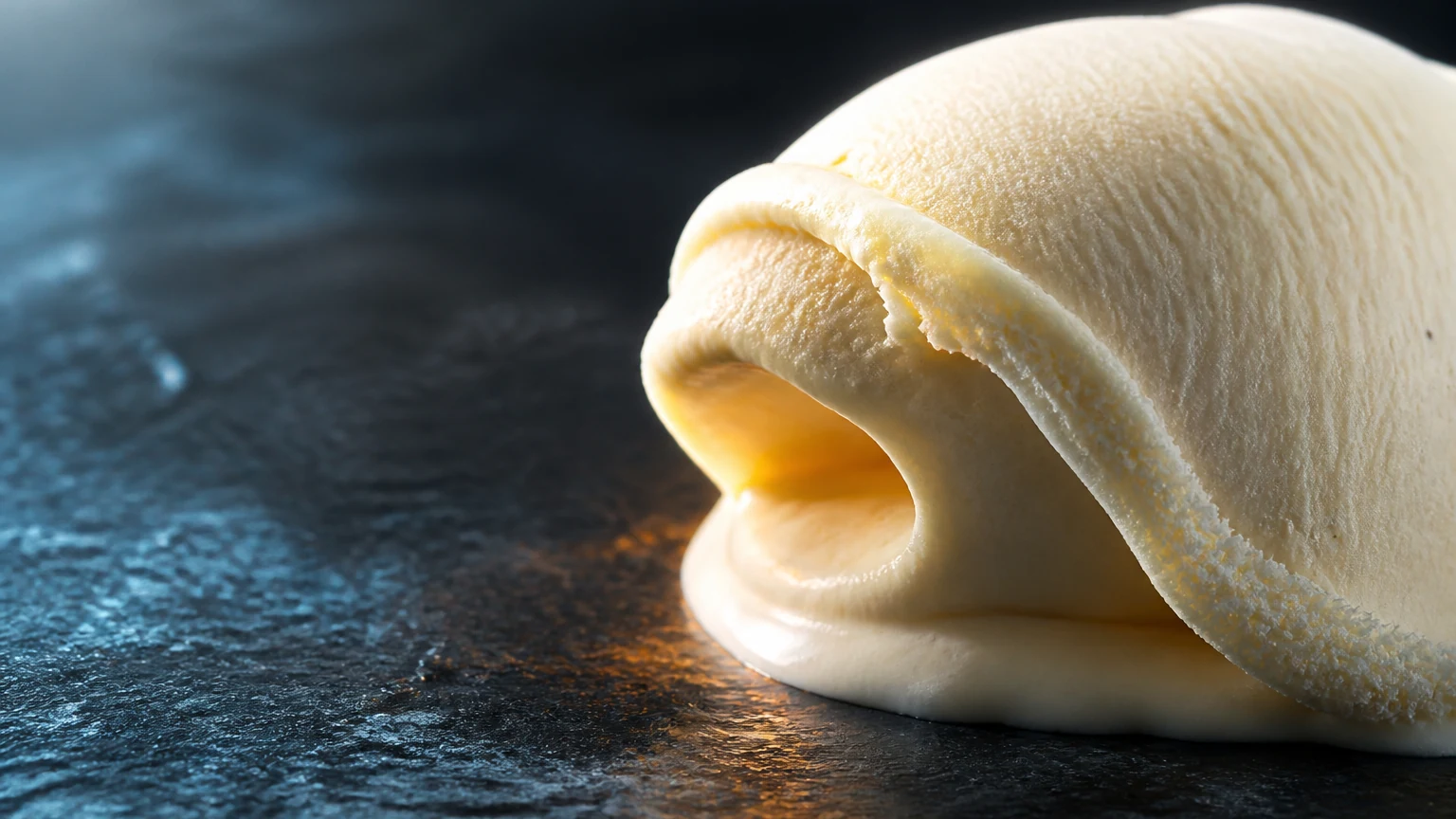
What Makes Ice Cream Creamy?
Discover what makes ice cream creamy! Learn how fat, ice crystals, proteins, sugars, and special additives work together to create that smooth, luxurious texture.
6 min read →
See how atoms, molecules, temperature, and structure create the properties of familiar materials.
Discover what makes ice cream creamy! Learn how fat, ice crystals, proteins, sugars, and special additives work together to create that smooth, luxurious texture.
6 min read →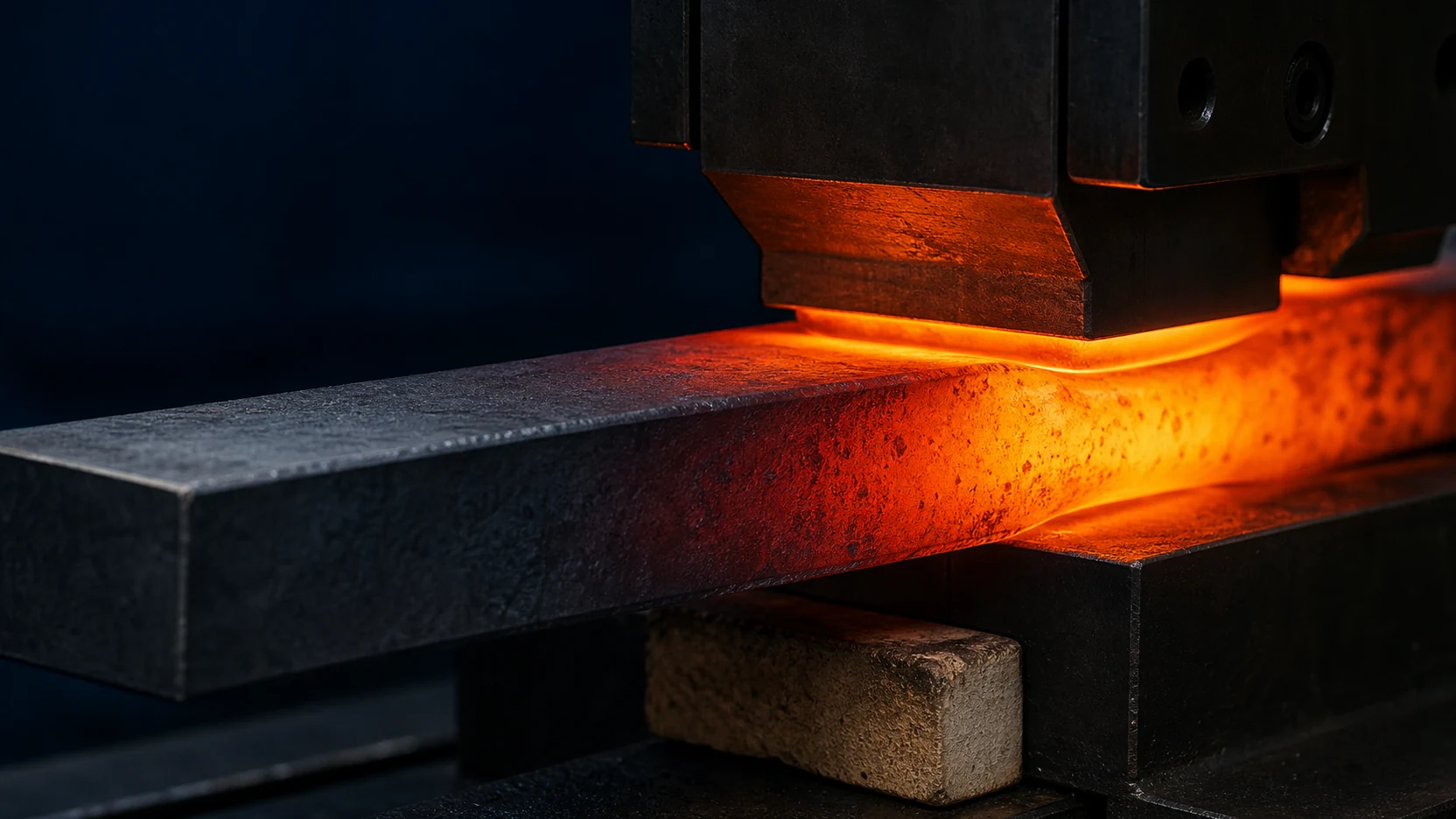
Discover how heat transforms metal through thermal expansion, strength changes, and atomic rearrangements. Learn about heat treatment processes and practical applications in this…
7 min read →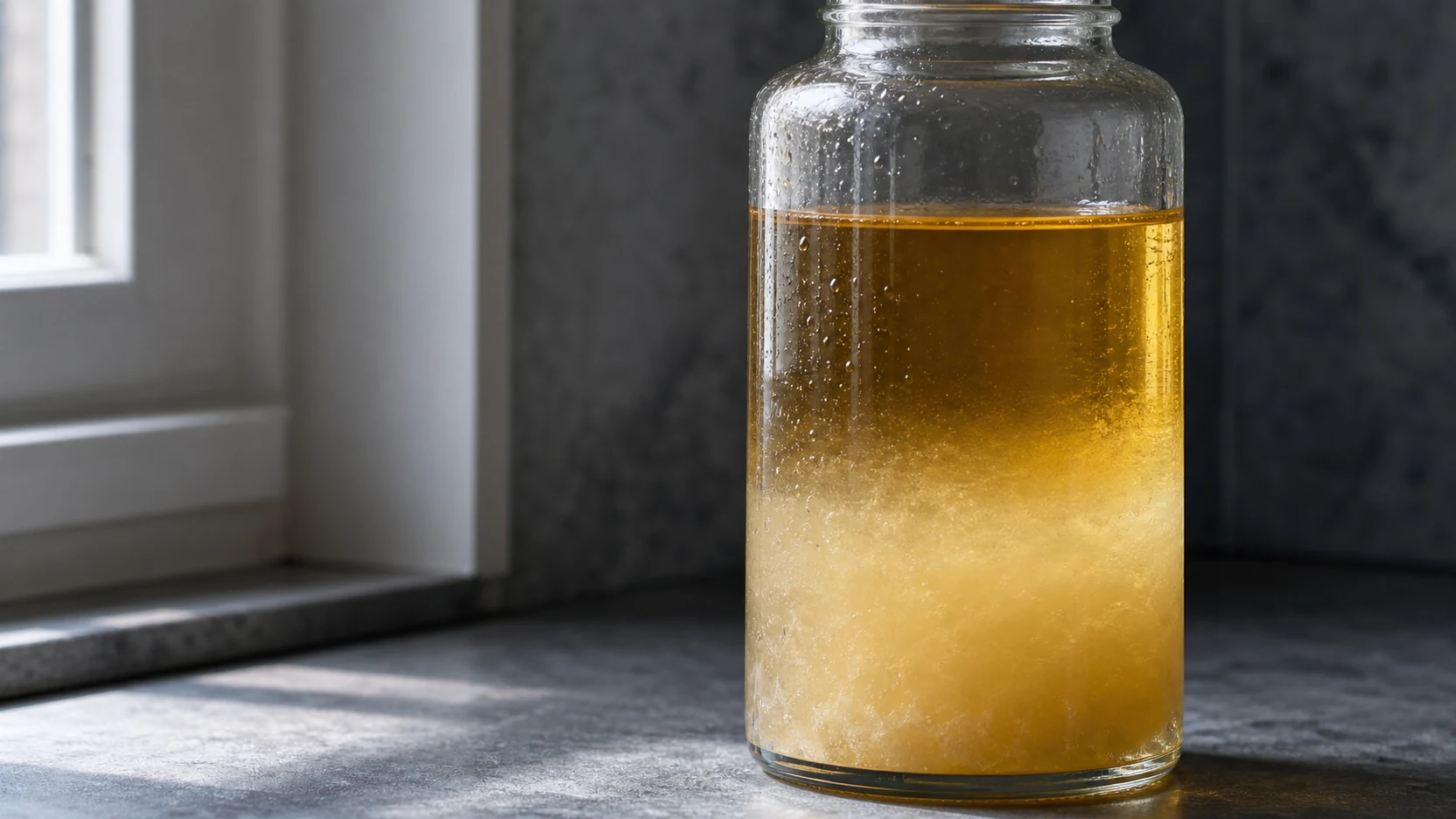
Discover why vegetable oil hardens in cold temperatures, the science behind fatty acid crystallization, how different oils react, and simple methods to reverse solidification naturally.
5 min read →
Discover why wood swells in humidity through a scientific lens. Learn about hygroscopic properties, the fiber saturation point, and practical solutions for managing wood's natural…
5 min read →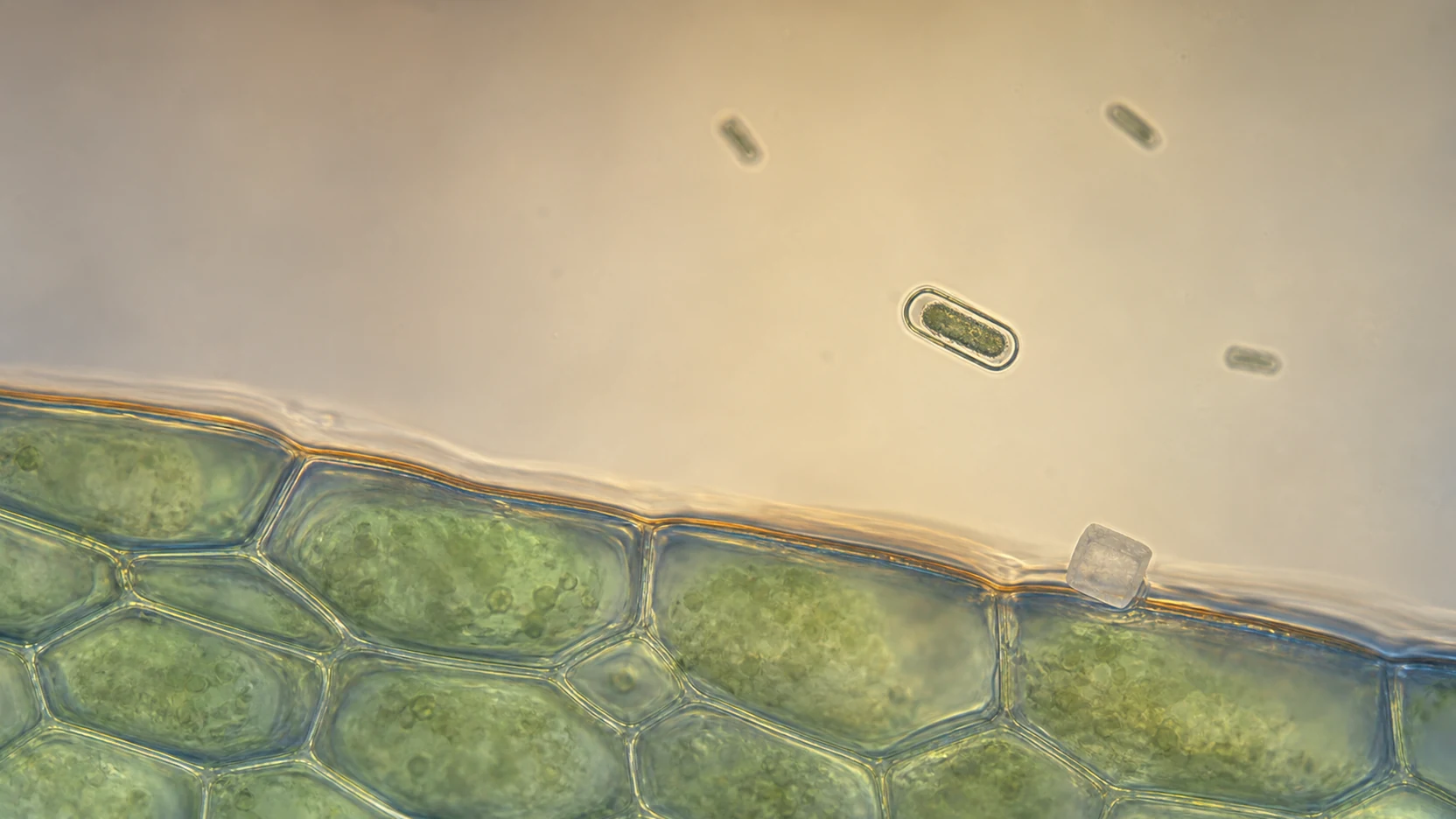
Discover the science behind how salt preserves food through osmosis, microbial control, and fermentation. Learn why this ancient preservation method still matters in modern kitchens.
5 min read →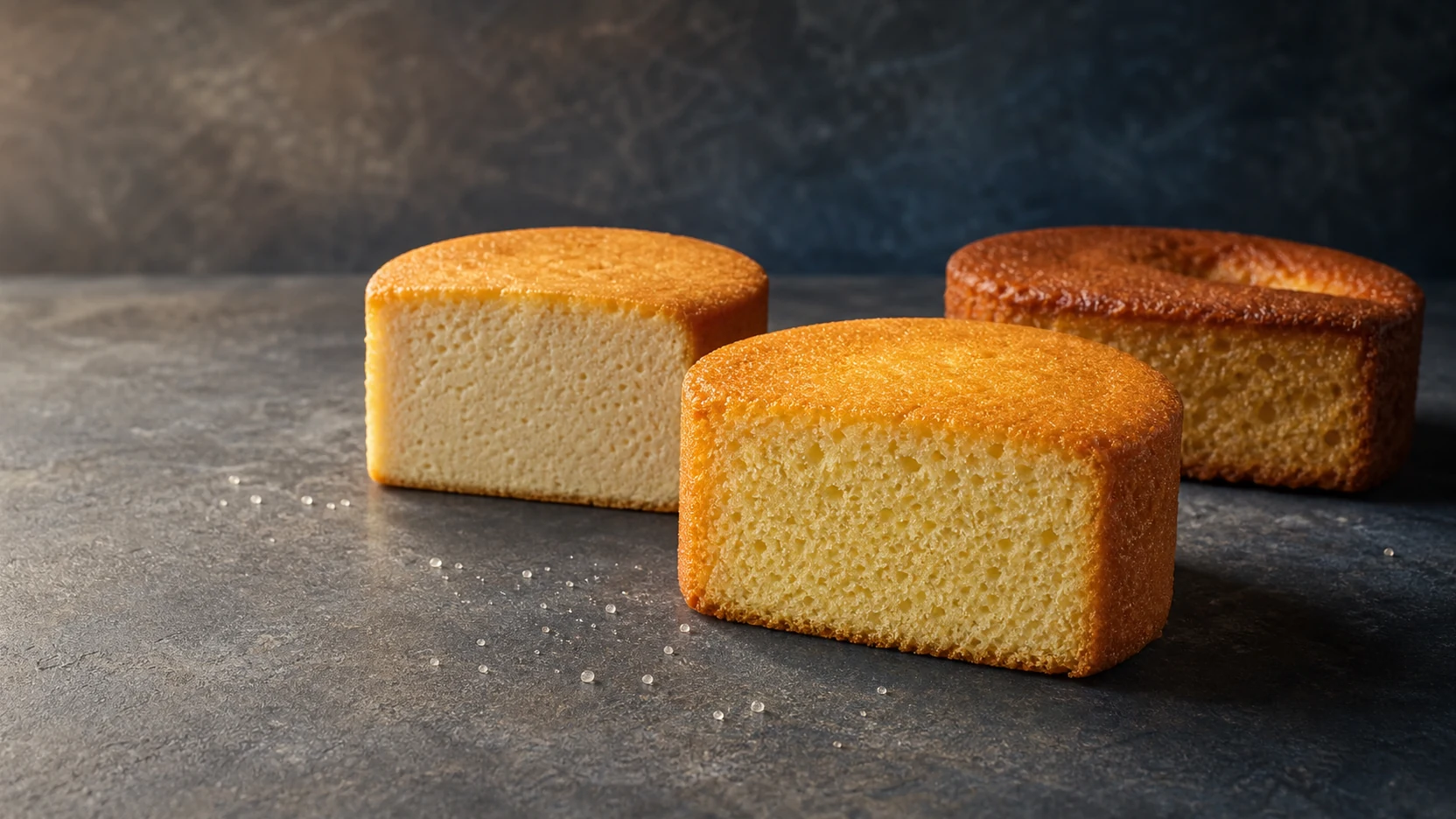
Discover how sugar affects texture, moisture, browning and structure in baking. Learn the science behind sugar's multiple roles and how to perfect your baked goods with the right…
5 min read →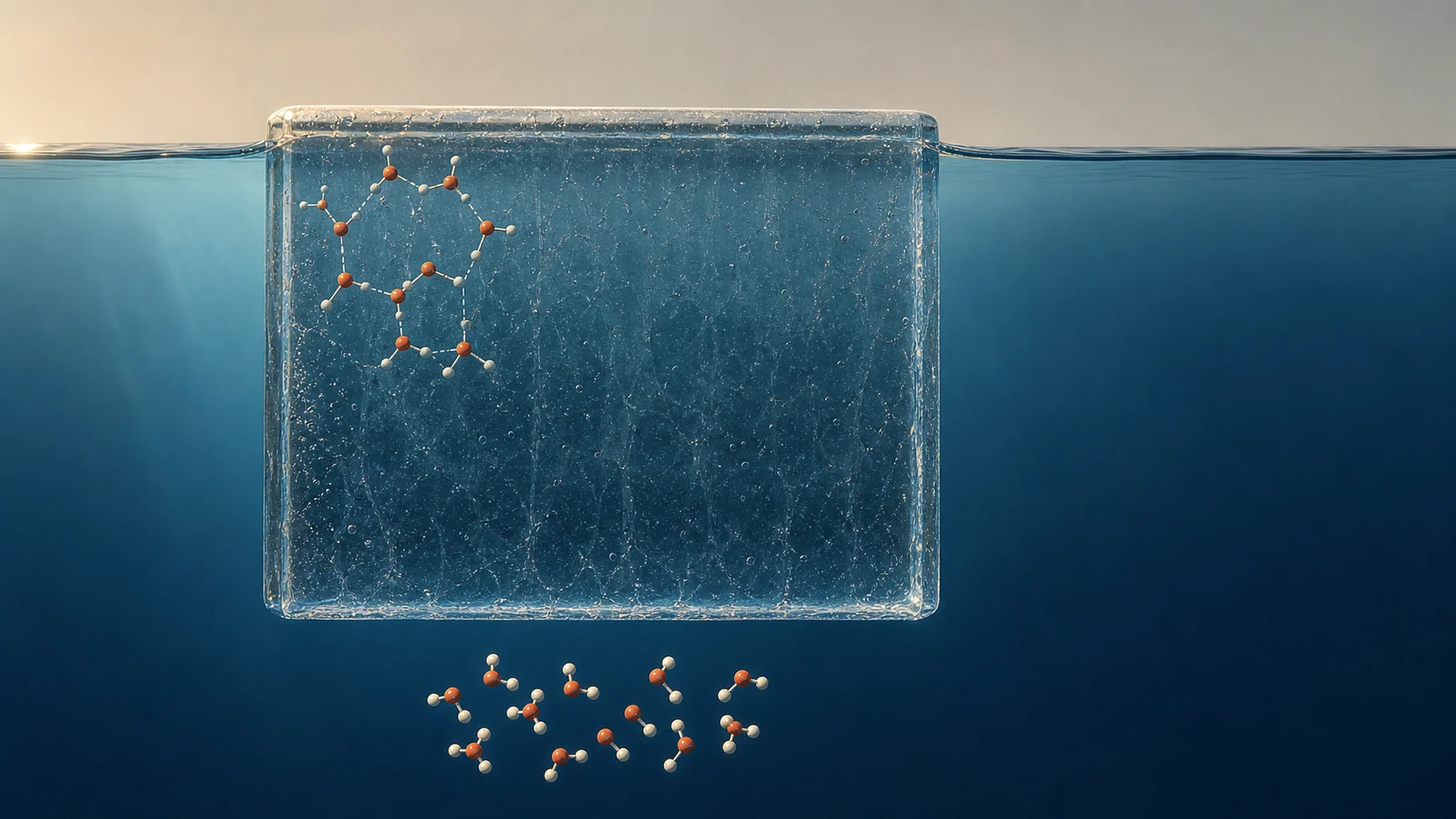
Discover why ice floats on water when most solids sink. Learn about water's unique molecular structure, density anomaly, and why floating ice is crucial for life on Earth.
5 min read →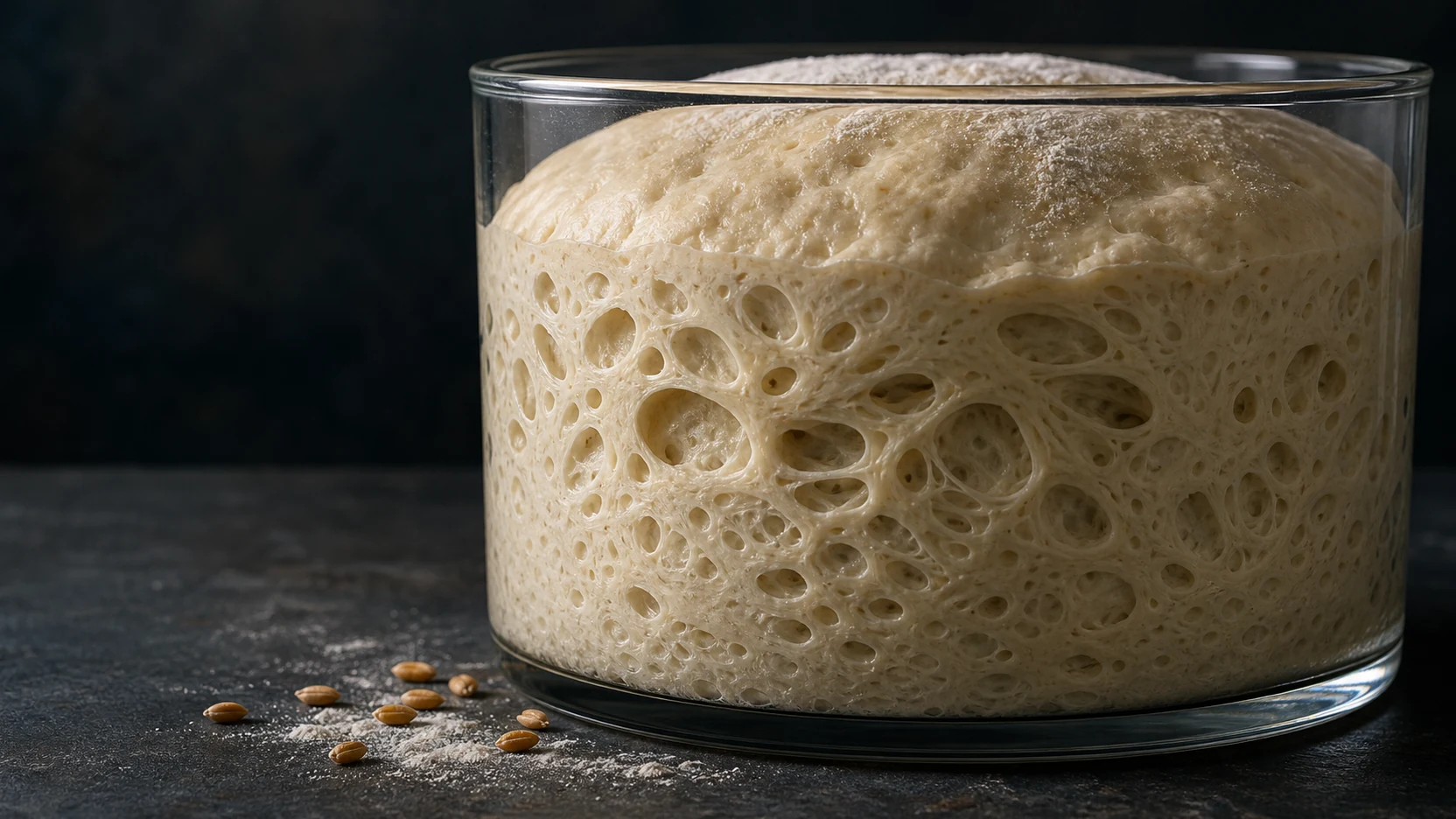
Discover the fascinating science behind why bread rises, from yeast fermentation and gluten development to enzymatic action and temperature control. Learn the secrets to perfect bread!
3 min read →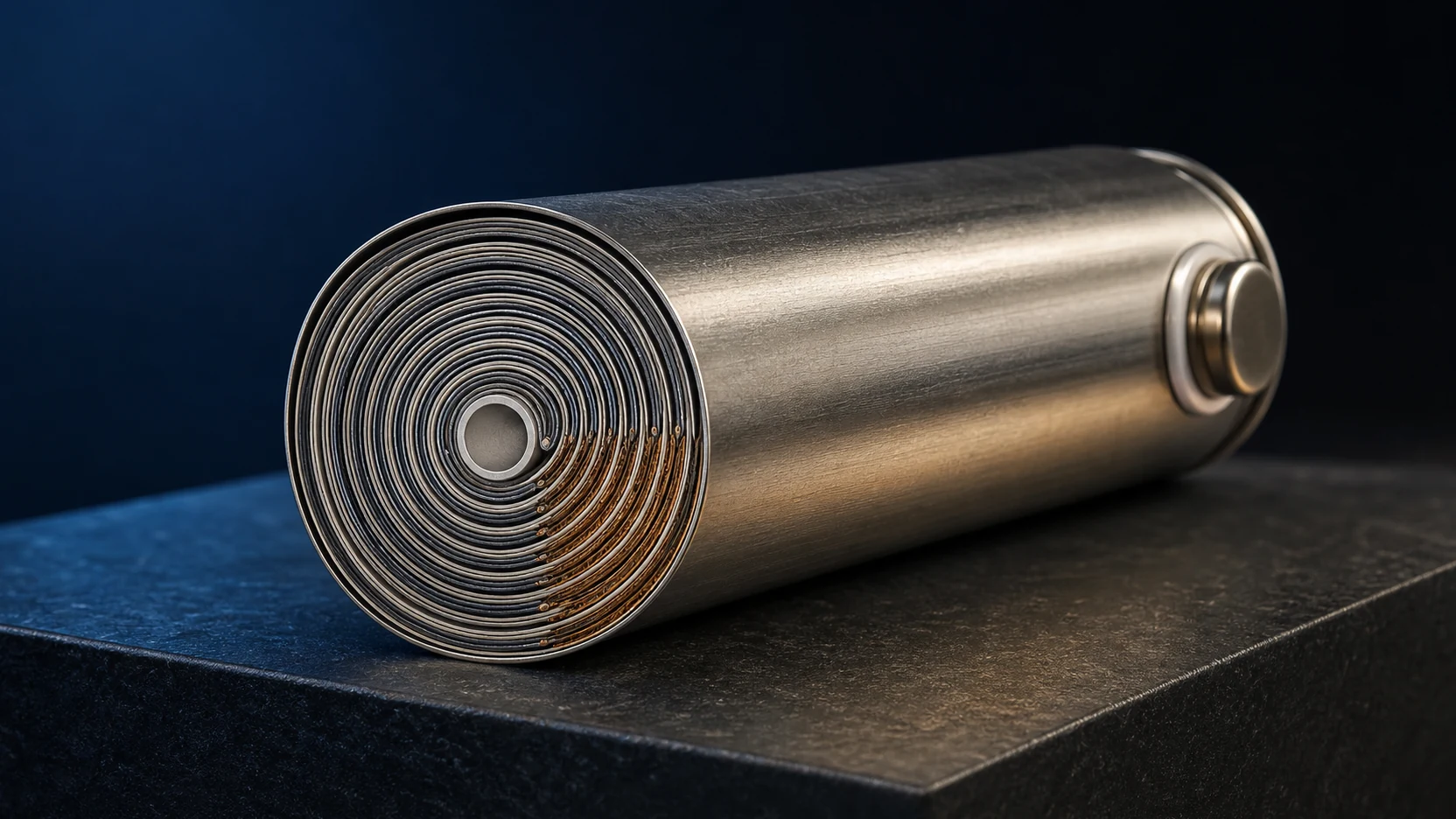
Discover how heat damages battery performance by accelerating chemical degradation, increasing resistance, and risking thermal runaway—plus practical tips to protect your devices.
5 min read →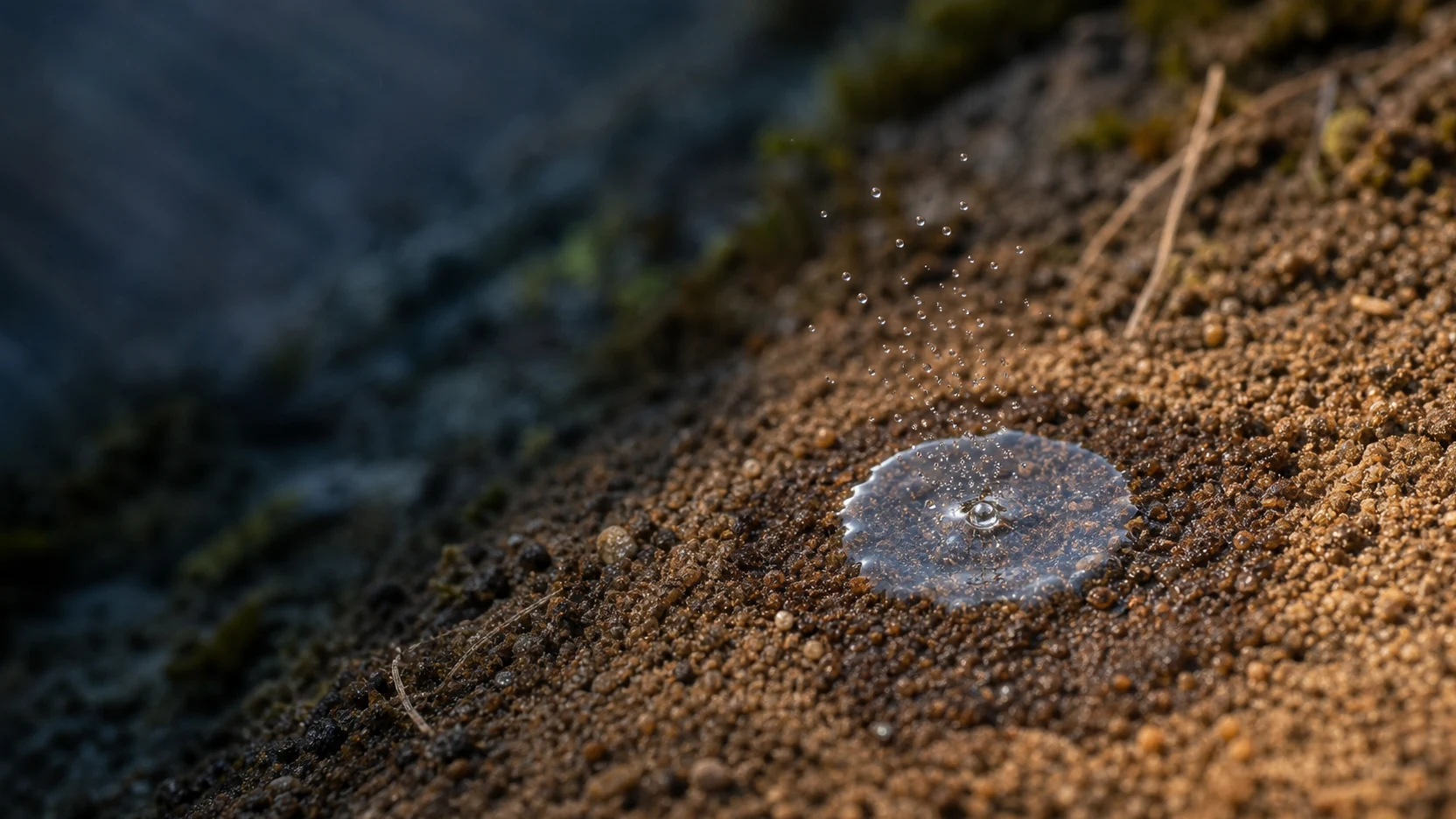
Quick Answer: Rain’s distinctive earthy aroma, known as petrichor, comes from plant oils and compounds like geosmin released from the ground when raindrops hit dry soil. These scents…
3 min read →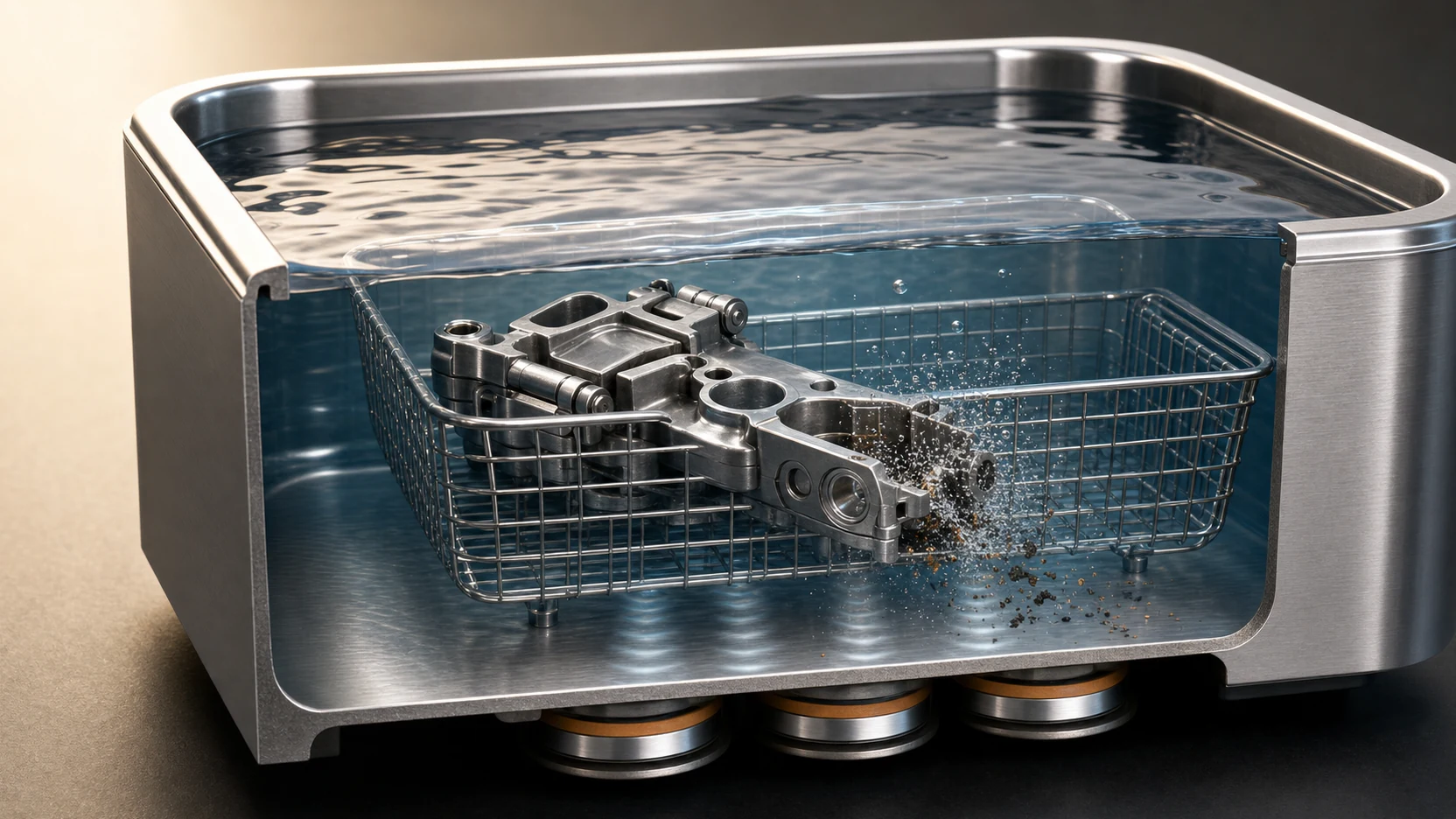
Quick Answer: Ultrasonic cleaners use high-frequency sound waves in a liquid to create microscopic bubbles that scrub away dirt and grime. The magic happens through a process called…
3 min read →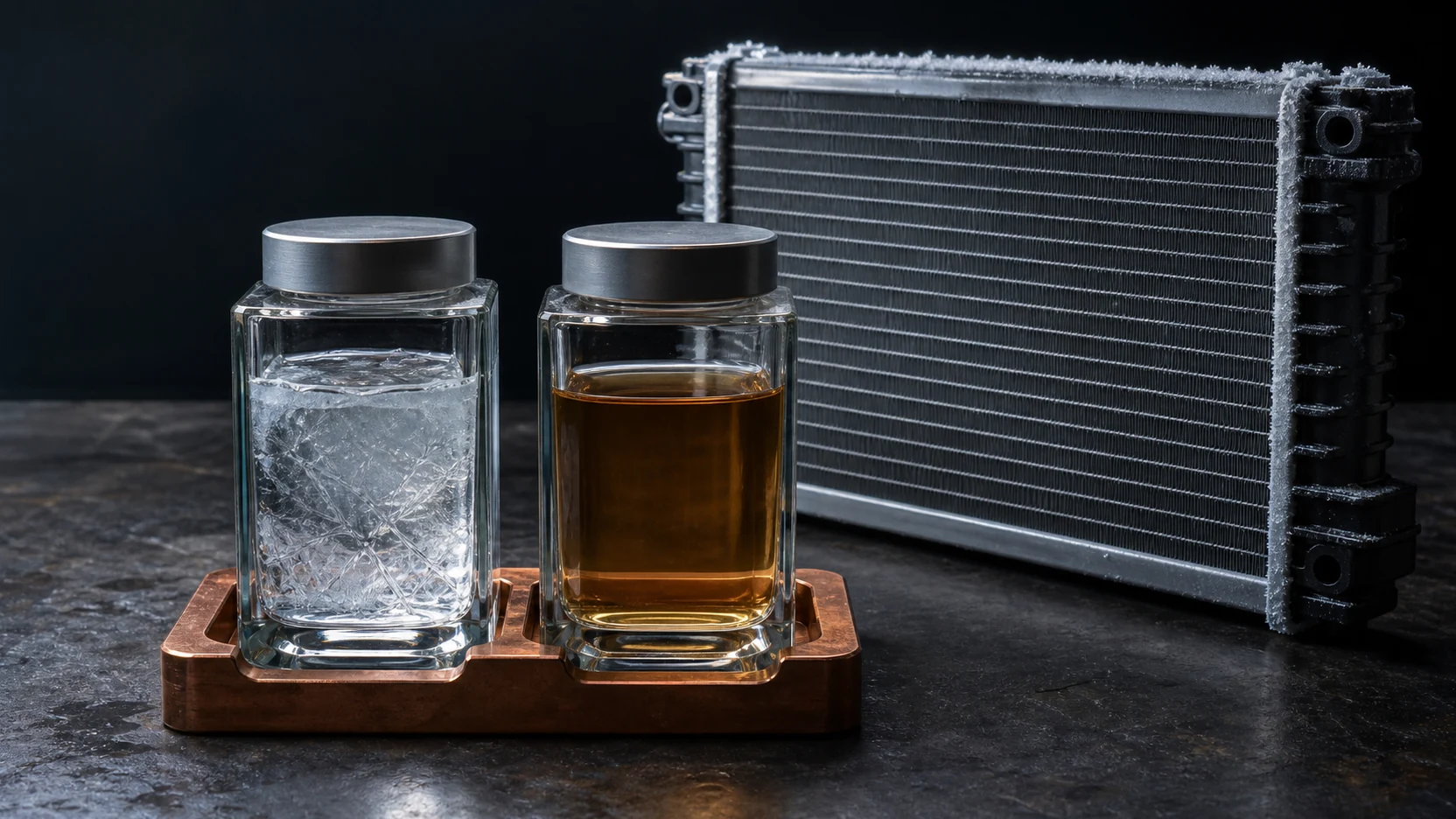
Quick Answer: Antifreeze keeps your engine's cooling system in top shape by lowering the freezing point and raising the boiling point of the coolant, protecting it against temperature…
4 min read →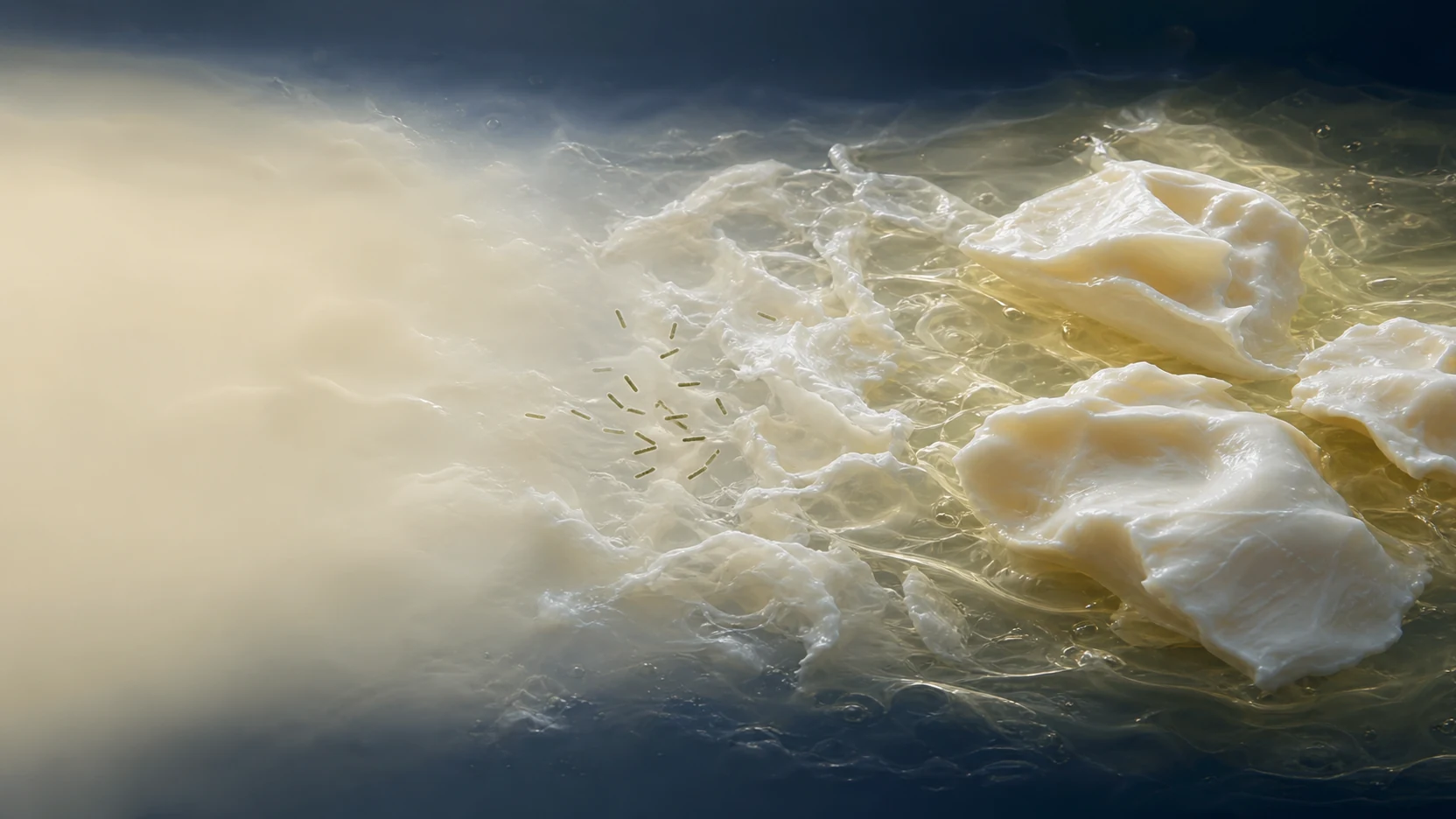
Quick Answer: Milk turns sour when certain bacteria convert its natural sugar, lactose, into lactic acid, which changes its taste, texture, and smell. Warm temperatures, poor storage…
4 min read →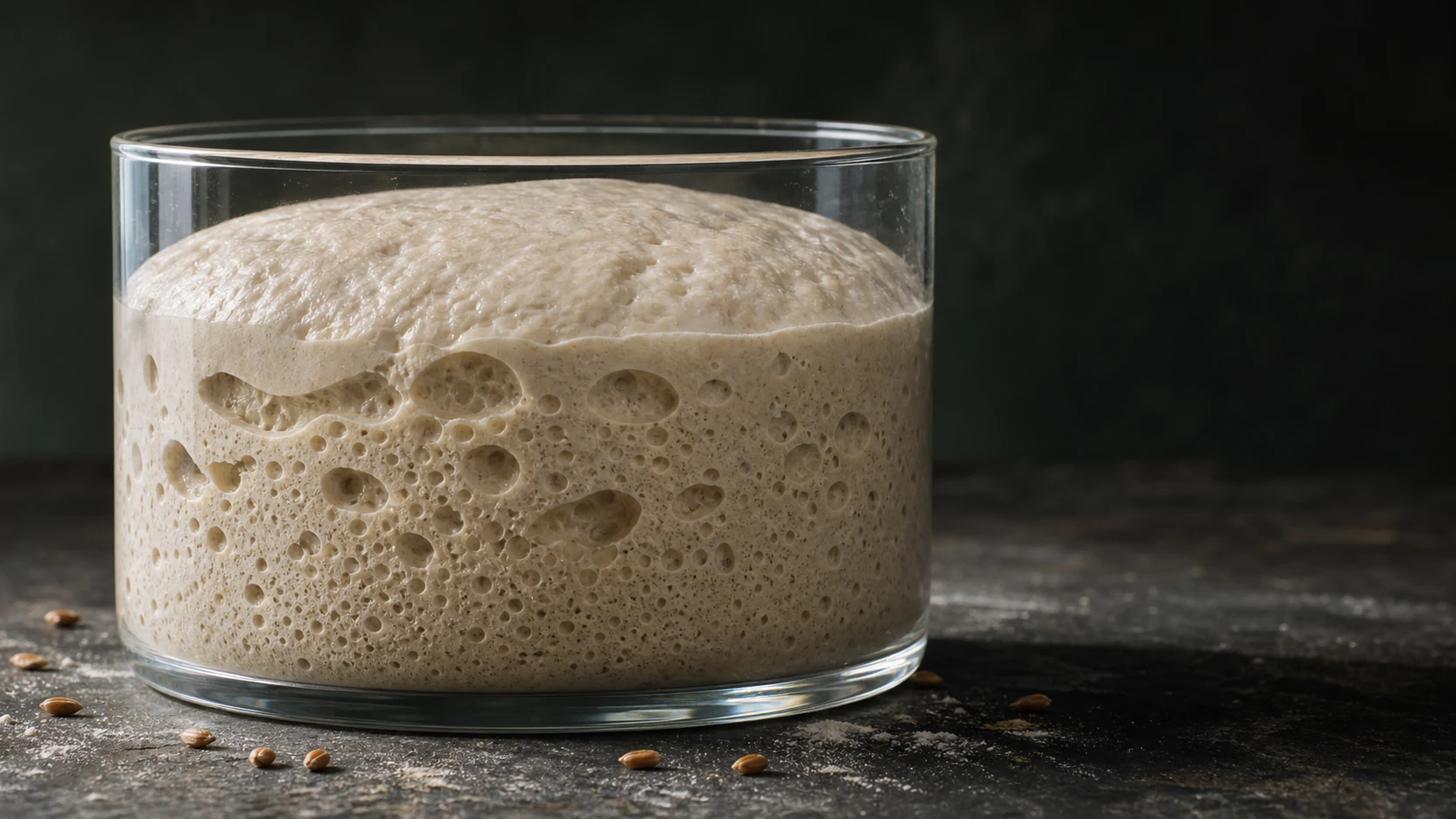
At its heart, sourdough fermentation is a natural, slow process where wild yeast and lactic acid bacteria work together to transform flour and water into airy, flavorful bread. As they…
3 min read →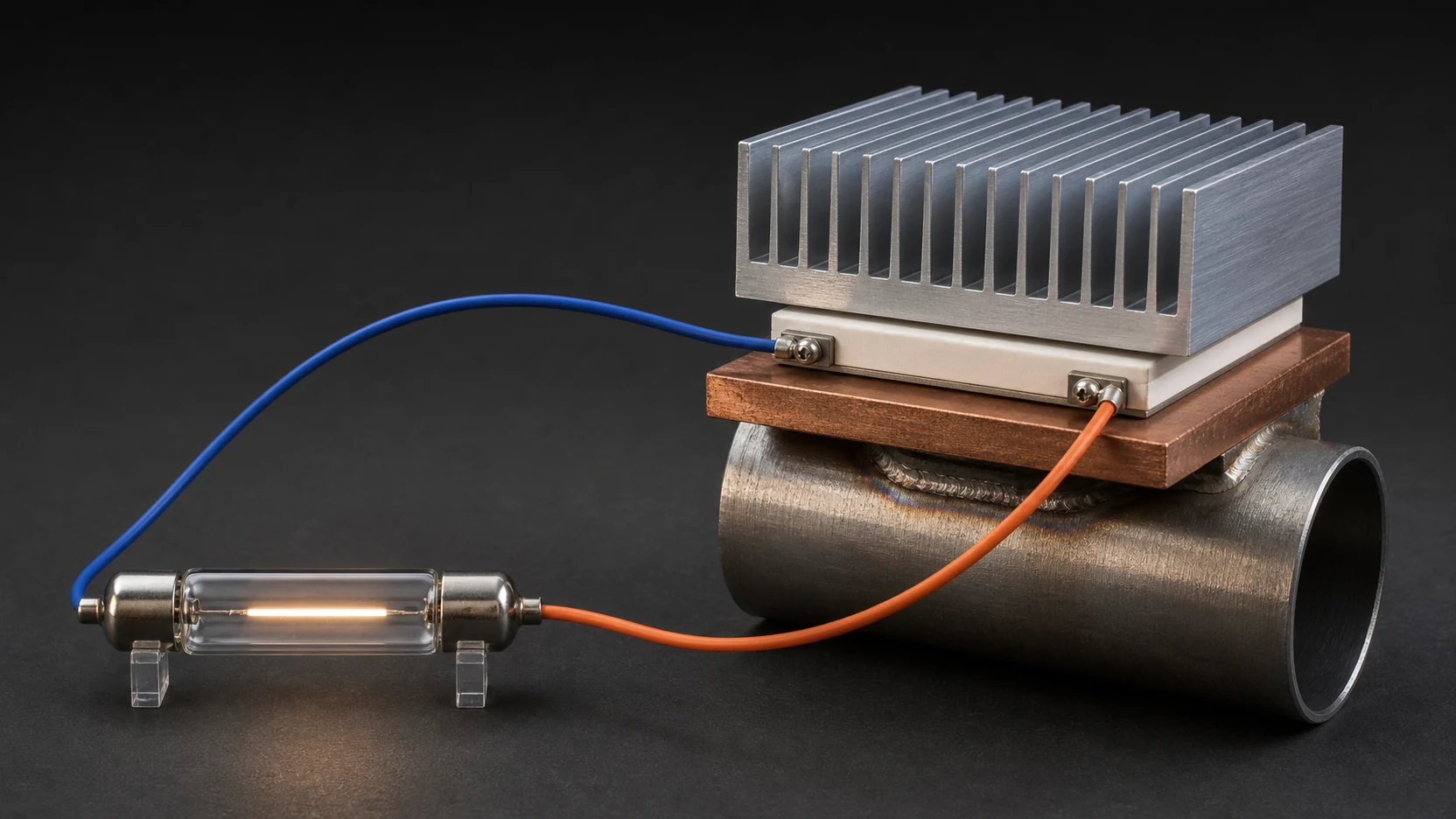
Quick Answer: Thermoelectric generators turn heat directly into electricity using the fascinating Seebeck effect. With no moving parts, they transform temperature differences into…
4 min read →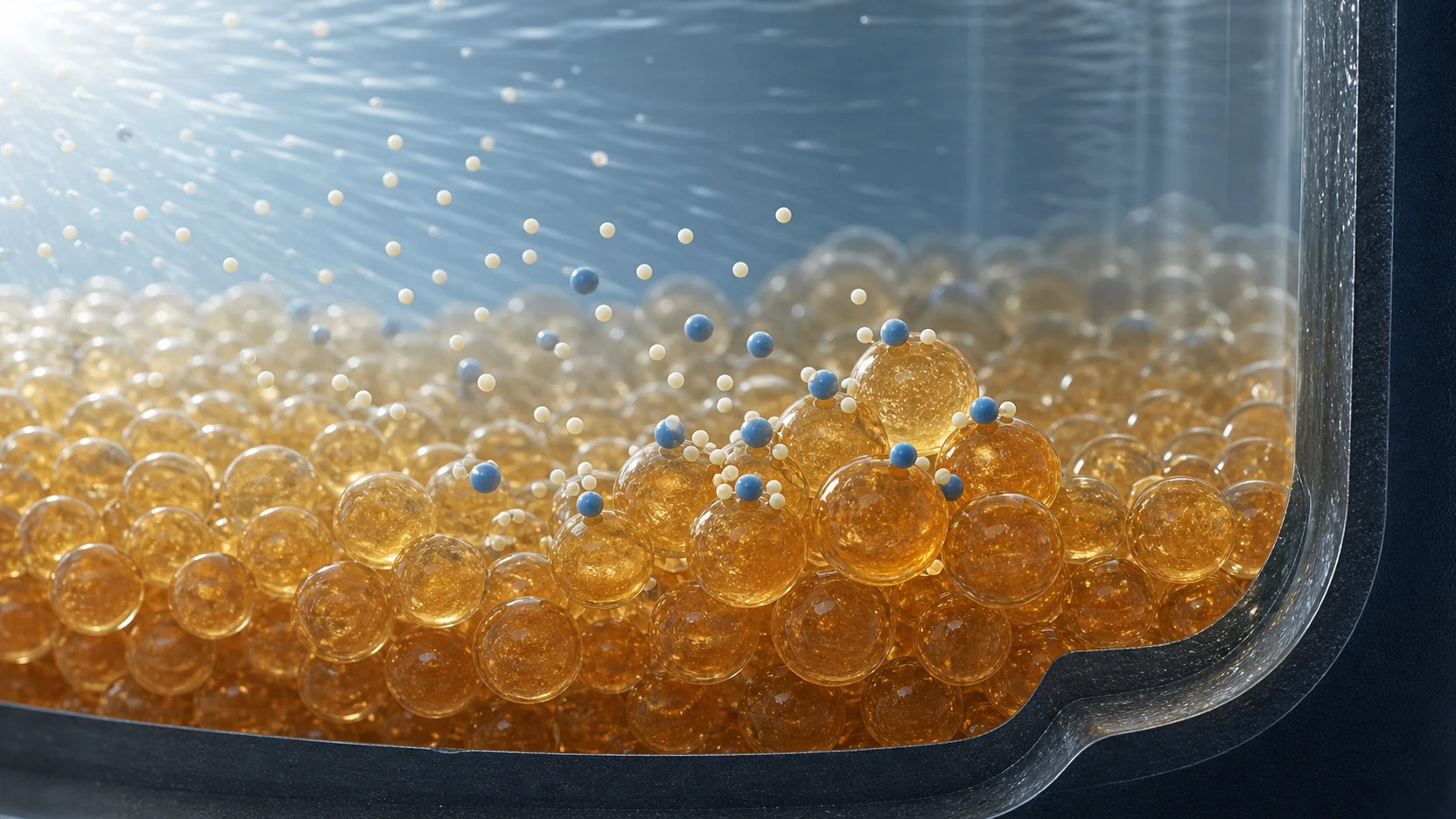
Quick Answer: A water softener removes the calcium and magnesium that make water “hard” by passing it through resin beads that swap those minerals for sodium or potassium ions — a…
3 min read →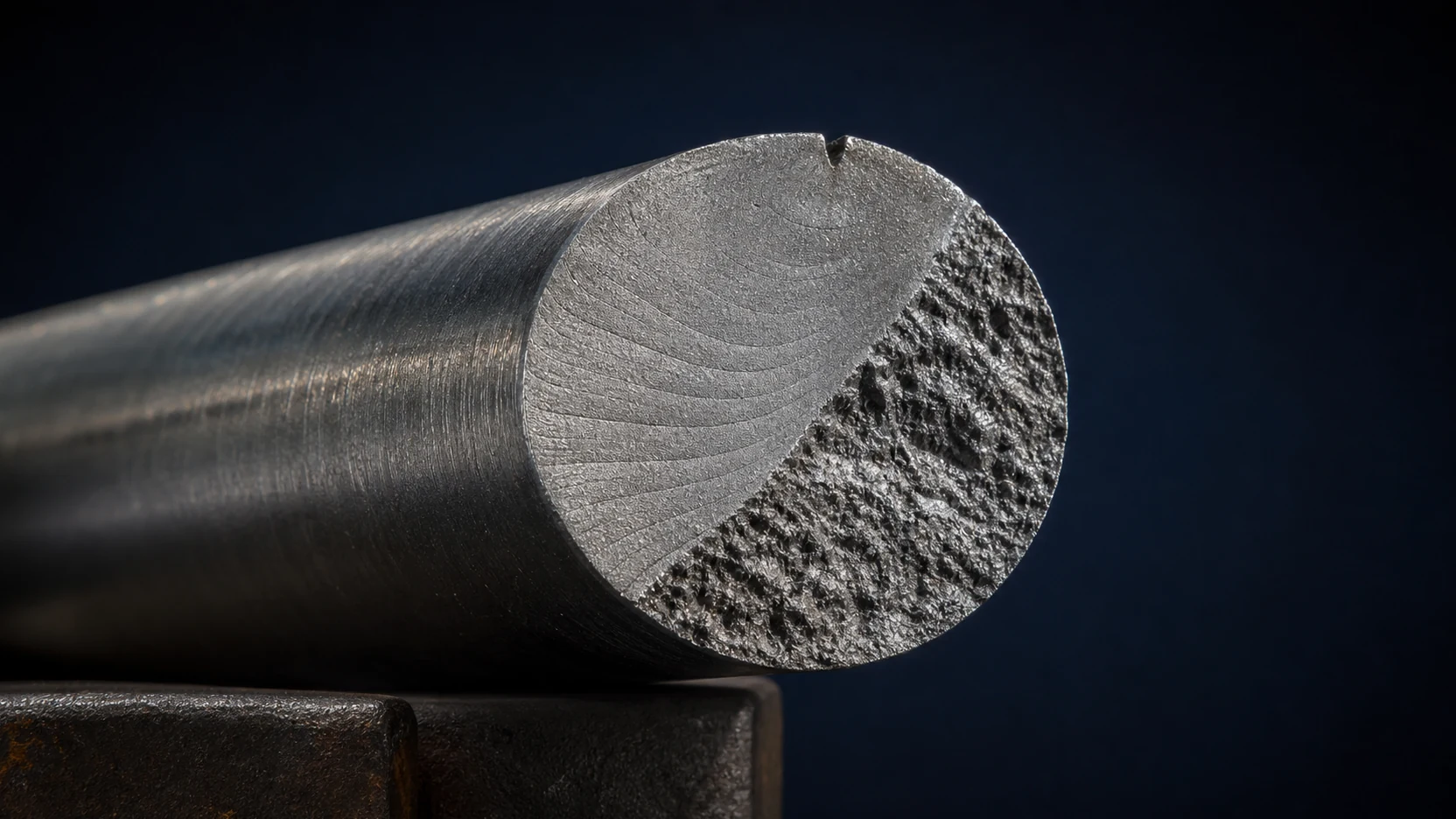
Metal fatigues when repeated, fluctuating stresses gradually cause microscopic cracks to form and grow until the metal suddenly fractures — even if each individual stress isn’t strong…
3 min read →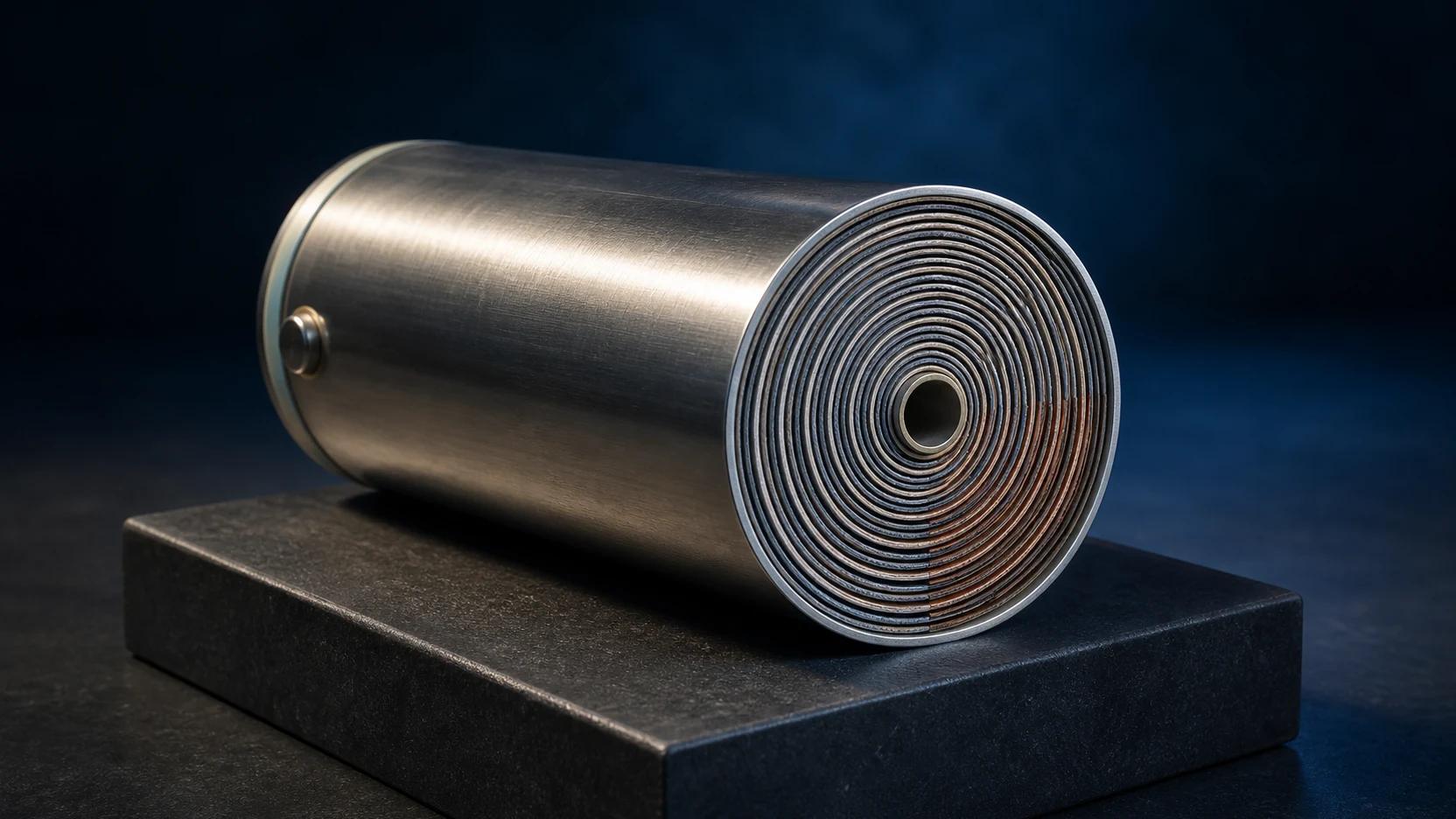
Quick Answer: Batteries lose capacity over time mainly because their internal chemistry and physical structure change during use and storage. These changes make it harder for them to…
4 min read →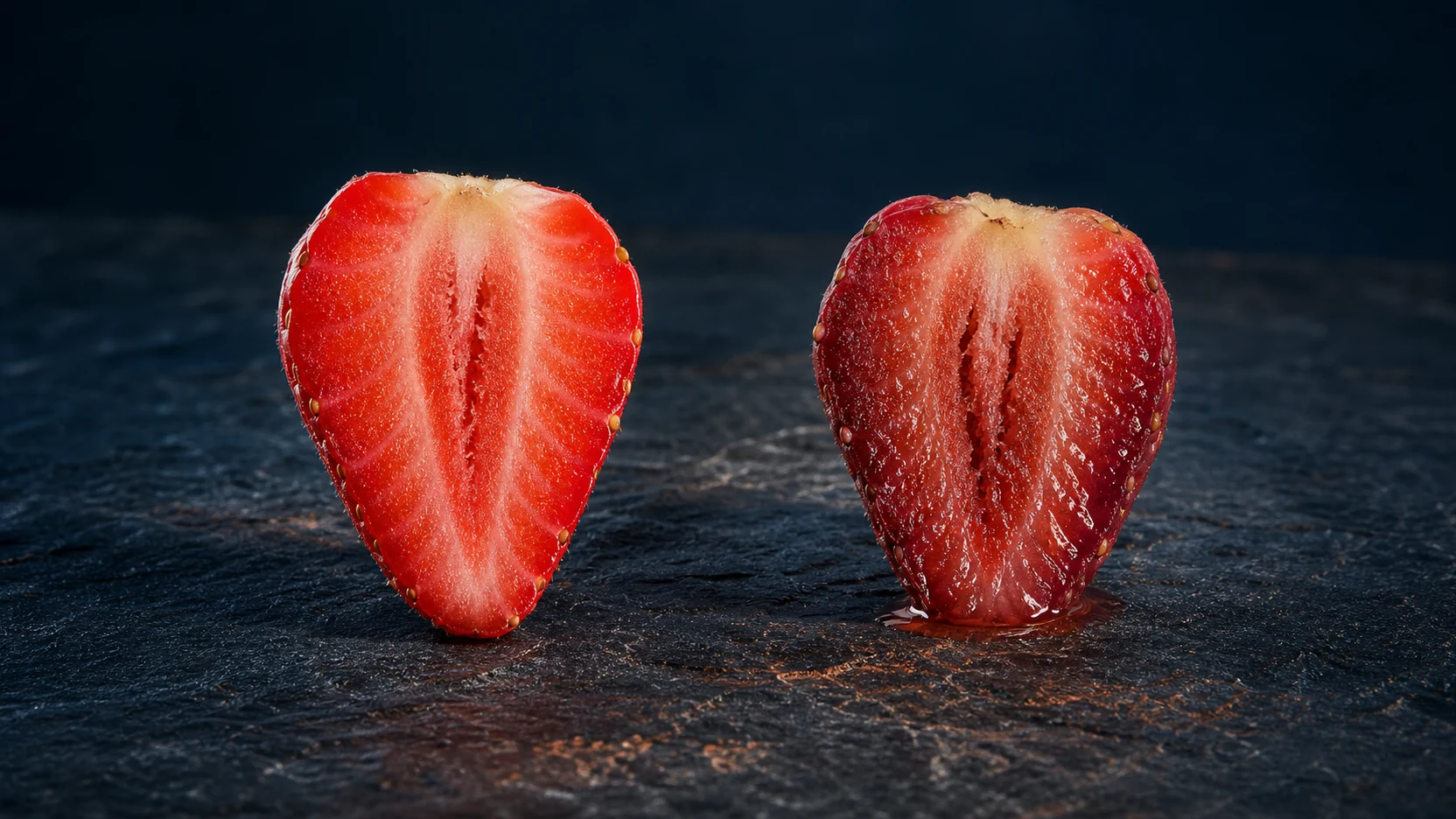
Quick Answer: Freezing works by stopping harmful microbes and slowing chemical changes that cause food to spoil, all while keeping texture, taste, and nutrition remarkably intact. The…
4 min read →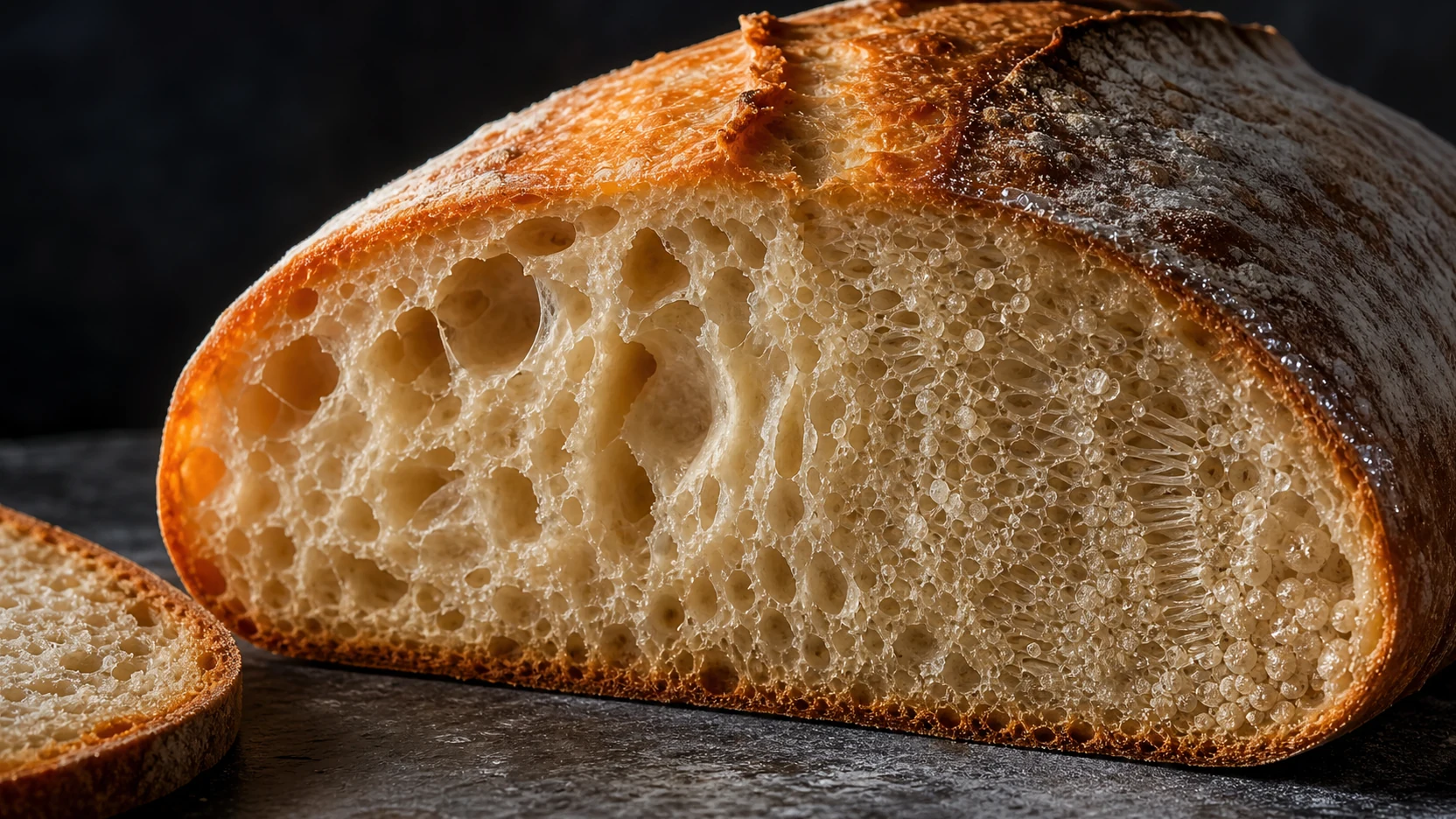
Bread goes stale because its starch molecules reorganize over time, turning soft crumb into a firmer, drier, and less appealing texture. Moisture shifts inside the loaf and temperature…
4 min read →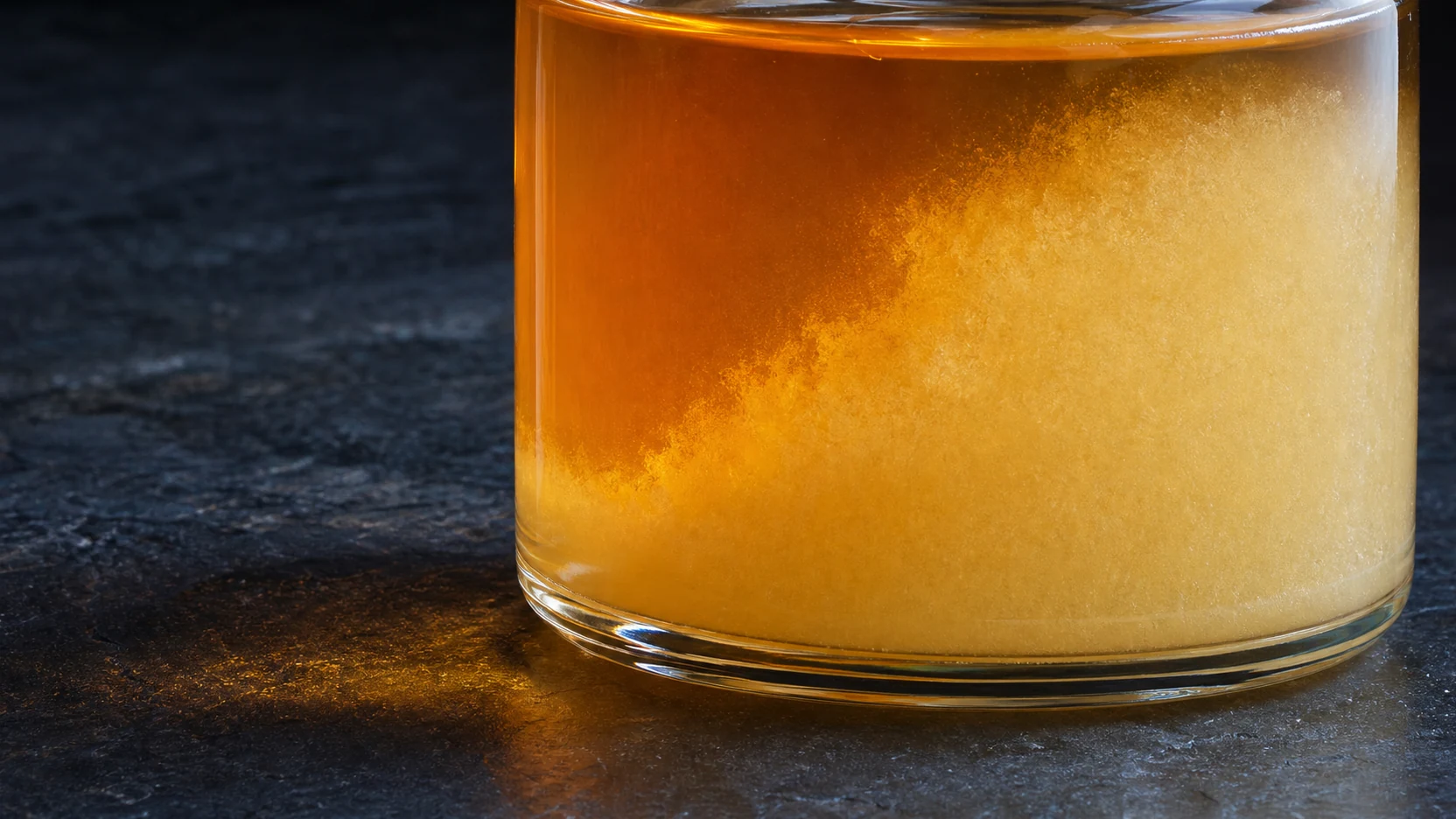
Quick Answer: Honey crystallizes because it's a supersaturated sugar solution where glucose separates from water and forms tiny sugar crystals. The process depends on its sugar…
4 min read →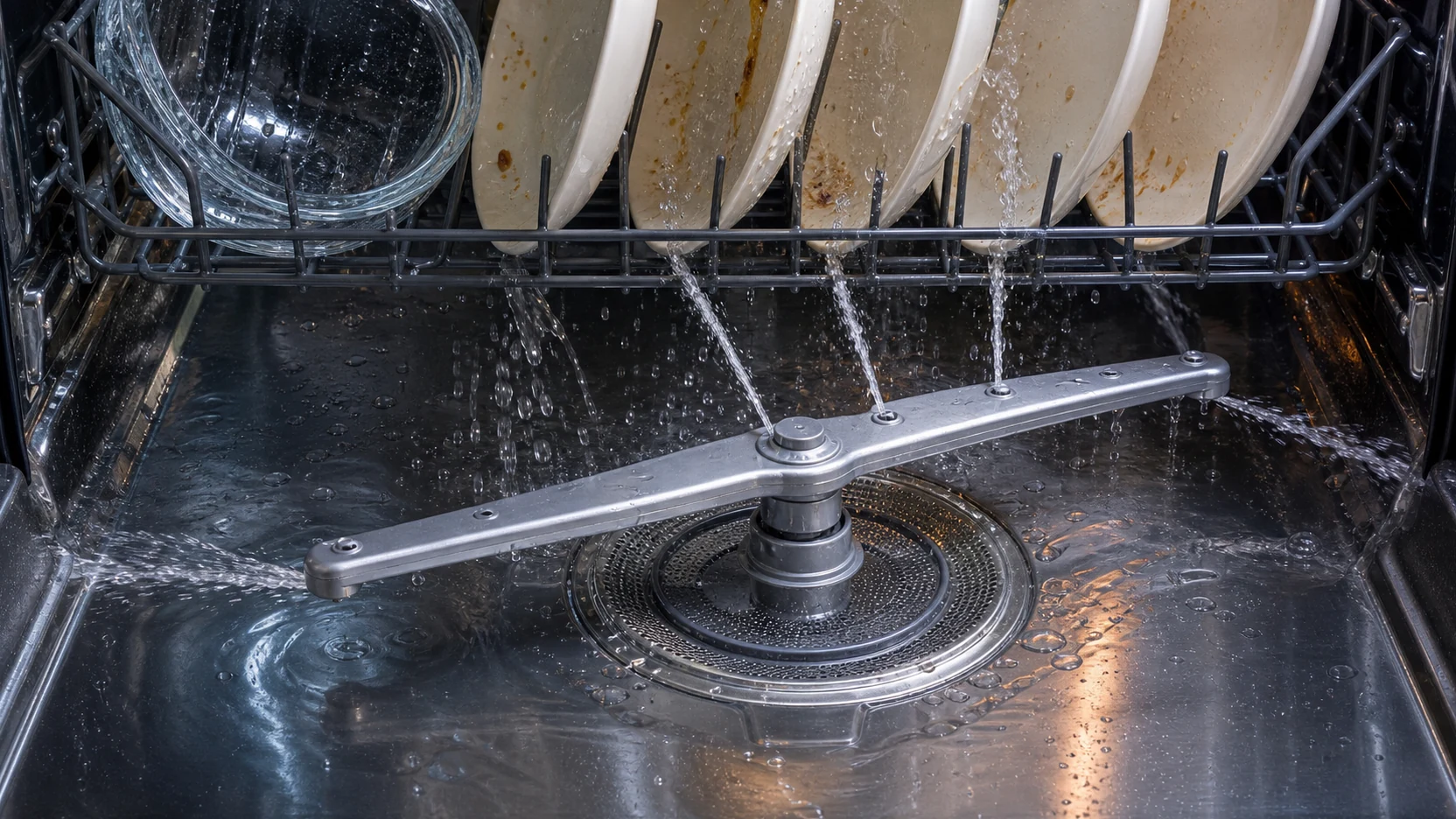
Quick Answer: Dishwashers clean by spraying hot water mixed with detergent through rotating arms to remove food and grease, then rinsing and drying for a sparkling finish. The process…
4 min read →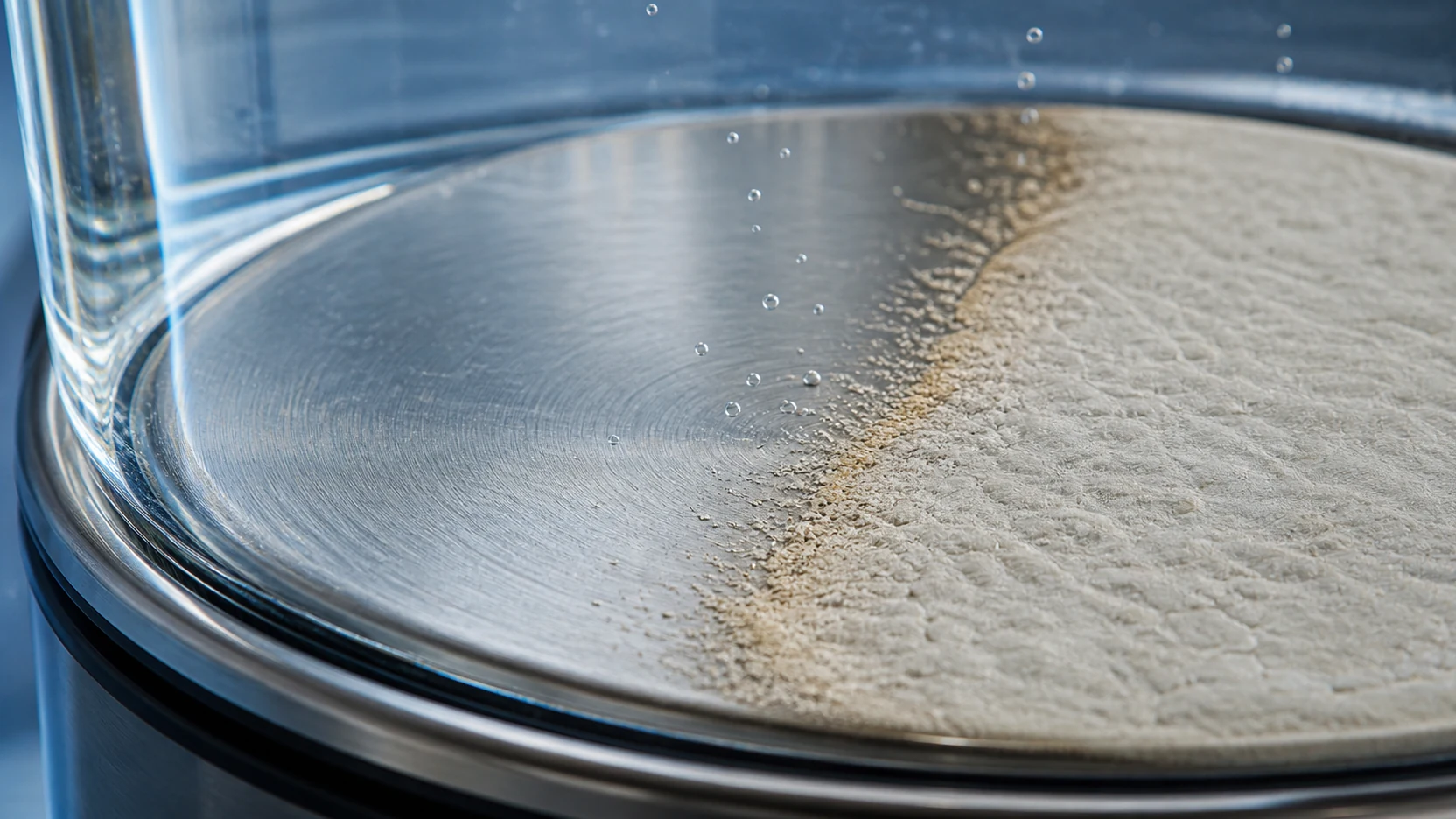
Quick Answer: Limescale is that hard, chalky coating you find in kettles, boilers, and on faucets, and it’s mainly made of calcium carbonate. It forms when minerals in hard water…
3 min read →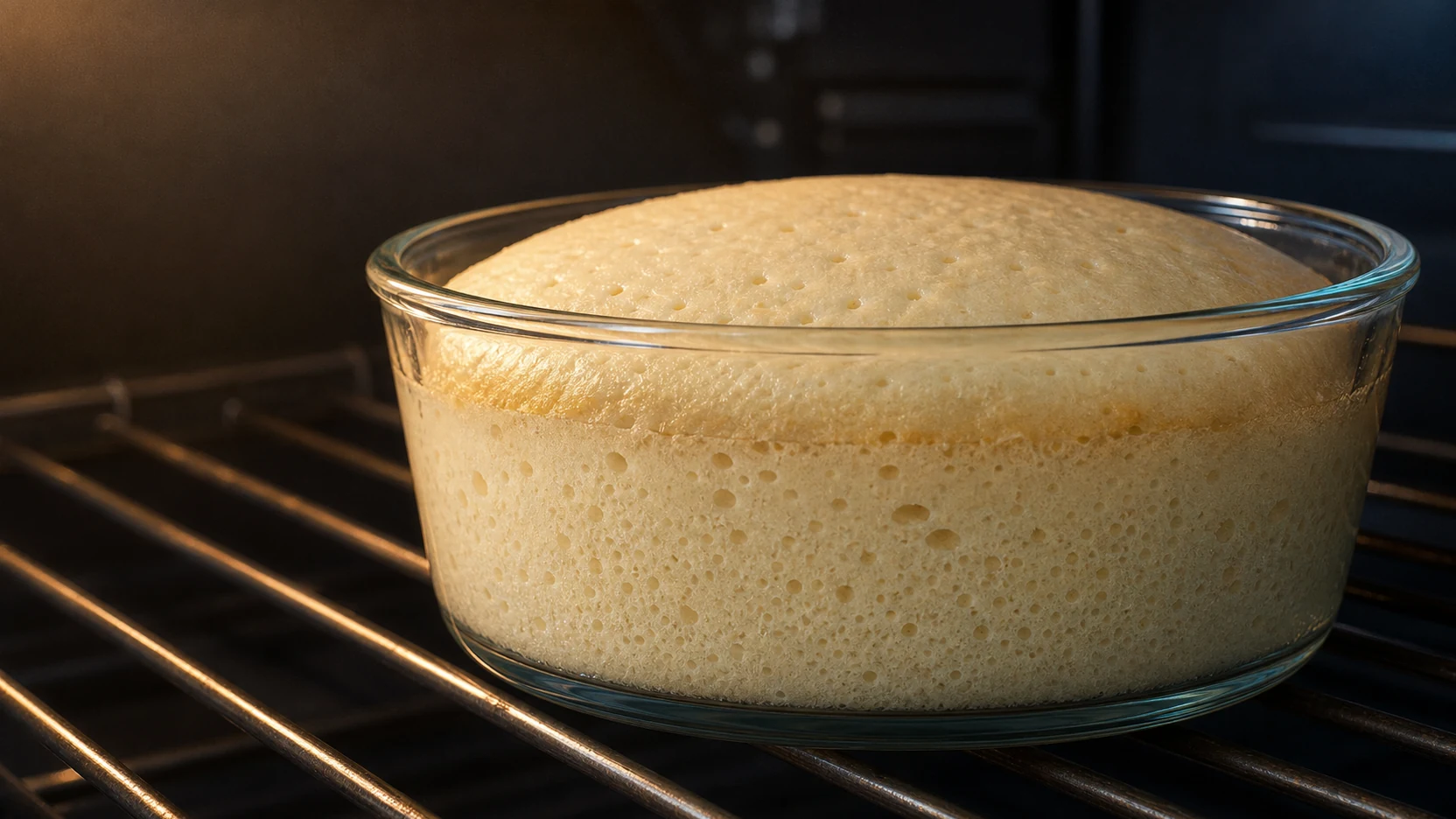
Quick Answer: Baking powder is a clever mix of ingredients that reacts with moisture and heat to produce tiny bubbles of carbon dioxide gas. These bubbles get trapped in your batter or…
4 min read →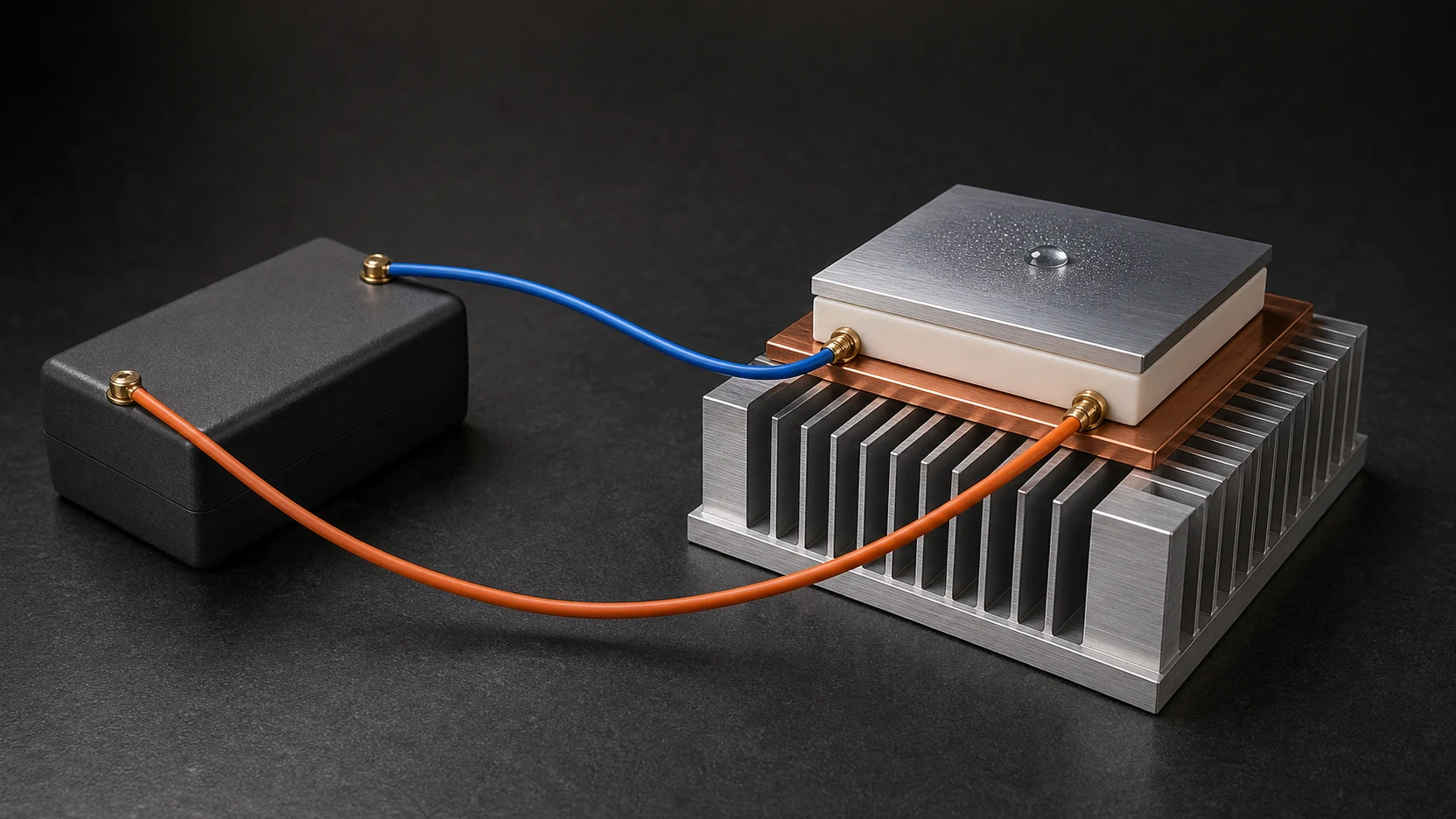
Quick Answer: Peltier devices are clever solid-state heat pumps that use electricity to move heat from one side to another, creating a hot side and a cold side. They work silently, have…
4 min read →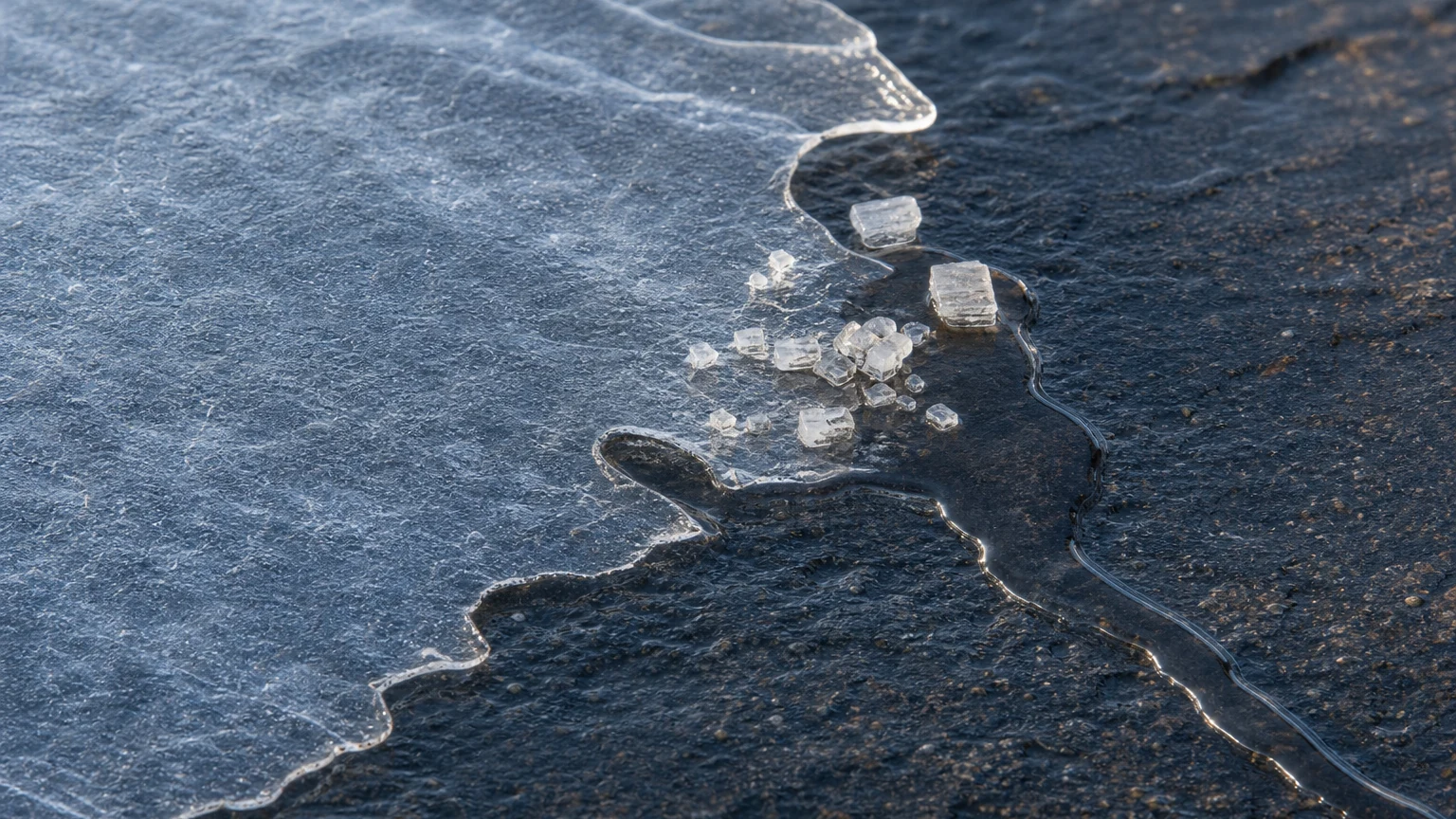
Quick Answer: Salt melts ice by lowering the freezing point of water, a process known as freezing point depression. When salt is sprinkled on ice, it interferes with water molecules’…
4 min read →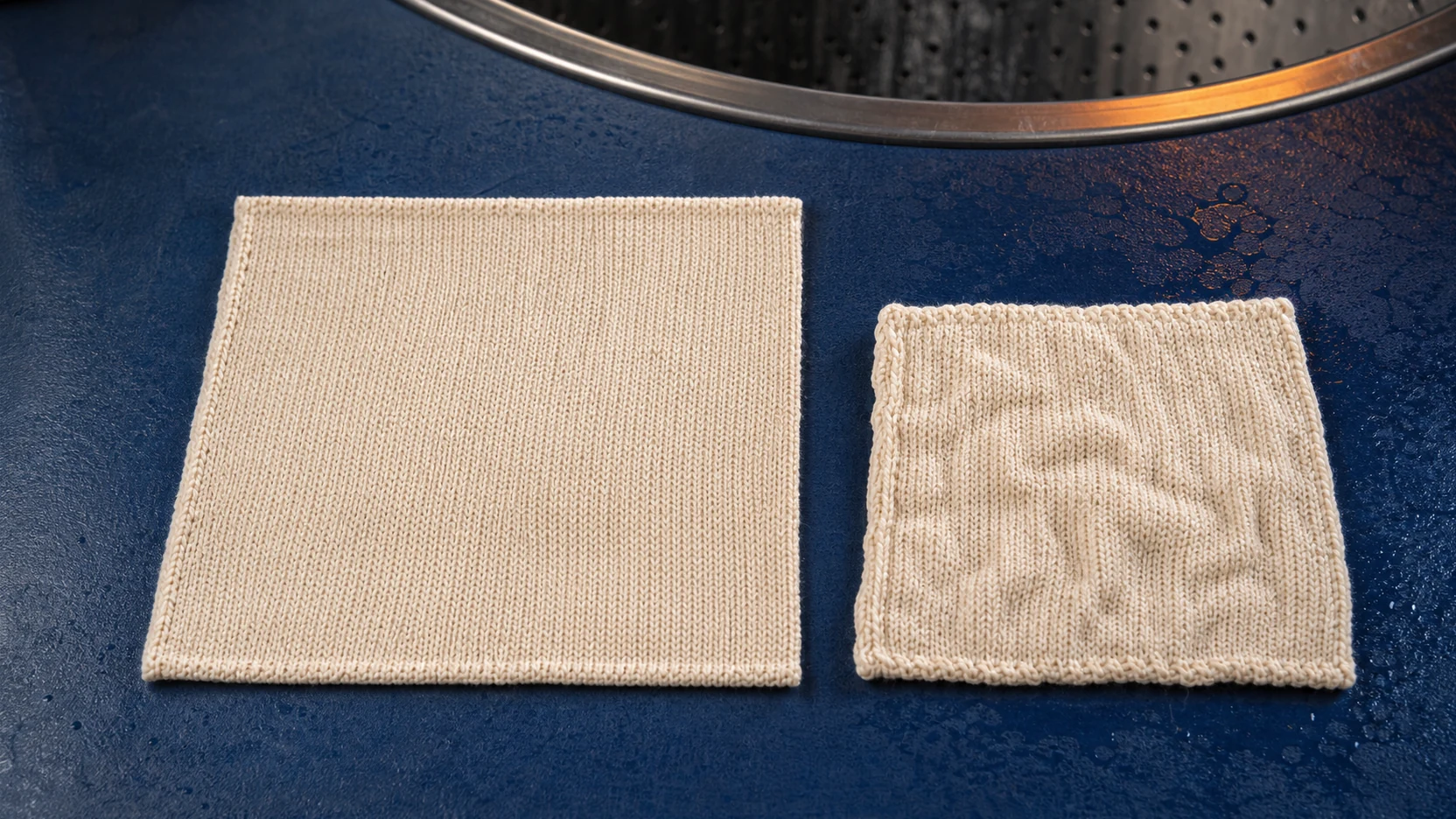
Quick Answer: Clothes shrink because heat, moisture, and movement change the structure of their fibers, letting them relax and pull together. Natural fibers like cotton and wool are…
3 min read →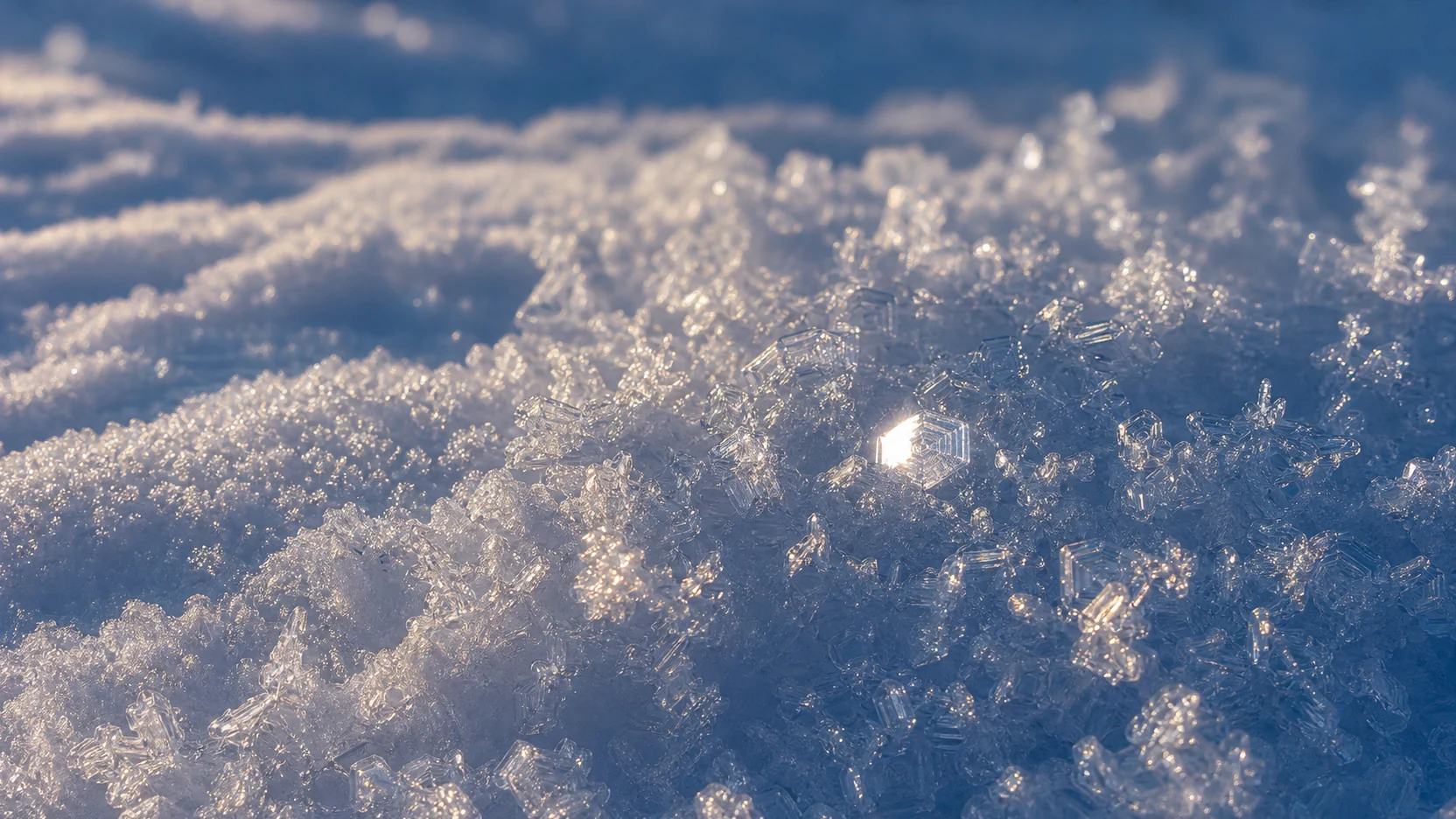
Quick Answer: Snow sparkles because its surface is covered with countless ice crystals that act like tiny mirrors and prisms, reflecting and bending sunlight. Under the right…
3 min read →
Quick Answer: Ethylene is a natural gaseous plant hormone that acts like a “ripening signal” for many fruits, triggering color changes, softening, sweetness, and aroma. Some fruits keep…
4 min read →
Quick Answer: Thermocouples are rugged temperature sensors that work by generating a voltage when two different metals meet at different temperatures. They’re inexpensive…
4 min read →
Quick Answer: Metals glow when they’re heated because their atoms vibrate more intensely, releasing thermal radiation . As the temperature rises, the peak wavelength of this radiation…
4 min read →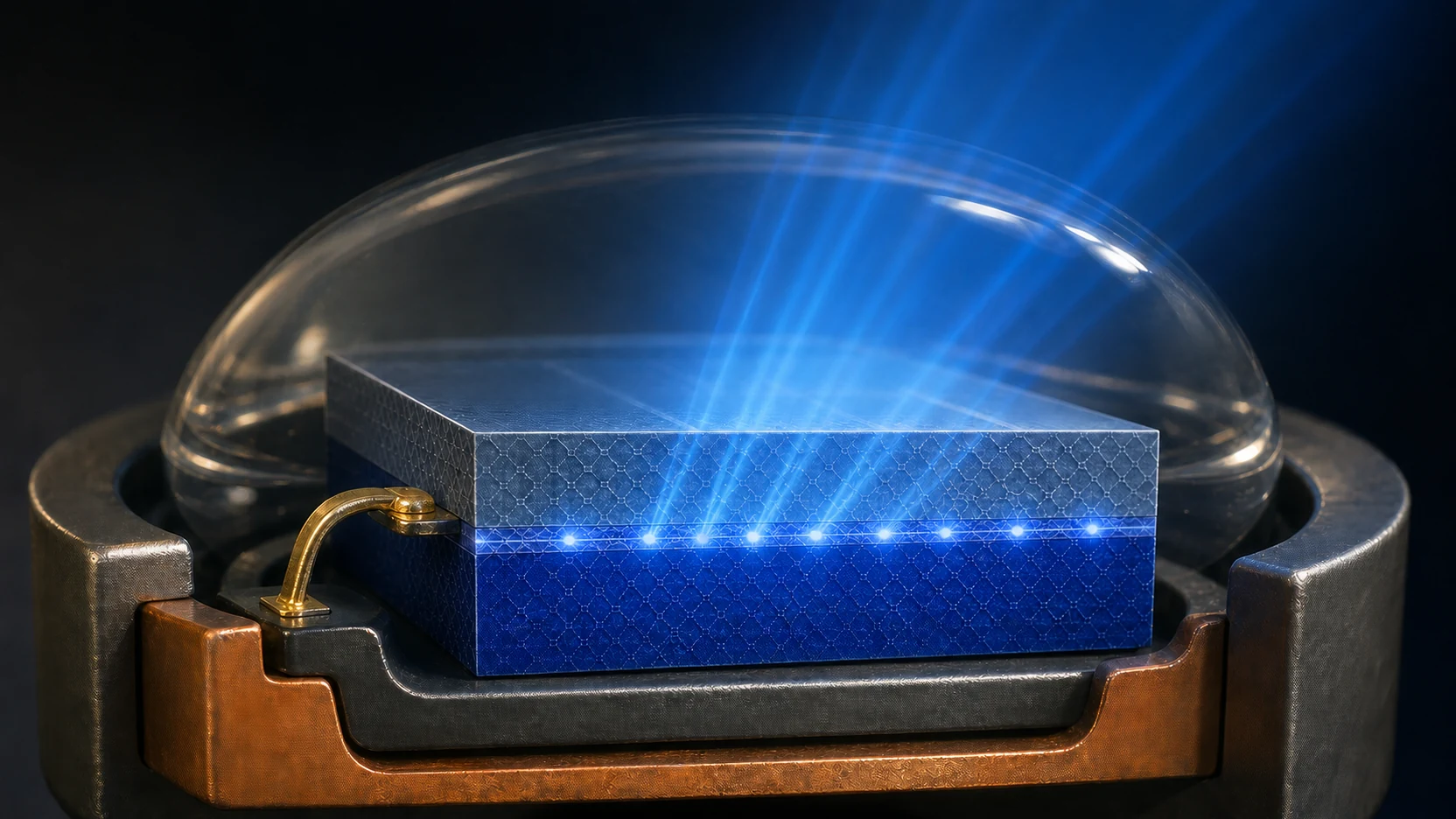
Quick Answer: LEDs, or light-emitting diodes, turn electricity directly into light using a semiconductor process called electroluminescence. When electrons and holes meet in a p-n…
3 min read →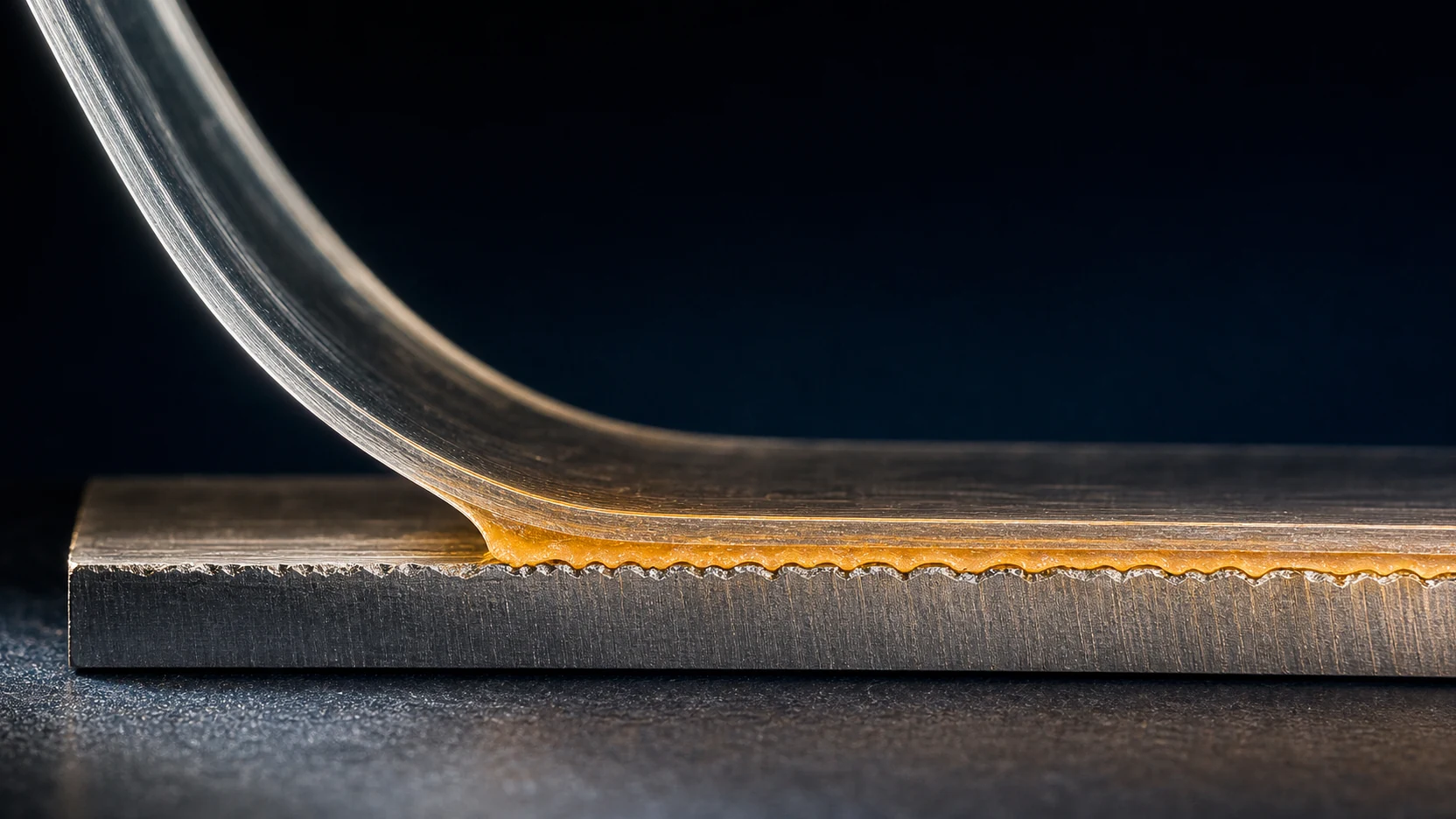
Quick Answer: Adhesive tape clings to surfaces thanks to a teamwork of forces—tack for quick grab, cohesion for internal strength, and adhesion for holding on to the surface. On the…
5 min read →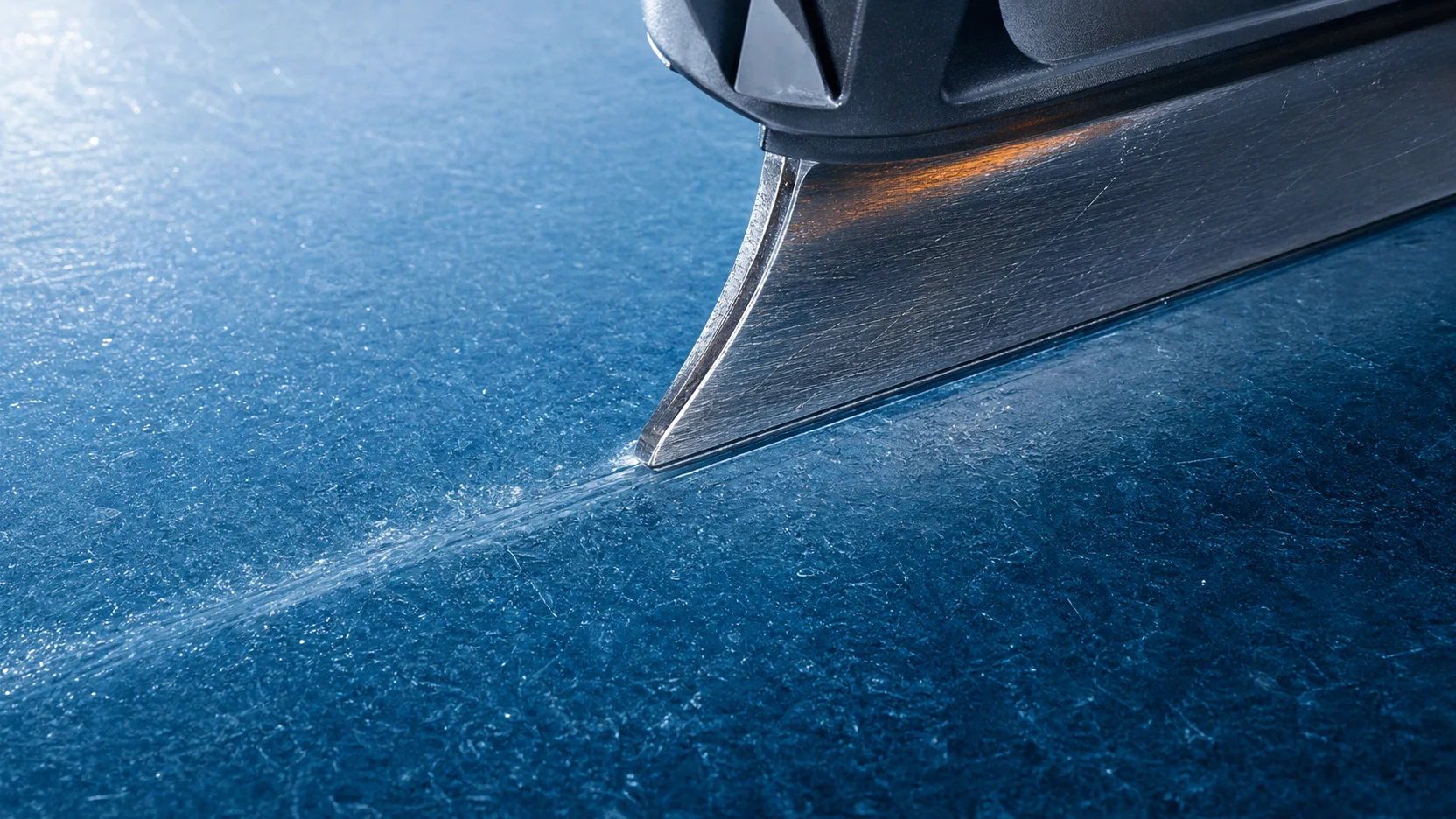
Quick Answer: Ice skates glide so smoothly because the blade creates a microscopically thin layer of water on the ice surface. This slippery film is formed by heat from friction and…
3 min read →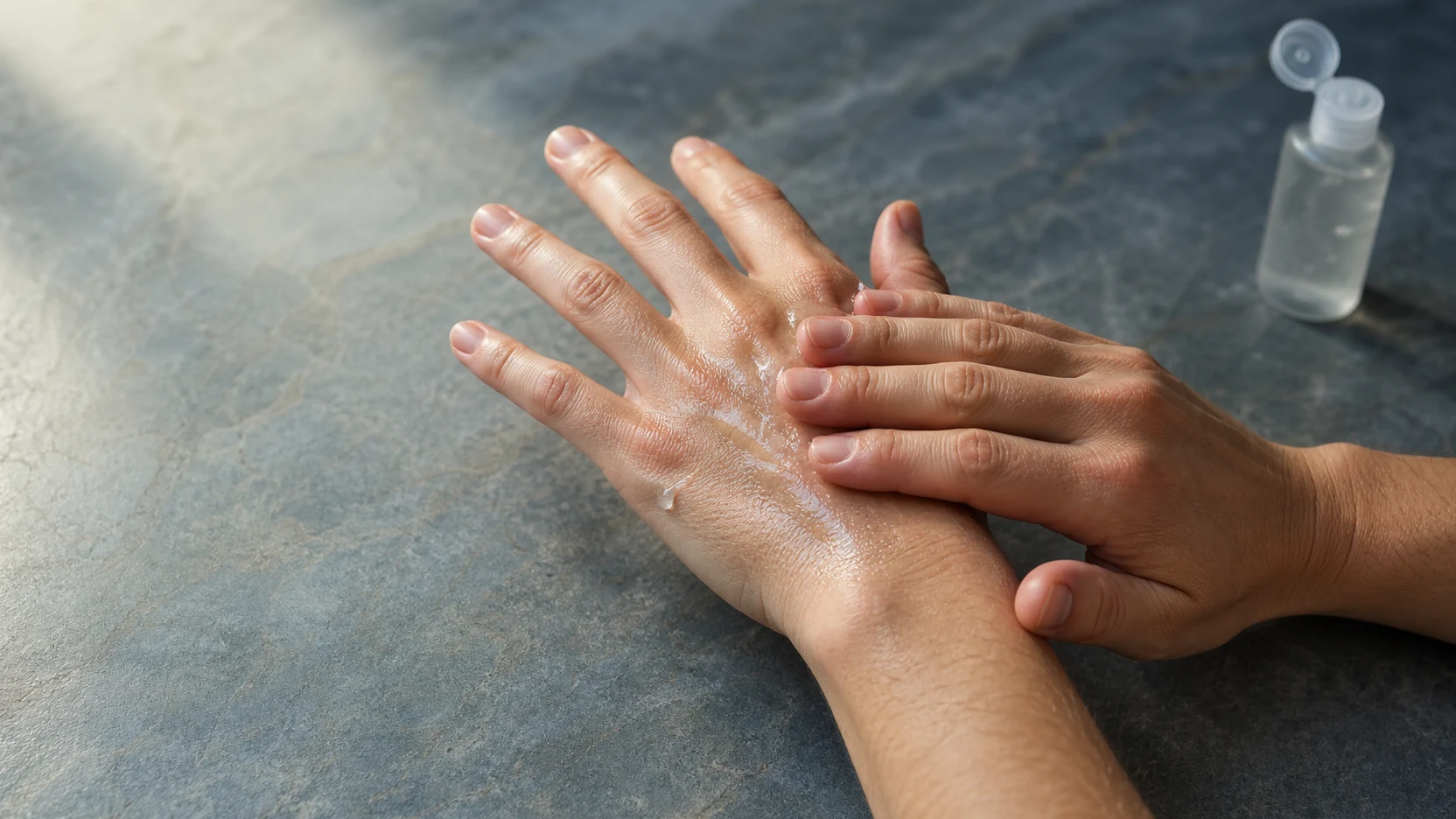
Quick Answer: Hand sanitizer works by using active ingredients—most often alcohol—to quickly break apart and deactivate germs, including many bacteria and viruses, right on your skin.…
4 min read →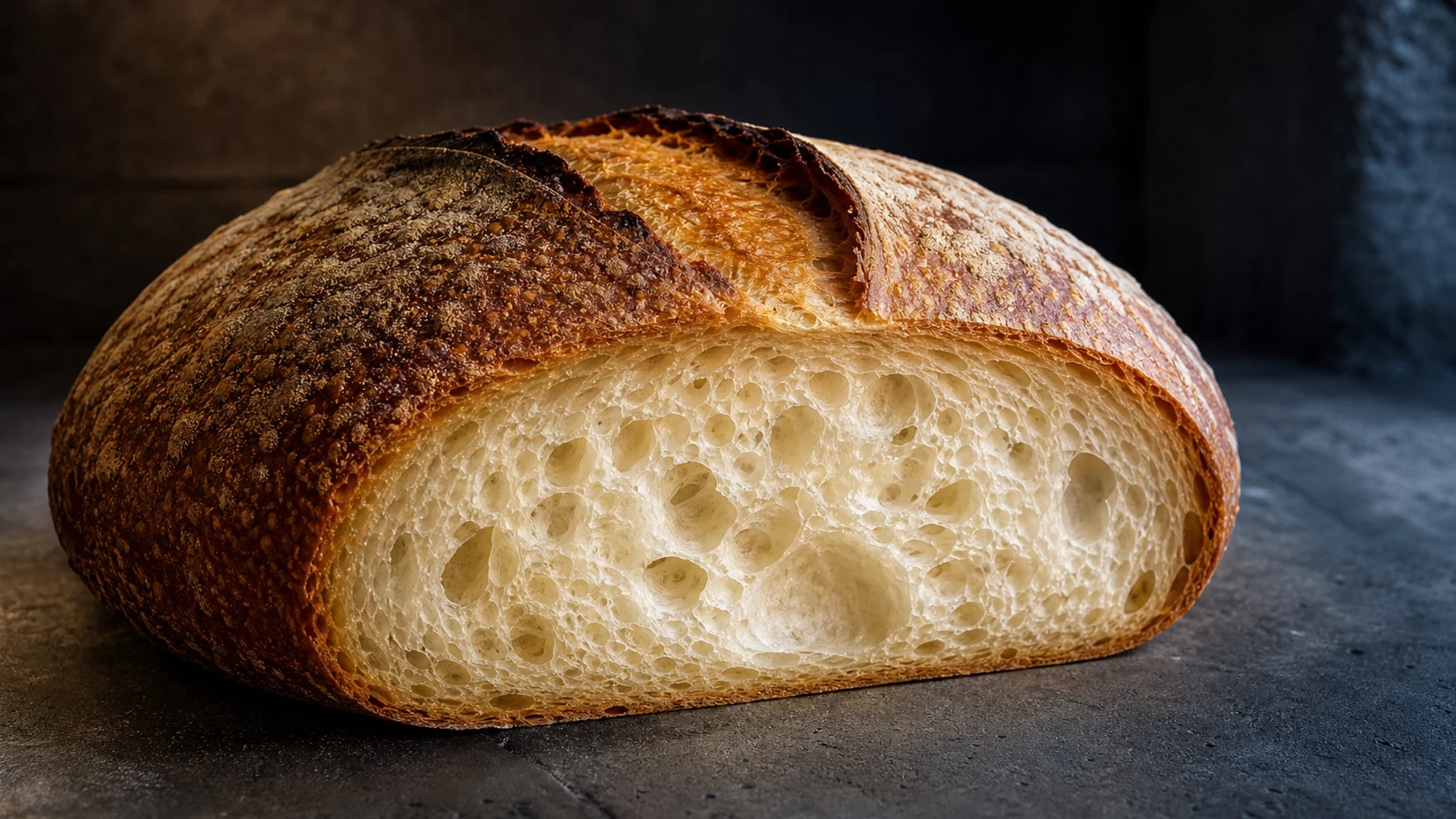
Bread forms a crust because the surface dries out during baking, letting heat-triggered chemical reactions brown and harden it. Moisture loss, starch changes, and sugar-protein…
3 min read →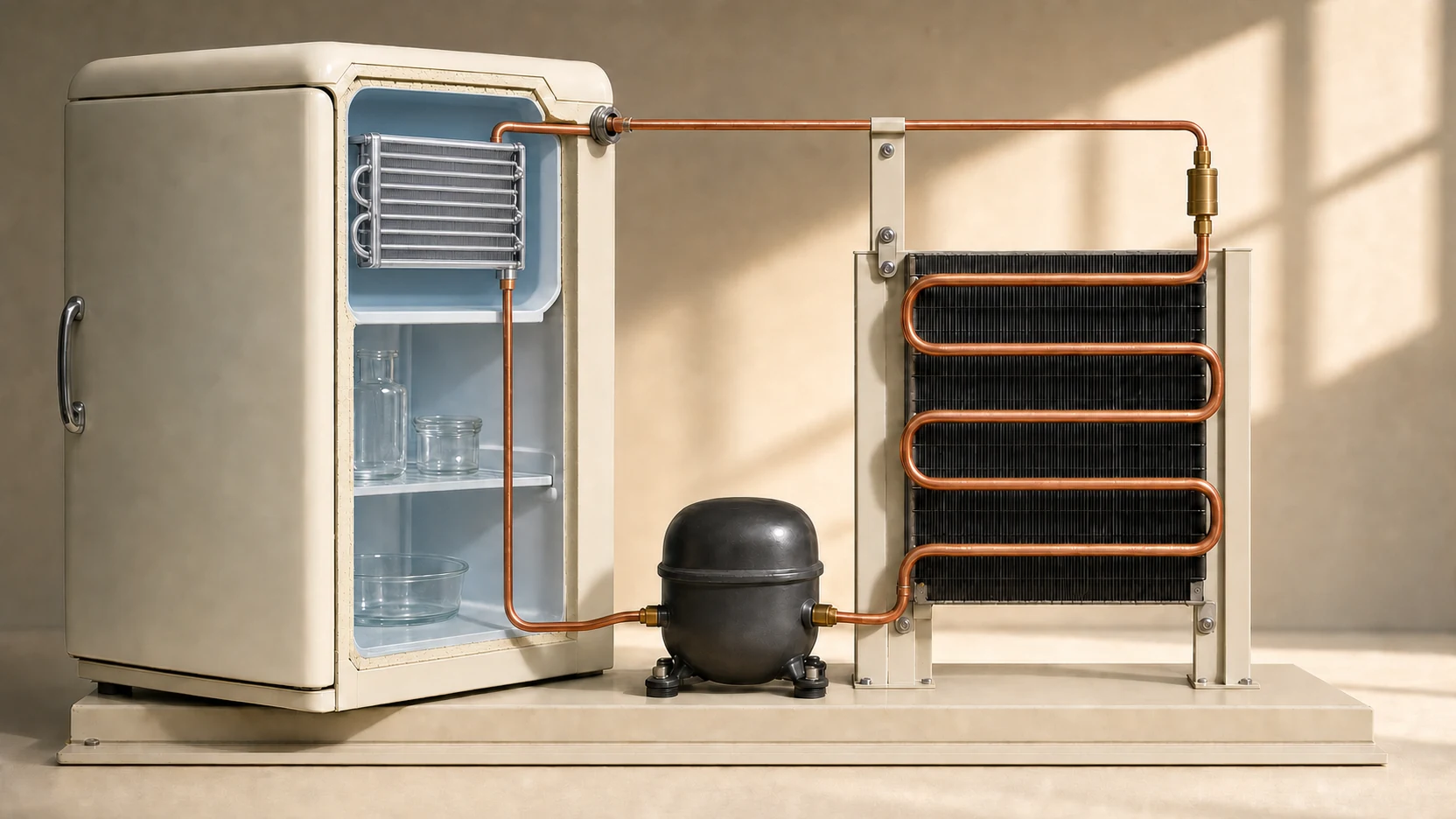
In simple terms, refrigerators work by moving heat out of their interiors rather than directly making things “cold.” They use a clever cycle with a special fluid called a refrigerant to…
3 min read →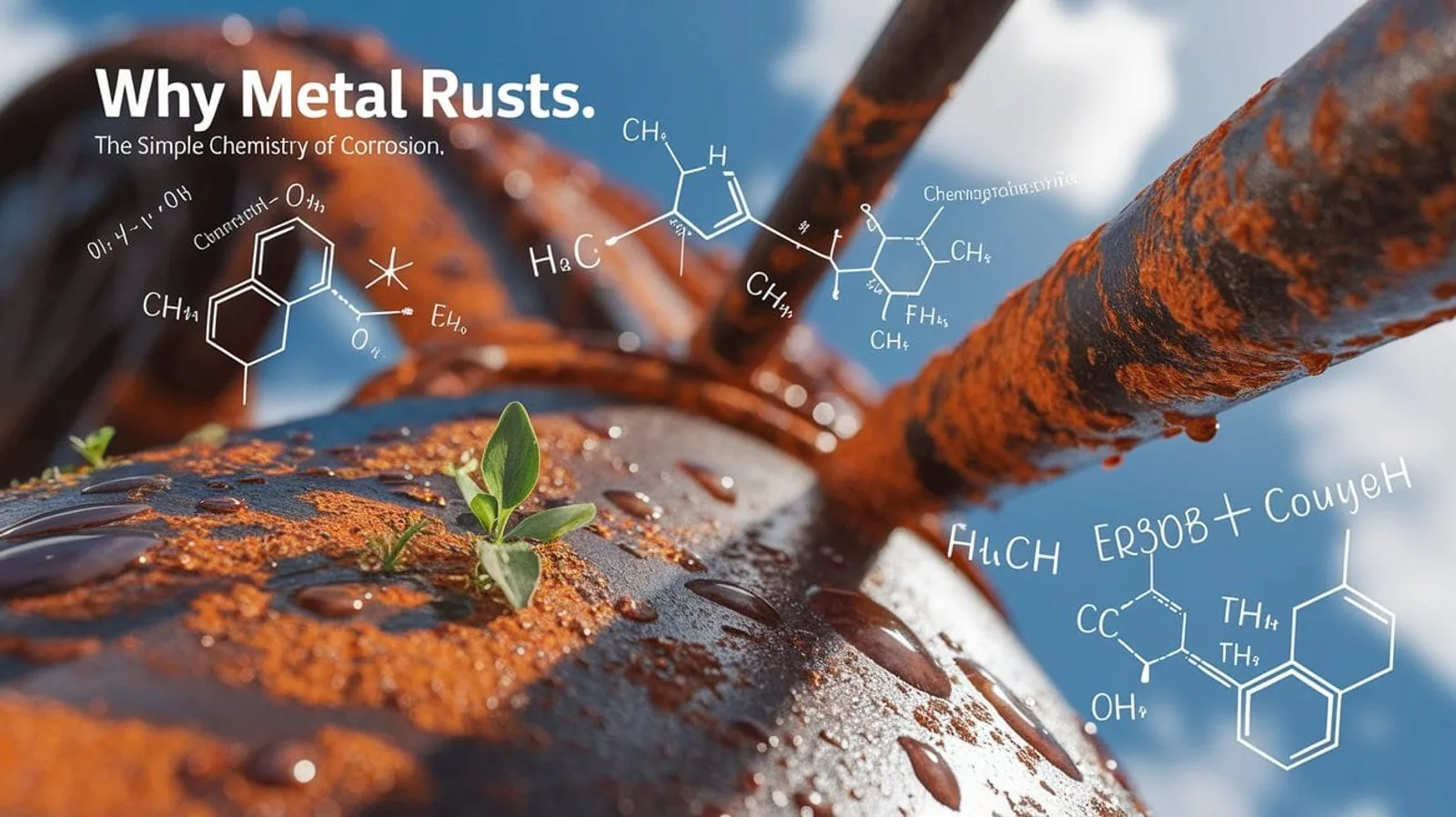
Quick Answer: Rust happens when iron or steel reacts with oxygen and water in a process called oxidation, forming flaky iron oxide. This reaction weakens metal over time, but with the…
4 min read →
Quick Answer: Sunlight fades clothes mainly because invisible ultraviolet (UV) rays break down the chemical structures in fabric dyes, reducing their ability to reflect and emit the…
3 min read →
Quick Answer: Chemiluminescence is the production of light from a chemical reaction without heat—often called “cold light.” The reaction creates excited molecules that release photons…
4 min read →
Quick Answer: A 3D printer creates physical objects by building them layer by layer from a digital design. It uses instructions generated by slicing software to guide an extruder…
4 min read →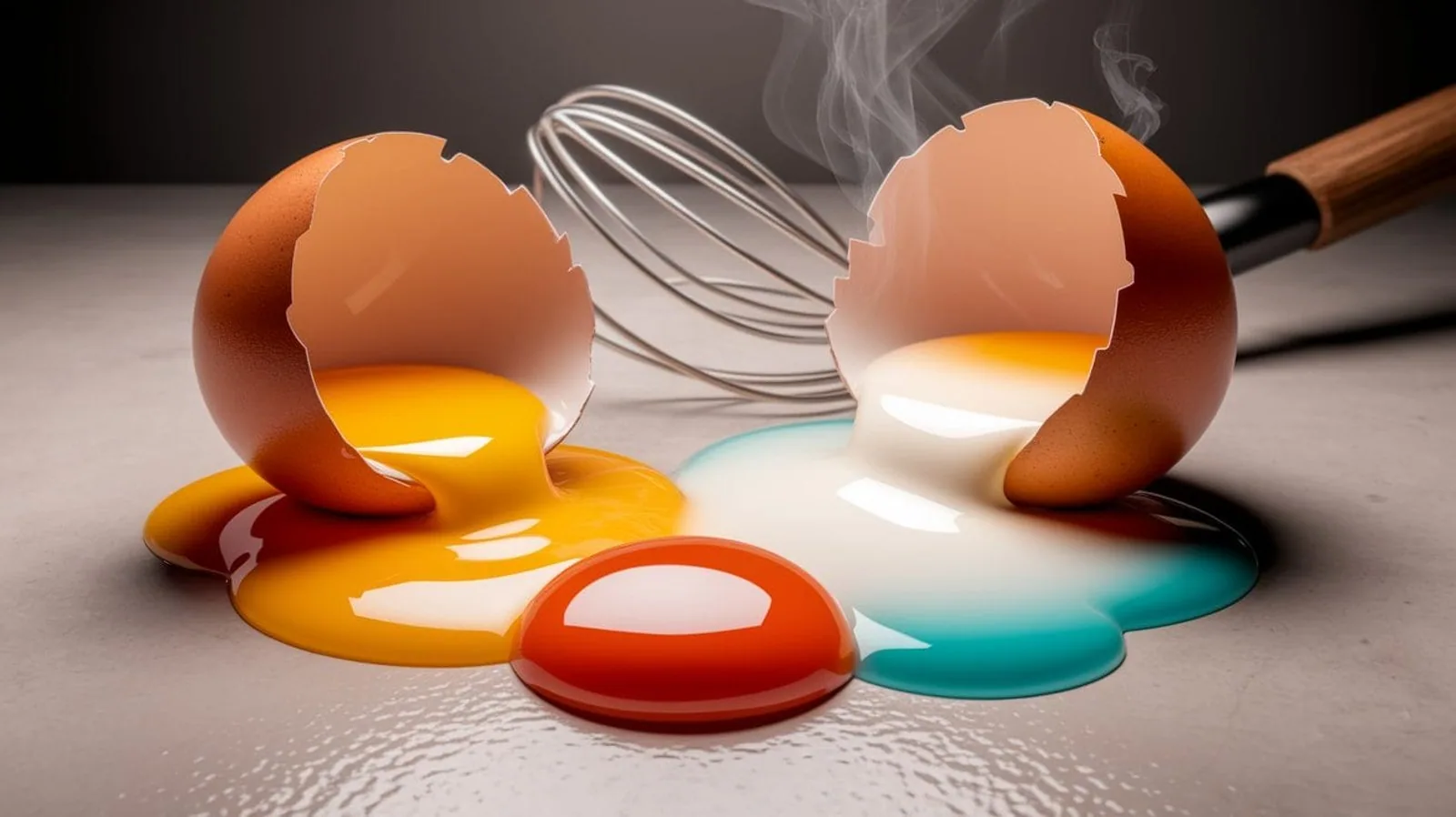
Quick Answer: Egg whites solidify when cooked because heat causes their tightly folded proteins to unravel and bond together, trapping water in a gel-like network. This transformation…
3 min read →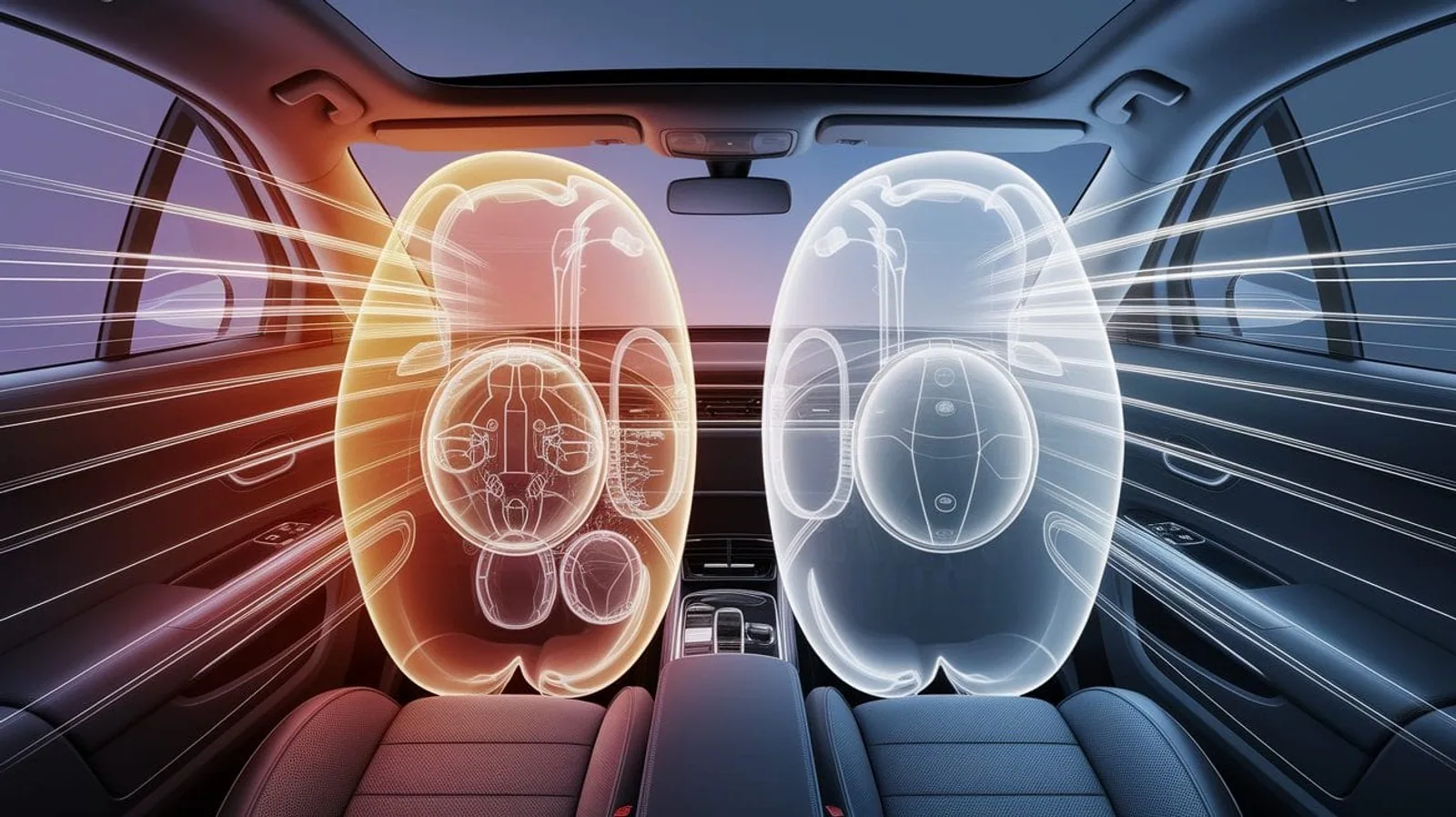
Quick Answer: Airbags are part of a car’s safety restraint system , designed to inflate in fractions of a second during certain collisions. They use crash sensors, rapid chemical…
4 min read →
Many common plastics resist biological breakdown. Polymer chemistry, physical structure, and environmental conditions determine how persistent each material is.
4 min read →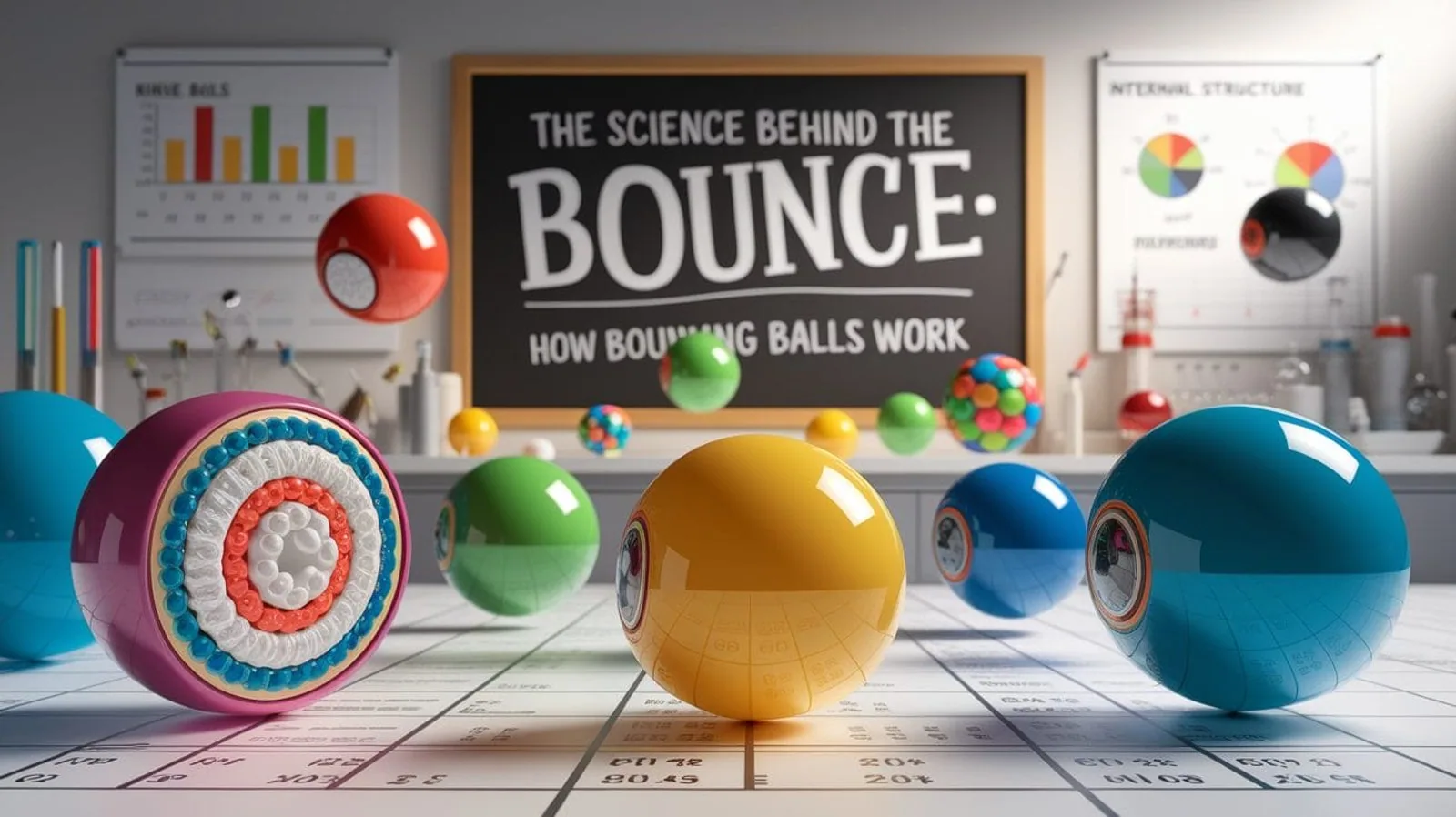
Quick Answer: A bouncing ball is a showcase of energy transformations, elasticity, and motion under gravity’s pull. When it hits a surface, energy is stored and released, giving it that…
4 min read →
Quick Answer: Polarized sunglasses work by using a special filter that blocks harsh horizontal light waves—often responsible for glare—while letting in useful vertical light. This…
3 min read →
Quick Answer: Touchscreens work by detecting a change in electrical properties, pressure, light, or sound waves at the point of contact. Most modern devices use capacitive sensing…
3 min read →
Chemical and mineral sunscreens work the same way: both absorb UV radiation. Here's how sunscreen filters protect your skin, what SPF really means, and how to apply it properly.
8 min read →
Have you ever wondered why your childhood glow-in-the-dark stars kept shining long after you turned off the lights? From toy dinosaurs to safety signs, these fascinating objects seem to…
10 min read →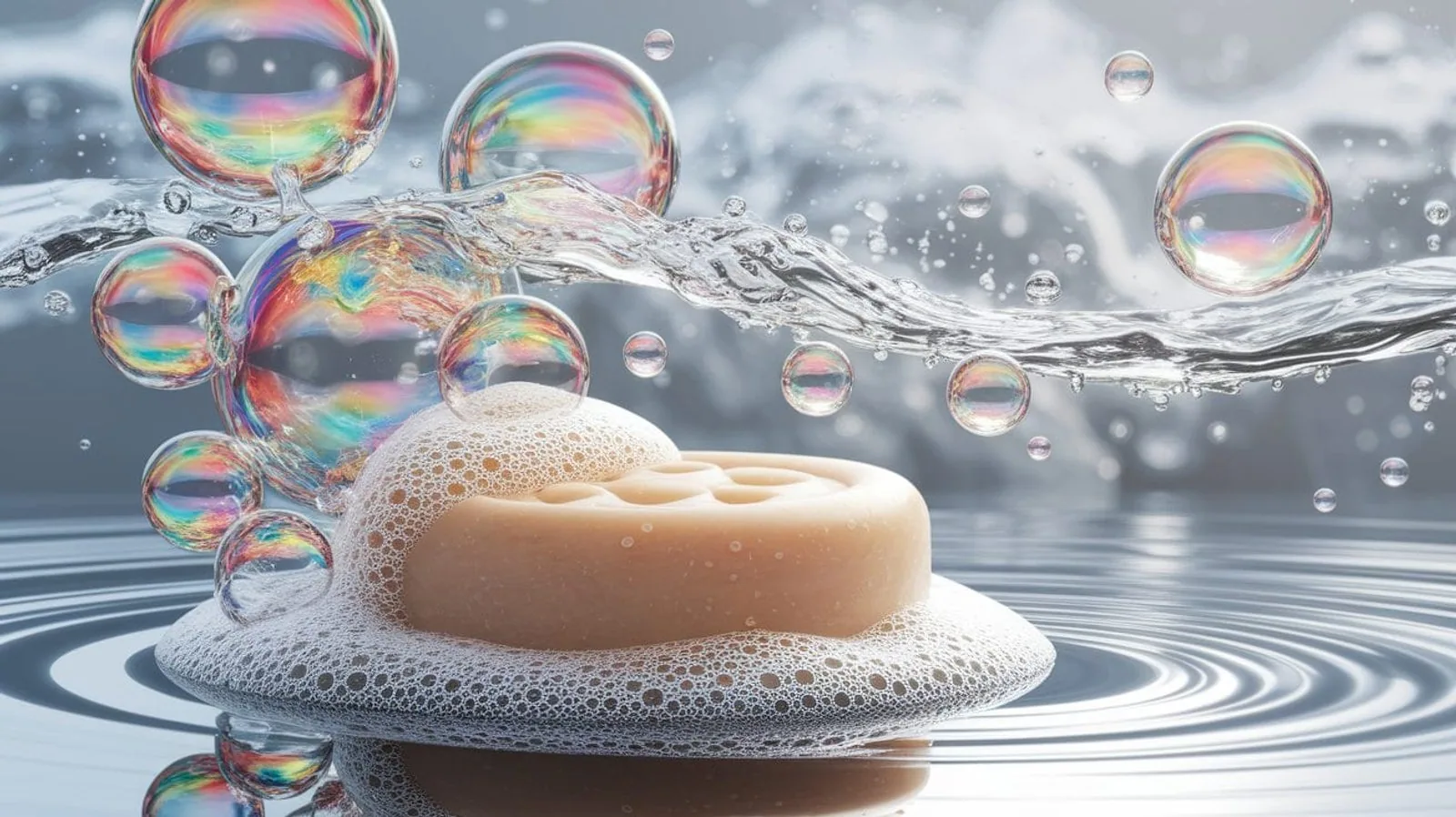
Quick Answer: Soap lather is the foam created when soap molecules reduce water's natural stickiness, or surface tension, allowing air to get trapped and form bubbles. This foam helps…
7 min read →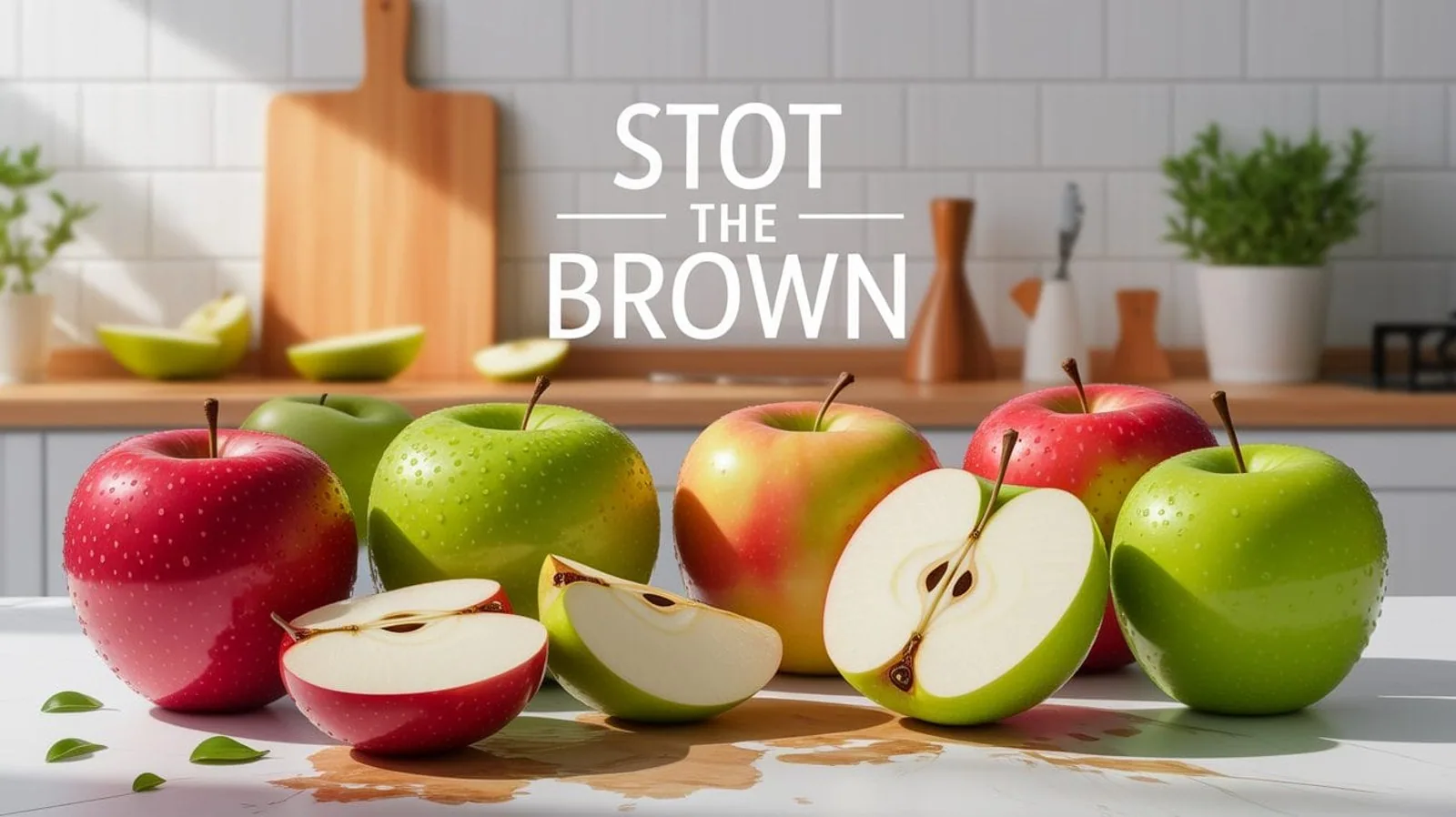
Quick Answer: Apples turn brown when an enzyme inside them, called polyphenol oxidase (PPO), is exposed to oxygen from the air after being cut or bruised. This triggers a chemical…
6 min read →
Quick Answer: Metal conductivity is the remarkable ability of metals to allow electric current to flow through them easily. This happens because metals have a unique structure…
6 min read →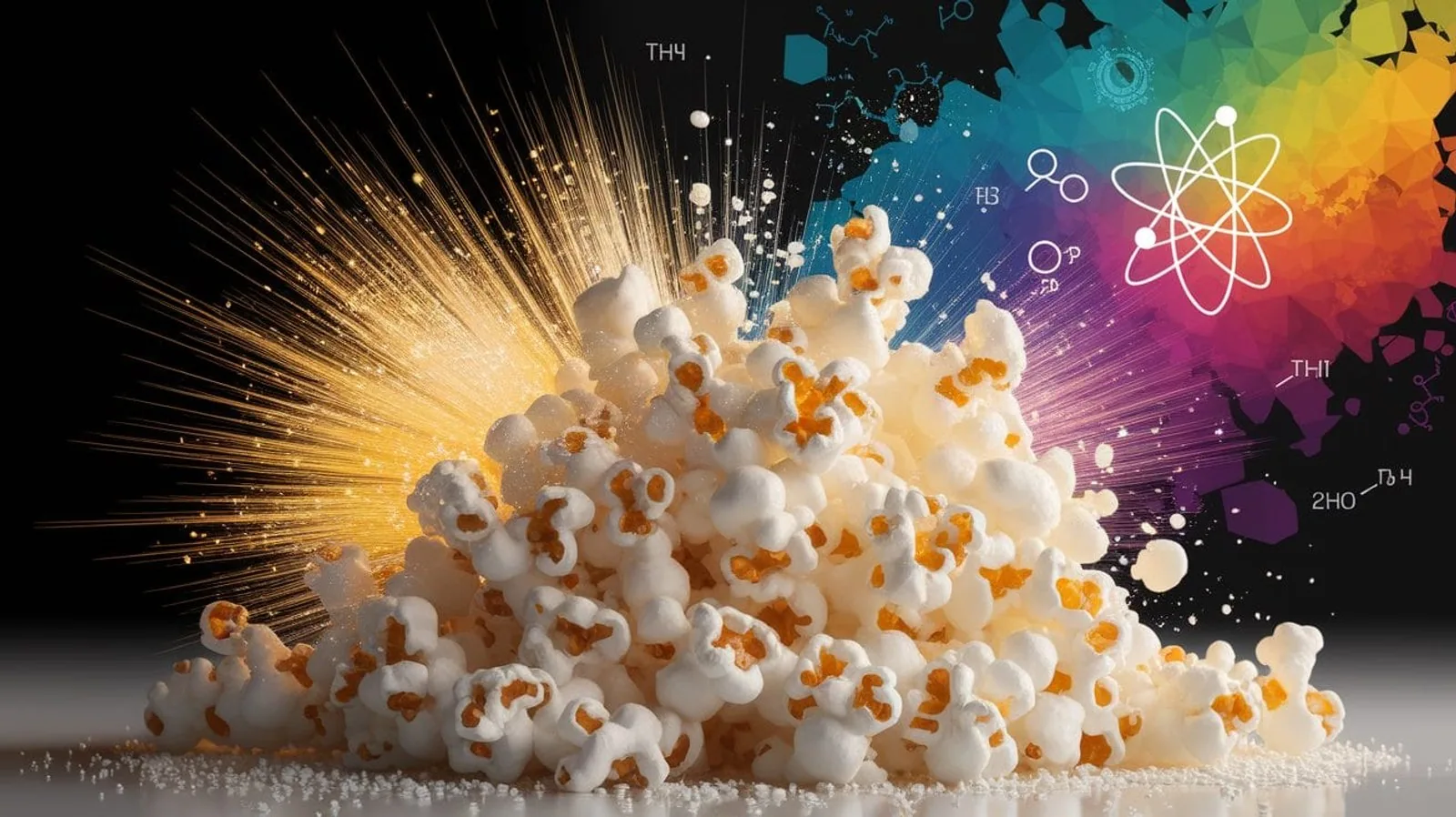
Quick Answer: Popcorn kernels pop when the water inside them turns to steam under heat, building pressure until the hard outer shell ruptures and the starchy interior expands rapidly…
6 min read →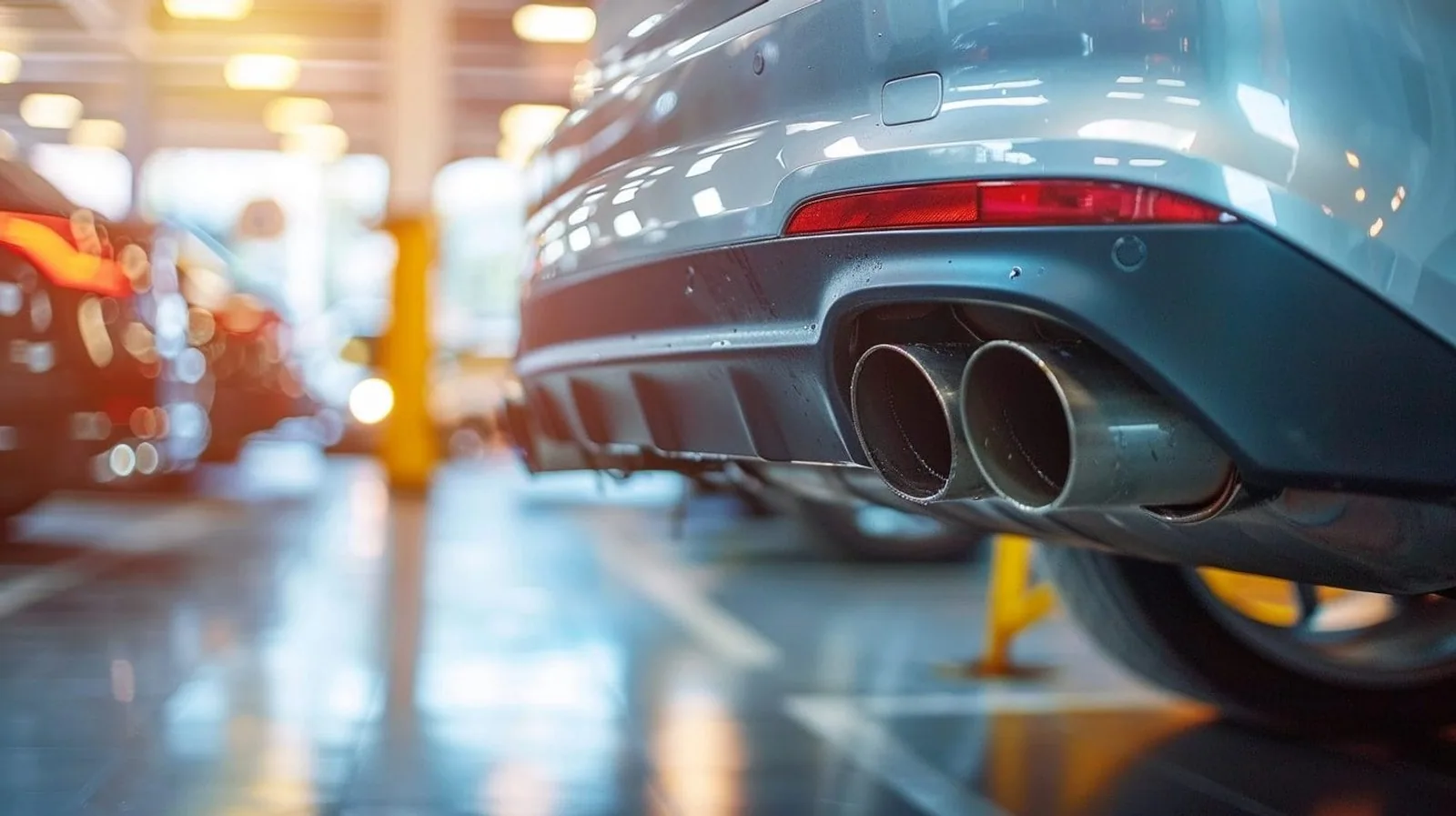
Catalytic converters in cars work to reduce pollution by converting harmful exhaust gases into less harmful substances through chemical reactions. They use precious metals as catalysts…
4 min read →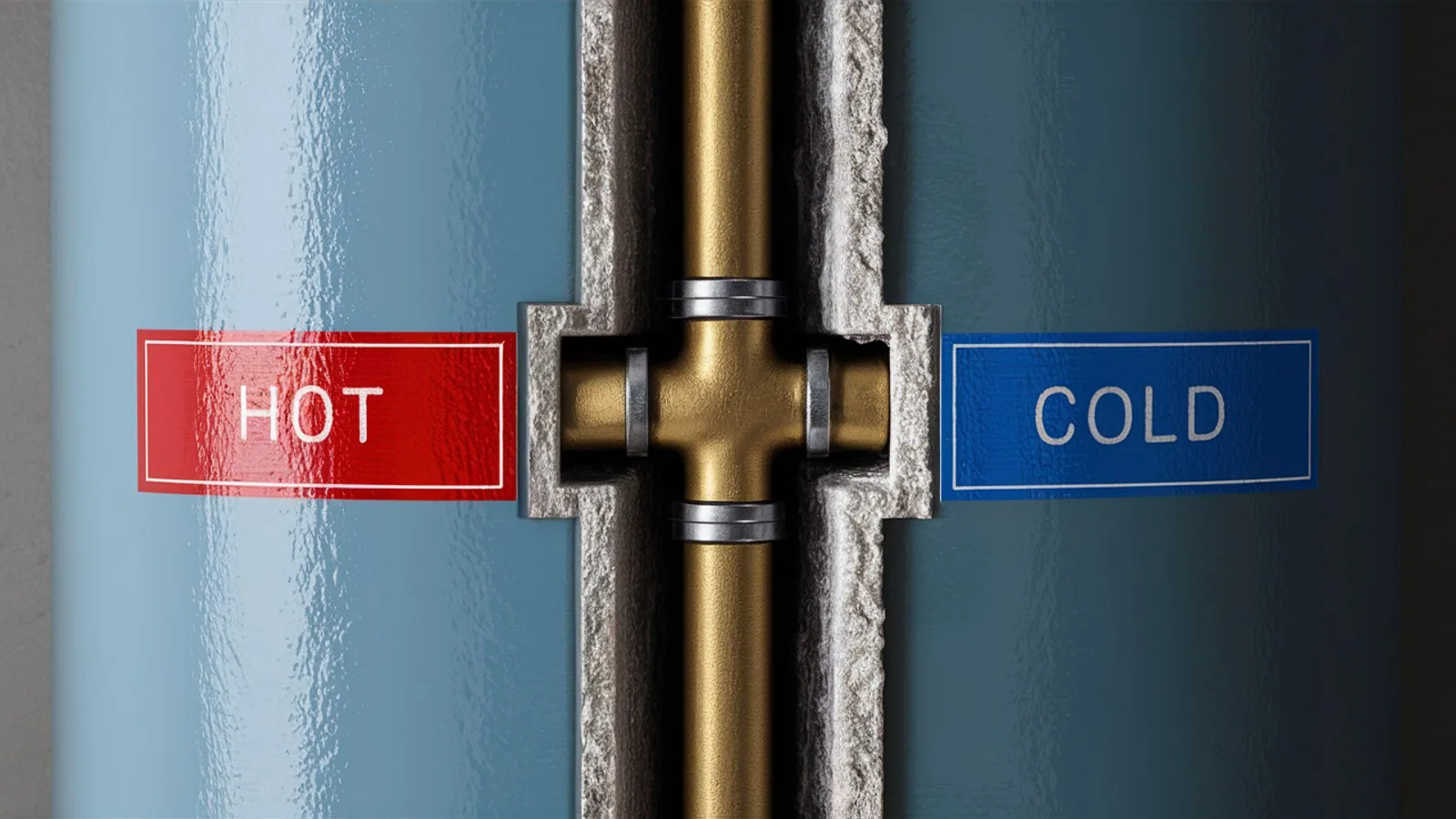
Water heaters keep cold and hot water separated through clever design and the natural properties of water. Most water heaters use a stratification principle, where hot water rises to…
5 min read →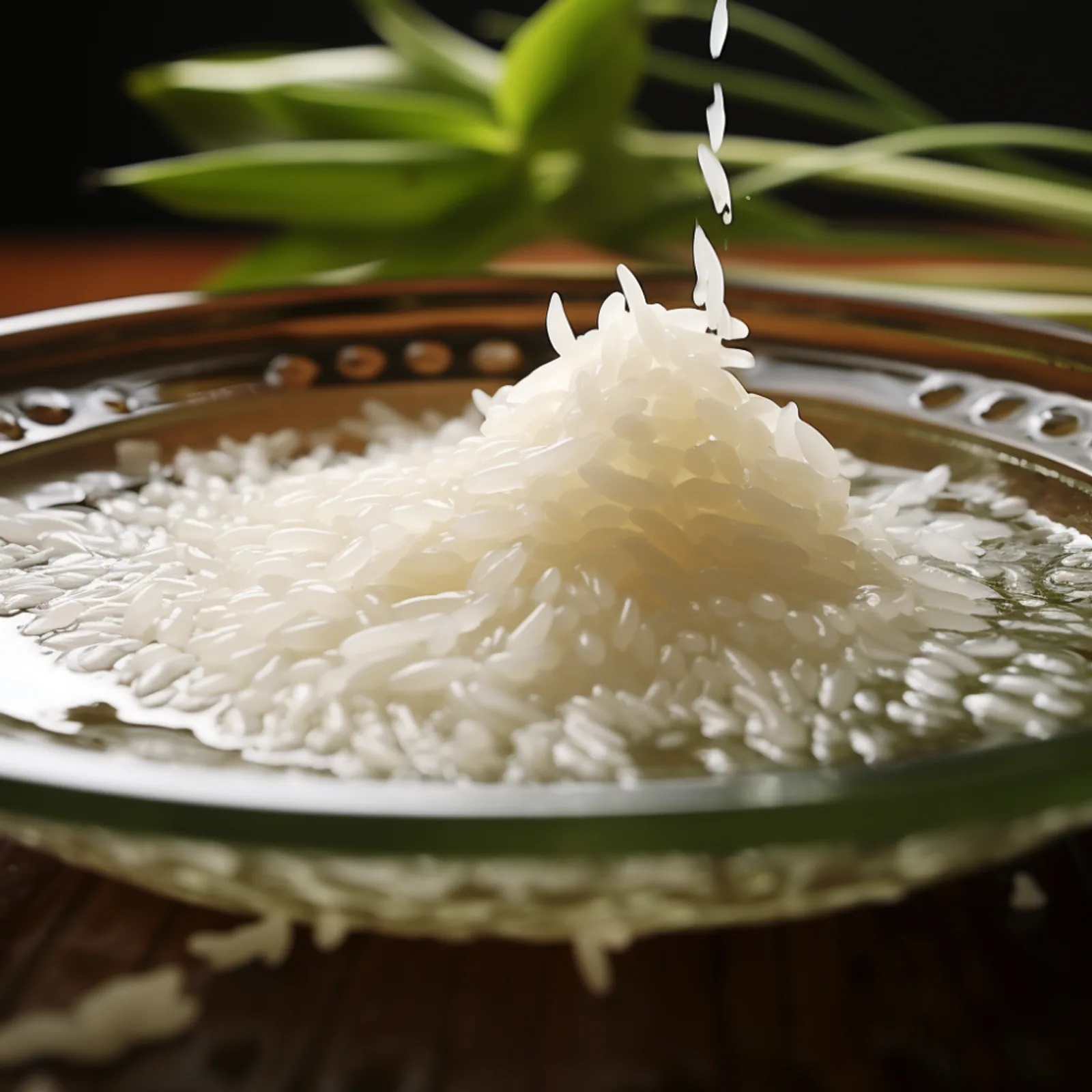
Soaking moves water into rice; cooking adds heat that changes the starch. Hydration and gelatinization explain different parts of its texture.
3 min read →
Chlorine and chloramine keep tap water safe to drink — the smell comes from the disinfectant itself. What it means, and how to reduce it at home if it bothers you.
4 min read →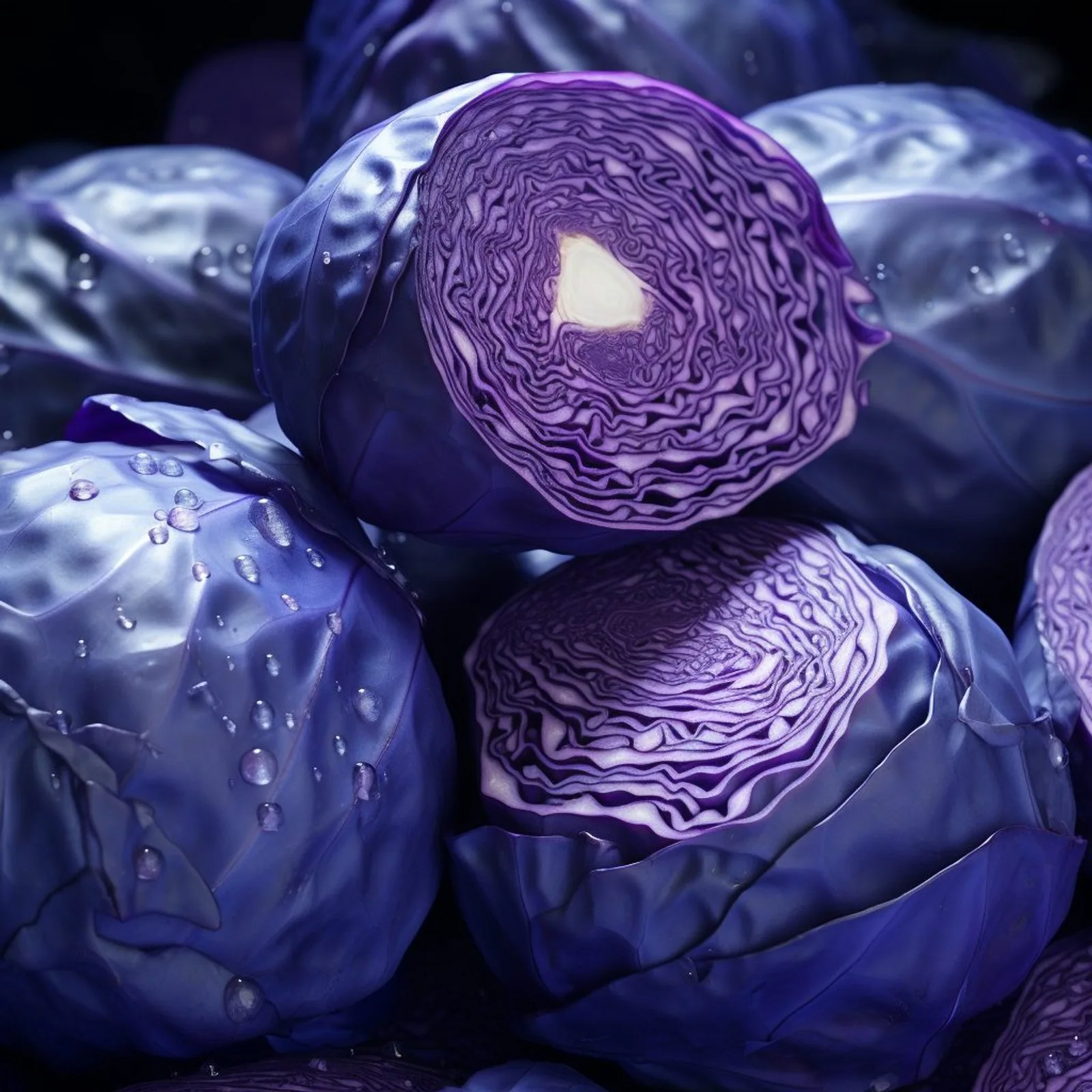
Red cabbage pigments change chemical form with acidity, shifting the colors they absorb and reflect. Cooking conditions affect the shade; red versus blue is not a health ranking.
3 min read →
Water is one of the most important substances on Earth. Without water, life as we know it could not exist. But what exactly makes water so special and important? Let's take a closer…
7 min read →
Visible layers in a micellar cleanser depend on the complete formula and storage conditions. Some products are intentionally biphasic; appearance alone cannot establish safety or…
3 min read →
Unlike most substances that shrink when freezing, water actually expands by approximately 9% when it turns to ice. This happens because water molecules arrange themselves into a rigid…
4 min read →No explanations match that search yet.