
Physics
The Physics of Snowboarding
Discover the exhilarating physics behind snowboarding, from gravity's pull to angular momentum in aerial tricks. Learn how scientific principles can improve your performance on the…
5 min read →
Follow forces, fields, energy, motion, sound, light, and electricity through the ordinary world.
Discover the exhilarating physics behind snowboarding, from gravity's pull to angular momentum in aerial tricks. Learn how scientific principles can improve your performance on the…
5 min read →
Discover why ice sometimes vanishes without melting through sublimation. Learn how humidity, air flow, and surface area affect how quickly ice transforms directly from solid to gas.
6 min read →
Discover how thermal expansion makes materials change size with temperature, why it matters in engineering, and how it affects everyday objects from bridges to thermostats.
6 min read →
Discover how water transforms into ice through molecular bonding, nucleation, and crystallization. Learn about supercooling, why ice floats, and how environmental factors influence…
5 min read →
Discover how heat transforms ice through specific phases, from raising temperature to melting at 0°C. Learn about heat transfer mechanisms, factors affecting melting rate, and ice's…
6 min read →
Discover how heat damages battery performance by accelerating chemical degradation, increasing resistance, and risking thermal runaway—plus practical tips to protect your devices.
5 min read →
Quick Answer: Ultrasonic cleaners use high-frequency sound waves in a liquid to create microscopic bubbles that scrub away dirt and grime. The magic happens through a process called…
3 min read →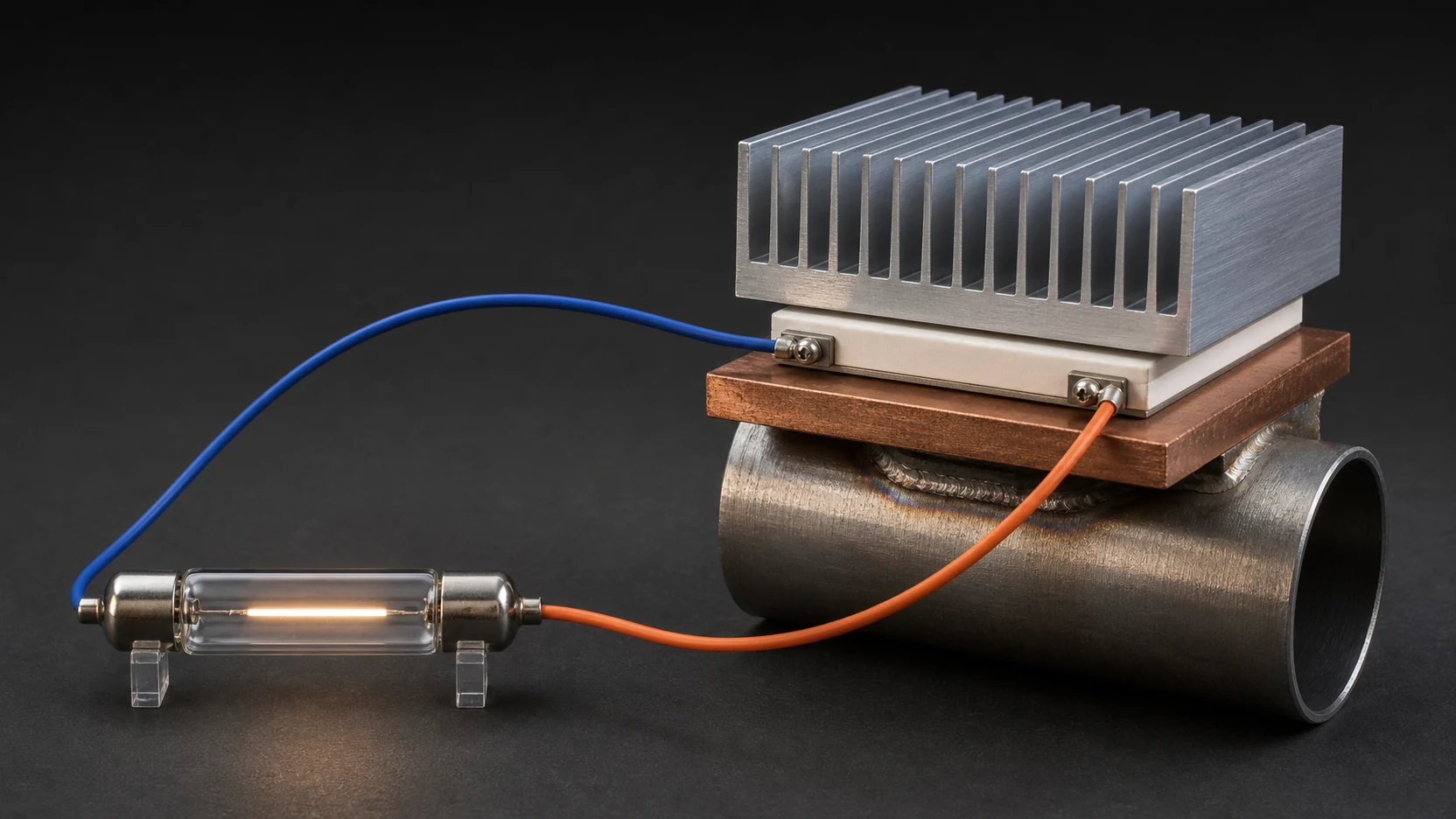
Quick Answer: Thermoelectric generators turn heat directly into electricity using the fascinating Seebeck effect. With no moving parts, they transform temperature differences into…
4 min read →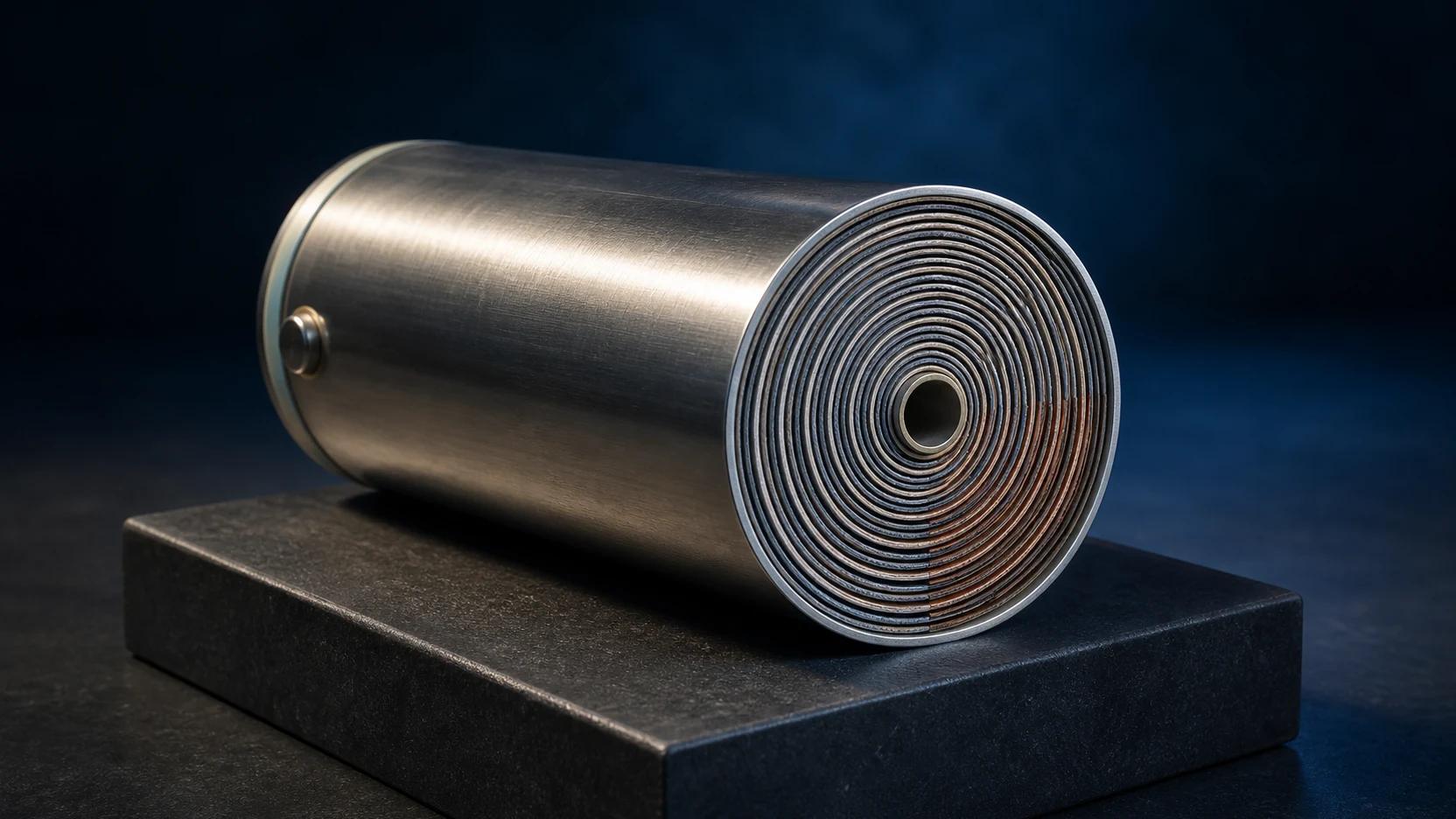
Quick Answer: Batteries lose capacity over time mainly because their internal chemistry and physical structure change during use and storage. These changes make it harder for them to…
4 min read →
Quick Answer: Wireless charging transfers energy from a charging pad or station to your device without a physical cable, using electromagnetic induction. A magnetic field links a…
4 min read →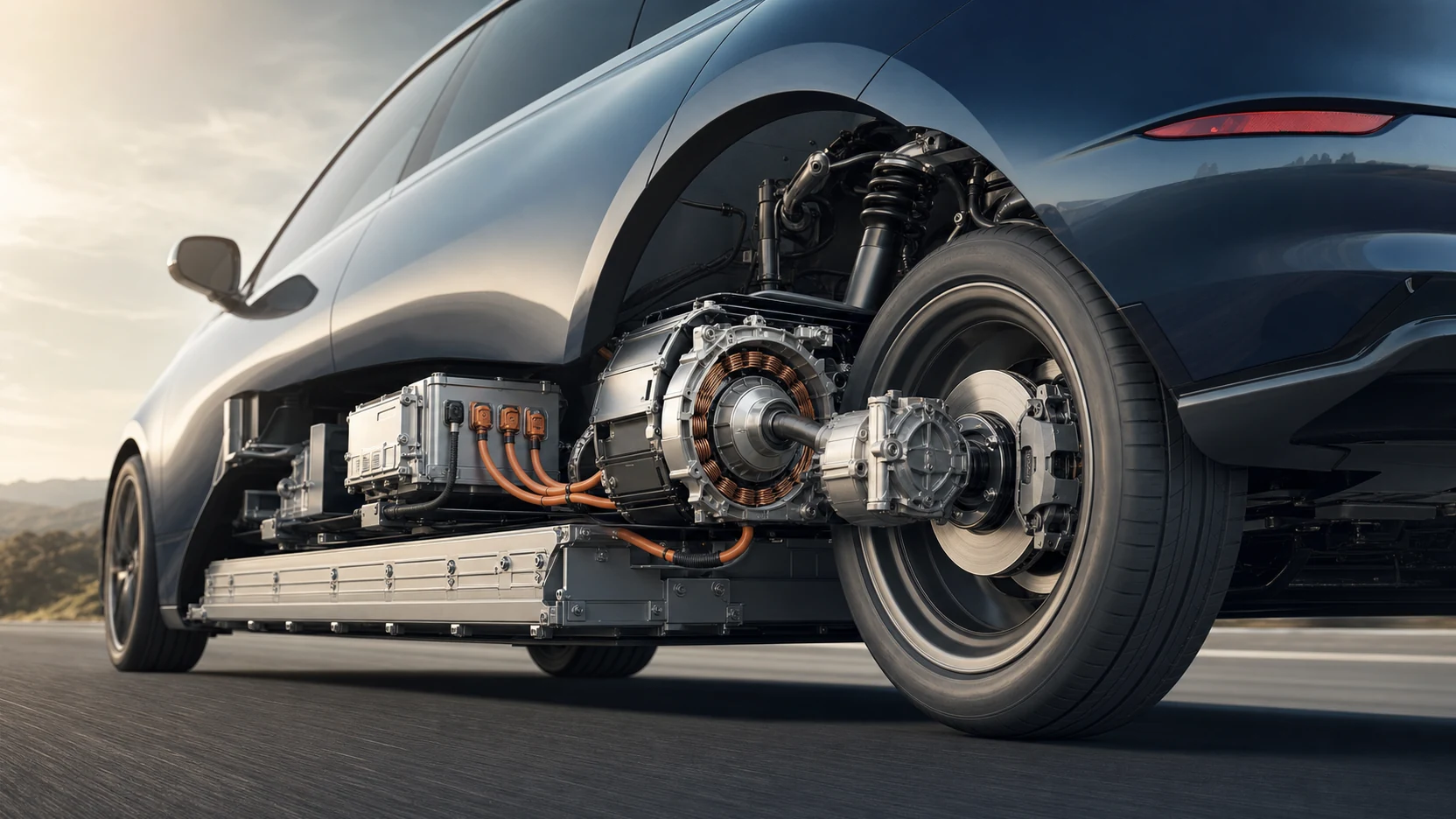
Quick Answer: Regenerative braking lets cars recapture energy when slowing down, turning it into electricity instead of losing it as heat. This stored energy can be reused to power the…
3 min read →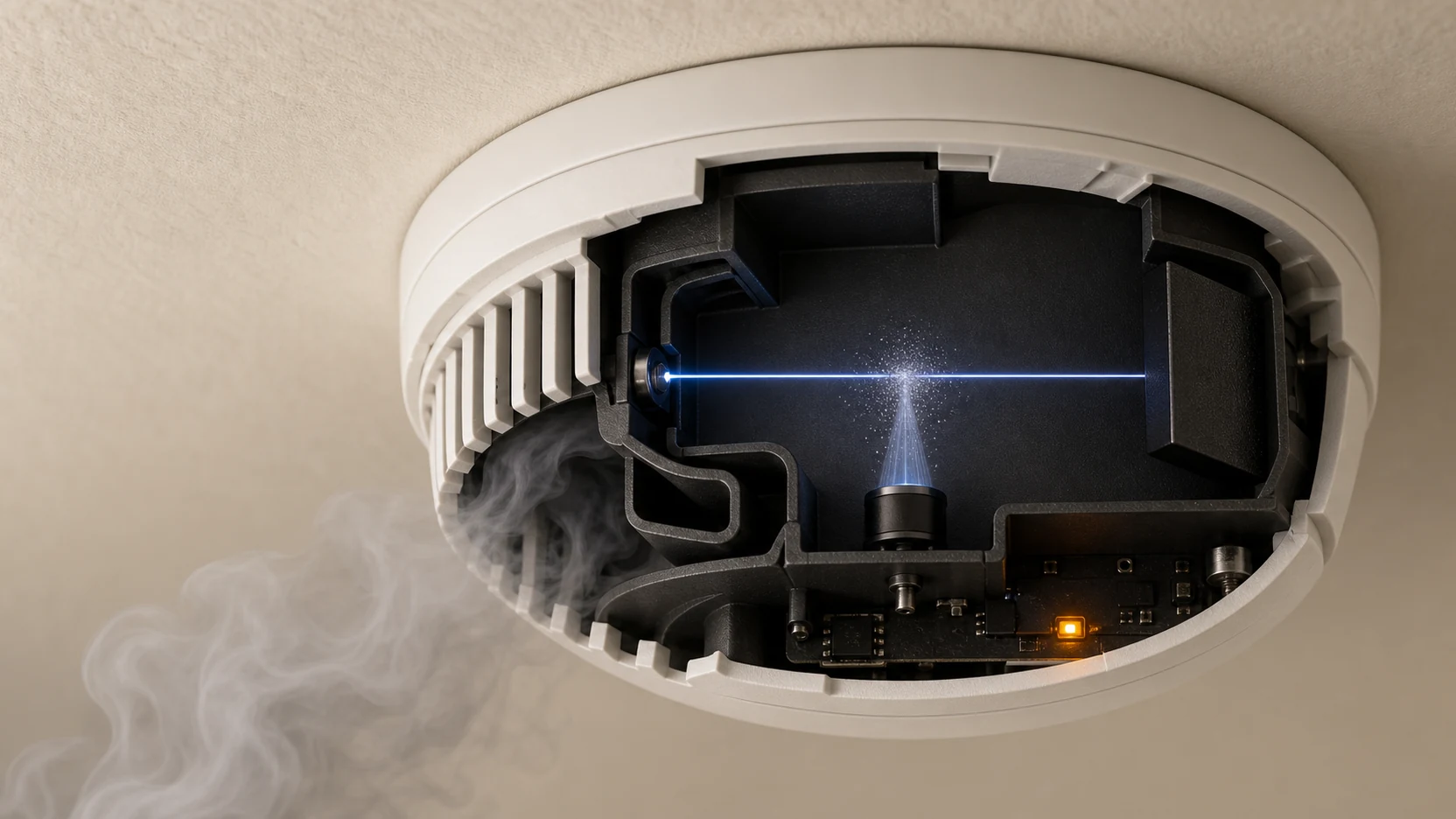
Quick Answer: Smoke detectors sense dangerous particles in the air using either ionization or photoelectric technology, instantly triggering an alarm to alert you. By placing them…
4 min read →
Quick Answer: A magnetic compass works by using a small magnetized needle that aligns with Earth’s magnetic field, pointing toward magnetic north. This simple but powerful tool…
4 min read →
Quick Answer: LiDAR (Light Detection and Ranging) uses laser pulses to measure distances with pinpoint accuracy, creating detailed 3D maps known as point clouds. By timing how long…
4 min read →
Quick Answer: Smartphones overheat when heat generated inside the device – from things like heavy app usage, charging, faulty software, or malware – builds up faster than it can be…
4 min read →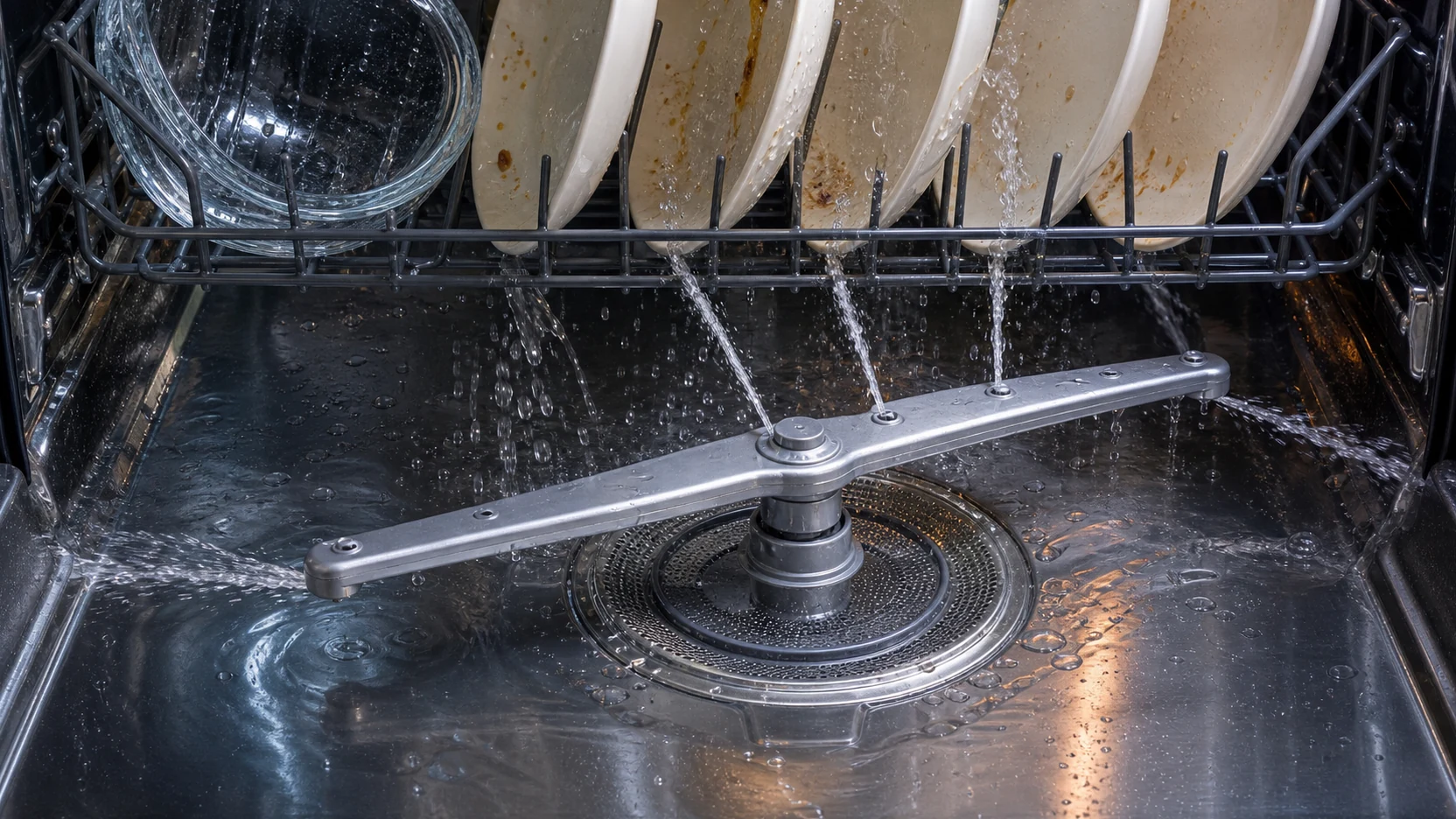
Quick Answer: Dishwashers clean by spraying hot water mixed with detergent through rotating arms to remove food and grease, then rinsing and drying for a sparkling finish. The process…
4 min read →
Quick Answer: A thermostat is like your home’s temperature coach—constantly checking the room’s warmth or coolness and telling your heating or cooling system when to switch on or off.…
4 min read →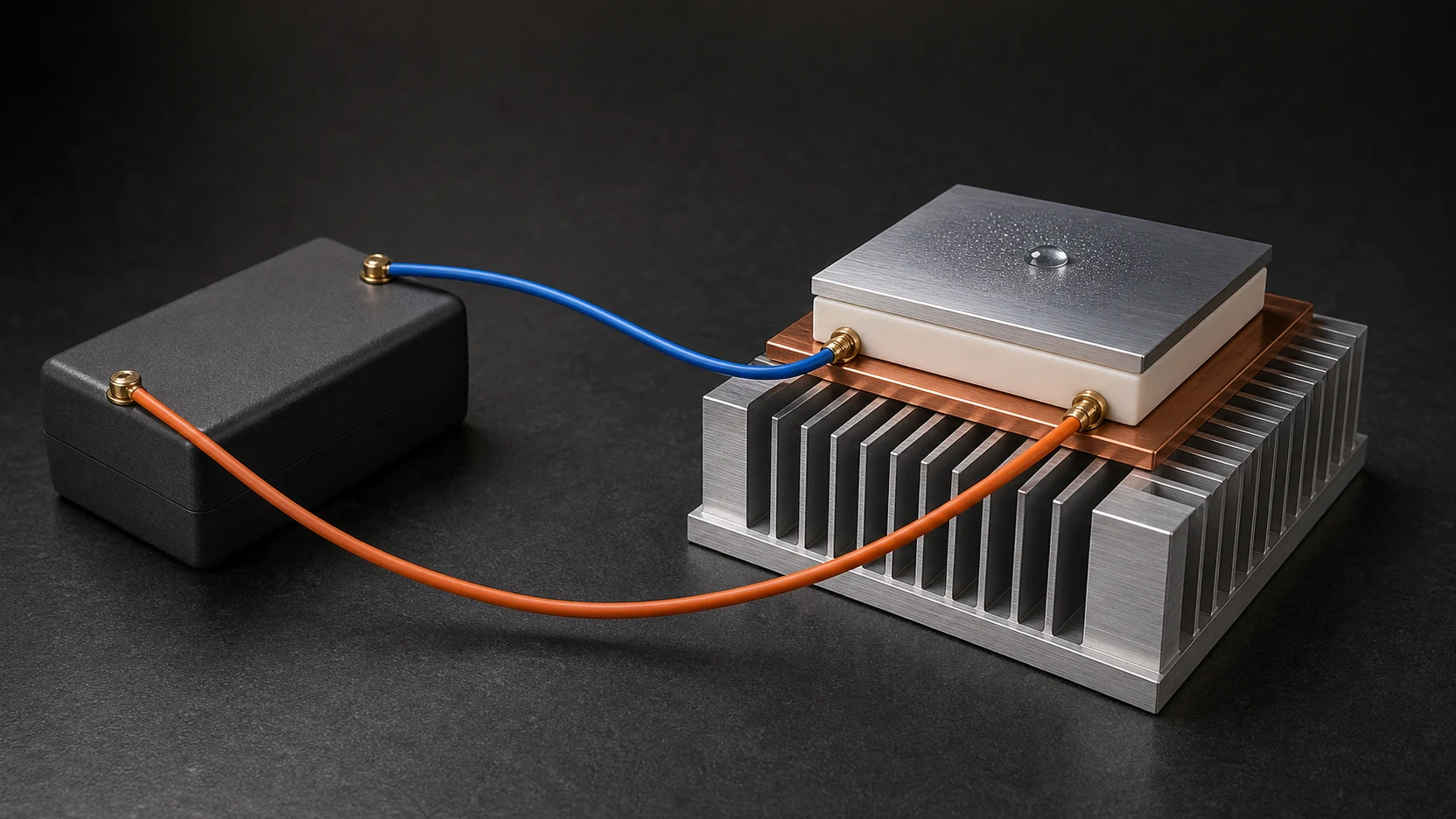
Quick Answer: Peltier devices are clever solid-state heat pumps that use electricity to move heat from one side to another, creating a hot side and a cold side. They work silently, have…
4 min read →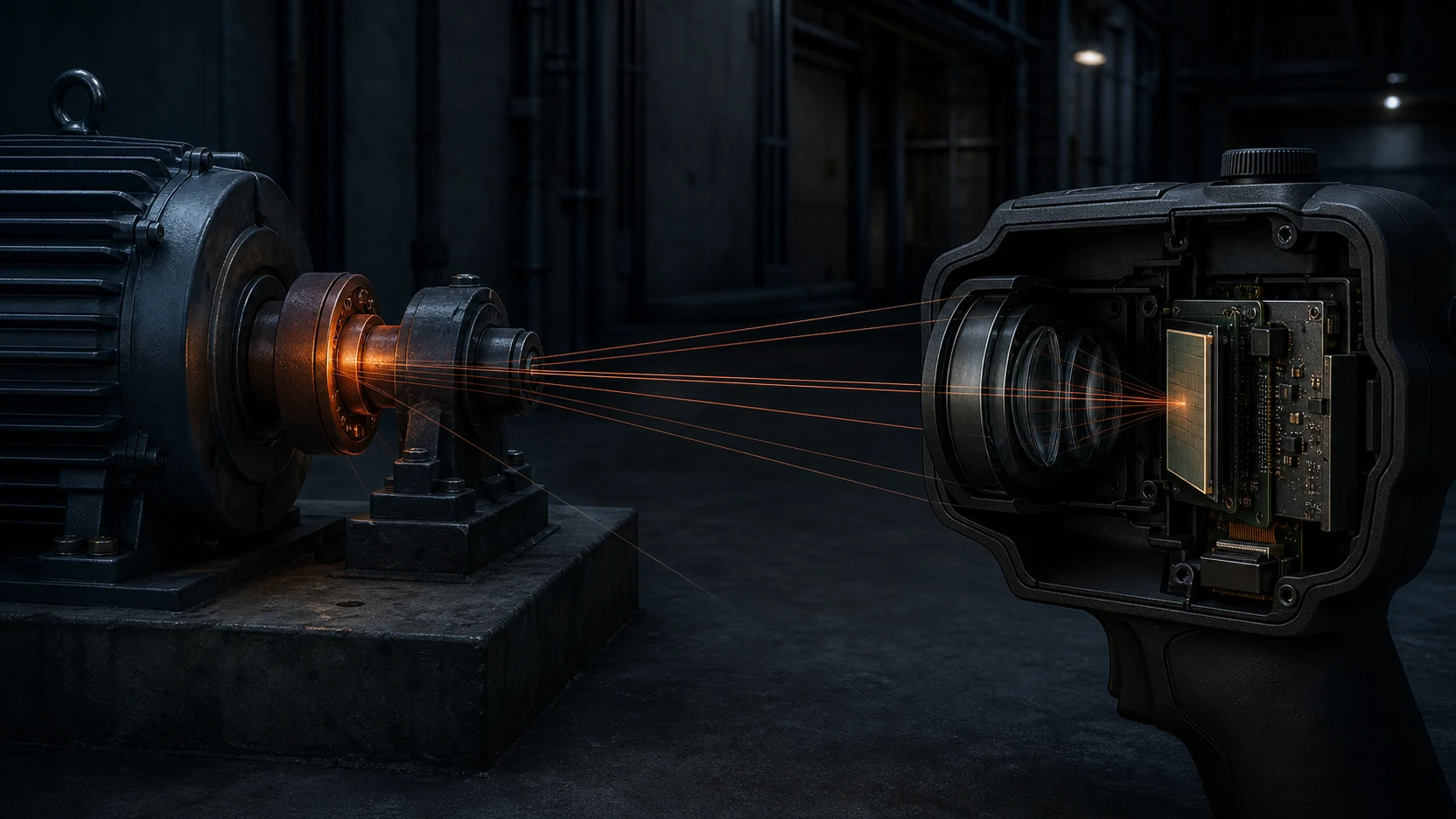
Thermal cameras don’t need light to “see.” Instead, they detect infrared radiation —the heat energy emitted by objects—and convert it into images showing temperature differences. This…
3 min read →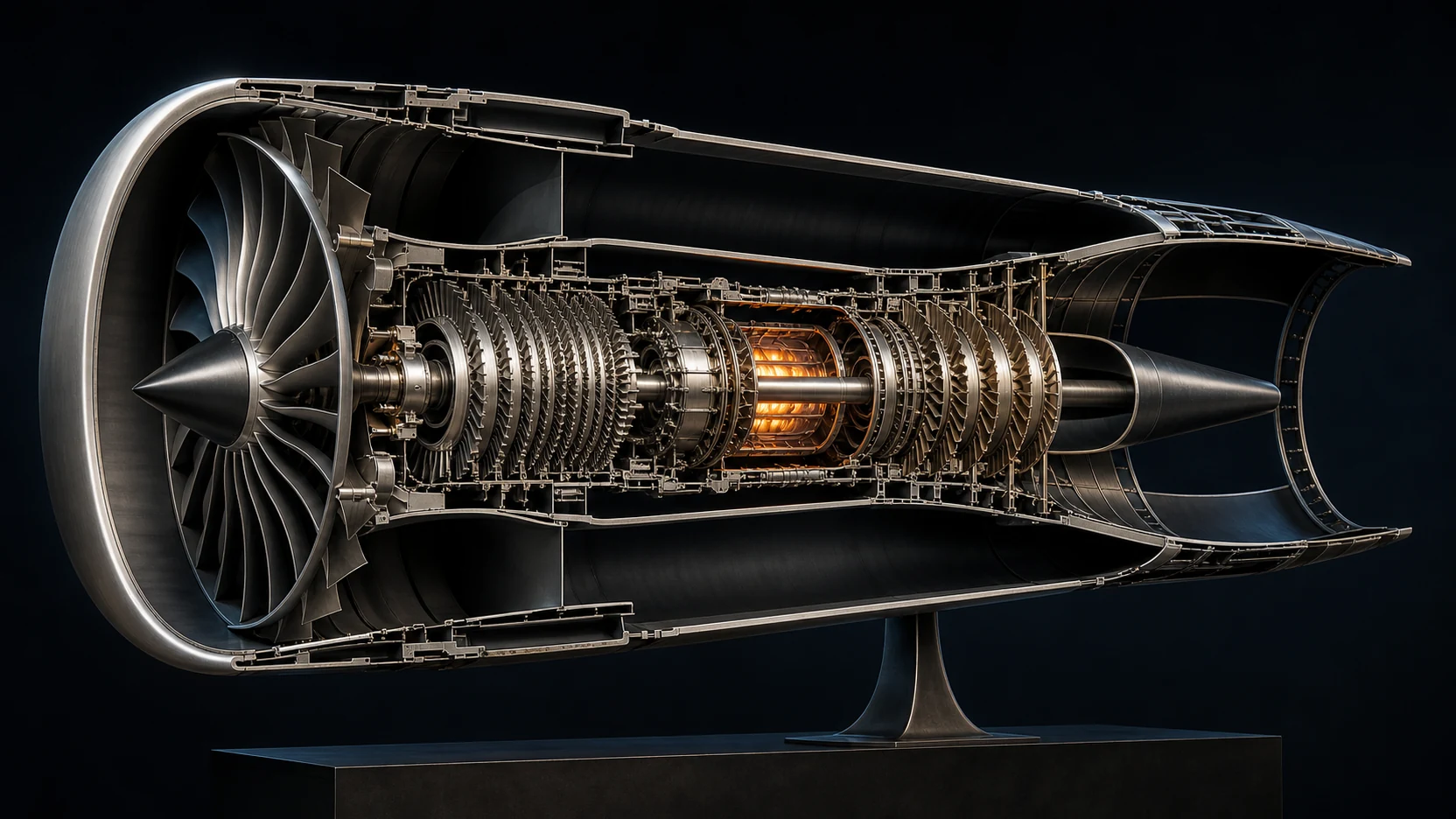
Jet engines create thrust by rapidly accelerating air backwards, which pushes the aircraft forwards through Newton’s third law of motion. Air is drawn in, compressed, mixed with fuel…
3 min read →
Quick Answer: Snow sparkles because its surface is covered with countless ice crystals that act like tiny mirrors and prisms, reflecting and bending sunlight. Under the right…
3 min read →
Quick Answer: Fiber-optic data transmission uses pulses of light to rapidly carry huge amounts of information over thin glass or plastic fibers. It’s faster, cleaner, and more reliable…
4 min read →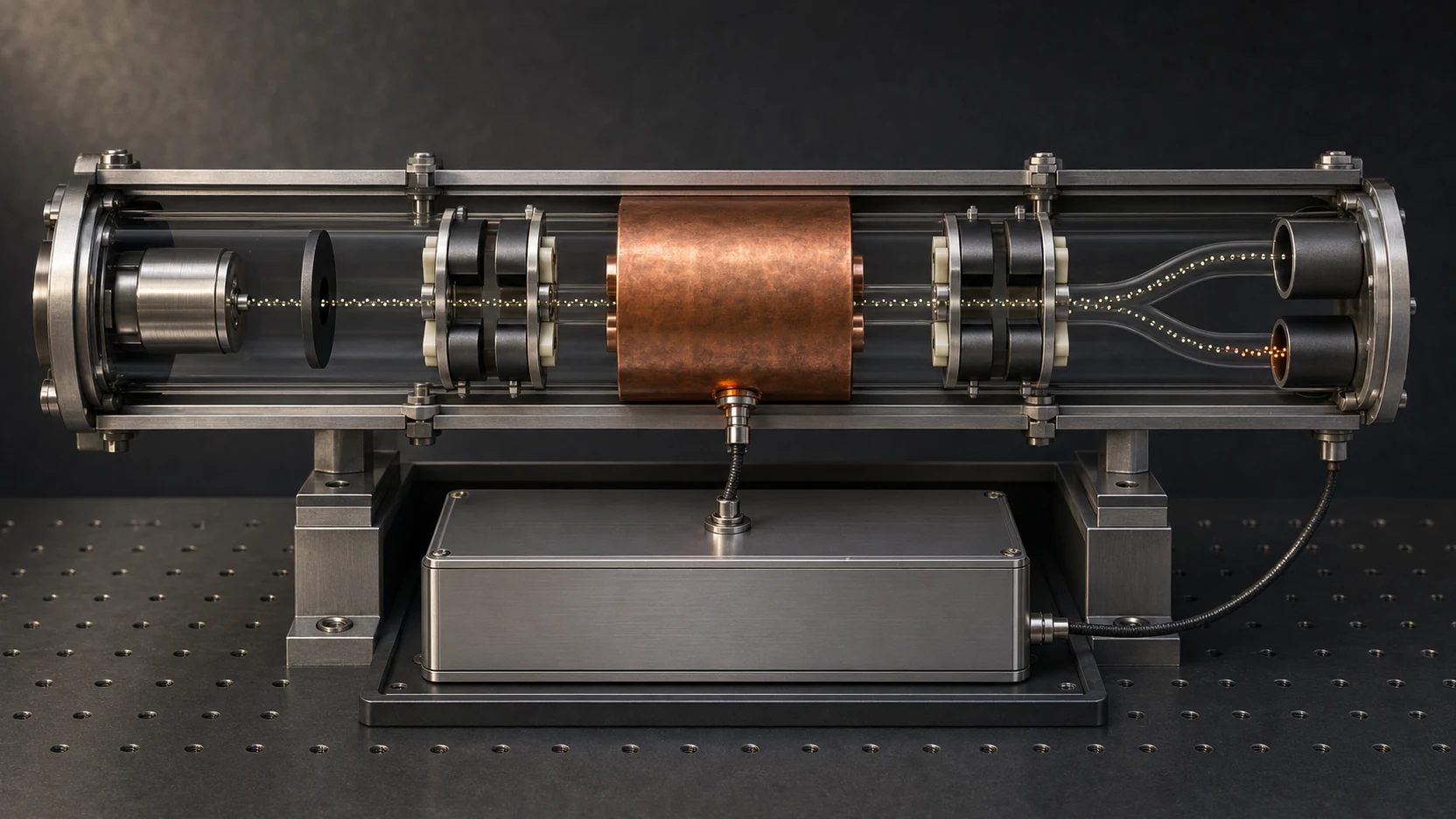
Atomic clocks use an atomic transition to regulate an oscillator. Their remarkable precision still comes with measurement uncertainty and environmental effects.
4 min read →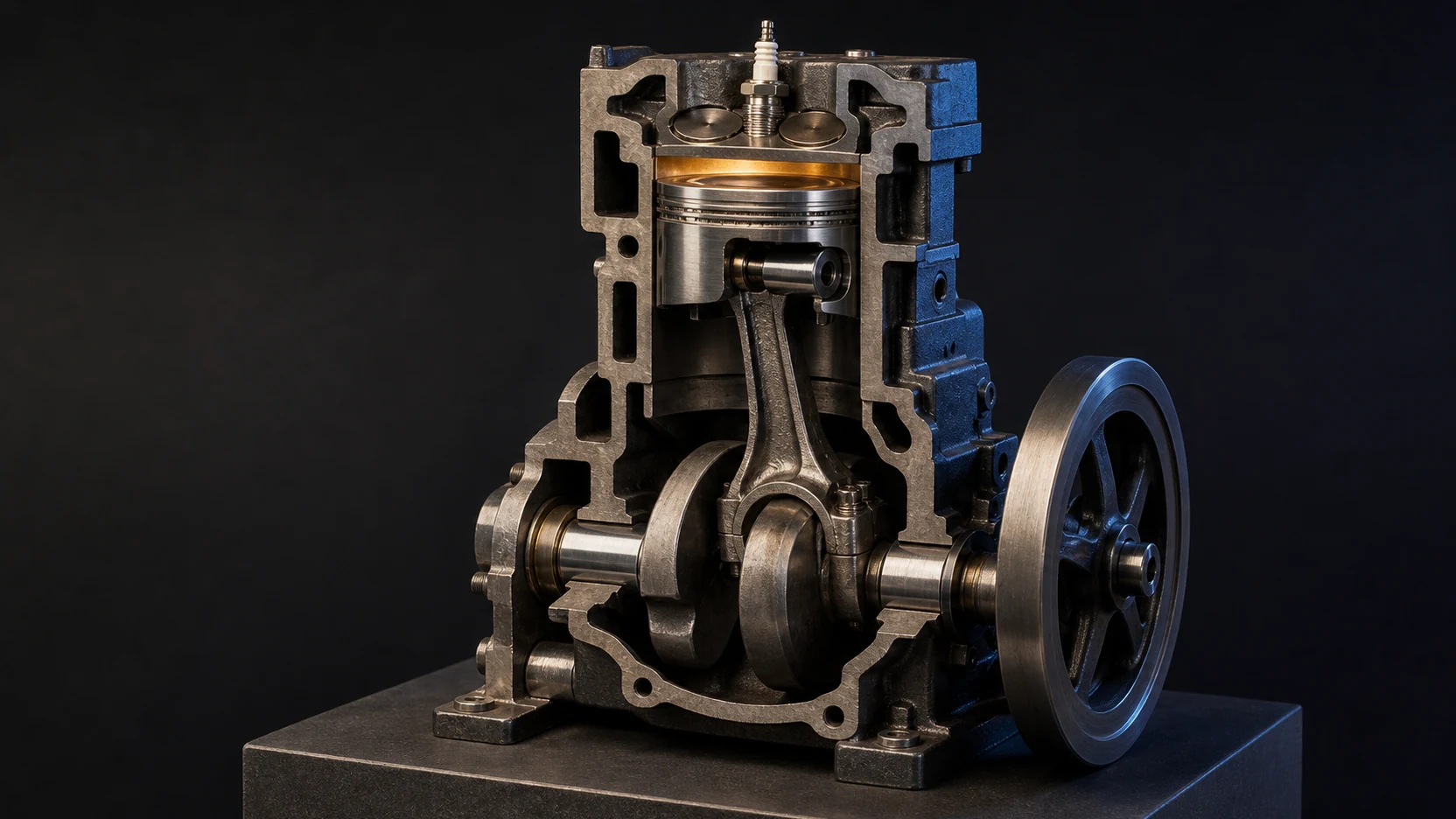
Quick Answer: An internal combustion engine burns fuel inside a chamber to create high-pressure gases that push pistons, turning a crankshaft and ultimately powering a vehicle. Most car…
4 min read →
Quick Answer: Thermocouples are rugged temperature sensors that work by generating a voltage when two different metals meet at different temperatures. They’re inexpensive…
4 min read →
Quick Answer: Metals glow when they’re heated because their atoms vibrate more intensely, releasing thermal radiation . As the temperature rises, the peak wavelength of this radiation…
4 min read →
Quick Answer: LEDs, or light-emitting diodes, turn electricity directly into light using a semiconductor process called electroluminescence. When electrons and holes meet in a p-n…
3 min read →
A heat pump moves heat rather than creating it, making it a highly energy-efficient way to keep your home warm in winter and cool in summer. By using a clever refrigeration cycle, this…
3 min read →
Quick Answer: Soundproofing works by stopping sound energy from traveling between spaces. Sound travels as vibrations through air and through solid structures, so effective…
3 min read →
Quick Answer: Ice skates glide so smoothly because the blade creates a microscopically thin layer of water on the ice surface. This slippery film is formed by heat from friction and…
3 min read →
Quick Answer: Airplane wings generate lift by pushing air downward and creating pressure differences between their upper and lower surfaces. This is achieved through the wing’s shape…
4 min read →
Quick Answer: X-ray machines work by sending a controlled beam of high-energy electromagnetic radiation through the body. Different tissues absorb this radiation differently, and…
4 min read →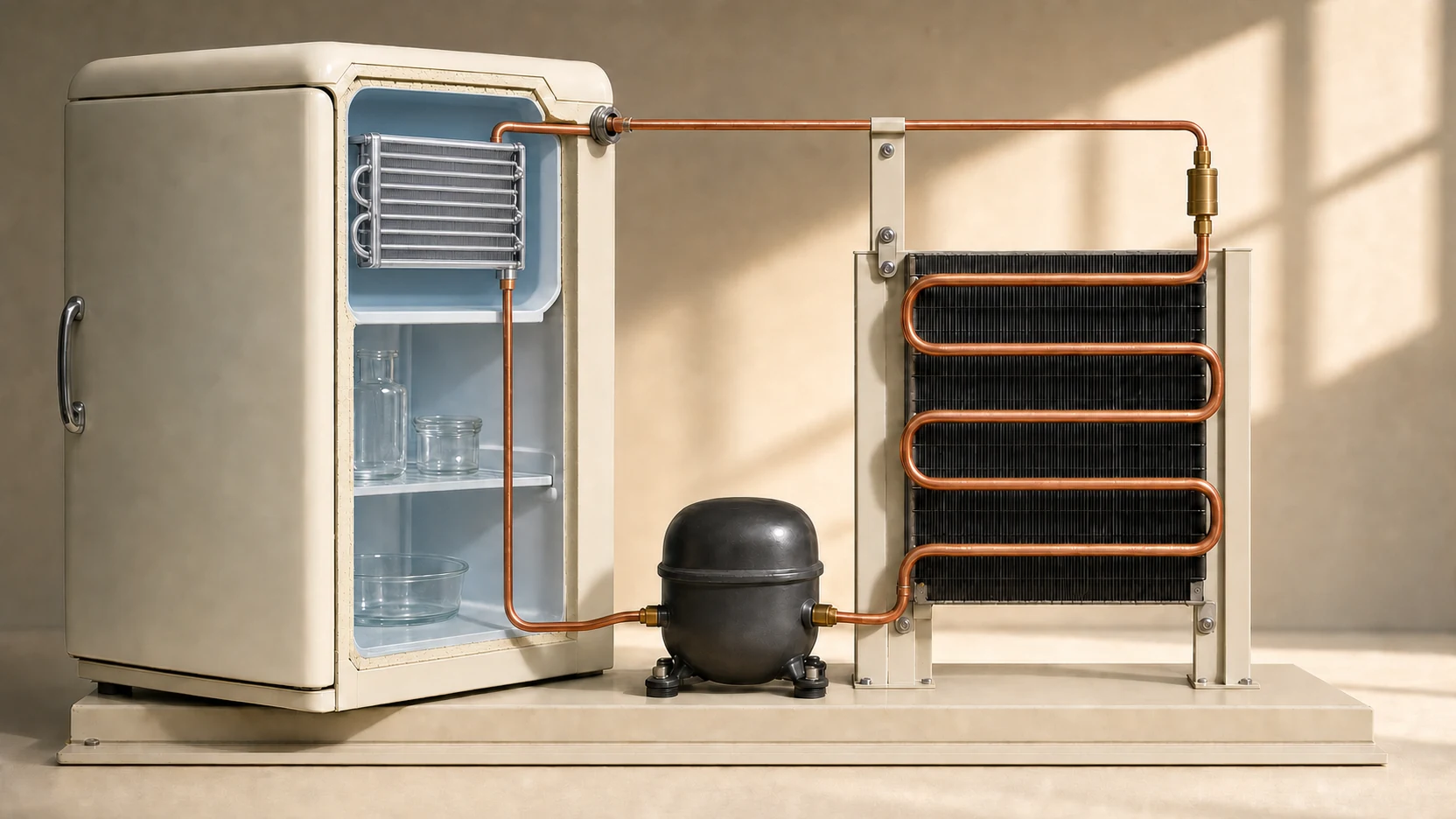
In simple terms, refrigerators work by moving heat out of their interiors rather than directly making things “cold.” They use a clever cycle with a special fluid called a refrigerant to…
3 min read →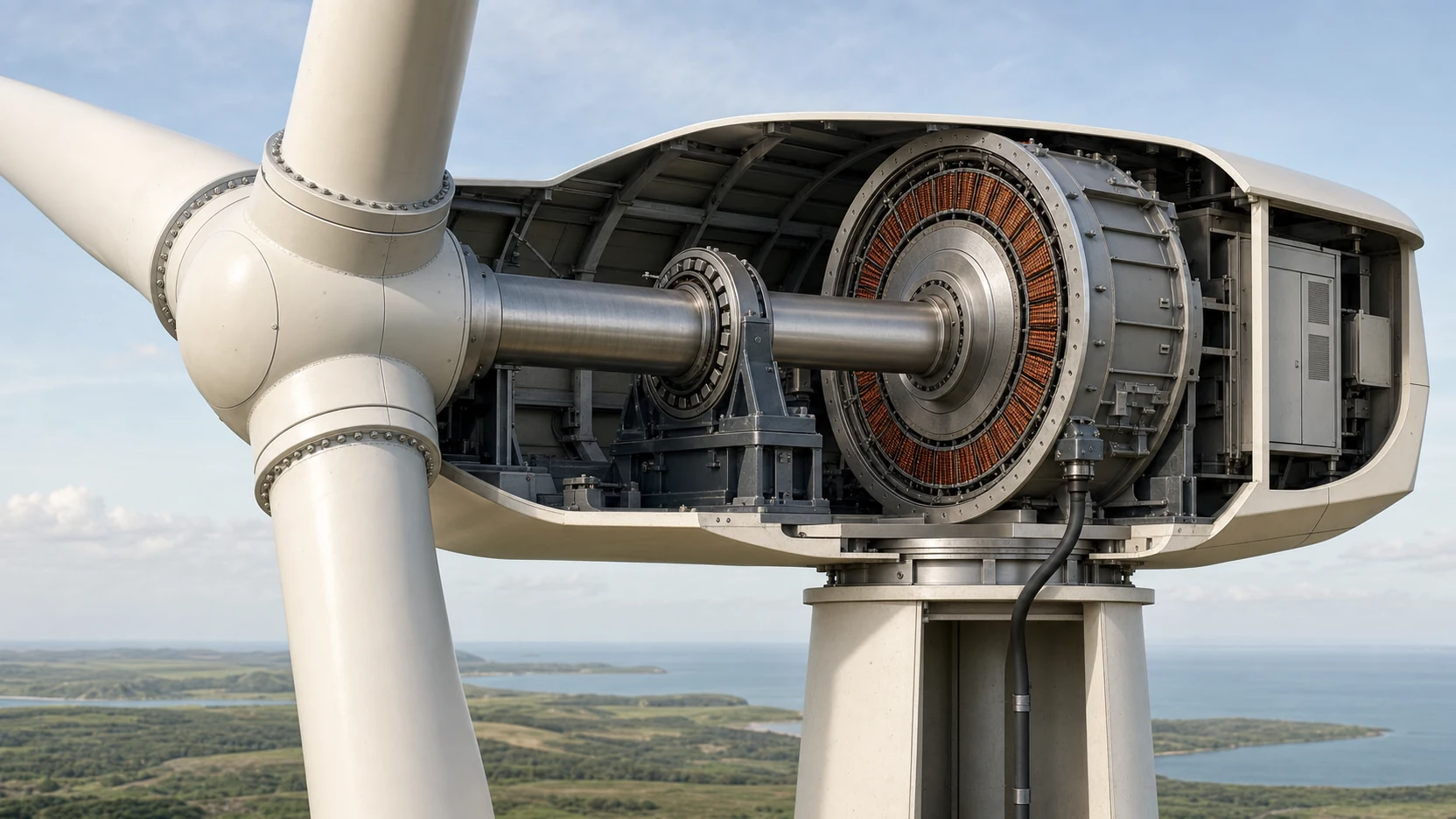
Wind turbines turn moving air into electricity by capturing the wind’s kinetic energy with rotating blades, transferring that motion through mechanical parts, and finally converting it…
3 min read →
Quick Answer: Double-pane windows keep your home warm by using two layers of glass separated by a sealed space filled with air or an insulating gas like argon or krypton. This setup…
4 min read →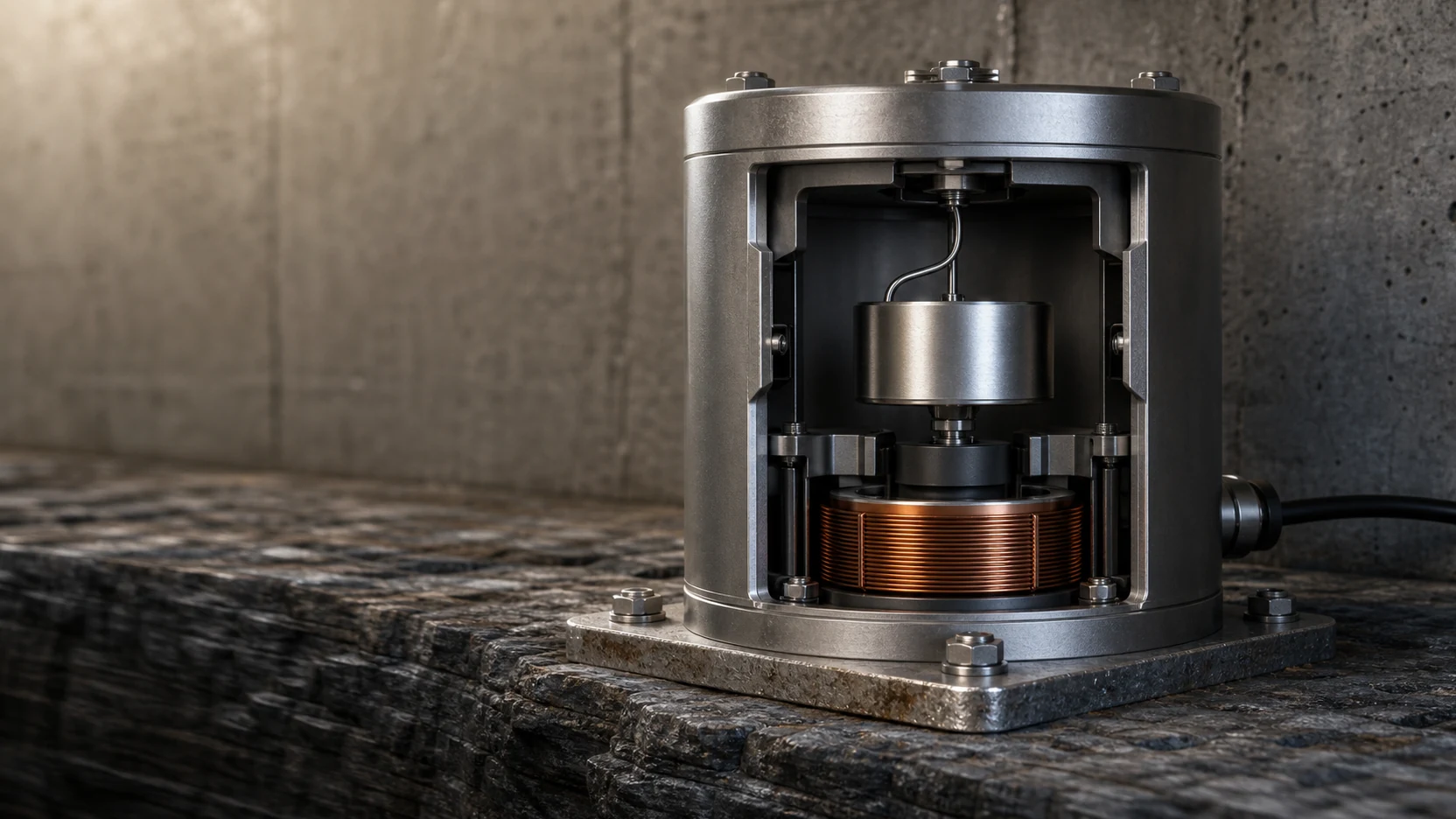
Quick Answer: A seismograph detects earthquakes by exploiting inertia: a heavy mass suspended from a frame stays still while the ground — and the frame — moves during an earthquake.…
3 min read →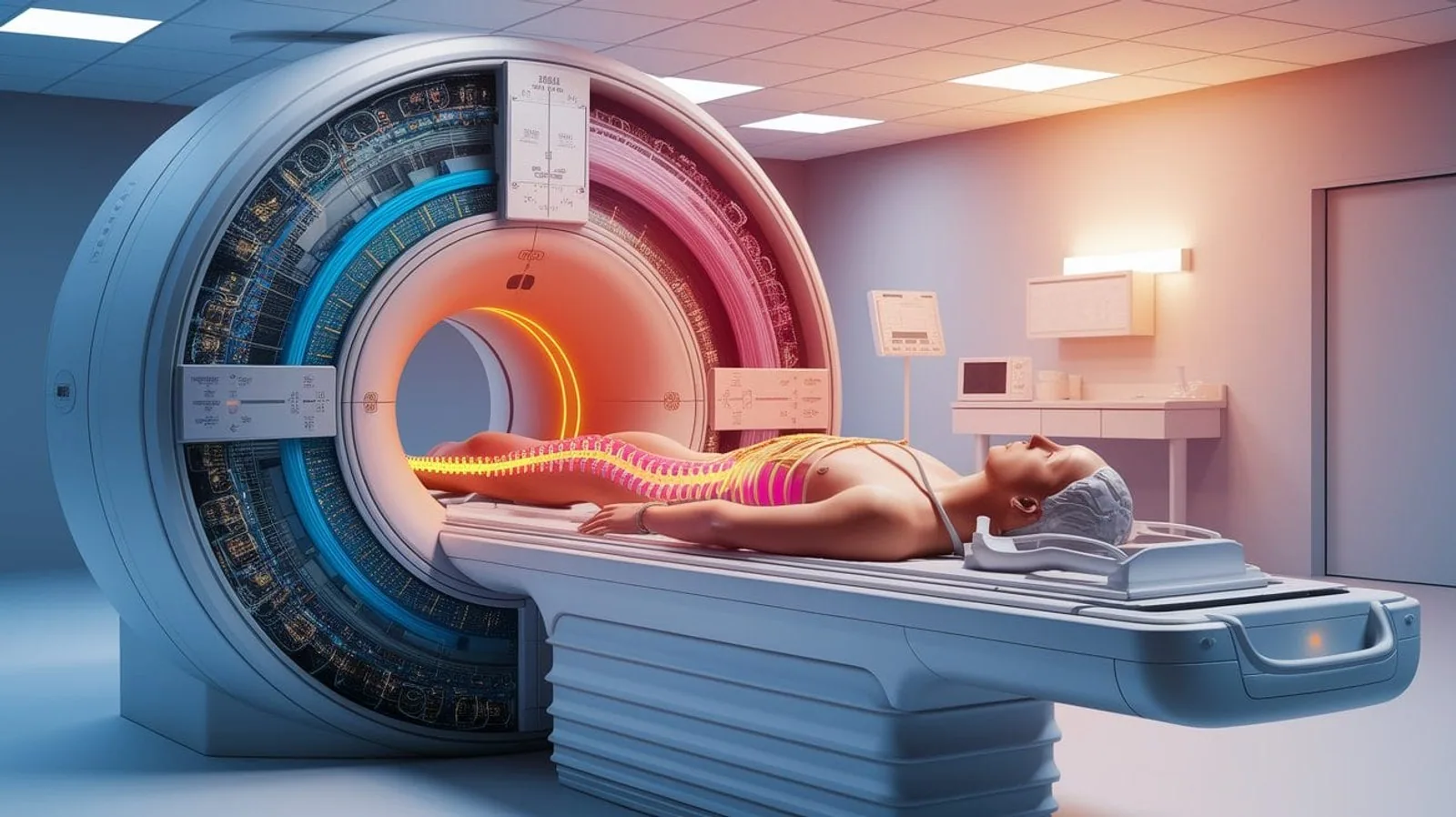
Quick Answer: MRI machines use powerful magnets and radio waves to make detailed images of the inside of the body. They work by aligning hydrogen protons in tissues, exciting them with…
4 min read →
Quick Answer: Submarines control their buoyancy — the force that makes them float or sink — using specially designed tanks that can hold either air or water. By carefully managing these…
4 min read →
Quick Answer: QR codes are like pixelated puzzle squares that store information in patterns of black and white modules. Your phone’s camera or a QR scanner reads these patterns to…
4 min read →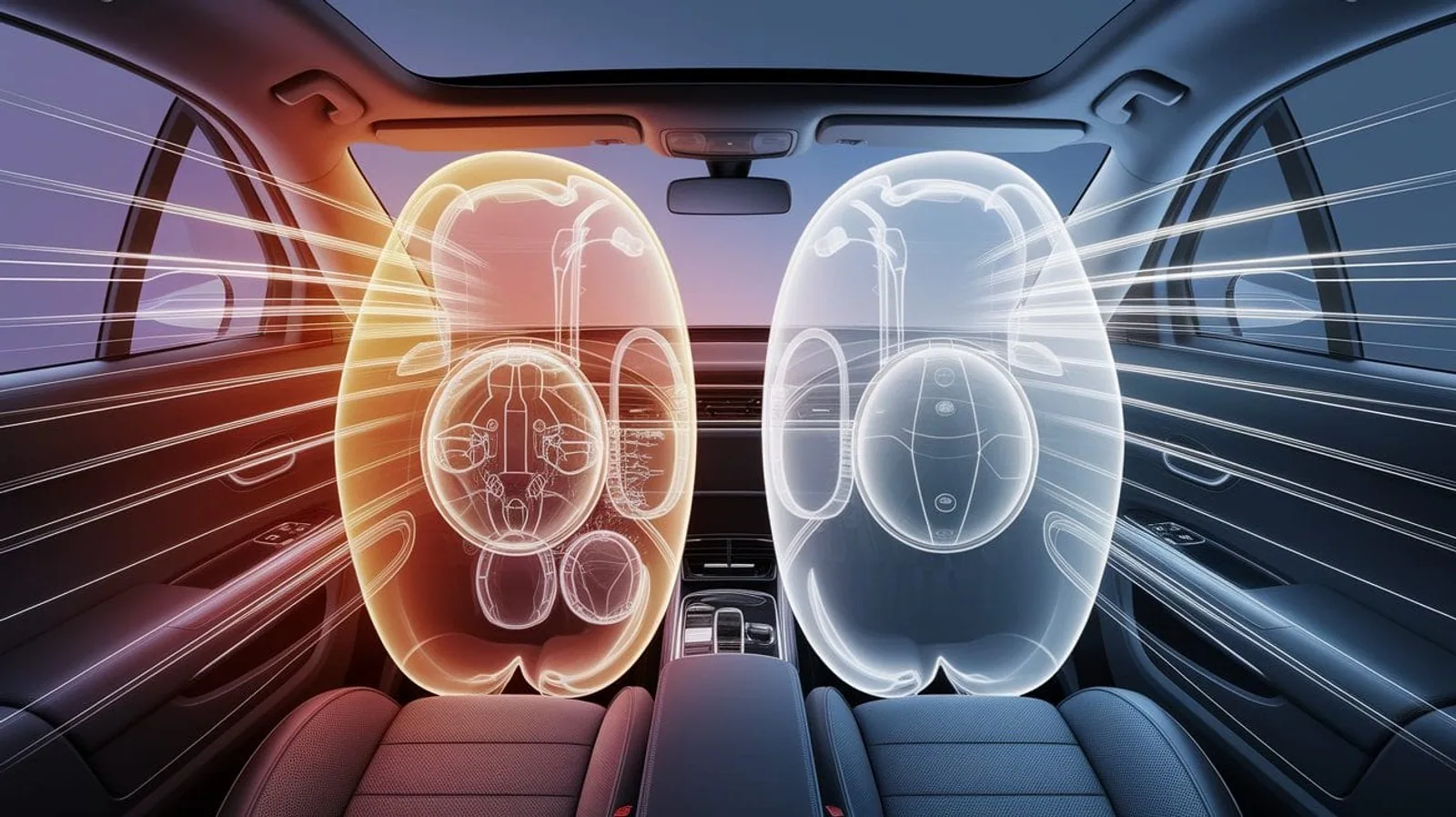
Quick Answer: Airbags are part of a car’s safety restraint system , designed to inflate in fractions of a second during certain collisions. They use crash sensors, rapid chemical…
4 min read →
The Global Positioning System (GPS) is like having a personal guide that always knows where you are on Earth. It uses a network of satellites, super-accurate clocks, and smart math to…
3 min read →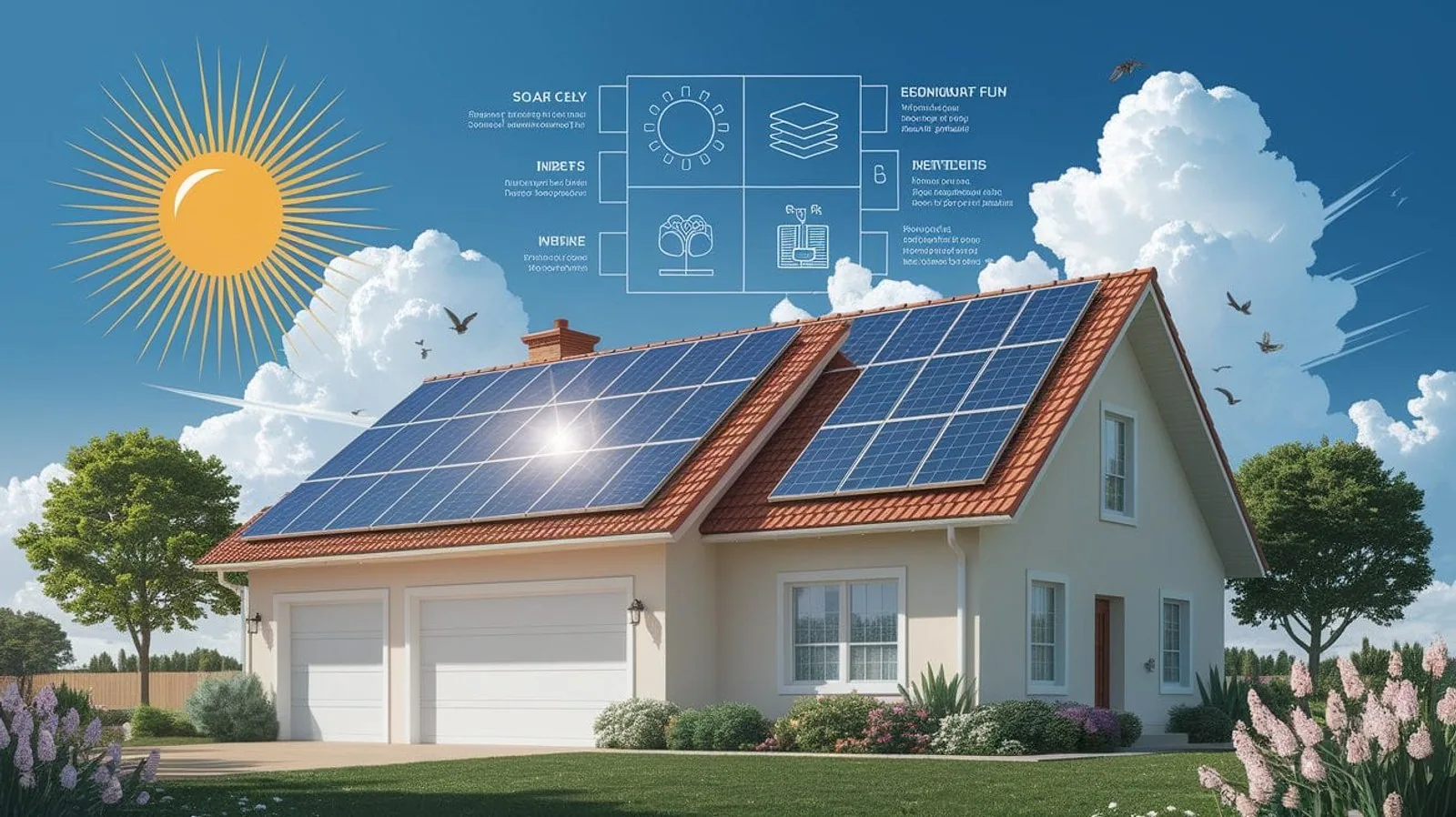
Quick Answer: Solar panels turn sunlight into electricity through the photovoltaic effect: photons of light knock electrons loose inside semiconductor layers, and the movement of those…
3 min read →
A fuse melts a calibrated element to interrupt overcurrent. Response time and safe interruption depend on its ratings, the fault and the circuit; protection is not instantaneous or…
3 min read →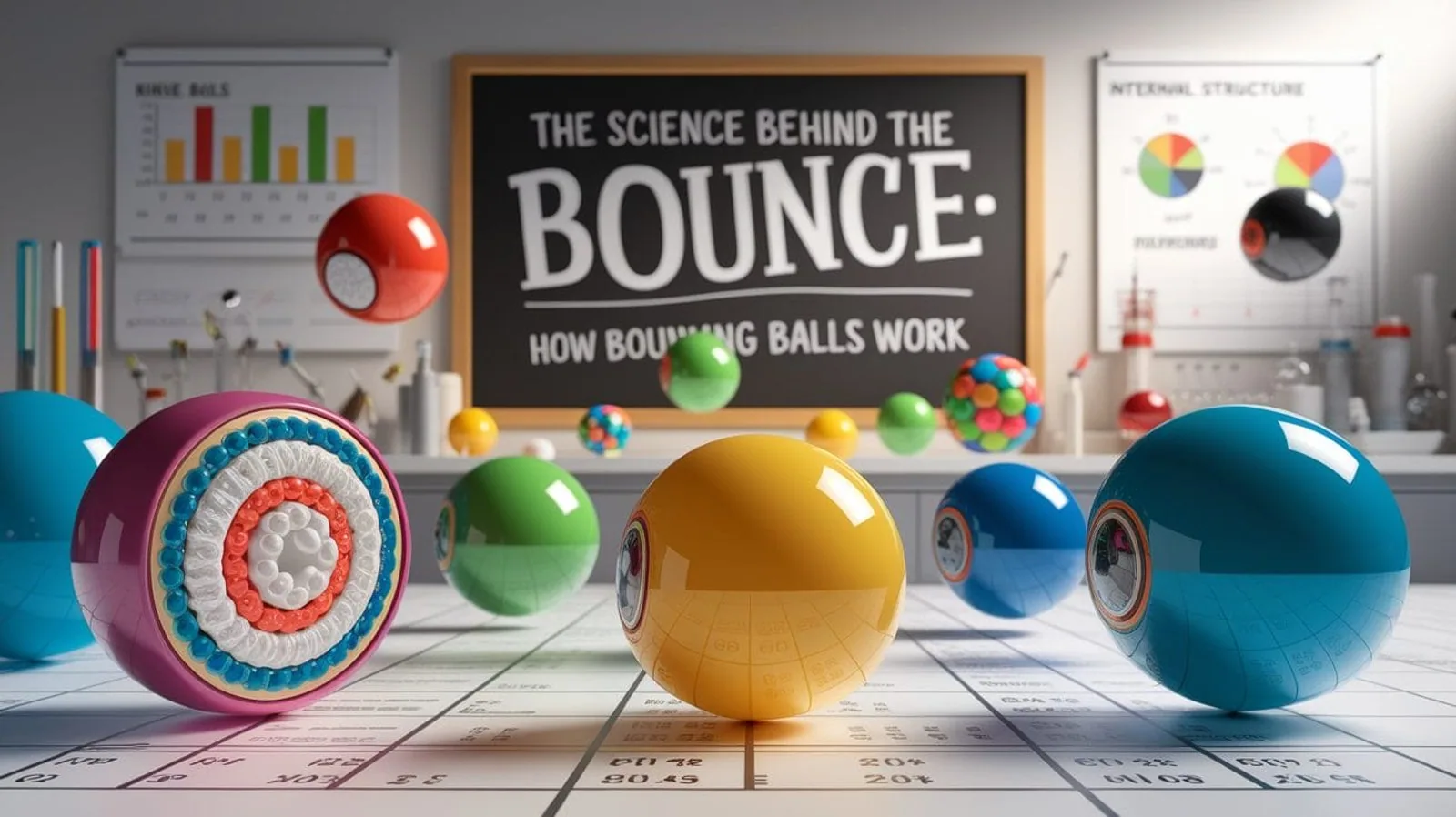
Quick Answer: A bouncing ball is a showcase of energy transformations, elasticity, and motion under gravity’s pull. When it hits a surface, energy is stored and released, giving it that…
4 min read →
Quick Answer: Polarized sunglasses work by using a special filter that blocks harsh horizontal light waves—often responsible for glare—while letting in useful vertical light. This…
3 min read →
Quick Answer: Touchscreens work by detecting a change in electrical properties, pressure, light, or sound waves at the point of contact. Most modern devices use capacitive sensing…
3 min read →
Have you ever wondered why your childhood glow-in-the-dark stars kept shining long after you turned off the lights? From toy dinosaurs to safety signs, these fascinating objects seem to…
10 min read →
Have you ever slipped on a pair of headphones on a roaring airplane or in a bustling cafe and felt the world just... fade away? It’s a moment of pure bliss, a personal bubble of quiet…
6 min read →
Quick Answer: Glass is transparent because its unique, jumbled atomic structure creates a large energy gap that visible light photons cannot bridge. Without enough energy to be absorbed…
5 min read →
Quick Answer: Rainbows form when sunlight enters a raindrop, refracts (bends) as it passes from air into water, reflects off the back of the drop, and refracts again as it exits.…
3 min read →
Quick Answer: The cracking sound of a whip is a genuine sonic boom. This happens because a wave of energy, created by the user's flick, travels down the whip's tapering length, causing…
6 min read →
Quick Answer: Metal conductivity is the remarkable ability of metals to allow electric current to flow through them easily. This happens because metals have a unique structure…
6 min read →
Quick Answer: Popcorn kernels pop when the water inside them turns to steam under heat, building pressure until the hard outer shell ruptures and the starchy interior expands rapidly…
6 min read →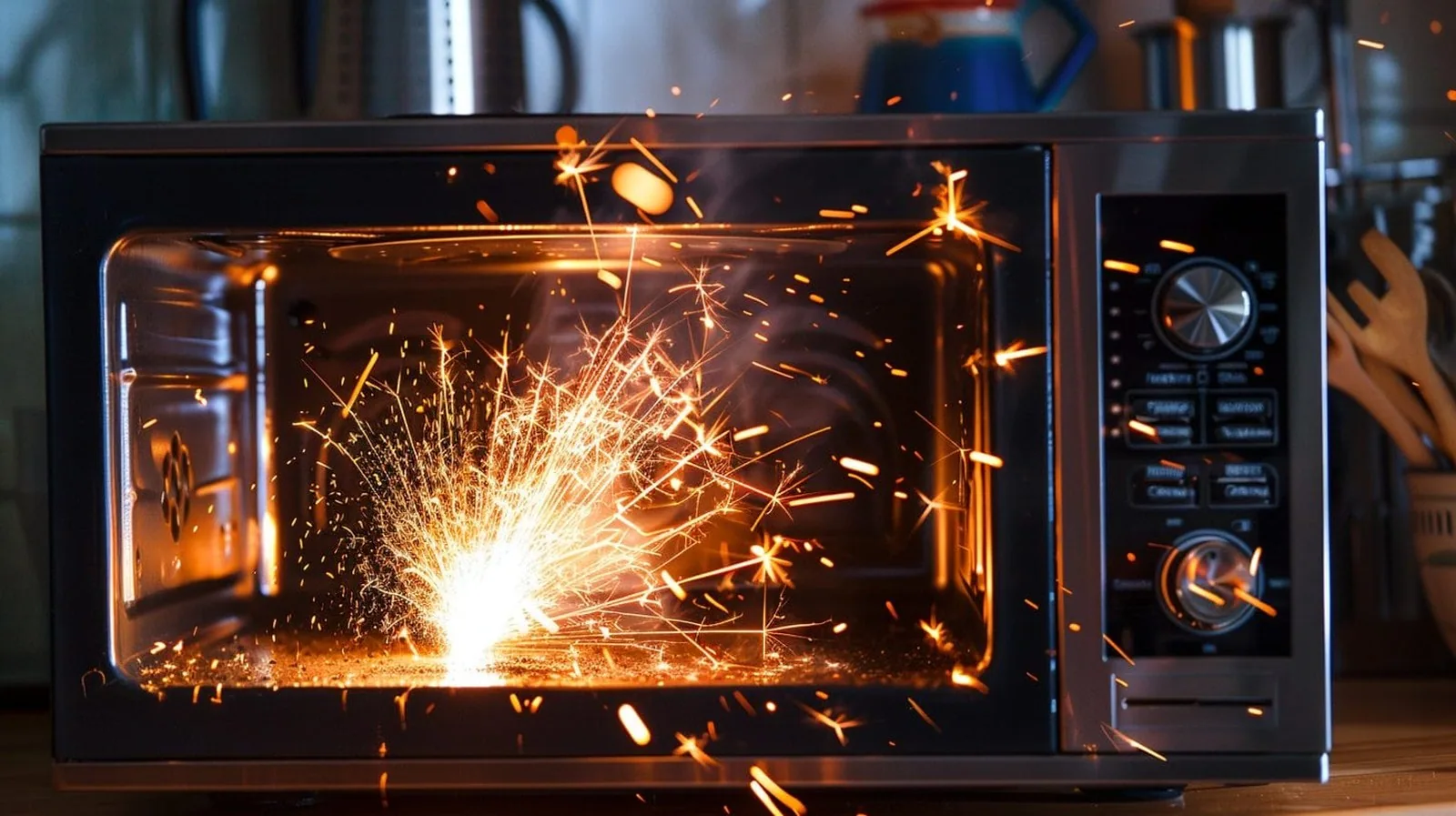
Metal sparks in the microwave because the electromagnetic waves cause a buildup of electric charges on the metal's surface. When these charges accumulate and become strong enough, they…
4 min read →
Lithium-ion batteries store electricity through a chemical process involving the movement of lithium ions between two electrodes. When the battery charges, lithium ions move from the…
5 min read →
Electricity flows through water primarily because of the presence of ions. When water contains dissolved salts, minerals, or other substances, it becomes an electrolyte, allowing…
3 min read →
Have you ever marveled at the magic of your microwave oven? It can transform a cold, sad leftover into a piping-hot meal in just a few minutes. But have you ever wondered how this…
3 min read →
Singing in the shower sounds better because the bathroom's hard surfaces, such as tiles, do not absorb sound, allowing your voice to bounce around and sound more powerful. The small…
4 min read →
Static electricity occurs when electrons move from one material to another during contact, creating an imbalance of electric charge. This charge imbalance remains "static" (not flowing…
5 min read →
The sensation of water becoming colder after adding mint is not a decrease in actual temperature but a perception created by menthol, a component found in mint. Menthol interacts with…
4 min read →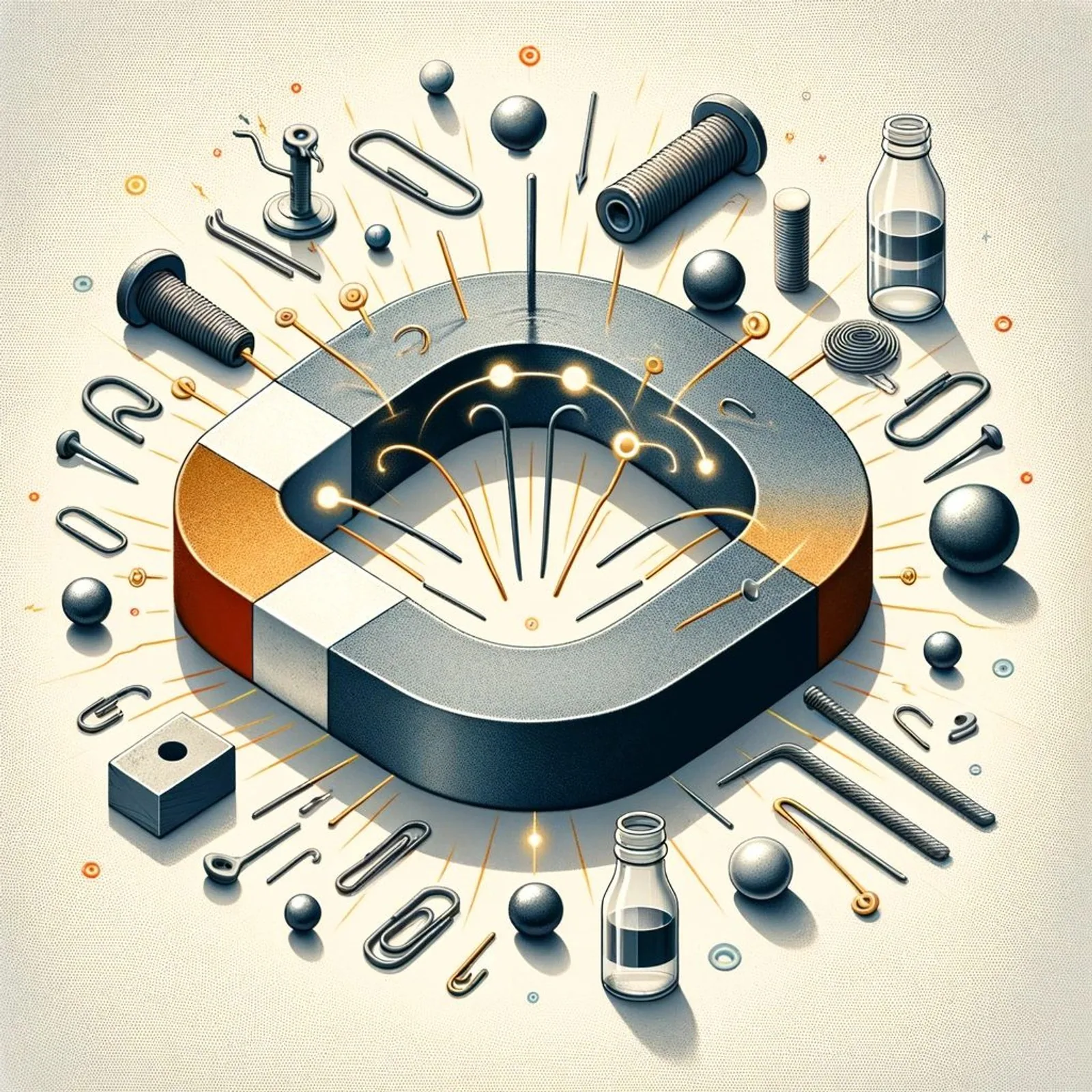
Magnets stick to iron, nickel, cobalt, and a few other materials — and ignore wood, glass, and plastic. The difference comes down to atomic-scale magnetism.
3 min read →
Quick Answer: A typical lightning flash carries about 300 million volts and about 30,000 amps , according to the U.S. National Weather Service. For comparison, household current is 120…
3 min read →
Have you ever watched a soccer game and seen the ball make a sudden, surprising curve in mid-air? It's not magic; it's science! In short, a soccer ball curves because of the way it…
6 min read →
Quick Answer: Electricity travels through a wire at close to the speed of light — about 300 million meters per second — because what moves that fast is the electric field, not the…
9 min read →
Electrical resistance measures how strongly a component opposes current. Many ordinary metals have higher resistance when warmed, because charge carriers are scattered more strongly.…
4 min read →
Ever wonder why lights dim when you turn on multiple appliances? Or why power companies ask you to reduce electricity usage on hot days? There's an important reason electricity needs to…
3 min read →
Quick Answer: Electricity becomes hazardous when enough current flows through the body to interfere with its own electrical signals — the heart's rhythm and the nerves that control…
7 min read →
Electricity is all around us - from the lights in our homes to the phones in our pockets. But have you ever wondered why electricity always seems to be trying to get to the ground? In…
4 min read →No explanations match that search yet.