Quick Answer:Heat therapy — hot packs, heat wraps, warm baths — can ease muscle pain and stiffness in the short term by relaxing tissue and increasing local blood flow. The evidence is strongest for short-term relief of low back and neck pain and for easing soreness after exercise. Claims that heat speeds up healing or athletic recovery are more preliminary than they sound. Heat isn't right for every situation — fresh injuries and some medical conditions call for caution — so use it sensibly and ask a clinician if you're unsure.
How heat therapy works
When you apply warmth to your body, more than comfort happens beneath the surface. A2025 narrative review on heat therapy for musculoskeletal pain— an expert panel's summary of the evidence, not a statistical meta-analysis — lists several recognized effects of local heat:
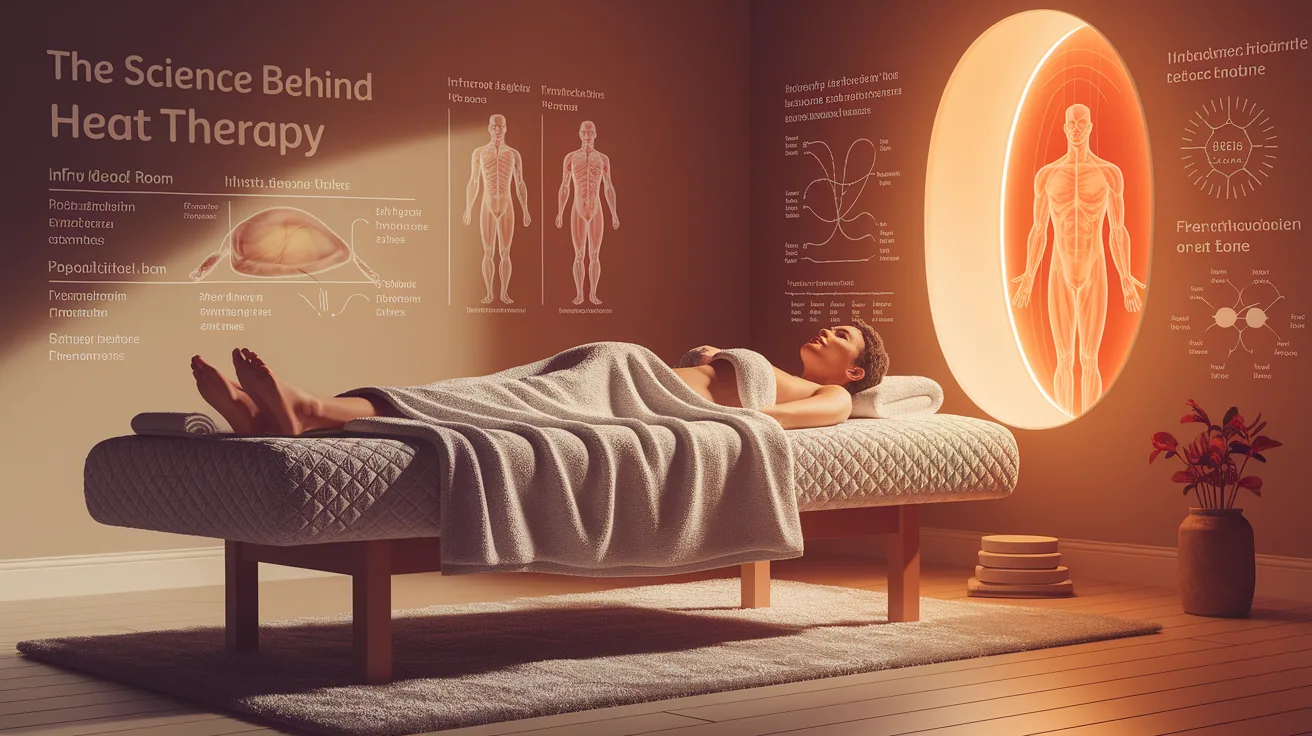
- Blood flow:Heat widens local blood vessels (vasodilation) and increases blood flow to the treated area — part of why warmth feels loosening and soothing.
- Nerve endings:Warmth activates temperature-sensitive nerve endings, including TRPV1 receptors; their signals are thought to interfere with pain processing in the spinal cord, which is the modern version of the old "gate control" explanation for why heat eases pain.
- Muscle and fascia:Heat reduces muscle tension and fascial stiffness and increases tissue elasticity — a reason a stiff back or neck often moves more easily afterward.
- Metabolism:Raising tissue temperature by 1 °C can increase local metabolism by roughly 10–15%, which may support the delivery of nutrients and the clearing of by-products of tissue damage. Whether that translates into faster healing is still being studied.
- Heat shock proteins:Heat exposure can induce protective "heat shock" proteins. A small pilot study in fibromyalgia found that hot-water immersion raised HSP40 and HSC70 and lowered HSP90; how those shifts relate to pain relief is still being worked out.
What the evidence shows for pain relief
Heat is best established as a short-term pain reliever. The same expert-panel review summarizes the clinical evidence for musculoskeletal pain:
- Low back pain:In adults with acute low back pain, continuous low-level heat wrap therapy produced better short-term pain relief than acetaminophen or ibuprofen in the trials the review describes (pain-relief scores above 3 vs. around 2 on a 6-point scale on day 2), along with greater short-term improvements in stiffness, flexibility, and disability scores. A review of 1,117 adults cited in the same paper found the approach gives small, short-term improvements in pain and mobility.
- Neck pain:In a randomized trial described by the review, adding heat packs or ibuprofen to a home exercise program both reduced chronic neck pain (about 5 down to 3.5 on a 10-point scale) and improved mobility — heat and the medication performed about the same.
- Knee and wrist pain:The review notes heat wrap therapy has helped with knee osteoarthritis pain (in one trial, more than acetaminophen) and with wrist conditions including carpal tunnel syndrome.
- Muscle soreness after exercise (DOMS):A meta-analysis of 32 randomized trials found heat reduced post-exercise soreness pain beyond the first 24 hours; in a network analysis, hot packs performed best in the first 24–48 hours (cold had the edge after 48 hours).
The honest summary: heat's strongest evidence is short-term pain and stiffness relief in specific conditions — mostly low back pain — measured over days, not cures. The review's authors emphasize that the evidence base is sparse in many areas, that most studies are small, and that better randomized trials are needed.
What about recovery after hard exercise?
Here the story is real but more preliminary:
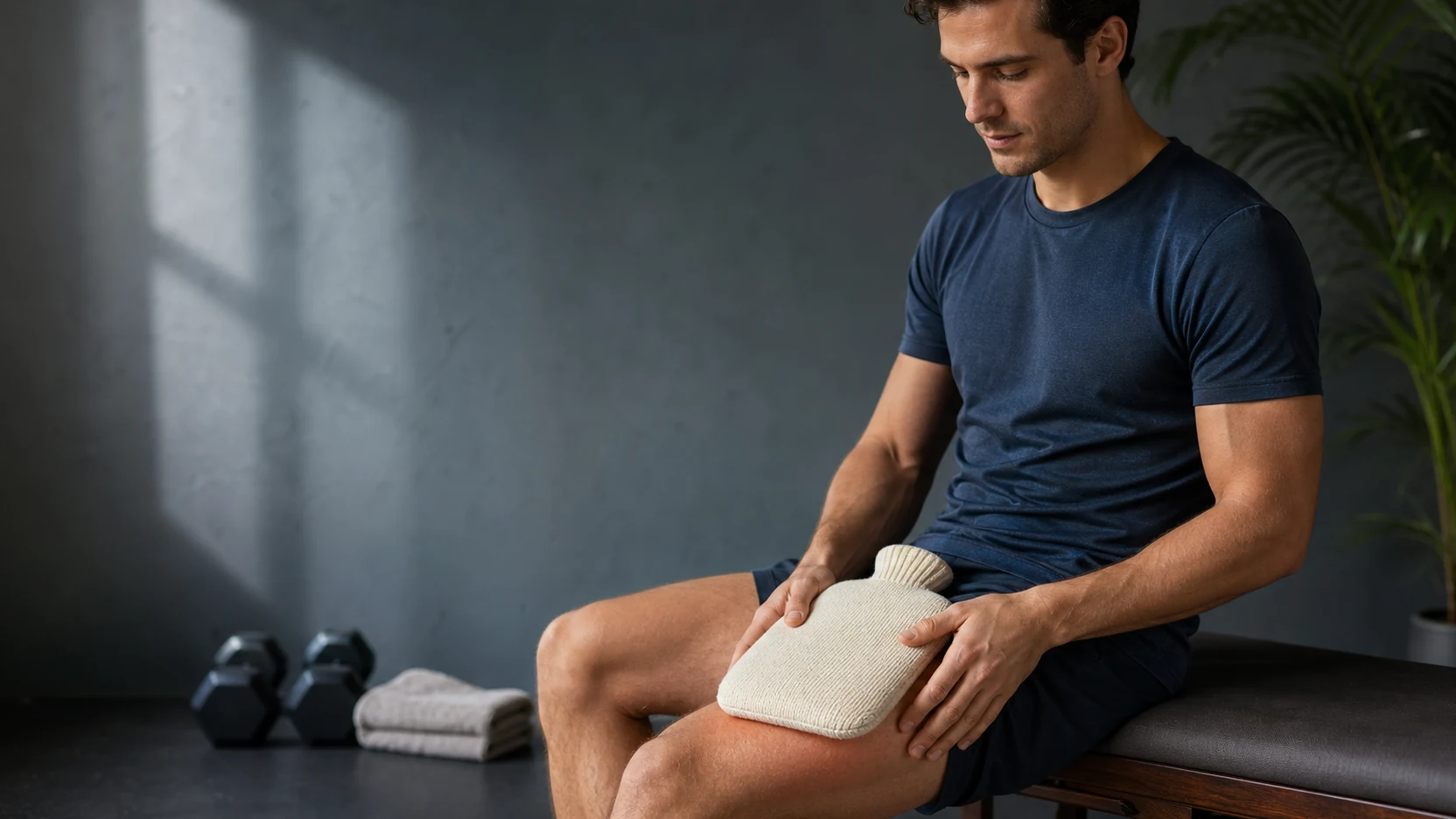
- Muscle function:In a small controlled study, heating one thigh for about 90 minutes a day after intense eccentric exercise (like downhill running) helped fatigue resistance — the ability to keep working — recover faster than the untreated thigh; soreness also eased slightly faster.The review of this researchsays the mechanisms aren't established yet, and much of the evidence comes from small studies of untrained people — it's unclear how well it applies to trained athletes.
- Strength:In a 2015 study of 100 people, applying a heat or cold wrap immediately after exhausting squats was followed by much less strength loss the next day (about 4% vs. about 24% in an untreated comparison). Notably, cold — not heat — was better for pain relief in that study, and cold applied 24 hours later was better for strength recovery, so "heat for recovery" is too simple a lesson from it (Petrofsky et al., 2015).
- Energy stores:Researchers hypothesize that heat's boost to blood flow may help muscles replenish glycogen — their main fuel — faster after hard exercise. That remains a hypothesis; direct evidence is limited (review).
Timing and practical use
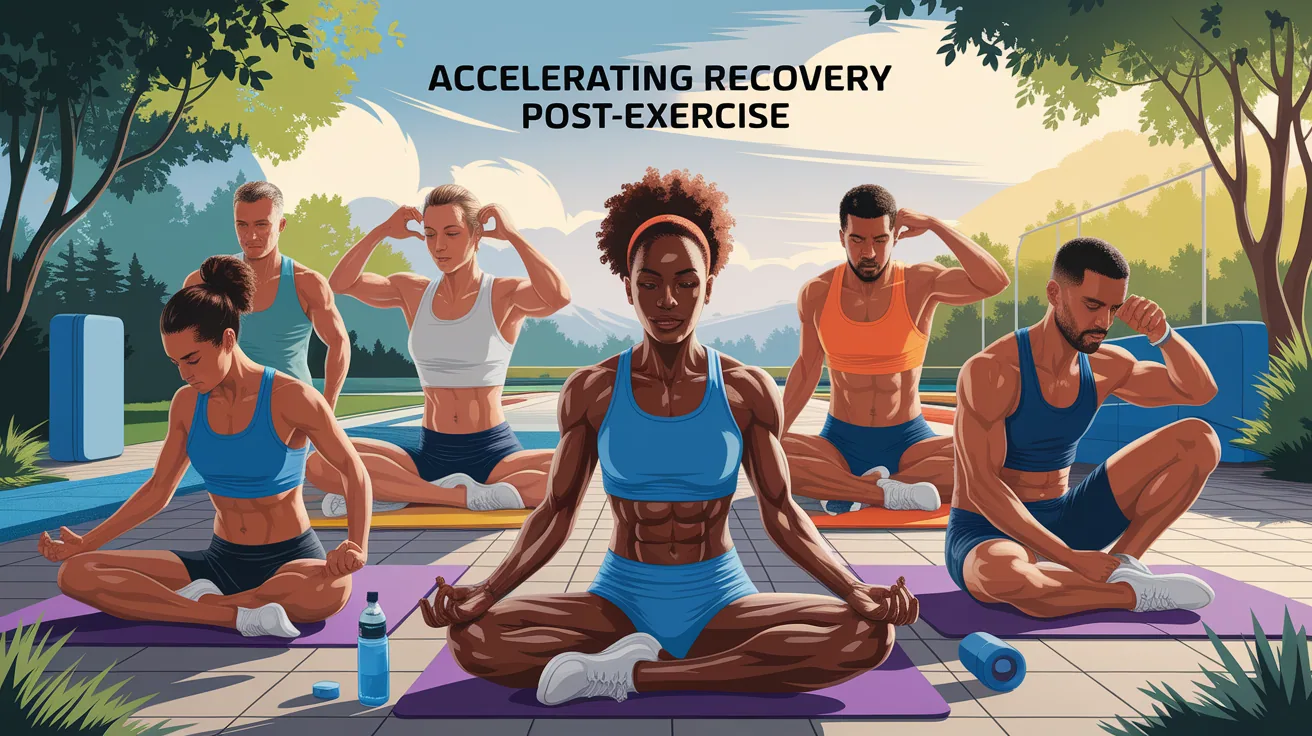
How heat is applied varies a lot in the research — continuous low-level wraps worn for hours, hot packs, and 45-minute hot-water baths have all been studied. The review notes that the best timing, temperature, and duration remain unsettled "gray areas"; there is no single proven protocol. A few orientation points from the evidence:
- After exercise:For soreness, heat appears most useful in the first day or two; after 48 hours, cold has the edge in the network analysis.
- After an injury:Clinical guidance generally favors cold early after a fresh injury and heat later, for stiffness and comfort — matching the treatment to the healing phase.
- Before activity:Some studies suggest heat applied before exercise may prepare muscles and protect against damage; this is still an active area of research.
What about regular, longer-term use?
Most heat research looks at single episodes or a few days of treatment. A smaller body of work tests weeks of regular use:

- Fibromyalgia:In apilot study, eight women with fibromyalgia completed four weeks of hot-water immersion three times a week. Average and worst pain improved, as did physical function and sleep-related impairment; levels of the heat shock proteins HSP40 and HSC70 rose. Depression, anxiety, and inflammation markers did not change significantly. The study had no control group and only a handful of participants — its authors call for larger trials before drawing conclusions.
Safety: using heat sensibly
Superficial heat is generally well tolerated. Across the trials, no serious adverse events were reported for heat wraps, and the common issues were minor — skin redness and, occasionally, mild burns (review).
Still, some situations call for extra caution. The expert panel flags circulation problems, skin injuries or conditions, active joint inflammation (such as active osteoarthritis), and certain neurological conditions, among others. Supervision matters for anyone who might not readily notice excessive heat — and if pain is severe, persistent, or unexplained, heat is not the answer; see a clinician.
The bottom line
Heat therapy is a low-cost, generally safe option for short-term relief of muscle pain and stiffness — best supported for back and neck pain and for easing soreness after exercise. It can help you move and feel more comfortable while your body does its own healing. It is not a proven way to speed tissue repair, and it isn't a treatment for serious or persistent pain. If pain is severe, lasts, or has no clear cause, see a clinician.

Sources & further reading
- 2025 narrative review on heat therapy for musculoskeletal pain
- The review of this research
- Petrofsky et al., 2015
- pilot study
That’s the mechanism. The wonder is still allowed.