


Quick Answer: Honey crystallizes because it’s a supersaturated sugar solution where glucose separates from water and forms tiny sugar crystals. The process depends on its sugar composition, temperature, and storage conditions — but crystallized honey is perfectly safe and even delicious!
The Sweet Truth: Honey’s Crystal Clear Mystery
Have you ever opened a jar of honey and found it had turned thick, grainy, or even solid? This natural transformation is called honey crystallization, and it’s simply the formation of sugar crystals within honey. Rather than being a sign of spoilage, it’s a clue about the honey’s unique makeup and storage history. Just like a supersaturated sugar drink that eventually forms crystals at the bottom, honey’s rich sweetness sometimes needs to reorganize itself — and your jar shows the results.
Understanding why this happens means exploring the chemistry inside each drop of honey and the environmental factors that nudge it toward becoming a golden spread.
Role of Sugar Composition
Honey’s crystal mystery begins with its sugars — mainly glucose and fructose. Honey is a supersaturated solution, meaning it holds more sugar than can stay dissolved in its water content. Here’s the key:
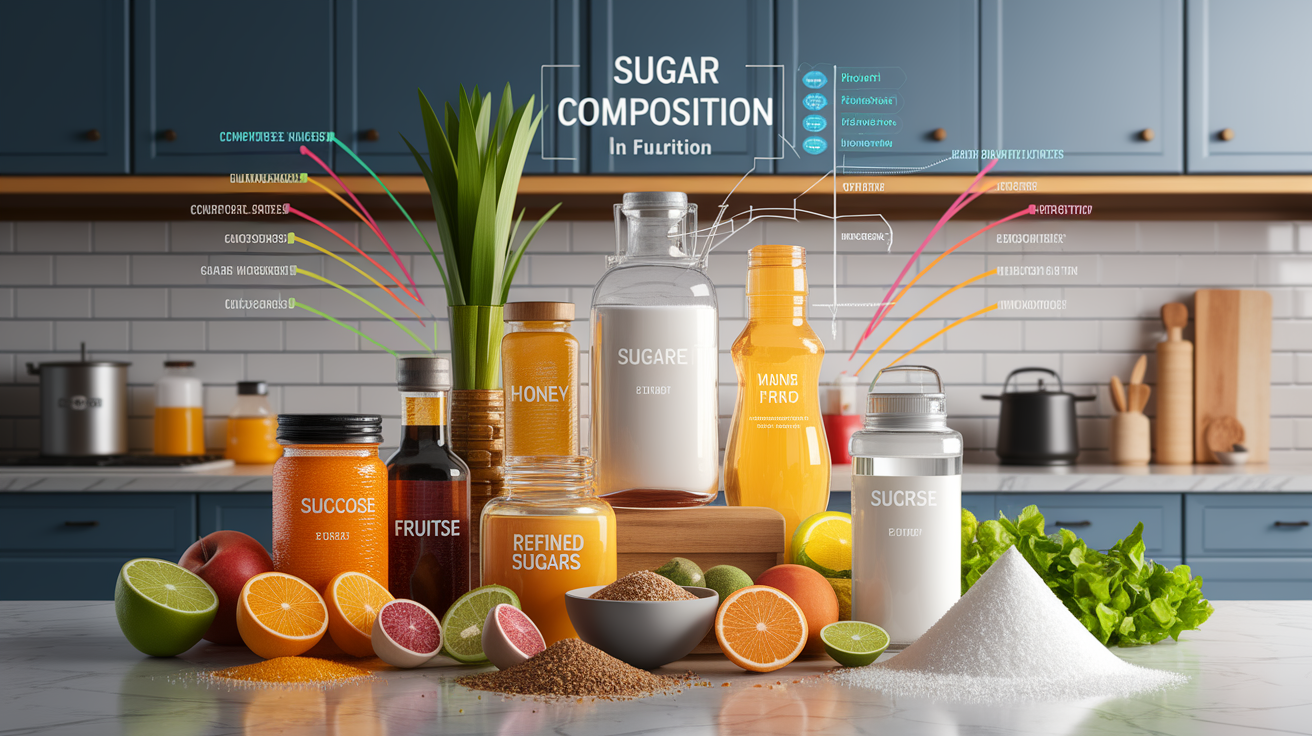
- Glucose is less soluble in water than fructose, so it tends to leave the liquid phase and form solid crystals.
- Fructose stays dissolved more easily, keeping honey in a liquid state for longer.
- The fructose-to-glucose (F/G) and glucose-to-water (G/W) ratios affect how quickly honey crystallizes.
For example, nectar sources like clover often produce honey with higher glucose, which leads to faster crystallization. In contrast, honeys with more fructose, such as acacia honey, can remain pourable for much longer. This explains why some honey crystallizes faster than others.
How Storage Conditions Affect Crystallization
Even with the same sugar composition, the way you store honey affects crystallization dramatically. According to honey storage studies, several environmental factors are at play:

- Temperature: Honey stored at cool temperatures (about 10°C–15°C) crystallizes faster, as sugar molecules slow down and glucose can settle into crystals. Storing it very warm (above 25°C) keeps it liquid longer.
- Moisture content: Low water levels encourage glucose to drop out of solution, speeding crystal growth.
- Microscopic particles: Raw honey can contain pollen grains and tiny wax bits, which act as nucleation sites where crystals begin to form.
This explains why raw honey often crystallizes faster than processed honey — processing usually heats and filters honey, which can remove those crystallization “starter points.”
Texture Variations in Crystallized Honey
Not all crystallized honey feels the same on your tongue! The size and distribution of the crystals determine texture.
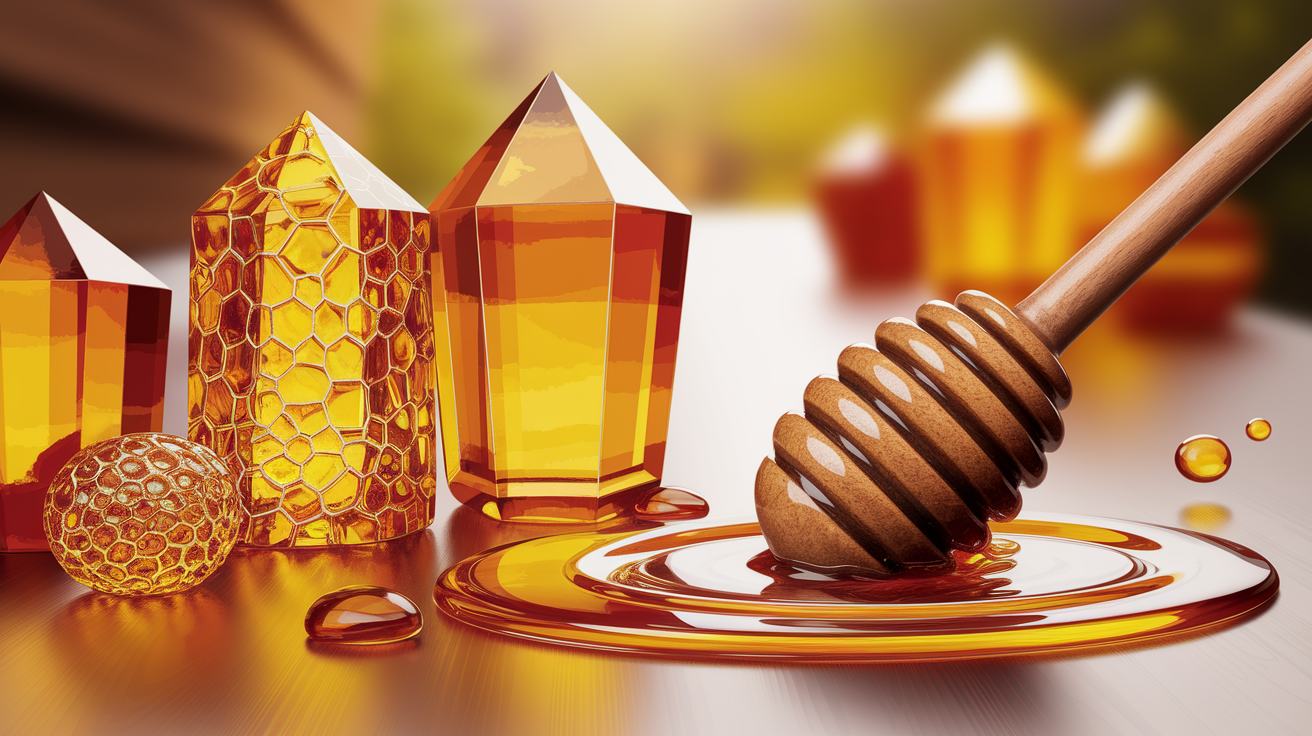
- Fine crystals: These create a smooth, creamy honey often called “creamed” or “set” honey — spreadable and delightful.
- Large crystals: Coarser and more grainy, these can develop in certain honeys with specific sugar balances.
The floral source of the nectar, plus starting water and sugar ratios, affects which texture you’ll get. Some beekeepers intentionally encourage fine crystallization to create luxurious spreads, as explained by honey granulation experts. Whatever the form, crystallized honey keeps all its sweetness, nutrition, and charm.
Reversing and Slowing Crystallization
Prefer your honey runny? Good news — crystallization is completely reversible! According to honey-handling guides, here’s how:
- To reverse: Place the jar in a bowl of warm water (~40°C / 100°F) and let it sit until the crystals dissolve. Stir gently if needed. Never overheat, as this can damage the flavor and natural enzymes.
- To delay crystallization: Store honey at consistent room temperature, away from light, in an airtight glass jar to maintain moisture and reduce oxygen exposure.
Some packaging materials like plastic can allow moisture shifts, which may encourage faster crystal growth. Glass is better for long-term liquid honey lovers.
Crystal Clear Wrap-Up: Embracing Honey’s Natural Process
Crystallization is honey’s way of showing off its natural composition and purity. Far from spoiling, crystallized honey is still perfectly edible, flavorful, and nutritious. Depending on your taste, you might even seek out certain textures for spreading or baking. Whether you enjoy it smooth and liquid or thick and spreadable, knowing the science of honey crystallization can help you store and use honey in a way that suits your palate — and lets you appreciate this sweet natural marvel even more.