


Quick Answer: Dietary fiber is an essential yet often overlooked component of a healthy diet that provides numerous benefits from improved digestion to heart health. Both soluble and insoluble fiber work together to regulate blood sugar, lower cholesterol, and promote healthy bowel movements, making it a true nutritional powerhouse.
Introduction – Fiber: The Unsung Hero of Health
When we talk about essential nutrients, protein, vitamins, and minerals often steal the spotlight. However, dietary fiber deserves just as much attention for its remarkable impact on our wellbeing. This plant-based component passes through our digestive system largely intact, yet plays a crucial role in maintaining our health from head to toe.
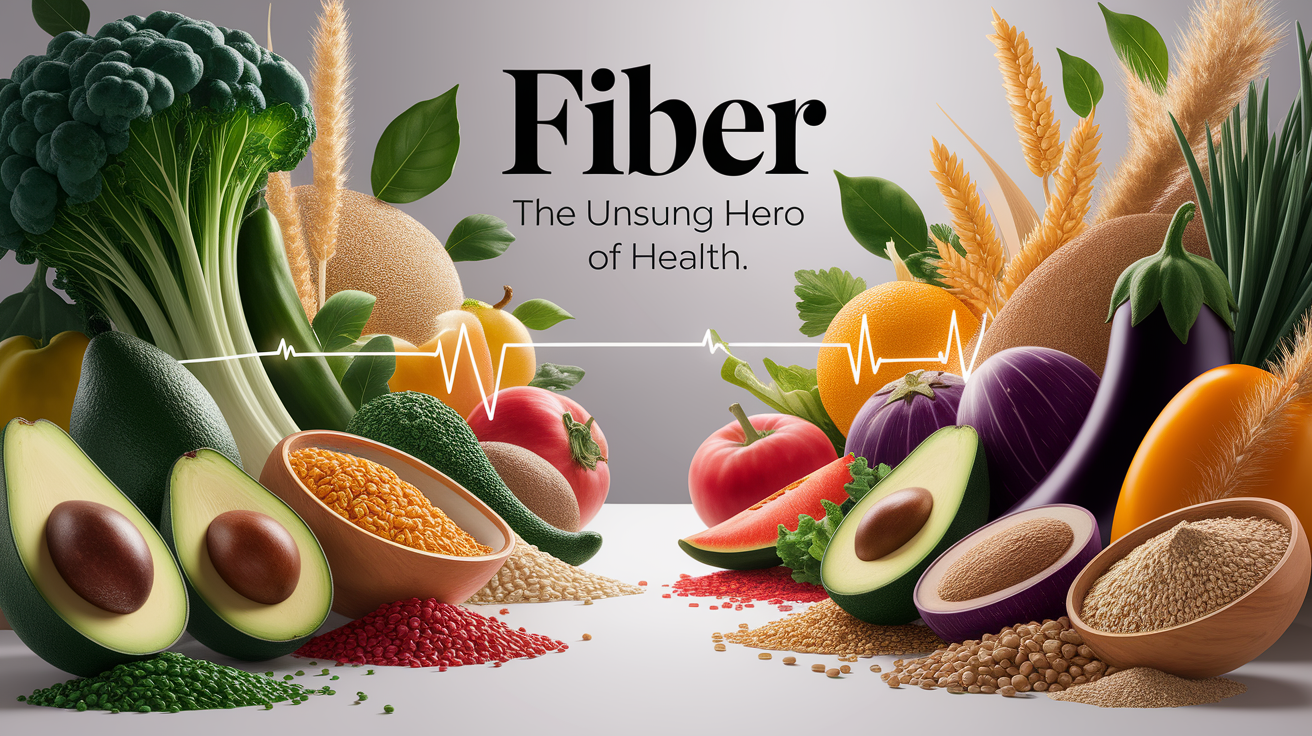
Fiber comes in two main types:
- Soluble fiber: Dissolves in water to form a gel-like substance that slows digestion and helps regulate blood sugar and cholesterol levels
- Insoluble fiber: Doesn’t dissolve in water but adds bulk to stool, promoting regular bowel movements and preventing constipation
Despite recommendations to consume 25-38 grams daily, most adults only get about half that amount. This fiber gap represents a missed opportunity for better health that we’ll explore throughout this article.
Digestive Health and Fiber
Your digestive system functions like a well-orchestrated factory, and fiber serves as one of its most valuable raw materials. The relationship between fiber and digestive health is both fascinating and fundamental to our overall wellbeing.
How Fiber Promotes Regularity
Insoluble fiber is your intestinal tract’s best friend. It works by:
- Adding bulk to stool
- Accelerating intestinal transit time
- Preventing constipation
- Reducing the risk of hemorrhoids and diverticular disease
Think of insoluble fiber as nature’s intestinal broom, sweeping waste through your digestive tract efficiently and consistently.
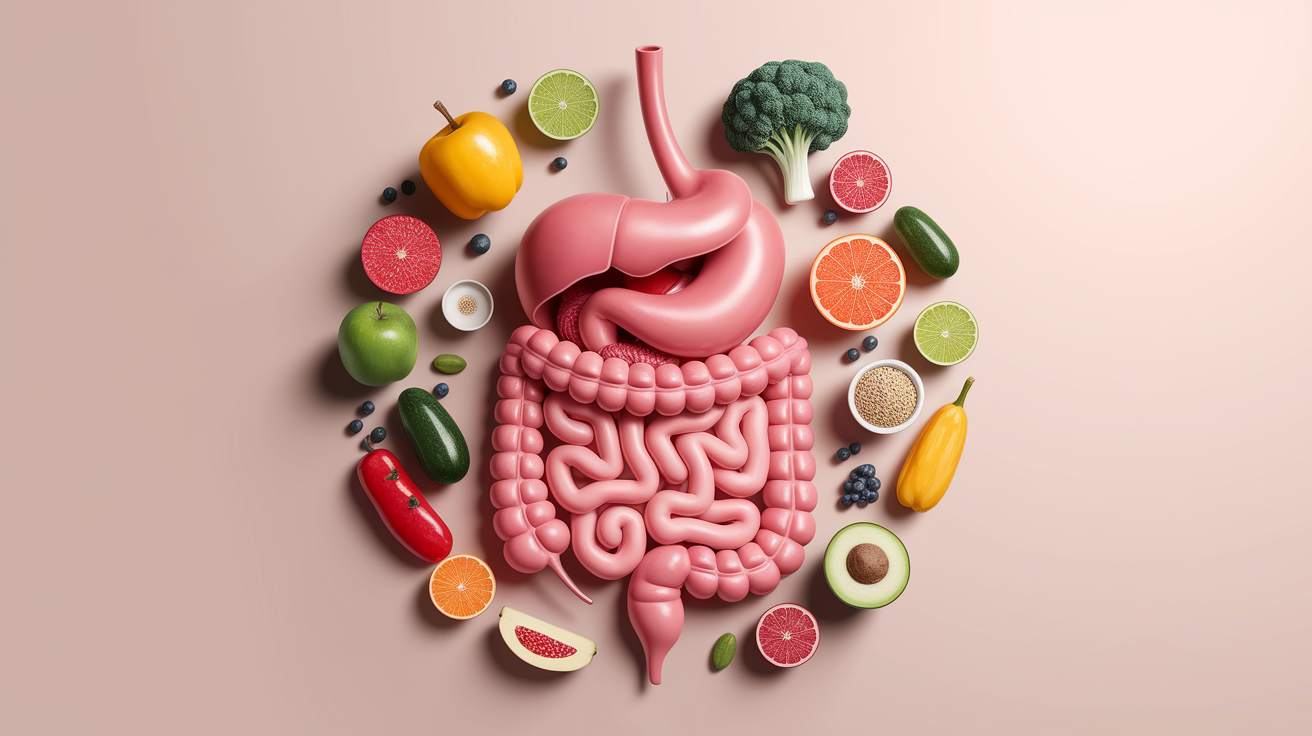
Fiber and Gut Microbiome
Your intestines house trillions of beneficial bacteria that thrive on fiber. When you consume fiber-rich foods, you’re essentially feeding these helpful microorganisms. According to research from the Frontiers in Nutrition journal, fiber fermentation by gut bacteria produces short-chain fatty acids (SCFAs) that:
- Nourish colon cells
- Maintain gut barrier integrity
- Support immune function
- Reduce inflammation
This symbiotic relationship between fiber and gut bacteria represents one of the most important aspects of digestive health, potentially lowering the risk of colorectal cancer and improving overall gastrointestinal function. The University of Michigan highlights how this relationship supports digestive regularity and comprehensive gut health.
Cardiovascular Benefits of Fiber
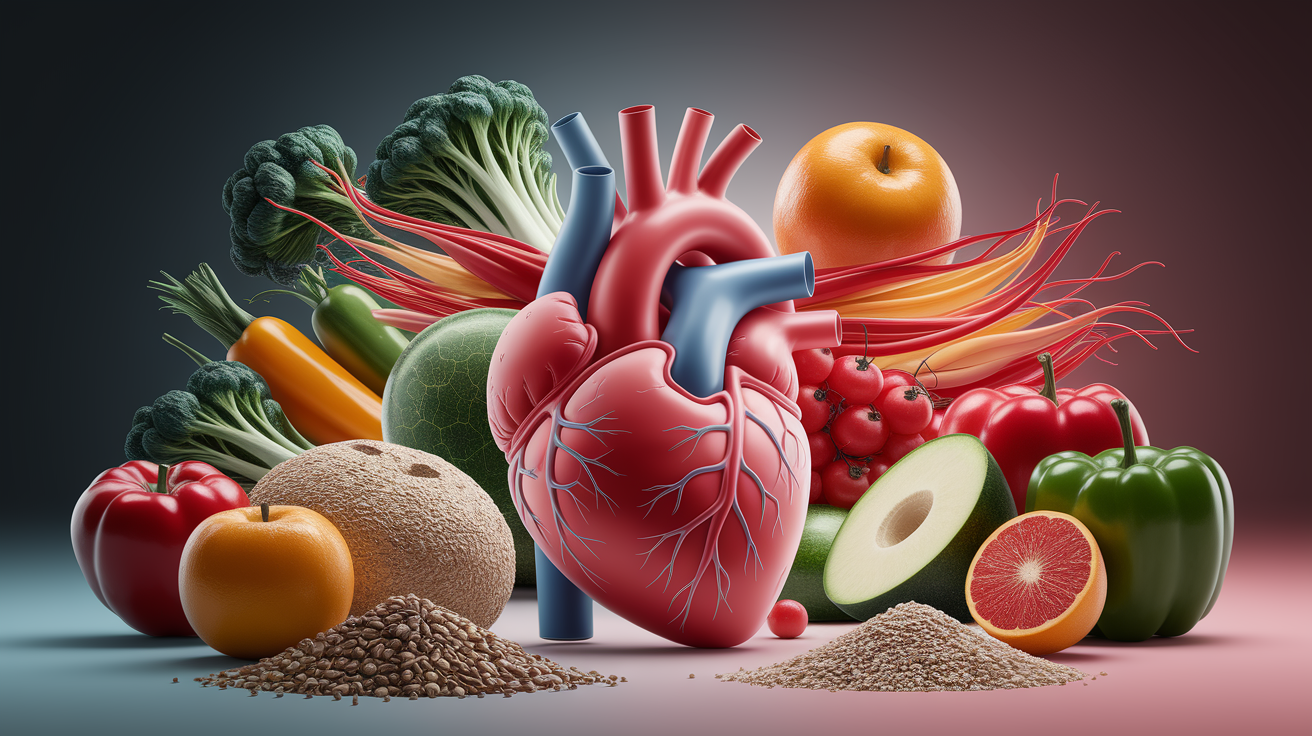
The heart-healthy benefits of fiber are numerous and significant. Fiber doesn’t just benefit your digestive system—it’s also a powerful ally for your cardiovascular health.
Cholesterol Management
Soluble fiber acts like a sponge in your digestive tract, binding to cholesterol and bile acids and helping your body excrete them. According to comprehensive scientific research, this mechanism:
- Lowers LDL (“bad”) cholesterol levels
- Reduces cholesterol absorption
- Prompts the liver to use blood cholesterol to produce more bile acids
- Helps reduce the risk of heart disease
Blood Pressure and Heart Health
Beyond cholesterol management, fiber contributes to heart health by helping regulate blood pressure. The mechanisms are complex but involve improving arterial flexibility and supporting healthy blood vessel function. Studies highlighted by digestive health experts show that adequate fiber intake is associated with a reduced risk of heart disease and stroke.
Blood Sugar Regulation
Fiber’s impact on blood sugar represents another cardiovascular benefit. By slowing glucose absorption, fiber helps prevent the dramatic spikes and crashes in blood sugar that can contribute to diabetes and heart disease over time. This effect is particularly important for diabetes management and prevention, as noted in recent research.
Fiber and Weight Management
If you’re looking to maintain a healthy weight or lose excess pounds, fiber might be your secret weapon. Its unique properties make it especially valuable for weight management.
The Satiety Factor
Fiber creates a sense of fullness that lasts longer than many other nutrients. This happens in several ways:
- It slows gastric emptying, keeping food in your stomach longer
- It increases the volume of food without adding calories
- It requires more chewing, giving your body time to register fullness
- It influences hormones that regulate appetite, as explained by nutrition researchers
This enhanced satiety means you’re likely to consume fewer calories overall, supporting weight loss or maintenance goals.

Metabolic Benefits
Fiber’s impact on weight management extends beyond satiety. The fermentation of fiber by gut bacteria produces SCFAs that influence hormones regulating appetite and energy balance, such as leptin. Additionally, scientific studies show that fiber-rich diets tend to be lower in fat and energy density, contributing to healthier eating patterns and reduced risk of obesity.
Furthermore, by regulating blood sugar levels, fiber helps prevent insulin spikes that can lead to fat storage and increased hunger, creating a favorable environment for weight management.
Practical Tips for Increasing Fiber Intake
Now that you understand the benefits of fiber, you might be wondering: “How can I get more fiber in my diet?” Here are practical strategies to boost your fiber intake without dramatically changing your eating habits.
Understanding Your Fiber Needs
Before increasing your fiber intake, it’s helpful to know your target. According to health guidelines:
- Women should aim for about 25 grams per day
- Men should target about 38 grams per day
- Older adults (over 50) may need slightly less: 21 grams for women, 30 grams for men
Fiber-Rich Food Sources
The best way to increase your fiber intake is through whole foods. Here are excellent sources of both soluble and insoluble fiber:

- Whole grains: Oats, barley, brown rice, whole wheat products
- Legumes: Beans, lentils, peas
- Fruits: Apples, berries, pears (especially with skins)
- Vegetables: Broccoli, carrots, Brussels sprouts
- Nuts and seeds: Chia seeds, flaxseeds, almonds
Smart Strategies for Increasing Fiber
To avoid digestive discomfort when increasing fiber intake, follow these practical tips:
- Increase fiber gradually over several weeks
- Drink plenty of water (fiber works best with adequate hydration)
- Add a high-fiber food to each meal
- Choose whole fruits over juices
- Swap refined grains for whole grains (brown rice instead of white)
- Snack on nuts and seeds instead of processed foods
- Add beans to soups, salads, and pasta dishes
According to Harvard’s nutrition experts, incorporating a variety of fiber sources ensures you get both soluble and insoluble fiber types for maximum benefit.
When to Consider Supplements
While whole foods are the preferred source of fiber, supplements can help bridge the gap when dietary intake is insufficient. If considering supplements, remember that they often lack the additional nutrients and benefits found in whole foods. Always consult with a healthcare provider before starting any supplement regimen, especially if you have existing digestive conditions.
Conclusion – Embrace Fiber for a Healthier You
Dietary fiber truly is an unsung hero in nutrition. From supporting digestive regularity to promoting heart health and aiding weight management, fiber offers an impressive array of benefits that impact nearly every aspect of your wellbeing.
By gradually increasing your intake of fiber-rich foods and staying well-hydrated, you can harness fiber’s powerful health benefits while avoiding potential digestive discomfort. Whether you’re managing specific health concerns or simply looking to optimize your nutrition, making fiber a priority is a simple yet effective strategy for better health.
Remember that consistency matters more than perfection. Even small increases in daily fiber intake can yield significant health benefits over time. Your digestive system, heart, and waistline will thank you for embracing the power of this remarkable nutrient.