

Quick Answer: Milk turns sour when certain bacteria convert its natural sugar, lactose, into lactic acid, which changes its taste, texture, and smell. Warm temperatures, poor storage, and contamination can speed up this process, while cool, clean conditions slow it down.
Introduction – The Sour Truth
We’ve all been there—opening the fridge for a splash of milk only to be met by a suspicious smell or a lumpy pour. The spoilage of milk is more than just a disappointment for your morning coffee; it’s a fascinating chemical and biological process. Understanding why milk goes sour can help us make smarter choices about milk freshness, storage, and even turn this natural process into a tasty advantage in certain recipes.
The Bacterial Culprits Behind Sour Milk
At the heart of milk souring are lactic acid bacteria like lactobacillus. These bacteria are either naturally present in milk or introduced from the environment. They feed on lactose, the main sugar in milk, producing lactic acid as they work. This rising acidity lowers the milk’s pH, making the environment less friendly to many microbes but perfect for curdling milk’s main protein—casein.
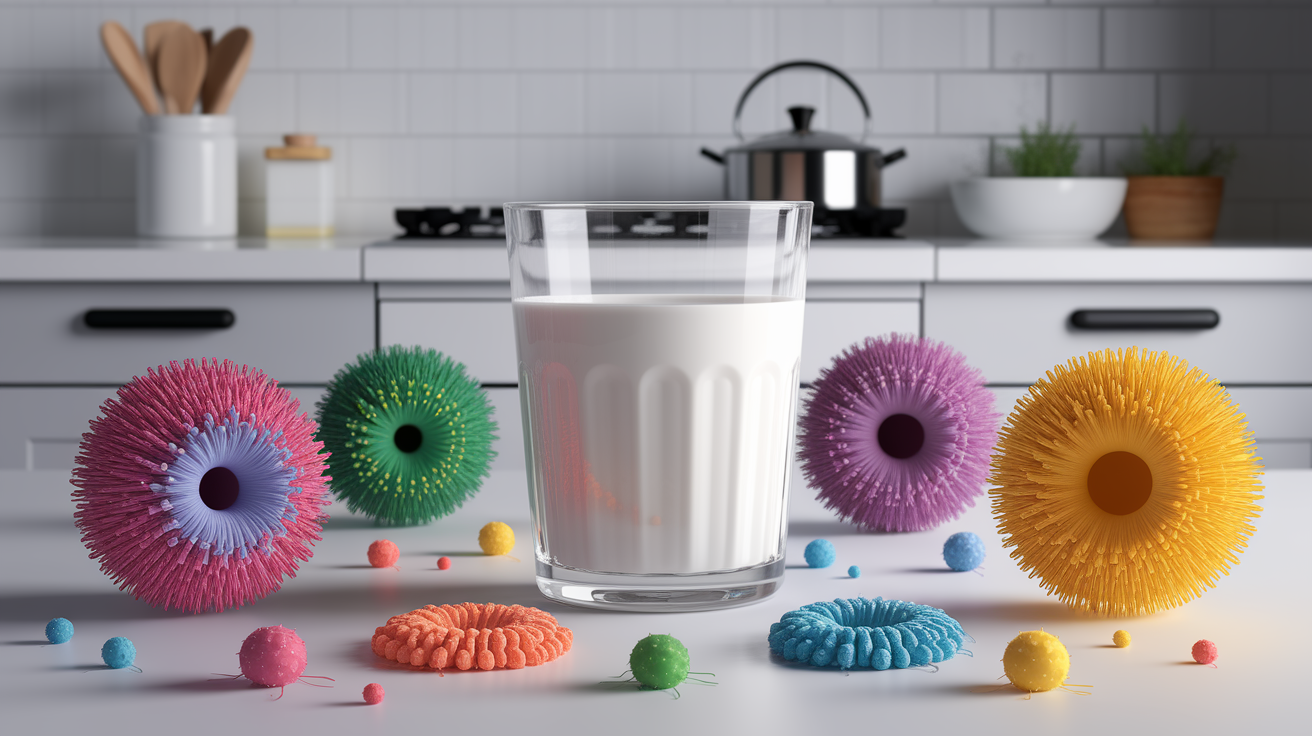
- Lactic acid bacteria: Commonly found in milk and dairy environments
- Bacterial metabolism: Breaks lactose into lactic acid
- Protein reaction: Acid causes casein to clump, creating curds
Once the chemical structure of milk changes, new compounds form, giving sour milk its distinct qualities—an example of a true chemical change rather than simply a physical one, as explained in detail here.
Speeding Up the Spoilage Clock
Several factors can make milk go bad faster. Temperature is the big one—the warmer it gets, the faster bacteria multiply. That’s why milk left out on the counter can sour within hours, especially on hot days. According to food safety studies, keeping milk below 4°C (39°F) slows bacterial growth dramatically.
- Heat: Warm weather or room-temperature storage speeds bacterial growth.
- Contamination: Dirty containers or exposure to dust/water can add more bacterial species.
- Hardy bacteria: Some, like streptococcus and micrococcus, survive pasteurization and spoil milk if conditions are right.
- Environmental effects: Certain atmospheric changes may subtly influence bacterial activity.
If you’ve wondered why milk sours faster in warm weather, the answer lies in the simple fact that higher temperatures mean bacteria can reproduce with lightning speed.
The Science of Texture and Taste
Soured milk transforms in two major ways: chemically and physically. Chemically, lactose becomes lactic acid, increasing acidity and giving milk that sharp, tangy flavor. Physically, the drop in pH makes milk proteins clump together, leading to curdled solids and watery whey.
- Proteins denature: Casein molecules change shape and stick together.
- Curds and whey: Separation of solids from liquid.
- Enzyme action: Bacterial enzymes break down fats and proteins, altering texture and flavor.
This explains why sour milk not only smells different but often has a grainy, clotted, or even slimy feel—it’s a combined result of acidity and enzymatic breakdown described in dairy science resources.
Intentional vs. Unintentional Souring
Not all sour milk is a bad thing! In controlled processes called fermentation, specific bacterial cultures are added to milk to deliberately create products like yogurt, kefir, and cottage cheese. These are safe, tasty, and even beneficial thanks to probiotics.

- Intentionally fermented milk: Uses selected bacteria for flavor and texture.
- Unintentionally soured milk: Results from uncontrolled bacterial growth—often unsafe.
- Acidified milk: Adding lemon juice or vinegar for recipes like pancakes or cheese.
Spoiled milk from poor storage or contamination should be discarded. Only intentionally soured dairy products or acidified milk under clean conditions are considered safe for consumption.
Conclusion – Staying Ahead of the Sour
Milk souring is a natural outcome of bacterial growth and chemical change, but with proper temperature control, clean containers, and awareness of your milk’s expiration date, you can keep it fresh longer. The next time you see curdled milk or smell that unmistakable tang, you’ll know the precise science behind it—and how to prevent it. Store milk cold, seal it tightly, and if you’re feeling adventurous, turn souring into a culinary experiment instead of a kitchen disaster.