The First Rise – A Straight Answer
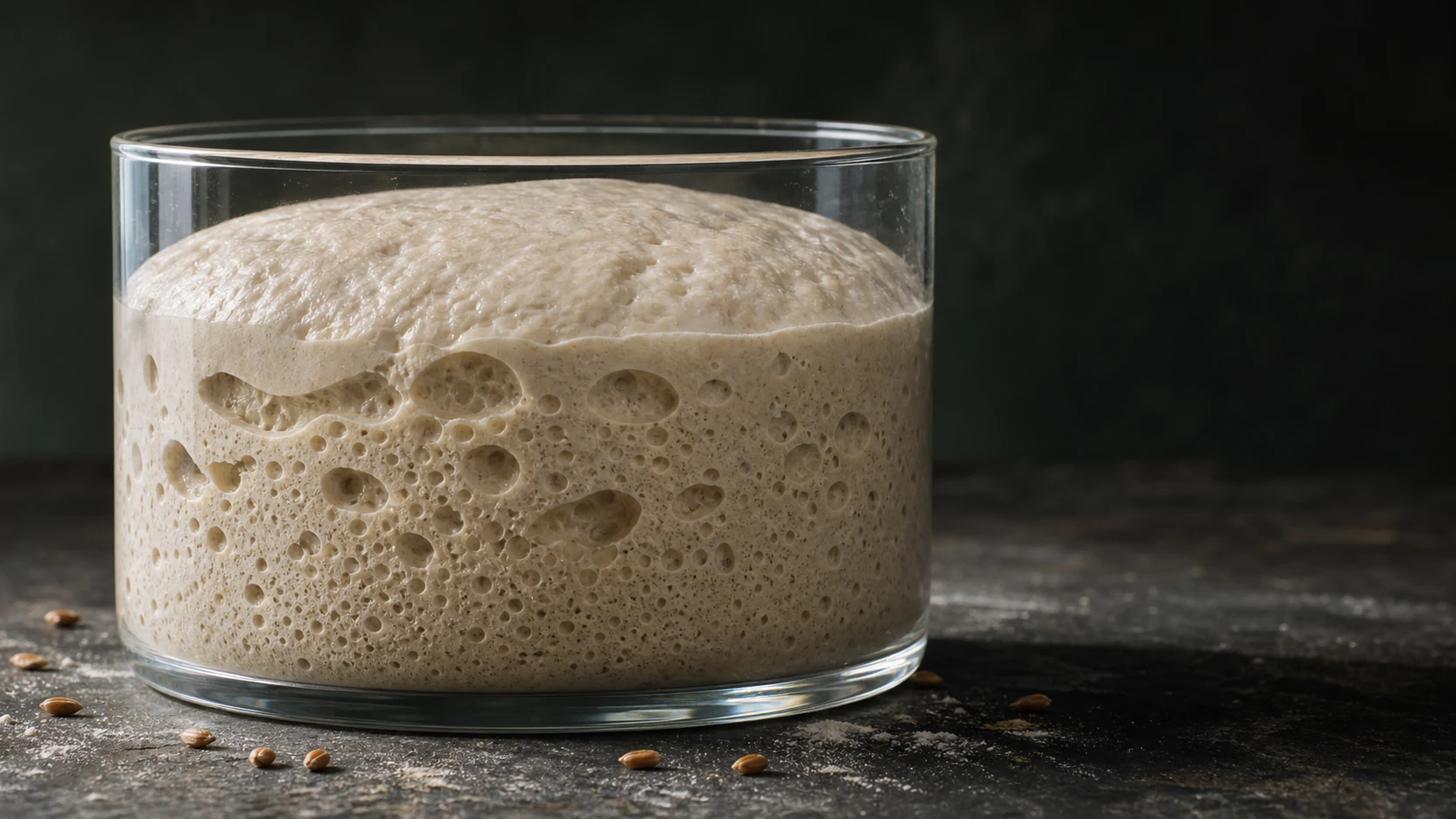
At its heart, sourdough fermentation is a natural, slow process where wild yeast and lactic acid bacteria work together to transform flour and water into airy, flavorful bread. As they feed on the sugars in the dough, these microorganisms create carbon dioxide for rise and acids for tang, shaping the bread’s texture, taste, and freshness.

The Microbial Duo at Play
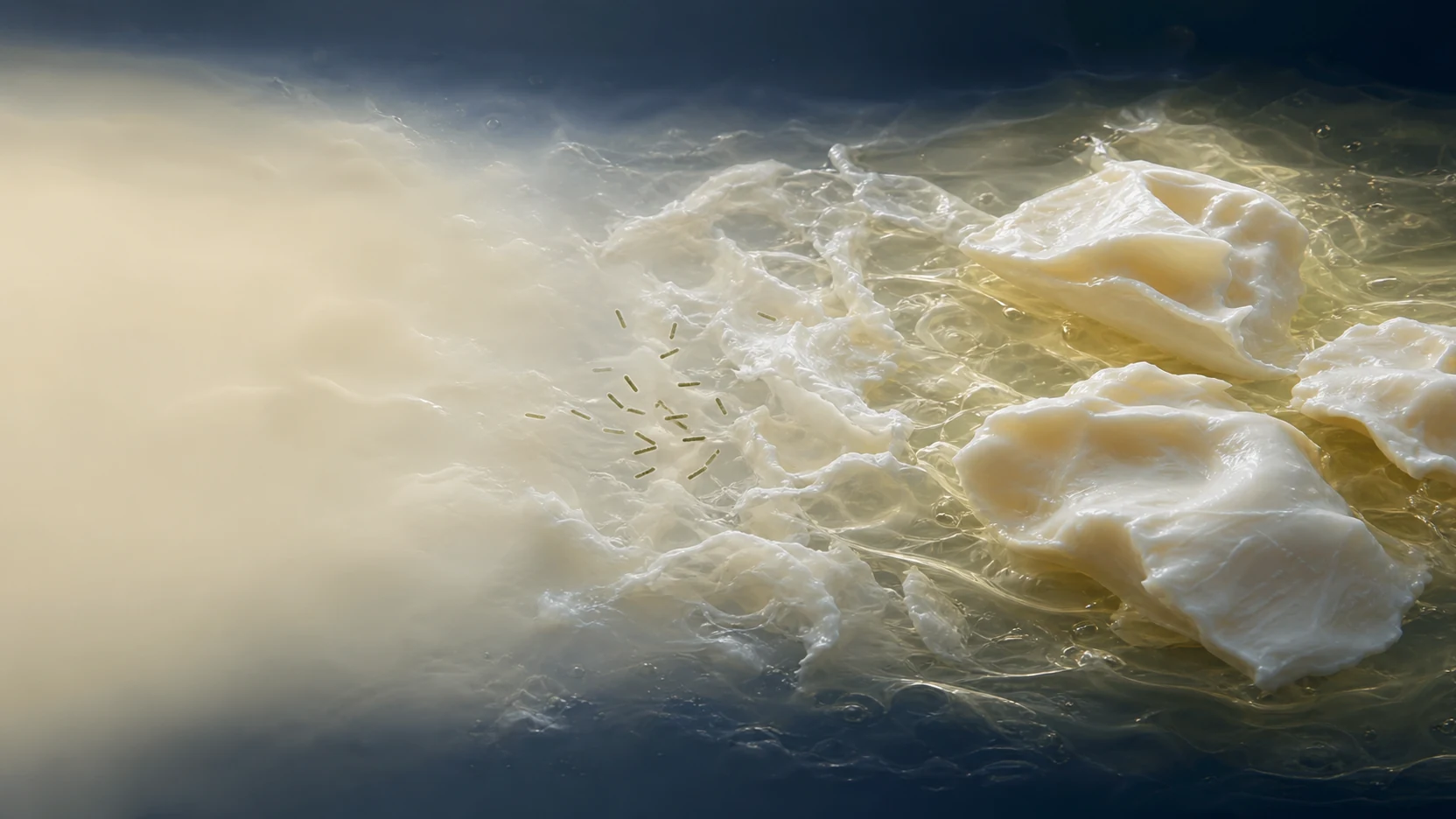
The magic begins in thesourdough starter—a living mixture of flour and water teeming with life. This community includes:
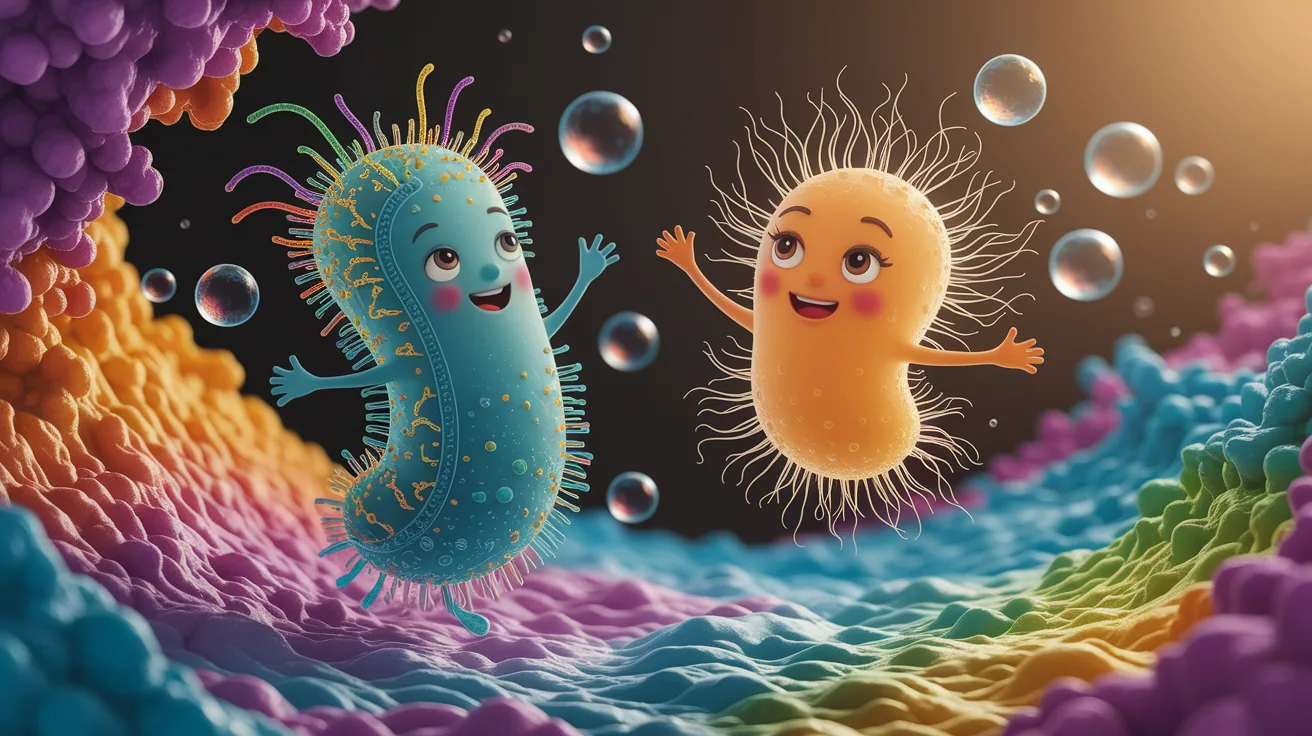
- Wild yeastsuch as strains from theSaccharomycesandCandidafamilies. These are responsible for producing carbon dioxide and ethanol through alcoholic fermentation, giving the dough its lift.
- Lactic acid bacteria, especially species ofLactobacillus, which manufacture lactic and acetic acids. These acids add the signature sour flavor and naturally preserve the bread by lowering pH levels.
Think of them as perfect partners: yeast brings the bubbles, bacteria bring the bite. Thismicrobial activityis influenced by ingredients, temperature, and starter maintenance, meaning each sourdough can have its own unique character.
Turning Flour into Food – Enzymes and Fermentation
Once you mix your starter with fresh flour and water, a fascinating chain of biochemical events unfolds:
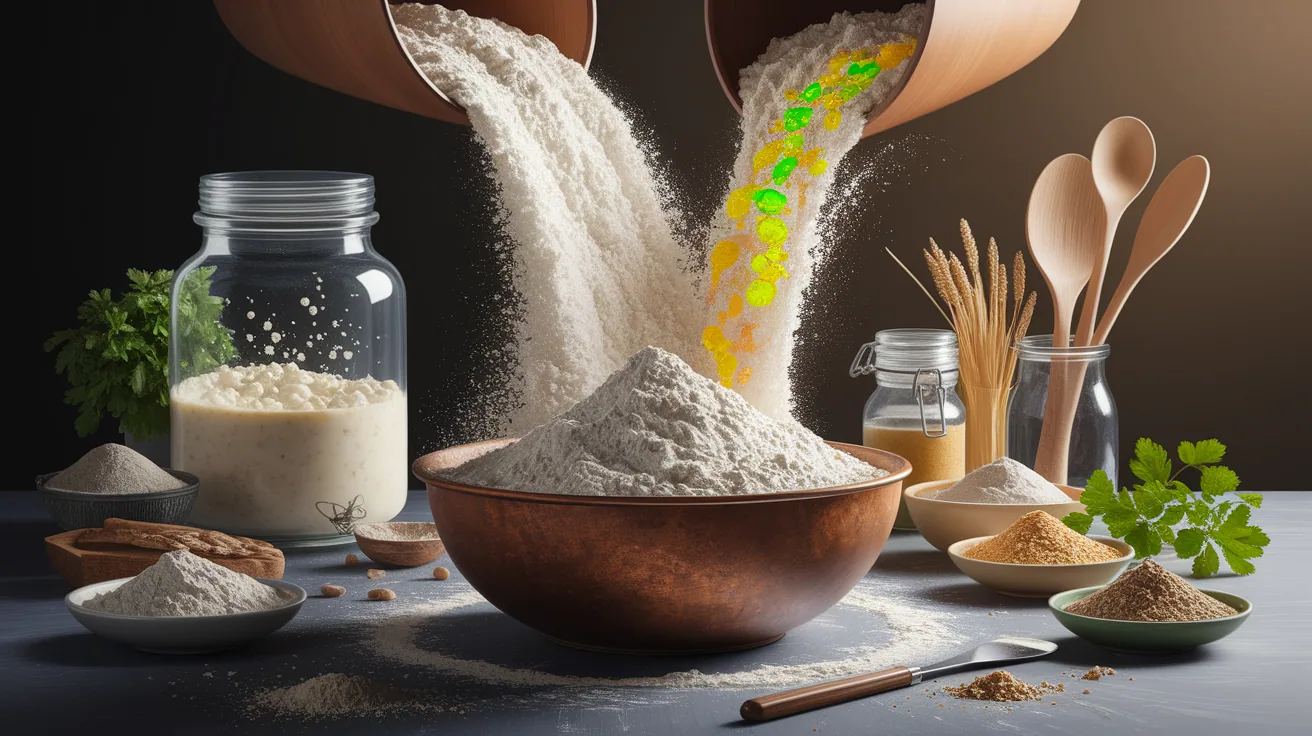
- Flour enzymesbreak down starch into simple sugars like maltose and glucose.
- Yeastconverts these sugars into carbon dioxide and ethanol during alcoholic fermentation. The gas gets trapped in the dough, helping it rise.
- Lactic acid bacteriaturn sugars into lactic acid and acetic acid, lowering the dough’s pH and enhancing flavor.
The yeasts and lactic acid bacteria in a starter contribute gas, acids and flavor compounds. Acidity and enzymes also change dough behavior; the balance depends on the organisms and fermentation conditions. Some acids can inhibit particular spoilage organisms, but fermentation does not guarantee food safety or prevent all spoilage. TheAmerican Society for Microbiology explains the sourdough microbiome.
Building the Crumb – Gluten and Structure
Gluten is the scaffolding of bread. When water meets flour, proteins called glutenin and gliadin link together into stretchy threads. These trap bubbles of carbon dioxide formed during fermentation.
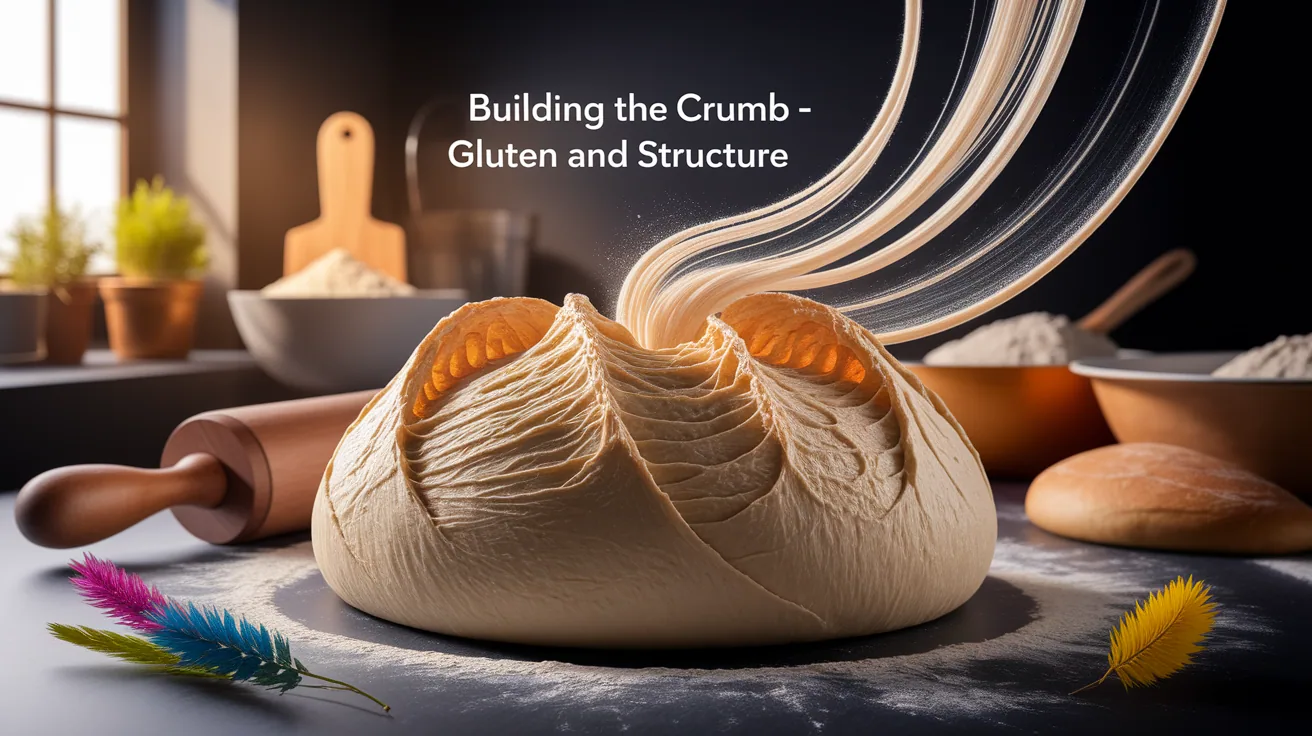
- Kneadingaligns and strengthens the gluten network, like weaving a net tighter.
- Slow fermentationallows flavor to deepen while maintaining dough elasticity.
- Acid production by bacteria subtly alters the gluten, influencing final bread texture.
The balance ofgluten development, dough hydration, and proofing time creates the open, chewy crumb prized in artisan bread making.
Flavor, Shelf Life, and Health Perks
Sourdough isn’t just delicious—it’s often more nutritious and longer-lasting than bread made with commercial yeast. According to research on thenutritional impact of sourdough fermentation:
- Mineral availabilityincreases because fermentation reduces phytates.
- Protein digestibilityimproves thanks to enzymatic breakdown.
- Lower glycemic indexhelps with blood sugar management.
- Natural preservationfrom acidity slows mold growth.
- Gut-friendlyacids and metabolites can support a healthy microbiota.
This combination of flavor complexity, improved texture, and health benefits is why sourdough remains a favorite in traditional baking methods.
Your Final Slice – Bringing It All Together
Sourdough fermentation is a captivating mix of biology, chemistry, and artistry. Wild yeast and lactic acid bacteria turn simple ingredients into something greater—gases for lift, acids for flavor, and a network of gluten for structure. Understanding the microbial duo, the role of enzymes, and the impact on crumb and nutrition lets bakers fine-tune every loaf. And with a bit of patience and care, every slice tells the story of a living culture at work, the way bakers have enjoyed for centuries.
Sources & further reading
That’s the mechanism. The wonder is still allowed.