

Morning Mysteries: The Quick Answer to How Fog Forms
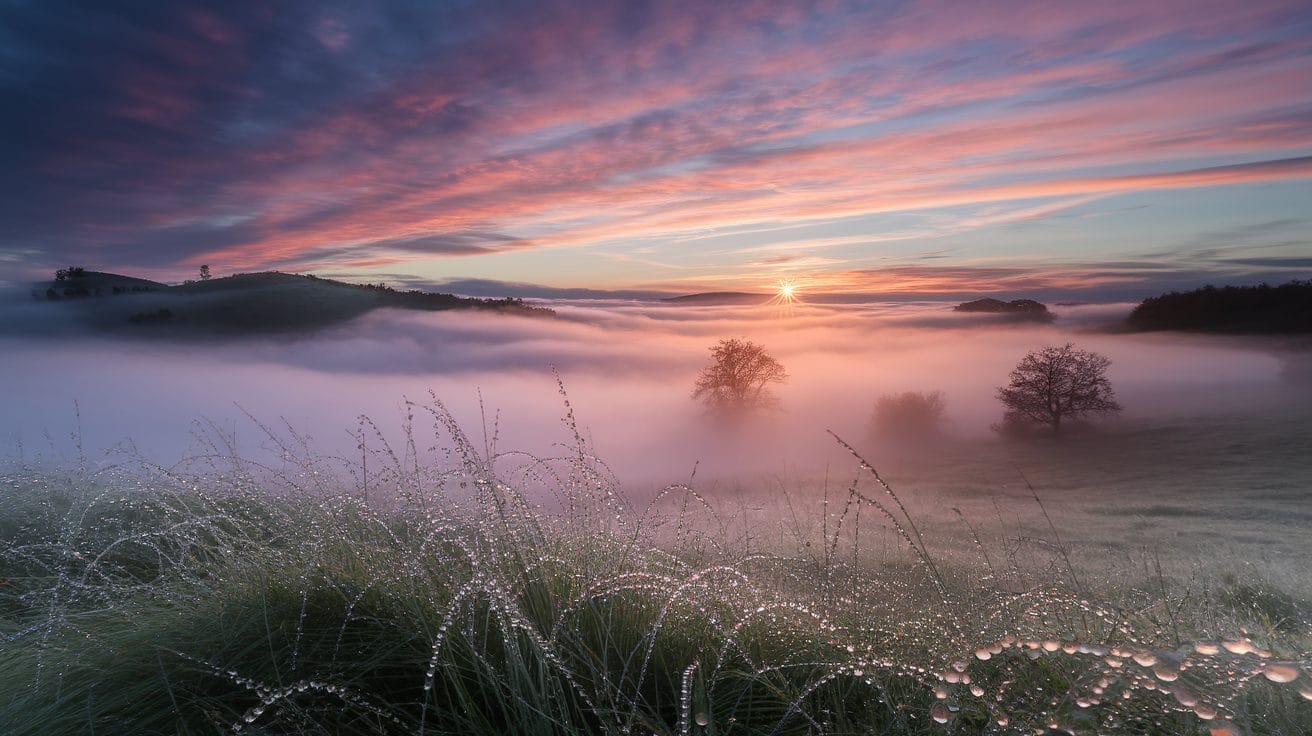
Fog forms when air near the ground cools enough for water vapor to condense into tiny droplets suspended in the air, making it look like a cloud at ground level. This cooling often happens during calm, clear nights and is most noticeable in the early morning. Essentially, it’s a beautiful mix of moisture, temperature drop, and still air creating a soft blanket over the landscape.

Essential Conditions for Fog Formation
Fog’s appearance depends on a few main factors that come together under the right atmospheric conditions. According to meteorology studies, the key ingredients include:
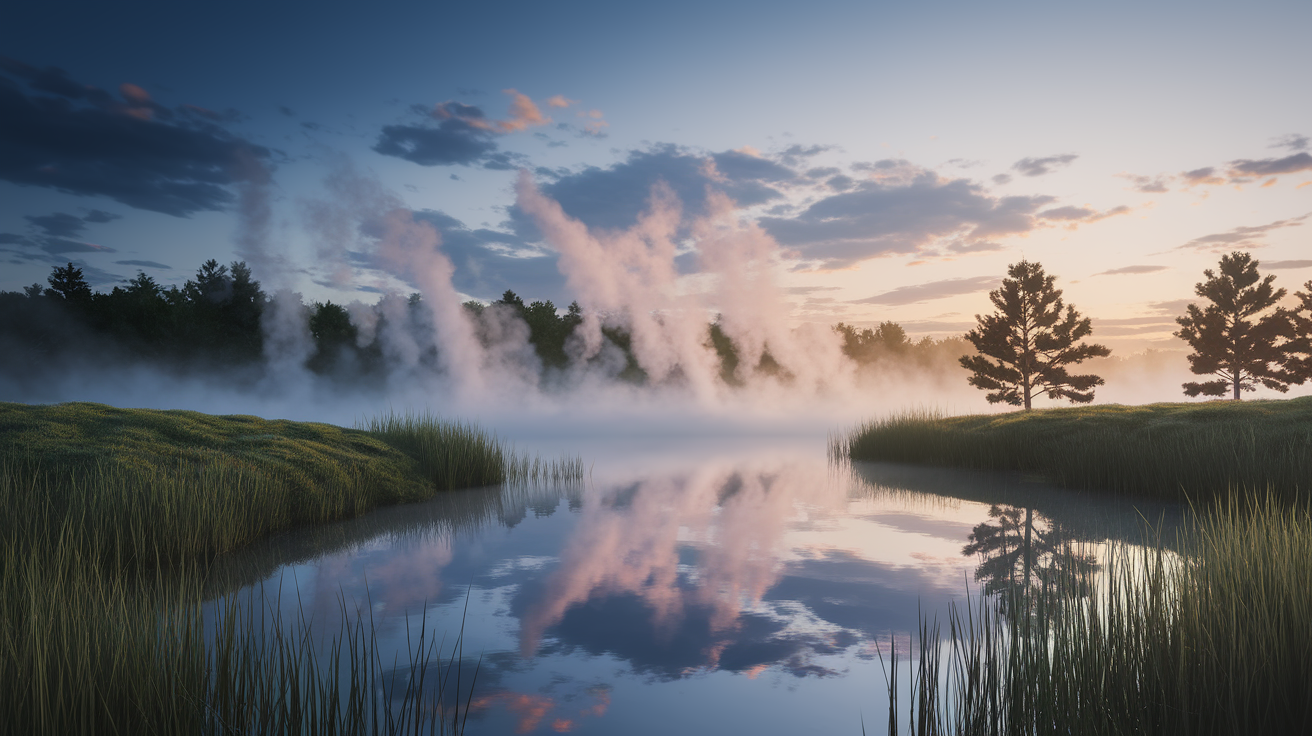
- Moisture in the air: Sufficient water vapor must be present for condensation to occur.
- Cooling to the dew point: Air temperature must drop to the saturation point where water vapor transforms into liquid droplets.
- Calm winds: Gentle or no wind allows the cooled air near the ground to remain undisturbed.
- Clear skies at night: This lets the ground radiate heat away quickly, cooling nearby air.
This process is much like cloud formation, except fog forms at ground level.
How Droplets Take Shape: The Role of Particles
The tiniest droplets in fog start their lives clinging to microscopic particles floating in the air. These particles could be dust, salt, or even pollution. As described by Science Focus, water vapor needs a surface to condense on—think of them as invisible “seed points” where liquid droplets grow.

- Dust and pollen: Common in rural and urban atmospheres.
- Salt crystals: Often found near oceans and coasts.
- Pollution particles: Enhance fog density in industrial zones.
These droplets are so small—measured in micrometers—that they hang suspended, scattering light and reducing visibility to less than a kilometer.
Main Types of Fog Explained
Fog has personalities, and each type forms in its own special way. The main types of fog are:
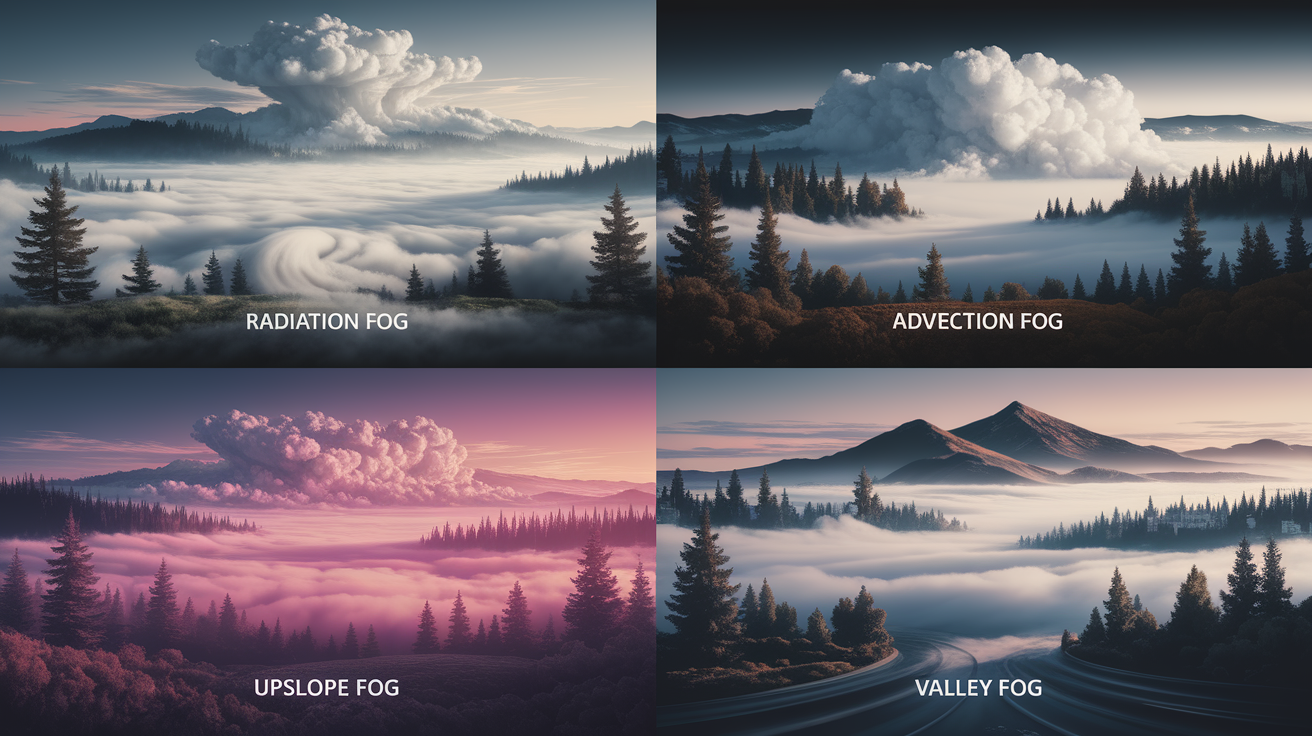
- Radiation fog: Forms on calm, clear nights when the ground cools by radiating heat, chilling the nearby air to dew point. Common in autumn and winter mornings and often disappears after sunrise.
- Advection fog: Happens when warm, moist air flows over a cooler surface, cooling it to saturation. Coastal regions like California experience this frequently.
- Ground fog: A shallower form of radiation fog, covering less than 60% of the sky and hugging the immediate surface.
Environmental Influences on Fog Formation
Fog doesn’t happen in isolation—it’s shaped by its surroundings and weather clues, as detailed in fog tutorials from the National Weather Service.
- Humidity: High relative humidity supplies the moisture needed for droplet formation.
- Temperature shifts: Cooling air to the dew point is critical for condensation.
- Wind speed: Gentle winds help fog develop, while strong winds disperse it or lift it into low clouds.
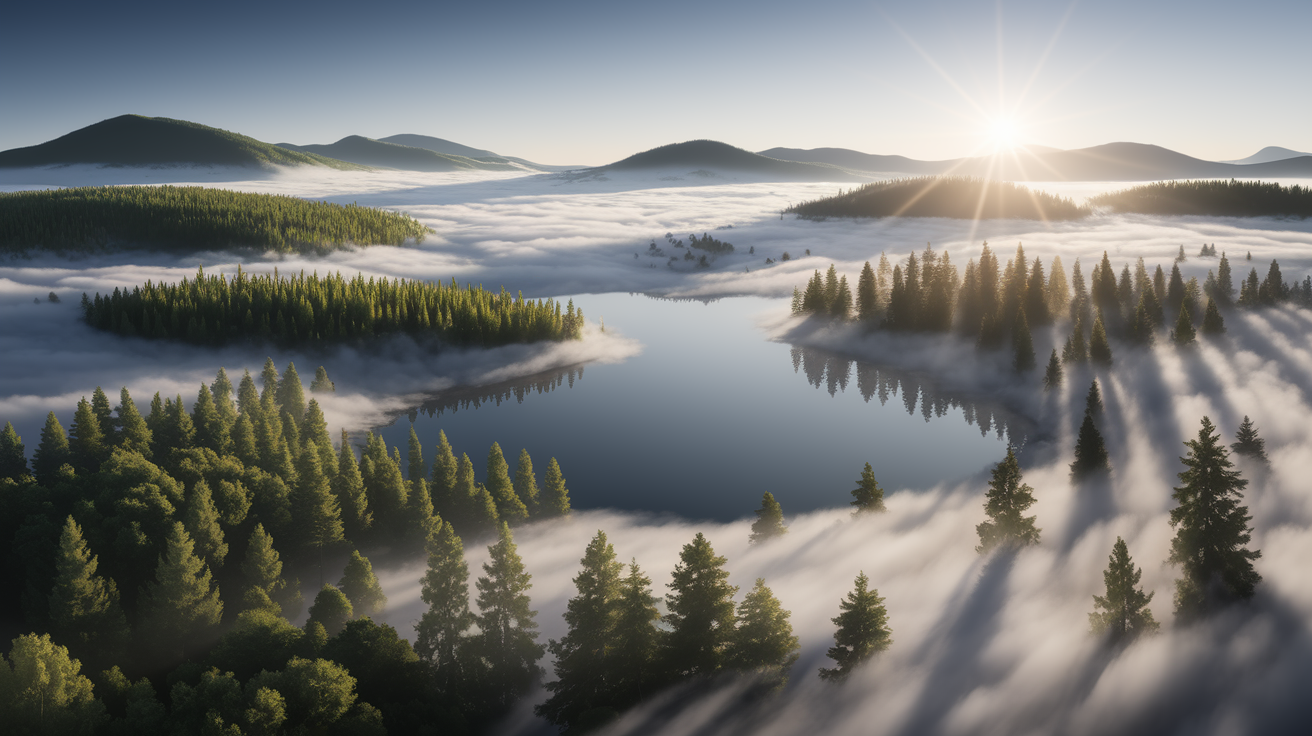
- Geography: Valleys and basins trap cool air and moisture, fostering thicker fog.
- Seasonal cycles: Autumn and winter’s longer nights and cooler temperatures encourage more frequent fog formation.
Seeing Through the Mist: How Fog Clears
Fog dissipates when conditions change enough to halt condensation and promote evaporation. Several processes can “clear the stage”:
- Sunlight warming the ground: Increases air temperature, lifting it above dew point.
- Wind mixing: Brings in drier air from above, diluting the saturated layer.
- Dry air influx: Reduces humidity, breaking droplet stability.
In coastal areas, fog can vanish quickly as shifting air currents alter temperature and humidity balances.
Final Insights: From Mist to Clear Skies
Fog is a fascinating weather phenomenon that blends moisture, cooling, and particle presence into an atmospheric low-level cloud. From serene morning radiation fog to dramatic blankets rolling in from the sea via advection fog, the interplay of temperature, humidity, and environment gives us mysterious landscapes and breathtaking views. Understanding how fog forms can help predict and safely navigate these misty moments—while also appreciating nature’s artistry at ground level.