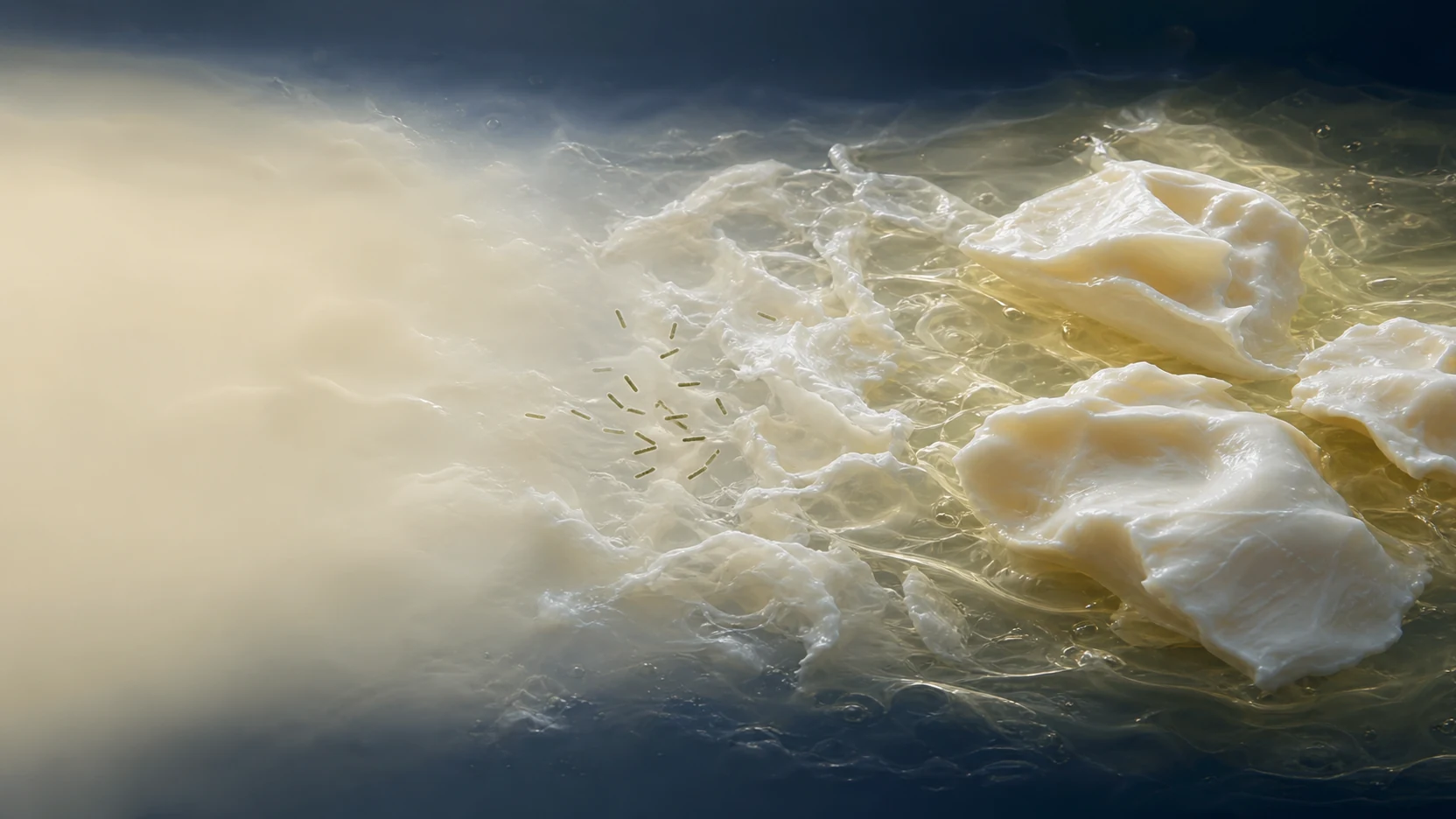
Quick Answer:Rain’s distinctive earthy aroma, known as petrichor, comes from plant oils and compounds like geosmin released from the ground when raindrops hit dry soil. These scents hitch a ride on tiny airborne bubbles, making fresh rain smell irresistible to many of us.
Rain's First Breath
Have you ever stepped outside just as a light shower begins and noticed that unmistakable “rain smell” in the air? That fascinating scent is more than just poetic—it’s a cocktail of natural fragrances driven by physical and chemical processes. Meteorology, airborne aerosols, and soil chemistry all play a role in how precipitation transforms the atmosphere in those first refreshing moments.
Uncovering the Term Petrichor
The name for this after-rain fragrance ispetrichor. Coined in 1964 by Australian scientists Isabel Joy Bear and Richard Thomas in a Nature paper, the term blends the Greek words “petra” (stone) and “ichor” (the fluid that flows in the veins of the gods). Long before science defined the word, poets and artists had celebrated it as the smell of renewal. For a deeper dive into the poetic and mythological connections, explorethis discussion.
The Ingredients of Petrichor
The earthy aroma we detect after rain is created by a mix of chemical compounds and biological activity:

- Plant oils: Released during dry periods and stored in soil and rocks until rain arrives.
- Geosmin: A musky-sweet compound produced by soil-dwelling bacteria such asStreptomyces. It gives wet soil and water sources their characteristic smell.
- Ozone: Occasionally generated by lightning, adding a distinct sharpness to the rain scent.
When these plant oils and geosmin are freed by raindrops, they mix with moisture in the air to form volatile compounds that reach our noses. Learn more about the role of bacteria and other sources inthis explanation.
Raindrops as Aroma Dispensers
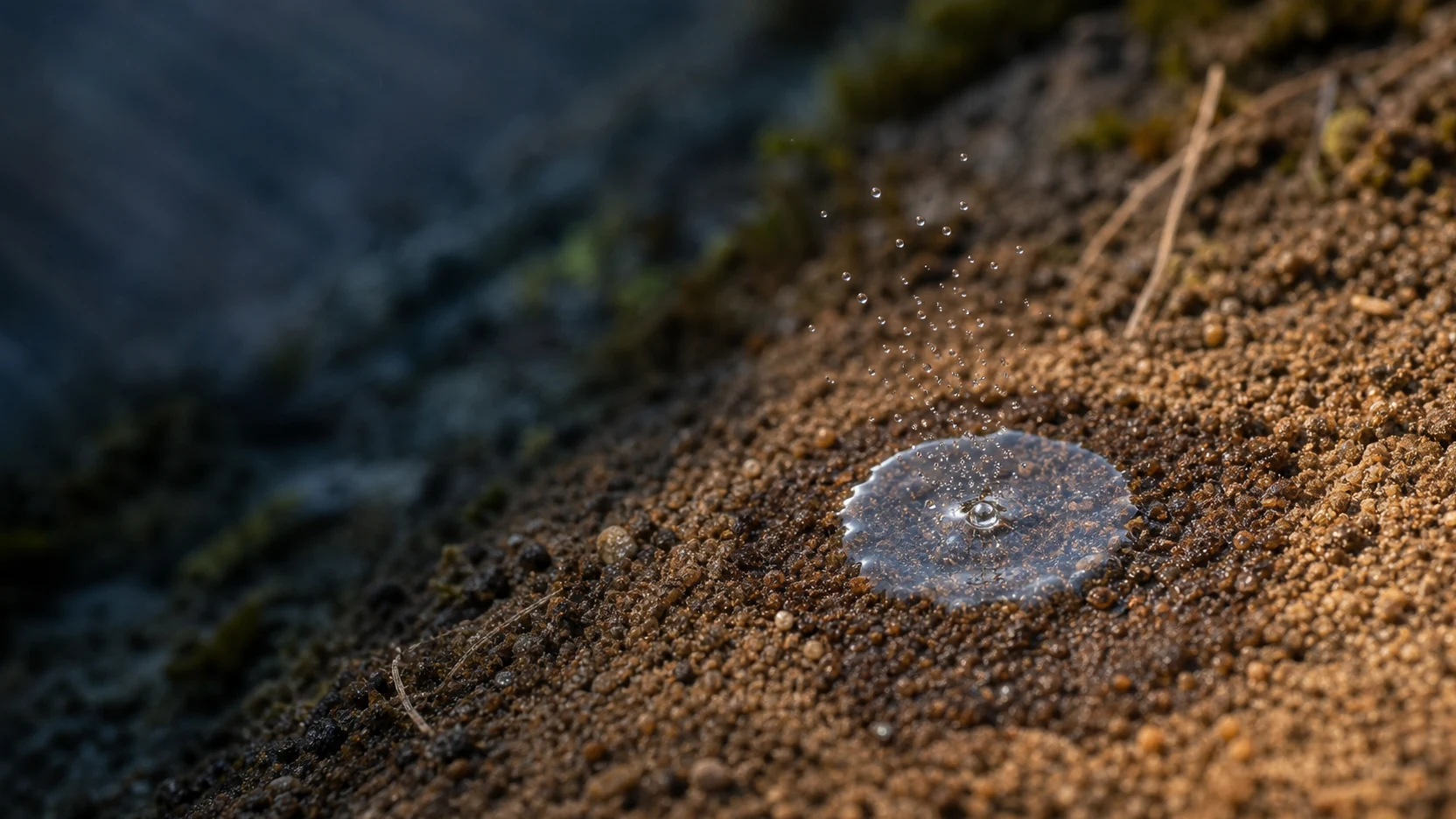
Raindrops act like tiny delivery trucks for scent molecules. When they hit dry, porous surfaces such as soil, air trapped in the pores forms minuscule bubbles. These bubbles rise and burst, releasing aerosols that carry geosmin and plant oils skyward. Interestingly:
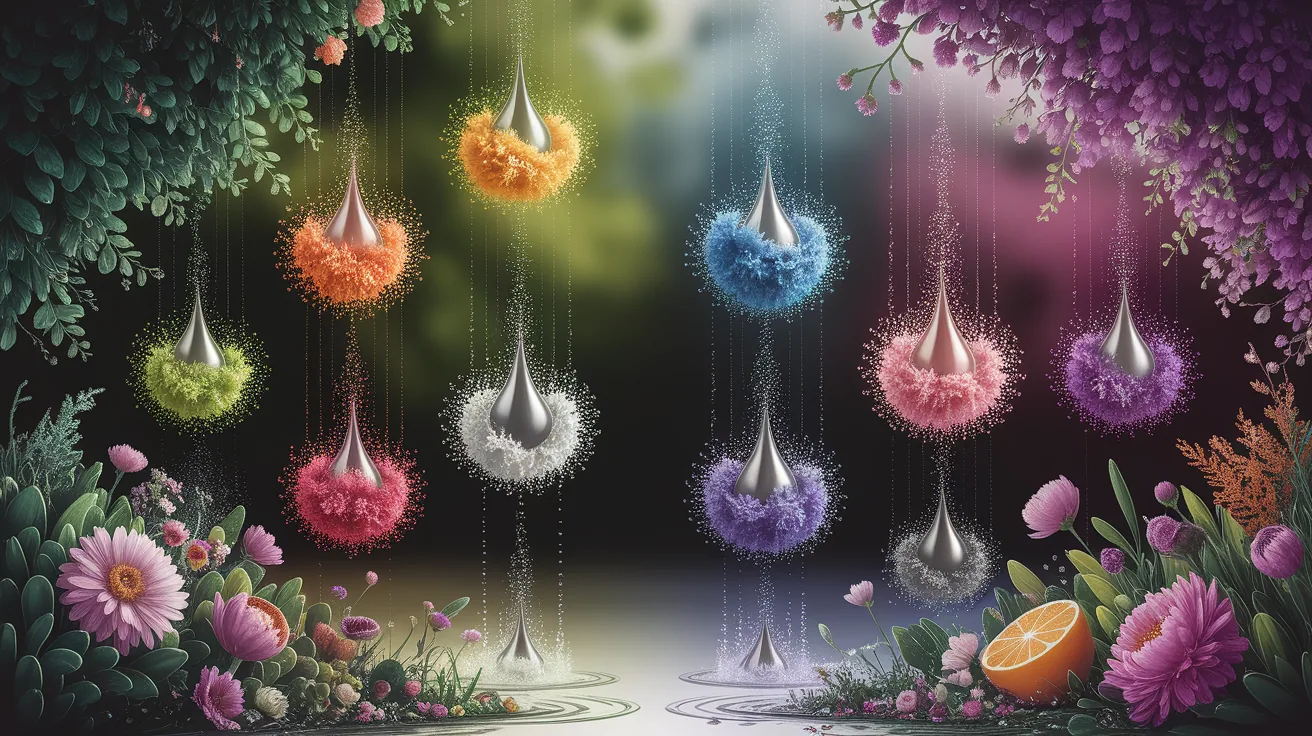
- Gentle, slow-moving raindrops produce more aerosols, intensifying the scent.
- Light showers often make petrichor more detectable than heavy downpours.
- Some aerosols can contain microscopic organisms, linking the phenomenon to microbial activity in the ground.
This elegant raindrop-to-aerosol process has been beautifully detailed inthis overview.
Why We Detect Petrichor
Humans are remarkably sensitive to geosmin, able to detect it at levels as low as 0.4 parts per billion. This could be linked to our relationship with water-rich environments. In a practical sense, sensing petrichor may have once been a cue for approaching rainfall and hydration opportunities—just as desert camels can sniff out distant oases with similar scents.
Our olfactory receptors latch onto petrichor because:
- Geosmin’s aromatic signaturestands out from common environmental scents.
- Plant oils in the mixadd complexity to the aroma.
- Perceived freshness signals changes inhumidityandatmospheric pressure.
For more insight into how we respond biologically and emotionally to rain smells, seethis article.
A Fragrant Finale
Petrichor isn’t just a scientific curiosity—it’s a bridge between earth science, biology, and cultural memory. Fromartistic inspirationsto meteorological studies, the scent’s appeal lies in its ability to signal change, refresh the mind, and connect us to the rhythms of nature. Next time you catch that earthy aroma on the breeze before or after a shower, you’ll know you’re witnessing rain’s first breath—an atmospheric symphony of chemistry, moisture, and air.
Sources & further reading
That’s the mechanism. The wonder is still allowed.