Quick Answer:Tap water odors typically result from dissolved gases (like hydrogen sulfide), disinfectants (like chlorine), minerals (such as iron or manganese), or bacteria in your plumbing system. While most smelly water is safe to drink, the odors can signal water quality issues ranging from harmless aesthetic problems to potential contamination that may require testing or treatment.
The Rotten Egg Dilemma
That unmistakable rotten egg smell wafting from your faucet is likely hydrogen sulfide (H₂S) gas - a naturally occurring compound that, even at very low concentrations, can make your water extremely unpleasant to drink.

Where does this sulfurous odor come from? Several sources can be responsible:
- Sulfate-reducing bacteria- These tiny microorganisms thrive in low-oxygen environments like water heaters and plumbing systems where they convert naturally occurring sulfates into hydrogen sulfide gas. This is particularly common inwell water systems.
- Geological influences- Areas with sulfur-rich geology such as limestone or gypsum layers often have groundwater containing more sulfates, providing more "food" for these bacteria.
- Decaying organic matter- Underground decomposition processes can generate hydrogen sulfide gas that dissolves into well water.
- Water heater reactions- The magnesium rod (anode) in many water heaters can chemically react with sulfates in the water, creating that tell-tale rotten egg smell specifically in hot water.
Interestingly, the rotten egg smell is oftenmore pronounced in warm waterand might only be noticeable first thing in the morning or after water has been sitting in pipes overnight.
Chlorine and Chemical Odors
If your tap water smells like a swimming pool or has a bleach-like odor, you're detecting chlorine-based disinfectants used by water treatment facilities.

This common tap water smell exists for good reason:
- Disinfection necessity- Municipal water suppliers add chlorine or related compounds to kill harmful bacteria and prevent microbial growth as water travels through distribution systems to your home. These chemicals areregulated by the EPAat levels considered safe for consumption.
- Chloramine presence- Some treatment plants use chloramine (a chlorine-ammonia compound) instead of free chlorine as a longer-lasting disinfectant. This can sometimes produce a slightly different odor, occasionally described as fishy.
- Seasonal variations- The chlorine smell often intensifies during summer months when algae blooms increase organic matter in source water, prompting treatment facilities to increase disinfectant levels.
When chlorine-based disinfectants react with organic materials in the water, they can create byproducts called trihalomethanes (THMs), which may contribute to unusual tastes and odors in your drinking water. While the chlorine smell might be off-putting, it actually indicates that your water has been properly treated to eliminate potentially harmful microorganisms.
Metallic and Musty Odors
A metallic taste or smell in your tap water often points to mineral content or plumbing issues.
The main culprits behind these types of odors include:
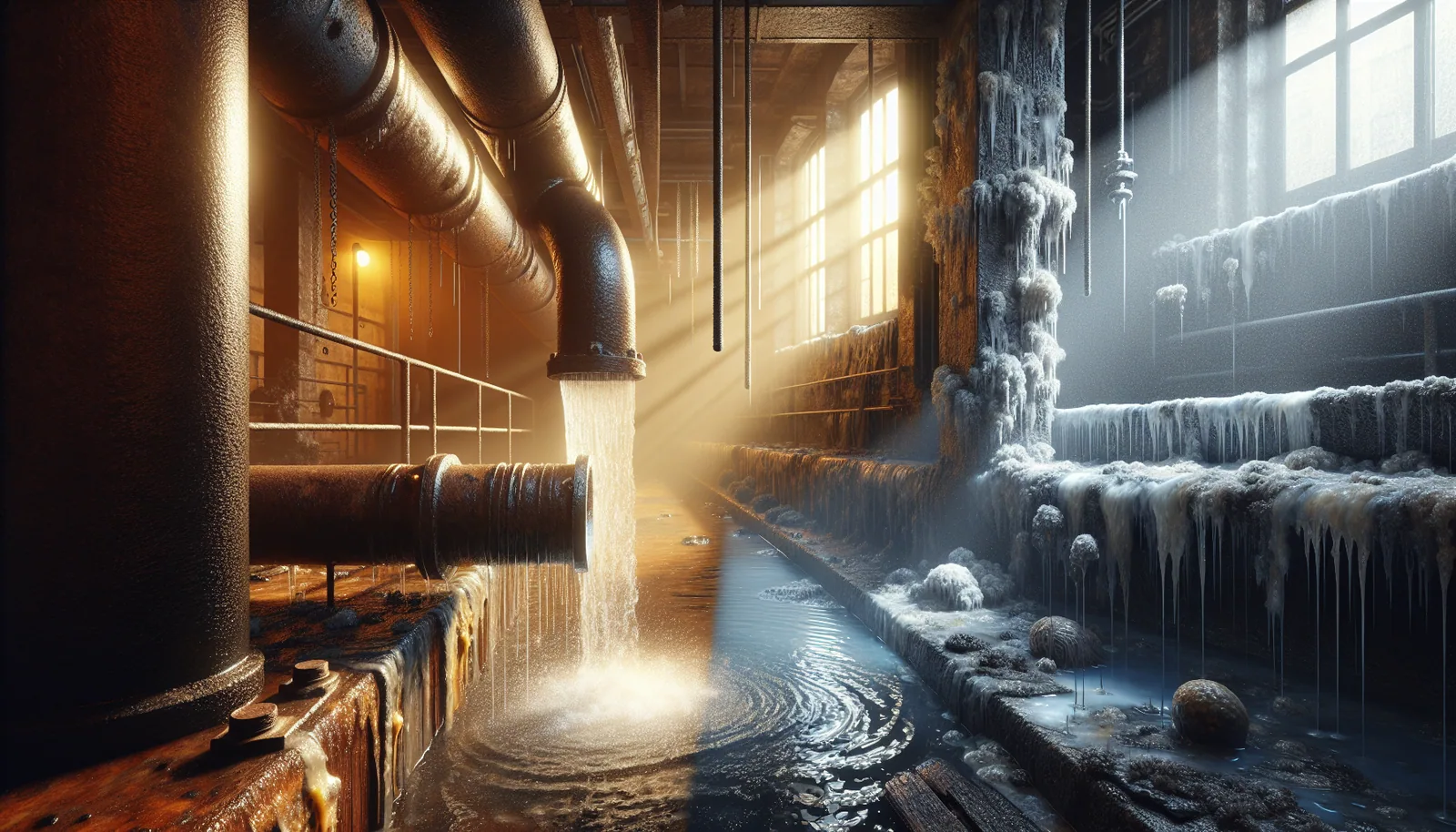
- Dissolved metals- Iron, manganese, copper, and zinc can leach into water from corroding pipes or naturally mineral-rich groundwater, creating a distinctly metallic taste and sometimes odor. This is especially common in homes with older plumbing systems.
- Iron bacteria- These specialized microorganismsfeed on dissolved ironin your water supply, producing a slimy residue and musty, earthy, or even fuel-like odors. You might notice reddish-brown slime in toilets or sinks where these bacteria thrive.
- Algae byproducts- Certain types of algae that grow in reservoirs and lakes can release compounds like geosmin and 2-methylisoborneol (MIB) that create earthy or musty odors detectable even at extremely low concentrations.
While these smells may be unpleasant, they typically represent aesthetic issues rather than health concerns. However, metallic odors could indicate pipe corrosion that might eventually lead to other problems in your plumbing system, making them worth investigating.
Sewage-Like Smells
Perhaps the most alarming tap water smell is one resembling sewage or rotten garbage. Before panicking, it's important to understand that the source is often not the water itself.

Common causes of sewage-like odors include:
- Drain biofilm- Bacteria growing indrain pipesfeed on accumulated organic matter like hair, soap scum, and food particles, producing unpleasant odors that can be mistaken for contaminated water.
- P-trap issues- The curved pipe section beneath sinks (P-trap) should always contain water to block sewer gases. If this trap dries out from disuse, sewer odors can rise through the drain.
- Water heater bacteria- When set at too low a temperature, water heaters can become breeding grounds for bacteria that produce foul odors, especially noticeable in hot water.
- Well contamination- In rare cases, sewage odors in well water might indicate actual contamination from nearby septic systems, particularly after heavy rainfall or flooding.
To determine if the problem is in your water supply or just the drain, fill a clean glass with tap water and smell it away from the sink. If the water itself doesn't smell, the odor is likely coming from the drain or plumbing system rather than the water supply.
Health Implications and Safety Measures
While most tap water odors are harmless annoyances, some might signal issues requiring attention:

- Safety of common odors- Sulfur (rotten egg) and chlorine smells are generally not harmful at the levels typically found in drinking water, though they may make the water unpleasant to consume.
- Potential concerns- Persistent metallic odors might indicate excessive levels of iron, manganese, copper, or other metals that could stain fixtures or, in rare cases, cause health issues with long-term exposure.
- Warning signs- Chemical or fuel-like odors could indicatepetroleum contaminationfrom nearby industrial sites, leaking underground storage tanks, or other serious contamination requiring immediate professional assessment.
- Testing recommendations- Well owners should test their water annually for bacteria and contaminants. Municipal water users can request water quality reports from their providers or consider home testing if odors persist.
For most odor issues, simple solutions like activated carbon filters can improve taste and smell. However, different problems require different treatment approaches:
- Hydrogen sulfide: Oxidation filtration or aeration systems
- Chlorine odors: Activated carbon filters
- Metallic smells: Water softeners or specialized filtration
- Bacterial issues: Shock chlorination or continuous disinfection systems
Conclusion: Clearing the Air on Tap Water Smells
Smelly tap water is usually more of a nuisance than a health hazard. The odors typically stem from naturally occurring minerals, necessary treatment chemicals, or harmless bacteria rather than dangerous contamination. By identifying the specific smell and its likely cause, you can determine whether simple home remedies will suffice or if professional testing and treatment are warranted. When in doubt about water quality, contact your local water utility or health department for guidance on testing and treatment options.
Sources & further reading
- well water systems
- more pronounced in warm water
- regulated by the EPA
- feed on dissolved iron
- drain pipes
That’s the mechanism. The wonder is still allowed.