
Quick Answer:Touchscreens work by detecting a change in electrical properties, pressure, light, or sound waves at the point of contact. Most modern devices use capacitive sensing, which detects the tiny electrical charge of your finger; older and specialized systems use pressure, infrared light, or acoustic waves instead.
The core idea: sensing a touch, not "feeling" it
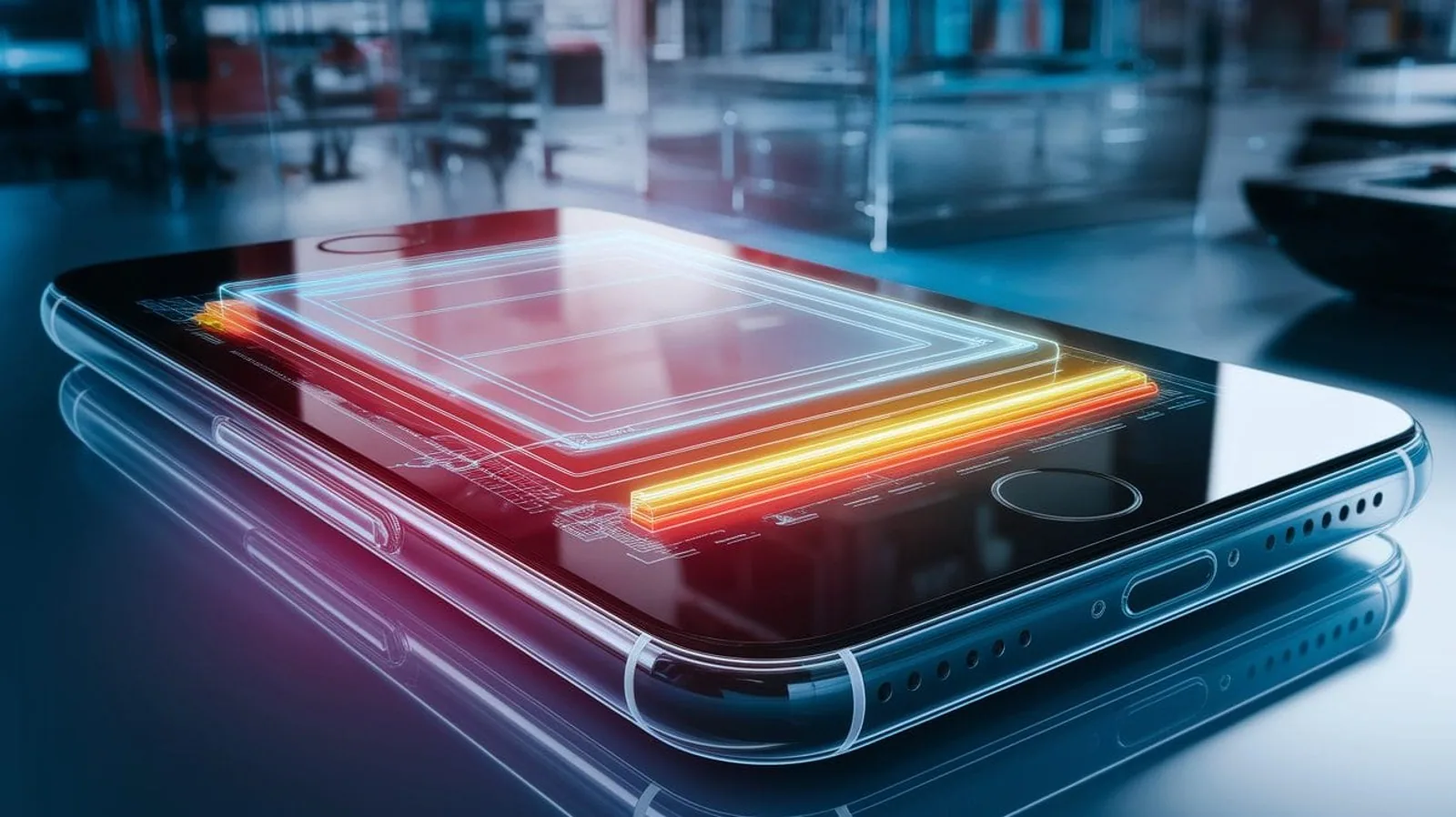
A touchscreen does not feel your finger the way skin feels pressure. It detects a measurable change at a specific location on its surface and translates that change into coordinates the device can act on. Every touchscreen is therefore a sandwich of two systems: the display that shows content, and a transparent sensor layer that reports where — and sometimes how — you touched it. A controller chip reads the sensor signals and converts them into the taps, swipes, and pinches the operating system understands.
Four ways to sense your touch
Touchscreen technologies differ in what physical quantity they measure:
Capacitive technology
Capacitive screens — the type in virtually every modern smartphone and tablet — are coated with a transparent conductive layer, typically indium tin oxide. When your finger touches the glass, it distorts the screen's electric field because the human body conducts electricity slightly. Sensors measure that change at the intersection points of a fine grid of electrodes and calculate the touch location. Because they respond to electrical properties rather than pressure, capacitive screens work with a bare finger but not with most ordinary gloves, and they support multitouch gestures.HowStuffWorksandWikipedia's touchscreen articleboth offer clear technical walkthroughs of the mechanism.
Resistive systems
Resistive screens consist of two flexible conductive layers separated by a tiny gap. Pressing the screen pushes the layers together at that point, changing the electrical resistance and revealing the touch location. They work with any object — finger, stylus, gloved hand — but they require real pressure, support only single-touch input, and their outer layer can scratch. This makes them common in industrial controls, ATMs, and older handheld devices.
Surface acoustic wave (SAW) technology
SAW screens send ultrasonic waves across the glass surface. A finger touching the screen absorbs some of the wave energy at that point, and sensors measure the attenuation to locate the touch. SAW screens offer excellent clarity because they have no conductive coating, but dirt, water, or scratches on the surface can confuse them.
Infrared detection
Infrared touchscreens line two edges of the display with LED emitters and the opposite edges with light sensors, creating an invisible grid of beams just above the surface. A finger breaks one or more beams, and the controller computes the intersection. Infrared systems work with any object and any glove, which is why they appear in kiosks and large displays — at the cost of a slightly thicker bezel to house the emitters.
Why capacitive touchscreens dominate
Capacitive sensing won the smartphone era because it is fast, supports multitouch, tolerates the scratches and wear that would kill a resistive layer, and can be built directly into the glass. The trade-off — no response from ordinary gloves — is why "touchscreen gloves" exist: their fabric is woven with conductive thread that restores the electrical connection a bare finger would make.
Beyond taps: gesture recognition
Once a screen can report a series of touch coordinates over time, software takes over: swipes, pinch-zoom, rotation, and long-presses are all patterns of coordinates the controller or operating system recognizes. The sensor layer only measures where contact happens; the intelligence that turns those measurements into gestures lives in software.
The bottom line
A touchscreen is a position sensor layered on a display. Capacitive screens measure the electrical disturbance of your finger; resistive screens measure pressure; acoustic and infrared systems measure waves interrupted by contact. Everything else — the responsive feel, the gestures, the pinch-to-zoom — is software interpreting a stream of coordinates.
Sources & further reading
That’s the mechanism. The wonder is still allowed.