

Quick Answer
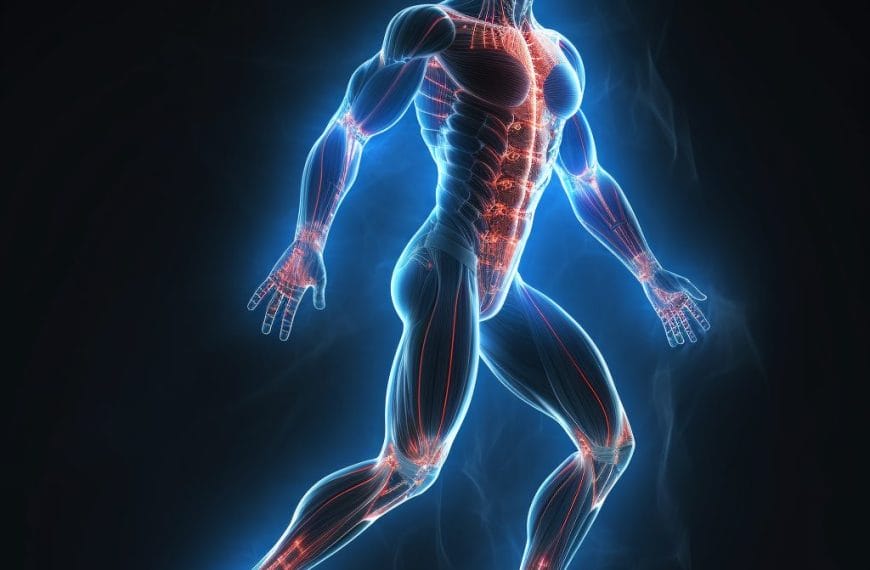
Cold water immersion therapy significantly accelerates post-workout recovery by reducing inflammation, decreasing muscle soreness, and triggering beneficial physiological responses including improved circulation and neurotransmitter release. This chilling practice delivers both physical and mental benefits, making it a powerful recovery tool for athletes and active individuals alike.

Introduction – The Icy Advantage
Picture this: after an intense workout, professional athletes plunge themselves into tubs filled with icy water, their faces contorting as they endure the shocking cold. What seems like a form of voluntary torture is actually a sophisticated recovery technique that’s gaining popularity not just among elite sportspeople, but everyday fitness enthusiasts too.

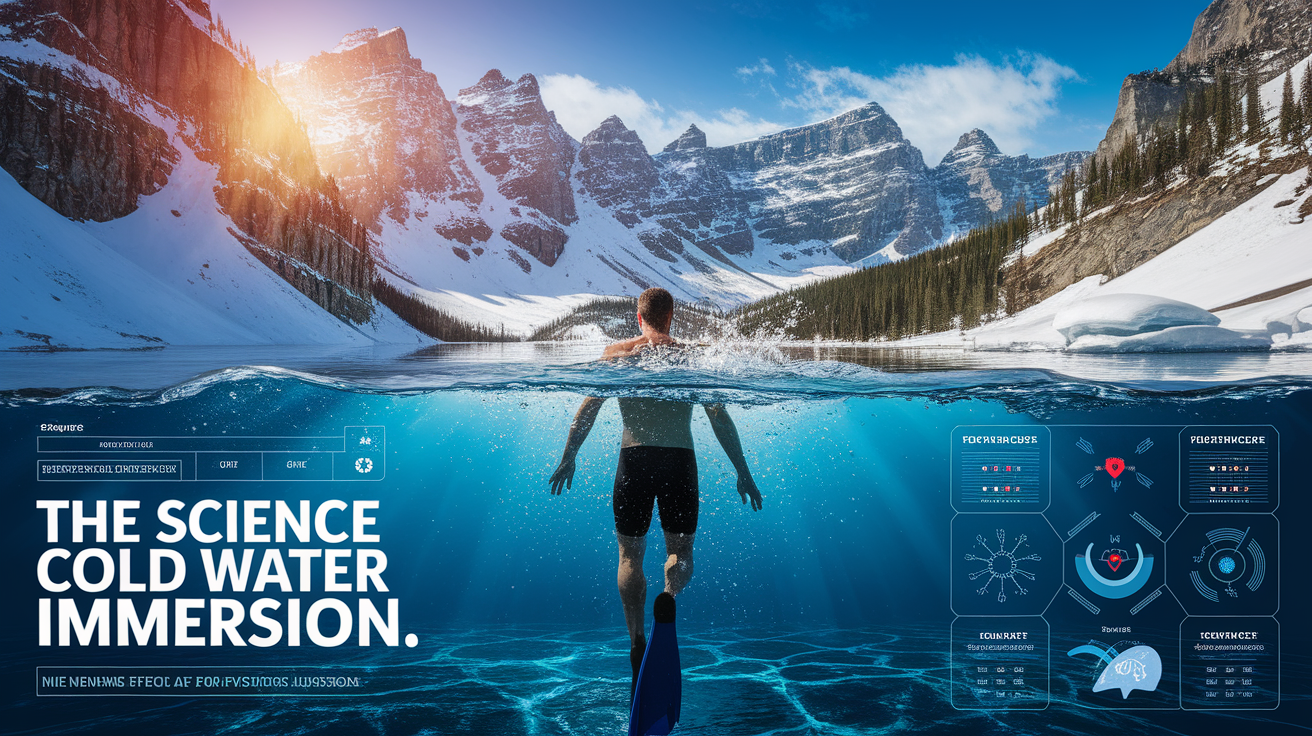
Cold water immersion (CWI), commonly known as ice baths or cold plunges, has been used for centuries but has recently gained scientific backing as a powerful recovery tool. The practice involves submerging the body in water typically between 50-59°F (10-15°C) for a controlled period—creating a chilling advantage that might be worth the momentary discomfort.
But what exactly happens to your body during that teeth-chattering dip, and how does it translate to better recovery? Let’s dive in (pun intended) to uncover the refreshing benefits of going cold.
The Science Behind Cold Water Immersion
When you immerse yourself in cold water, your body initiates what scientists call the “cold shock response”—a series of rapid physiological changes that create a cascade of beneficial effects.
The Cold Shock Response
Within seconds of cold exposure, your body experiences:
- Peripheral vasoconstriction: Blood vessels near your skin narrow dramatically, redirecting blood flow to vital organs
- Tachycardia: Your heart rate increases
- Hyperventilation: Your breathing becomes more rapid
- Hypertension: Blood pressure rises temporarily
While these might sound alarming, they’re actually part of a well-orchestrated response that triggers healing mechanisms. According to research on neural mechanisms, cold water immersion causes remarkable spikes in important neurotransmitters—norepinephrine increases by up to 530% and dopamine by up to 250%!
Temperature Effects on Nerves and Muscles
Cold water significantly reduces skin temperature, which has direct effects on your nervous system. The cold slows nerve conduction velocity by 10-33% and decreases the production of acetylcholine, a neurotransmitter involved in muscle contraction. These neurological changes, detailed in this physiological study, explain why cold therapy is so effective at reducing muscle spasms and stiffness after exercise.
Think of it like pressing the “reset button” on your muscles’ electrical system—temporarily slowing down the signals that might be causing discomfort and allowing for a more organized recovery process.
Muscle Recovery and Performance
One of the most celebrated benefits of cold water immersion is its ability to accelerate muscle recovery after strenuous exercise. This is particularly important for athletes who need to bounce back quickly between training sessions or competitions.
Battling DOMS and Muscle Fatigue
If you’ve ever experienced that crippling soreness the day after a tough workout, you’re familiar with delayed-onset muscle soreness (DOMS). Cold water immersion has been shown to significantly reduce this discomfort. According to a comprehensive review, CWI effectively:
- Reduces perceived exertion immediately post-exercise
- Decreases muscle stiffness and soreness
- Lowers creatine kinase (CK) levels—a marker of muscle damage—at 24 hours post-exercise
- Reduces lactate levels at 24-48 hours, helping clear metabolic waste products
Performance Indicators
Beyond just feeling better, cold water immersion can actually improve performance metrics. Meta-analysis research has found that athletes who use CWI demonstrate improved countermovement jump (CMJ) performance—a key indicator of muscle function and power output—compared to those who don’t use cold recovery techniques.
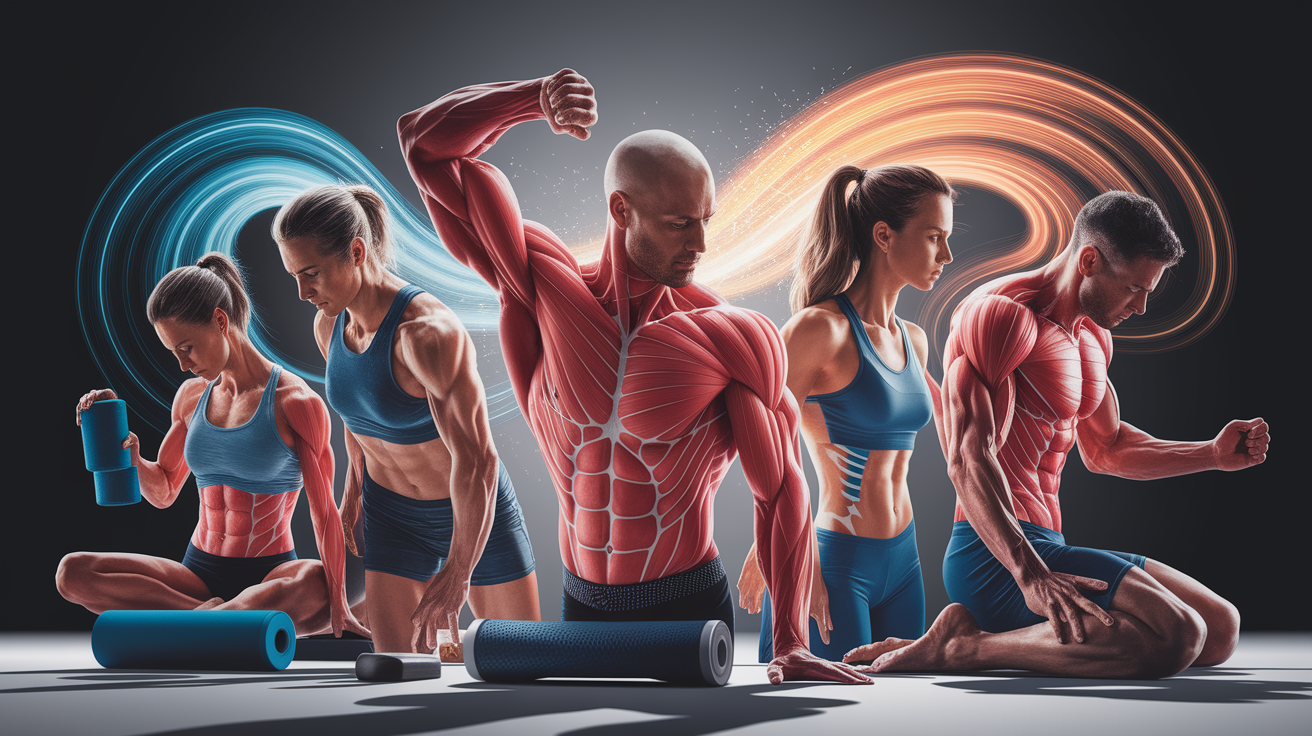
However, it’s worth noting that cold water immersion may not be the optimal choice for all recovery scenarios. For endurance recovery specifically, some research suggests hot water immersion might have advantages. The key takeaway? Cold water immersion excels at alleviating soreness and reducing muscle damage, making it ideal for recovery from high-intensity or strength training.
Optimal Cold Water Immersion Protocol
For those wondering about the practical aspects of cold water immersion, here’s what research suggests:
- Temperature: 50-59°F (10-15°C) is the typical range used in studies showing benefits
- Duration: 10-15 minutes is generally effective, though protocols vary
- Timing: Immediately post-exercise seems to yield the best results
- Frequency: After intense training sessions or competitions, but not necessarily daily
Inflammation and Immune Modulation
While some level of inflammation is a natural part of the body’s healing process after exercise, excessive inflammation can delay recovery and potentially lead to injury. Cold water immersion offers a natural way to modulate this response.
Time-Dependent Anti-inflammatory Effects
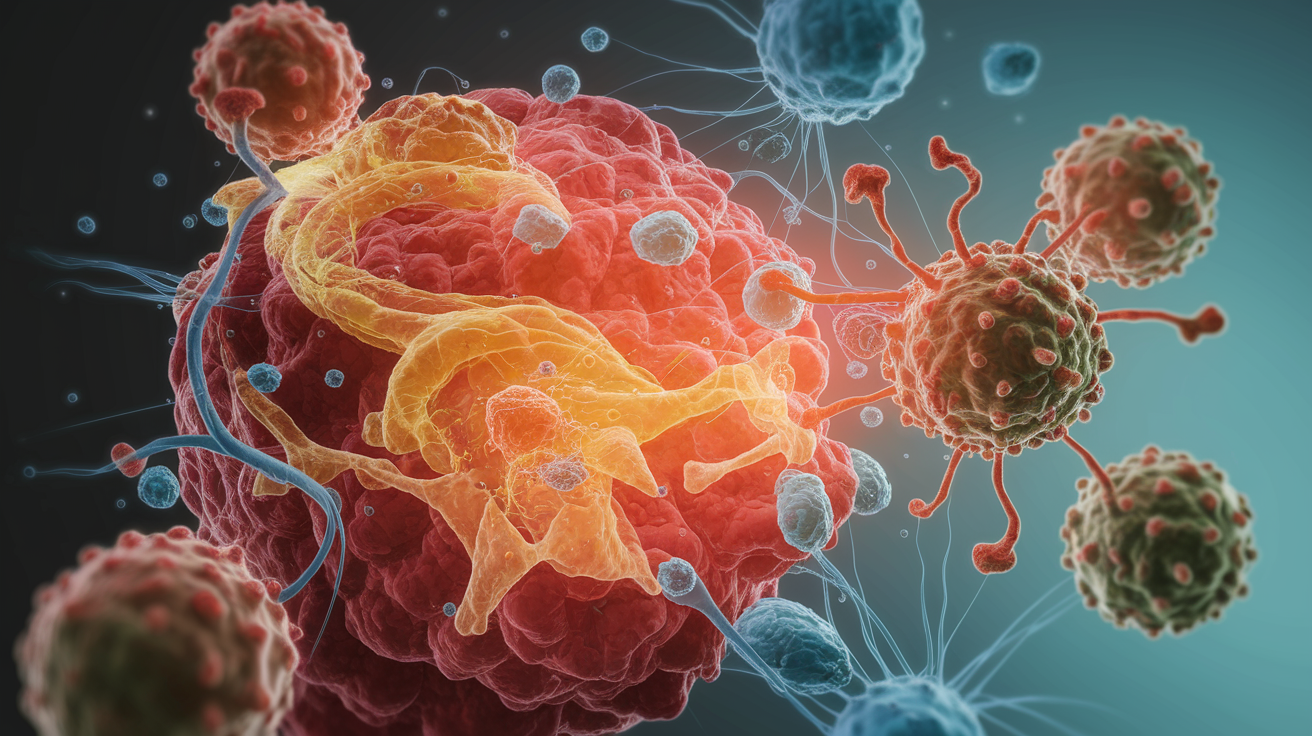
Cold water immersion produces fascinating time-dependent effects on inflammation. Systematic reviews show that immediately after immersion, there can actually be short-term increases in leukocytes and lymphocytes—components of your immune system. However, the longer-term effects tend toward reduced post-exercise inflammation.
Specifically, some studies have found that cold water immersion can lower markers like tumor necrosis factor-α (TNF-α) at 24 hours post-exercise. The reduced levels of creatine kinase mentioned earlier also serve as indicators of lower inflammation levels following CWI treatment.
Immune System Benefits
Perhaps one of the most interesting findings related to regular cold exposure is its potential impact on overall immune function. Research highlighted in this review suggests that regular cold exposure was associated with a 29% drop in sickness absence—suggesting potential immune-boosting effects.
For those dealing with chronic autoimmune conditions, the anti-inflammatory effects of cold water immersion may offer additional benefits beyond just exercise recovery, though more research is needed in this specific area.
Mental and Emotional Benefits
Perhaps surprisingly, the benefits of cold water immersion extend well beyond the physical—the practice offers remarkable psychological advantages that might be reason enough to take the plunge.
Mood Enhancement and Brain Connectivity
According to fascinating fMRI research, cold water immersion enhances positive affect, making individuals feel more:
- Active and alert
- Attentive and focused
- Proud and inspired
Simultaneously, it reduces feelings of distress and nervousness. These mood changes aren’t just subjective—they’re linked to measurable changes in brain function, including increased functional connectivity in critical brain networks like the frontoparietal and default mode networks.
The dramatic increases in dopamine mentioned earlier (up to 250%) likely contribute significantly to these mood-boosting effects. Think of dopamine as your brain’s “reward chemical”—the same neurotransmitter that makes activities like eating chocolate feel pleasurable is released in abundance during cold water immersion.
Sleep Quality and Well-being
Beyond the immediate mood boost, regular cold water immersion has been associated with improvements in:
- Sleep quality
- Overall quality of life
- Potential antidepressive effects
These benefits, highlighted in a comprehensive review, suggest that cold water immersion might be a valuable practice not just for physical recovery but for mental wellness too.
Many cold plunge enthusiasts report a sense of mental clarity and calmness following their cold immersion sessions—a phenomenon sometimes called the “cold high” that can last for hours afterward.
Conclusion – Embrace the Chill
Cold water immersion represents a fascinating intersection of ancient practice and modern science. From reducing muscle soreness and inflammation to boosting mood and potentially strengthening immunity, the benefits extend far beyond what most people realize when they first consider taking the plunge.
While it may not be appropriate for everyone (those with certain cardiovascular conditions should consult healthcare providers), cold water immersion offers a relatively accessible recovery tool that doesn’t require expensive equipment or professional supervision once safety guidelines are understood.
So next time you’re facing post-workout soreness or looking for a natural mood boost, consider embracing the chill—those few minutes of discomfort might translate to hours or days of improved recovery and wellbeing. As counterintuitive as it might seem, sometimes the path to feeling better involves making yourself really, really cold first!