

The Quick Answer
That sudden dizzy sensation when you stand up quickly is called orthostatic hypotension—a temporary drop in blood pressure that reduces blood flow to your brain. Your body usually adjusts quickly to position changes, but when this compensation system falters, you experience that familiar lightheaded, wobbly feeling that typically lasts just a few seconds or minutes.

Symptoms to Watch For
That dizzy spell isn’t the only sign your body might be struggling with the transition from sitting to standing. Here are the common symptoms you might experience:

- Lightheadedness or dizziness (the most common symptom)
- Blurry or tunneled vision
- Weakness or feeling unsteady
- Confusion or trouble concentrating
- Fainting (syncope) in more severe cases
- Nausea or feeling “clammy”
- Fatigue after standing
- “Coat hanger” pain in your neck and shoulders
Most people experience these symptoms within seconds to minutes of standing up, and they typically resolve quickly once you sit or lie down again. The symptoms might worsen after a hot shower, a large meal, during physical activity, or when standing for extended periods.
The Science Behind the Dizzy Spell
The science behind standing-related dizziness is fascinating—it’s all about gravity and your body’s amazing (but sometimes imperfect) response systems!
Gravity’s Immediate Effect
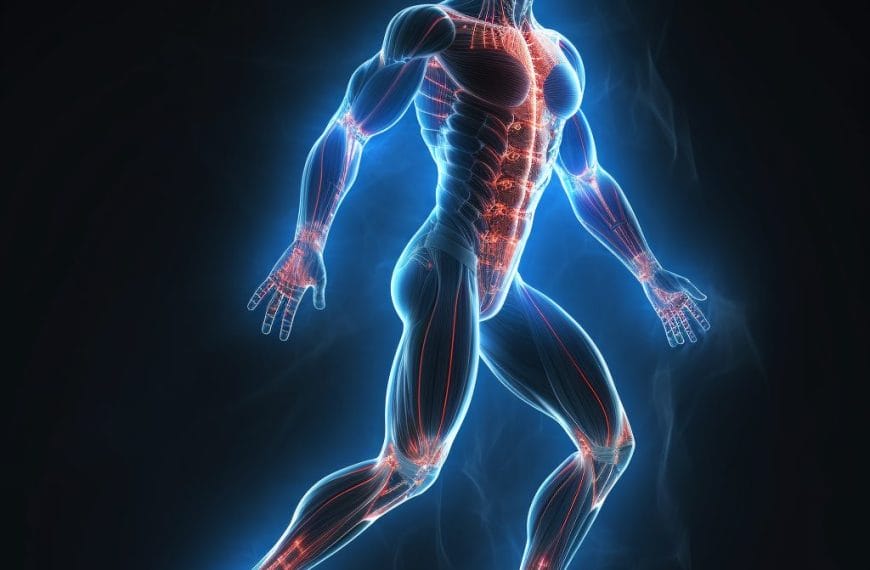
When you stand up from sitting or lying down, gravity immediately pulls about 0.5 to 1 liter of your blood downward into the vessels of your legs and abdomen. This is entirely normal, but it creates an immediate challenge for your circulatory system.
This downward blood shift means:
- Less blood returns to your heart
- Your heart pumps out less blood
- Your blood pressure temporarily drops
- Less blood reaches your brain
Your Body’s Rapid Response
In healthy individuals, special pressure sensors called baroreceptors in your carotid arteries (neck) and aortic arch (heart) detect this pressure drop within seconds. These sensors trigger your autonomic nervous system to launch an immediate compensation plan:
- Your heart rate increases
- Blood vessels in your legs and abdomen constrict
- Your body maintains blood flow to your brain
When this system works properly, you might not notice anything when standing up. But when these compensatory mechanisms fail or respond too slowly, your brain experiences a brief period of reduced blood flow (cerebral hypoperfusion), causing that dizzy sensation.
This condition, orthostatic hypotension, is defined as a drop of at least 20 mmHg in systolic blood pressure or 10 mmHg in diastolic blood pressure within 3 minutes of standing.
Common Causes and Risk Factors
That momentary dizziness might just be from standing too quickly, but persistent or severe episodes often have specific underlying causes:

Temporary Factors
- Dehydration: From fever, vomiting, diarrhea, excessive sweating, or inadequate fluid intake
- Medications: Blood pressure medications, diuretics, some antidepressants, and certain heart medications
- Prolonged bed rest: Your circulatory system becomes less efficient after extended periods of inactivity
- Heat exposure: Hot environments cause blood vessels to dilate, potentially lowering blood pressure
- Large meals: Blood flow increases to your digestive system after eating, reducing availability elsewhere
Underlying Medical Conditions
- Heart problems: Valve issues, heart failure, slow heart rate (bradycardia), or arrhythmias
- Neurological disorders: Parkinson’s disease, multiple system atrophy, or diabetic neuropathy
- Endocrine issues: Adrenal insufficiency, low blood sugar
- Age-related changes: Blood vessel stiffness and baroreceptor sensitivity naturally decrease with age
Did you know that up to one-third of older adults may have orthostatic hypotension, though many experience no symptoms? Acute episodes often stem from obvious triggers like dehydration, while chronic, persistent cases may signal underlying health issues.
When to Seek Help
While occasional mild dizziness when standing is usually harmless, certain situations warrant medical attention:
See a Doctor If:
- You frequently feel dizzy or lightheaded when standing
- You’ve fainted or lost consciousness when standing up
- Symptoms don’t resolve within a few minutes
- Dizziness interferes with daily activities
- You’re at high risk for falls (especially older adults)
- You experience symptoms along with chest pain, severe headache, irregular heartbeat, or trouble breathing
Persistent orthostatic hypotension can lead to serious complications including:
- Falls and related injuries
- Stroke from reduced brain blood flow
- Cardiovascular problems like heart failure or arrhythmias
Your doctor can perform specific tests to evaluate your blood pressure response to position changes and identify any underlying conditions requiring treatment.
Conclusion: Staying Steady
That momentary dizziness when standing up is your body’s way of telling you its blood pressure regulation system is playing catch-up. For most of us, it’s a brief, harmless sensation. For some, especially older adults or those with certain medical conditions, it can signal something requiring attention.
Simple strategies like staying hydrated, rising slowly from seated or lying positions, and reviewing medications with your doctor can help minimize these dizzy spells. Understanding this fascinating aspect of our circulatory system helps us appreciate just how remarkably our bodies adapt to the constant challenge of gravity—even if they need a moment to adjust!