Quick Answer:Your breathing pattern is closely tied to your nervous system, and slow, controlled breathing can take the edge off anxiety in the moment. The research behind breathing for stress is real, but it's more modest than many headlines suggest — and it works best alongside professional care, not as a replacement for it.
Introduction: The Breath-Anxiety Connection
Have you ever noticed how your breathing changes when you're anxious? It typically becomes shallow, rapid, and centered in your chest rather than your abdomen. This isn't a coincidence — it's a fundamental connection between your respiratory patterns and your emotional state. The breath-anxiety relationship works both ways: anxiety can alter your breathing, and changing a breathing pattern may influence how anxiety feels.

People have used breath control for emotional regulation for centuries; what's newer is research attempting to measure how and when it helps — and how large the effects really are.
The Science Behind Breathing and Anxiety
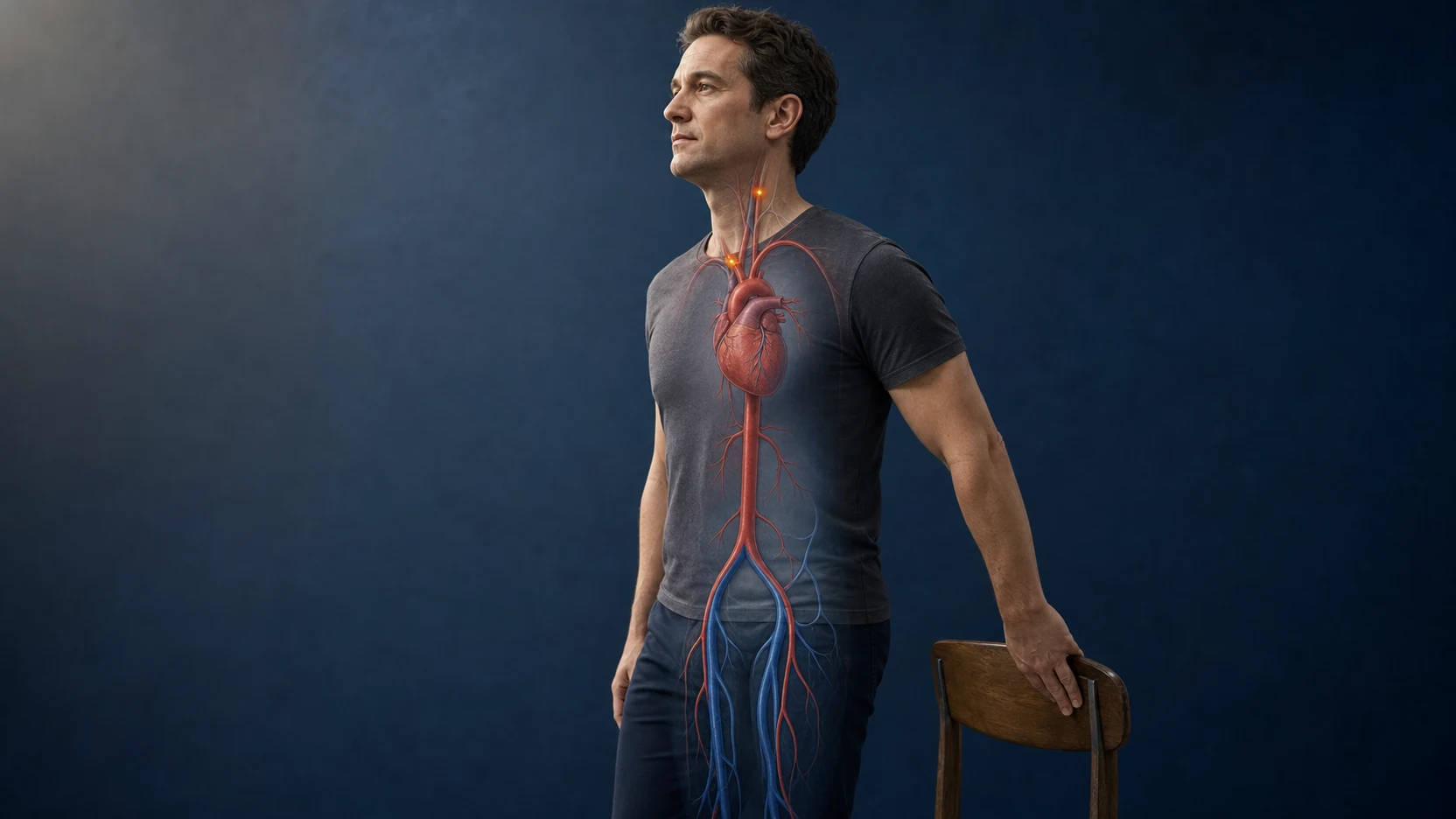
When you feel anxious, your body activates its "fight-or-flight" response, part of your sympathetic nervous system. This ancient protective mechanism prepares you for danger by increasing your heart rate, tensing muscles, and speeding up breathing. While helpful against true threats, this response can become a burden when it fires at everyday stressors.
Controlled breathing practices are thought to engage the parasympathetic nervous system — your body's "rest and digest" mode — as a counterbalance.Reviews of the researchfind that slow breathing practices can shift the autonomic nervous system toward this more relaxed state, though the size of the effect varies with the technique and the person.

The mechanics involve several factors:
- Vagal tone:Slow breathing with extended exhales is thought to engage the vagus nerve and nudge the body toward parasympathetic ("rest and digest") activity.
- Heart rate variability:Slow-paced breathing can shift heart-rate variability — a marker of autonomic balance — though findings vary across practices and studies.
- Brain activity:Breathing practices are being studied for their effects on brain activity related to attention and emotional regulation (see below).
For example, a2025 study of 17 healthy adultsfound that slow-paced breathing — about six breaths a minute — reduced self-reported anxiety and increased a midfrontal alpha-asymmetry pattern associated with positive emotion. The calming effect persisted briefly even after participants viewed unpleasant images.
Evidence from Research
Here is some of the strongest research on breathing and anxiety — along with its limits:

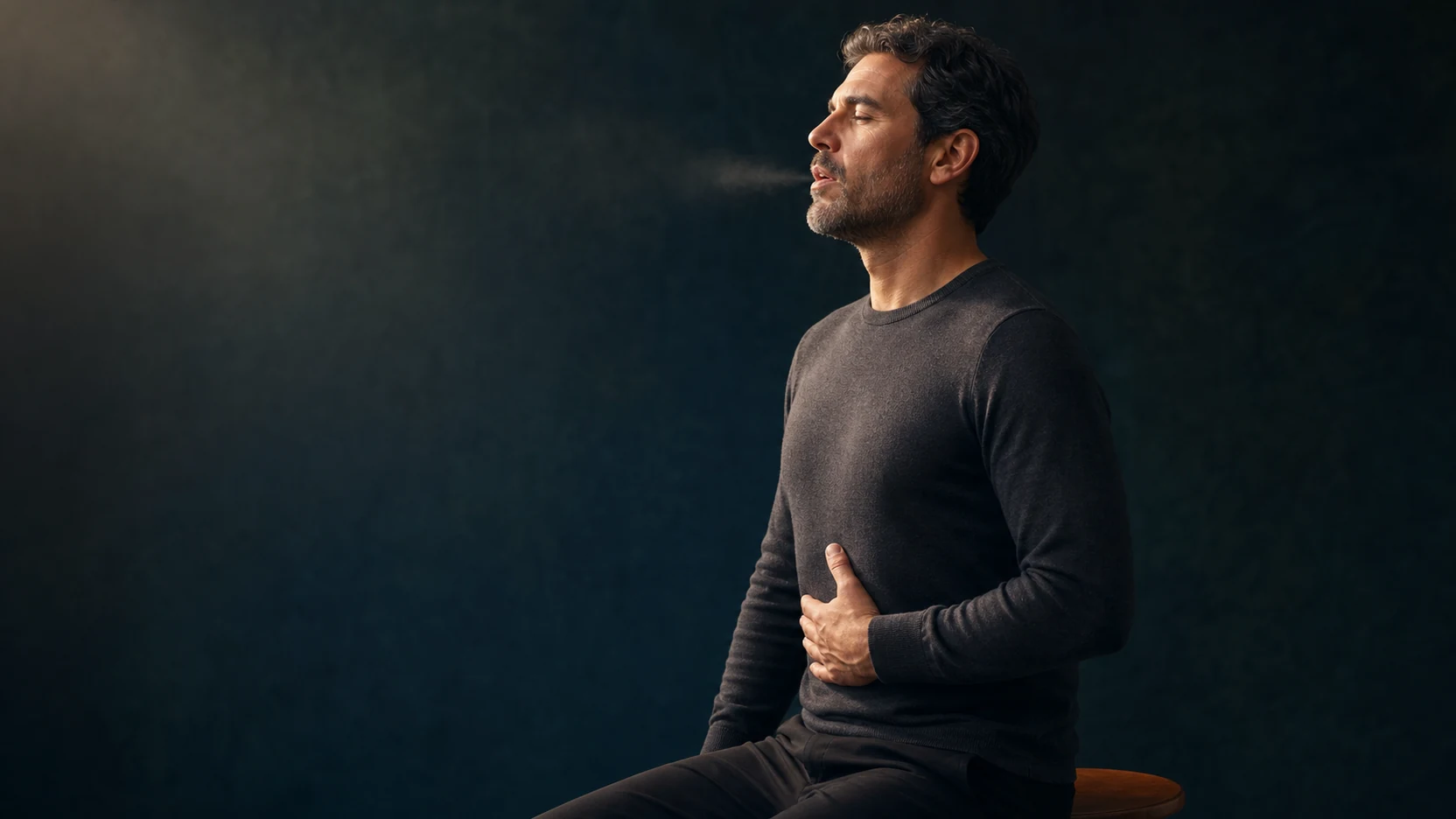
- In a month-longrandomized Stanford trial, five minutes of daily "cyclic sighing" — a double inhale followed by a long, slow exhale — produced greater improvements in daily mood than an equivalent dose of mindfulness meditation, Both approaches reduced anxiety and negative emotion.
- A2023 systematic review of 58 clinical trialsfound that 54 of the 72 breathing interventions studied reduced stress or anxiety — though study sizes, techniques, and protocols varied widely.
- A two-monthrandomized trial with 41 patients with generalized anxiety disorder— all receiving standard medication and counseling — found that adding breathing exercises improved anxiety scores only slightly more than standard care alone, and the difference was not statistically significant. The study's one clearly significant result concerned a lung-function ratio, not anxiety. The authors described the approach as promising and called for longer trials.
- Stress-hormone findings are smaller still. In astudy of 15 young women, a single 45-minute breathing session was followed by significantly lower cortisol; adrenaline also fell, but not significantly. With no control group and a small sample, that result is suggestive rather than conclusive.
What the research cannot promise
Changes in an anxiety questionnaire, mood rating, breathing rate, or hormone measurement answer different questions. An improvement in one of these outcomes does not establish that a practice treats an anxiety disorder, works for every person, or is better than established care.
Study protocols describe what participants did under particular research conditions. They are not personalized instructions, and this explanation does not prescribe a breathing pace, breath hold, or daily routine. For someone with ongoing anxiety, a clinician can discuss whether a breathing practice belongs in their care and how to use it appropriately.
A useful connection with clear limits
Breathing and emotional arousal are linked through physiology and attention. The studies above support investigating that connection, while small samples, differing methods, and mixed results limit the conclusions. Breathing research adds to our understanding of anxiety; it does not establish a universally available cure or replace professional assessment.
Sources & further reading
- Reviews of the research
- 2025 study of 17 healthy adults
- randomized Stanford trial
- randomized trial with 41 patients with generalized anxiety disorder
That’s the mechanism. The wonder is still allowed.