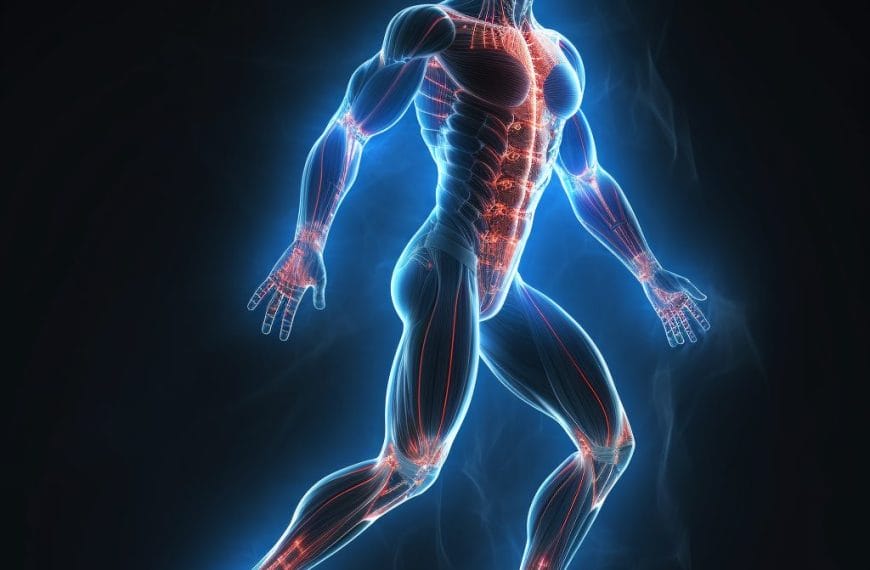


Quick Answer: Cold water immersion reduces muscle soreness and speeds recovery by decreasing tissue temperature, constricting blood vessels, and triggering beneficial physiological responses. This natural recovery method helps flush metabolic waste products, reduce inflammation, and potentially enhance both physical and mental well-being after intense exercise.
The Immediate Benefits of Cold Water Immersion
When athletes plunge into icy water after intense training, they’re tapping into a recovery method that delivers several immediate benefits:

- Reduced muscle soreness – Cold water significantly decreases the perception of delayed onset muscle soreness (DOMS), making post-workout recovery more comfortable
- Decreased inflammation – The cold triggers vasoconstriction (narrowing of blood vessels), which helps limit inflammatory responses in worked muscles
- Flushing of metabolic waste – The pressure of water combined with temperature changes helps remove lactic acid and other exercise byproducts
- Enhanced mental alertness – The “cold shock” provides an immediate boost to attention and mood
Research shows that even brief cold water exposure can provide these benefits. A study examining short-term cold water immersion found significant improvements in perceived recovery and positive affect compared to control conditions.
The Science Behind Cold Water Recovery
The effectiveness of cold water immersion isn’t just anecdotal—it’s backed by fascinating physiological mechanisms:
Temperature Regulation and Metabolic Effects
Cold water immersion (CWI) works primarily by lowering local muscle temperature. This cooling effect:
- Slows nerve conduction velocity, reducing pain signals
- Decreases metabolic rates in the tissue, limiting further damage
- Reduces the activity of enzymes involved in muscle breakdown
According to research on muscle damage recovery, these temperature-related effects are key to how cold water supports healing after strenuous activity.
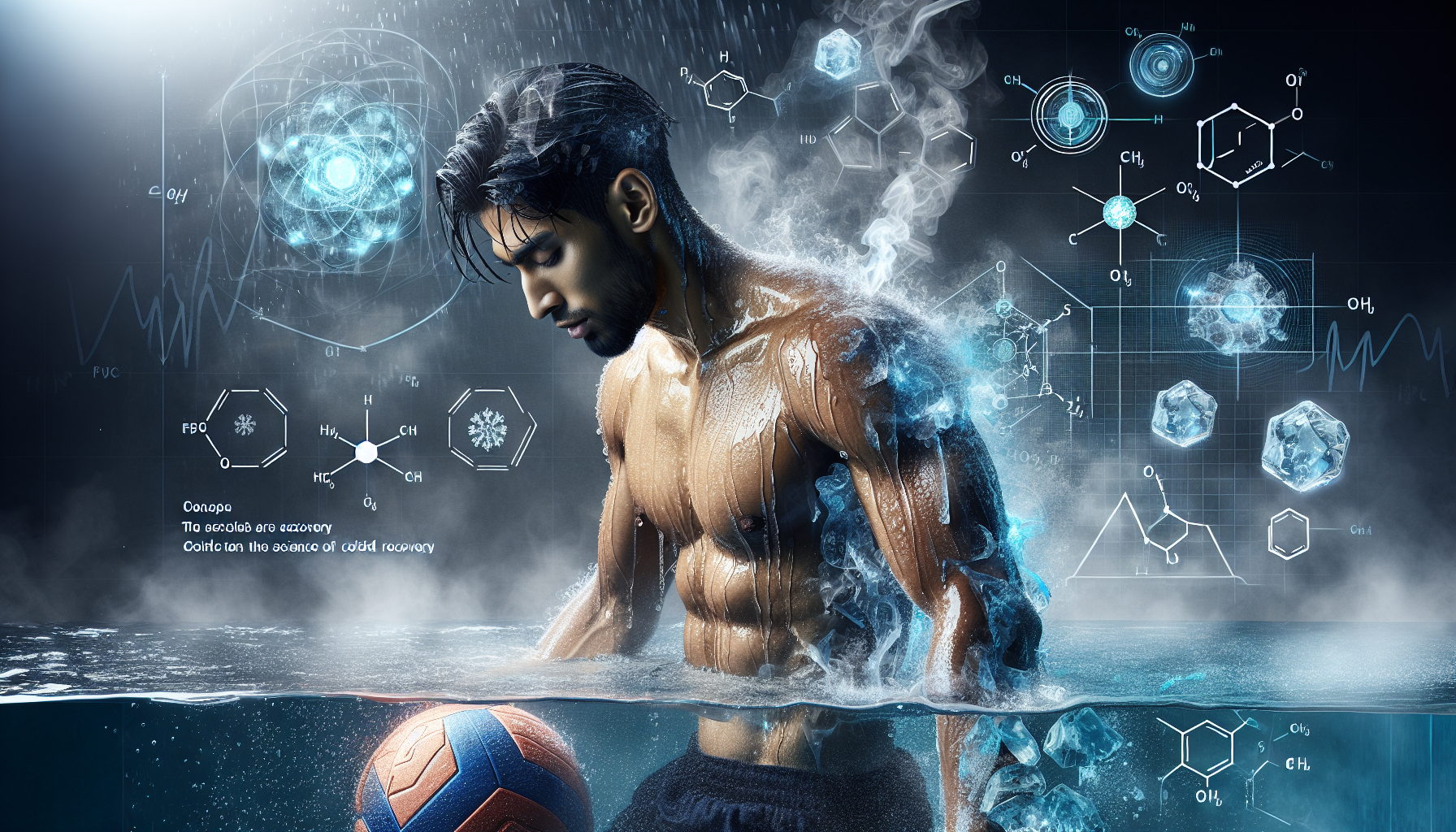
Blood Flow and Waste Removal
The process involves two important circulatory phases:
- Initial vasoconstriction: Blood vessels narrow in response to cold, reducing blood flow to extremities
- Post-immersion vasodilation: After exiting cold water, blood vessels expand, creating a “flushing effect”
This cycle helps clear metabolic waste like lactic acid and delivers fresh oxygen and nutrients to recovering tissues. A systematic review on cold water immersion effects confirmed these mechanisms contribute significantly to recovery acceleration.
Cellular Protection
Cold water reduces muscle cell membrane permeability, which limits the leakage of creatine kinase (CK) – a key marker of muscle damage. This protective effect helps preserve cellular integrity and accelerates the recovery process, according to studies analyzing CWI dosages on muscle damage repair.
Optimal Protocols for Cold Water Immersion
Getting the most from cold water recovery depends on using the right approach for your specific needs:
Temperature Considerations
Research indicates optimal temperature ranges for different outcomes:
- 5-10°C (41-50°F): Most effective for reducing biochemical markers of muscle damage like creatine kinase
- 11-15°C (52-59°F): Generally well-tolerated while still providing substantial recovery benefits
Duration Guidelines
Different immersion times produce varying effects:

- Short-duration (less than 10 minutes): Provides immediate soreness relief and positive psychological effects
- Medium-duration (10-15 minutes): Optimal for reducing inflammation and muscle stress markers
- Long-duration (more than 15 minutes): May increase certain inflammatory markers and is generally not recommended
According to research on cold water immersion dosages, medium-duration protocols at lower temperatures (10-15 minutes at 5-10°C) appear most effective for neuromuscular recovery and reducing damage markers.
Timing and Frequency
For optimal recovery benefits:
- Immerse within 30 minutes after completing exercise
- Use cold water recovery strategically – especially after high-intensity or impact-heavy sessions
- Consider alternating with other recovery methods for resistance training
Balancing Benefits and Potential Drawbacks
While cold water immersion offers numerous advantages, it’s important to consider potential limitations:
When Cold Water Recovery Shines
Cold water immersion is particularly effective for:

- Endurance athletes recovering between training sessions
- Team sport athletes during tournament situations with multiple competitions
- After particularly intense or eccentric-focused workouts
- Managing acute inflammation and soreness
When To Consider Alternatives
Some scenarios may call for different approaches:
- Resistance training adaptation: Research indicates that regular cold water immersion after resistance training might blunt muscle hypertrophy gains over time
- Pre-performance: Cold water immersion too close to competition may temporarily reduce power output
- Individuals with certain medical conditions: Those with cardiovascular issues or Raynaud’s syndrome should exercise caution
A comparison of cold versus hot immersion suggests that while cold water excels for recovery, heat may better maintain performance in certain contexts.
Beyond Physical Recovery: Mood and Cognitive Effects
The benefits of cold water immersion extend beyond muscles and into mental wellbeing:
Mood Enhancement
Cold water exposure triggers several beneficial psychological responses:
- Increased alertness and attentiveness
- Enhanced feelings of inspiration and vigor
- Reduced nervousness and tension
These effects stem from the body’s response to cold stress, which includes releasing mood-enhancing neurotransmitters like norepinephrine and dopamine. Brain imaging studies have shown increased functional connectivity in important neural networks after cold water immersion.

Stress Reduction and Sleep Quality
Regular cold water therapy may offer cumulative benefits for stress management:
- Time-dependent improvements in stress reduction (lasting up to 12 hours)
- Potential improvements in sleep quality
- Reduced sickness absence (29% lower in cold shower users according to systematic reviews)
Research from the University of South Australia indicates these psychological benefits may be time-sensitive, with effects on mood and quality of life fading after hours to months, suggesting regular exposure is key to maintaining benefits.
Conclusion: Embracing the Chill for Effective Recovery
Cold water immersion represents a powerful, accessible tool in any recovery arsenal. When used appropriately, it can significantly reduce muscle soreness, accelerate recovery, and even provide mood-enhancing benefits. The key is understanding the optimal protocols—moderate durations (10-15 minutes) at temperatures between 5-15°C seem to provide the best balance of benefits for most athletes.
While not a one-size-fits-all solution (particularly for those focused on resistance training adaptations), cold water recovery earns its place as a science-backed recovery method. Whether you’re an elite athlete or weekend warrior, that post-workout plunge might just be the refreshing boost your body needs.