

Quick Answer: Ice floats on water because it’s less dense than liquid water – approximately 9% less dense. This happens because water molecules arrange themselves in a hexagonal crystal lattice when frozen, creating more space between molecules than in liquid water. This unusual property is essential for life on Earth, allowing aquatic organisms to survive beneath frozen lakes and oceans.
The Simple Answer
Have you ever wondered why ice cubes bob on the surface of your drink instead of sinking to the bottom like most solids would? The answer lies in a fundamental principle of physics known as Archimedes’ principle.
For any object to float, it must displace a volume of fluid that weighs the same as or more than the object itself. In simpler terms:
- If an object is less dense than the fluid it’s placed in, it floats
- If an object is more dense than the fluid, it sinks
Ice floats because its density is approximately 0.917 g/cm³, while liquid water has a density of about 1 g/cm³. This means that for the same volume, ice weighs less than water, creating enough buoyancy for it to float with about 10% of its mass above the water’s surface.

But why is ice less dense than water when most solids are denser than their liquid forms? That’s where the fascinating molecular structure of water comes into play.
The Science of Water Molecules
Water molecules have a unique structure that explains their exceptional behavior when freezing. Each water molecule (H₂O) consists of one oxygen atom bonded to two hydrogen atoms in a bent shape rather than a straight line.
This bent structure creates something special: a polar molecule. The oxygen atom attracts electrons more strongly than the hydrogen atoms, giving the oxygen end a slightly negative charge and the hydrogen ends slightly positive charges. These charges enable water molecules to form “hydrogen bonds” with each other.
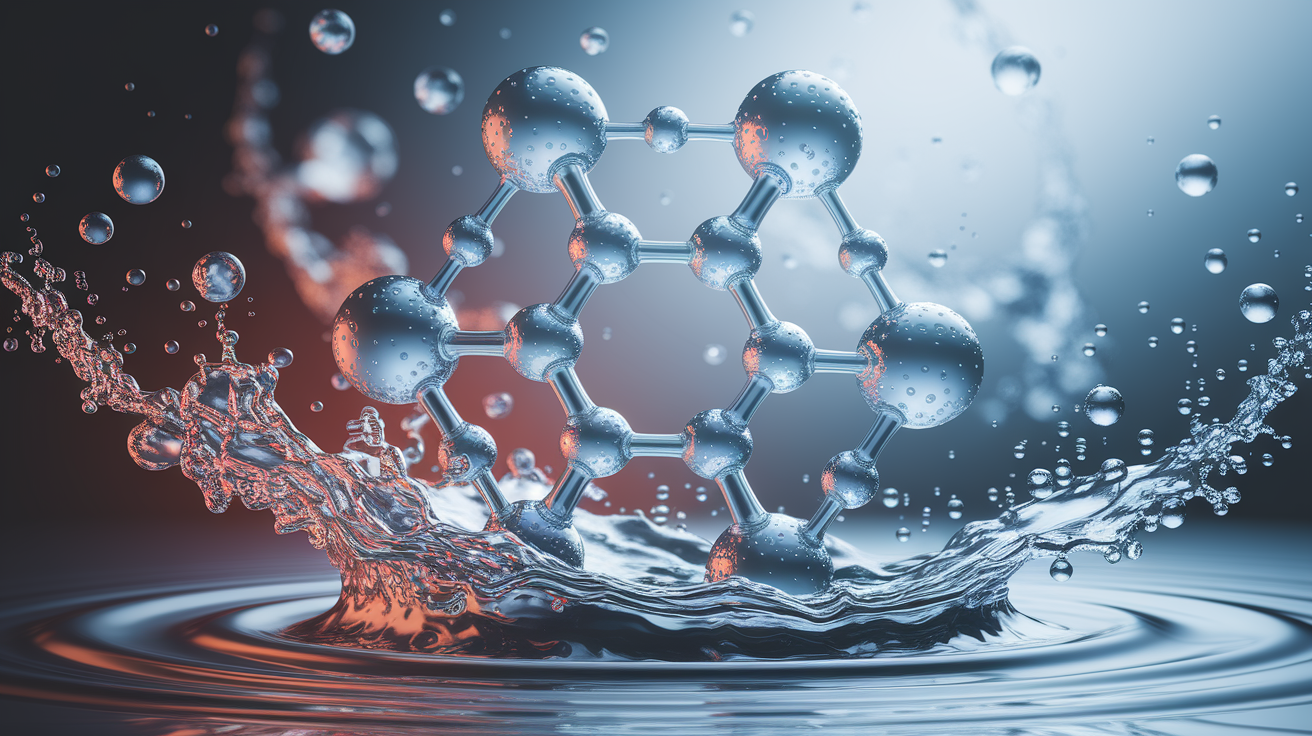
- In liquid water: Molecules move around freely, forming and breaking hydrogen bonds constantly
- In solid water (ice): Molecules slow down and form a rigid hexagonal crystal lattice held together by hydrogen bonds
The remarkable thing about this lattice structure is that it forces water molecules to arrange themselves in a way that creates open spaces. Imagine building a house with rooms – the structure takes up more space than if all the building materials were piled together randomly.
This molecular arrangement explains why ice is less dense than liquid water, but there’s more to this fascinating story.
The Anomaly of Water Expansion
Most substances contract when they freeze as their molecules slow down and pack more tightly together. Water does the exact opposite – it expands by approximately 9% when it freezes.
You can observe this unusual expansion with a simple home experiment: Fill an ice tray completely to the rim with water and place it in the freezer. When you return, you’ll find that the ice has risen above the original water level.
Here’s what happens to water as it cools:
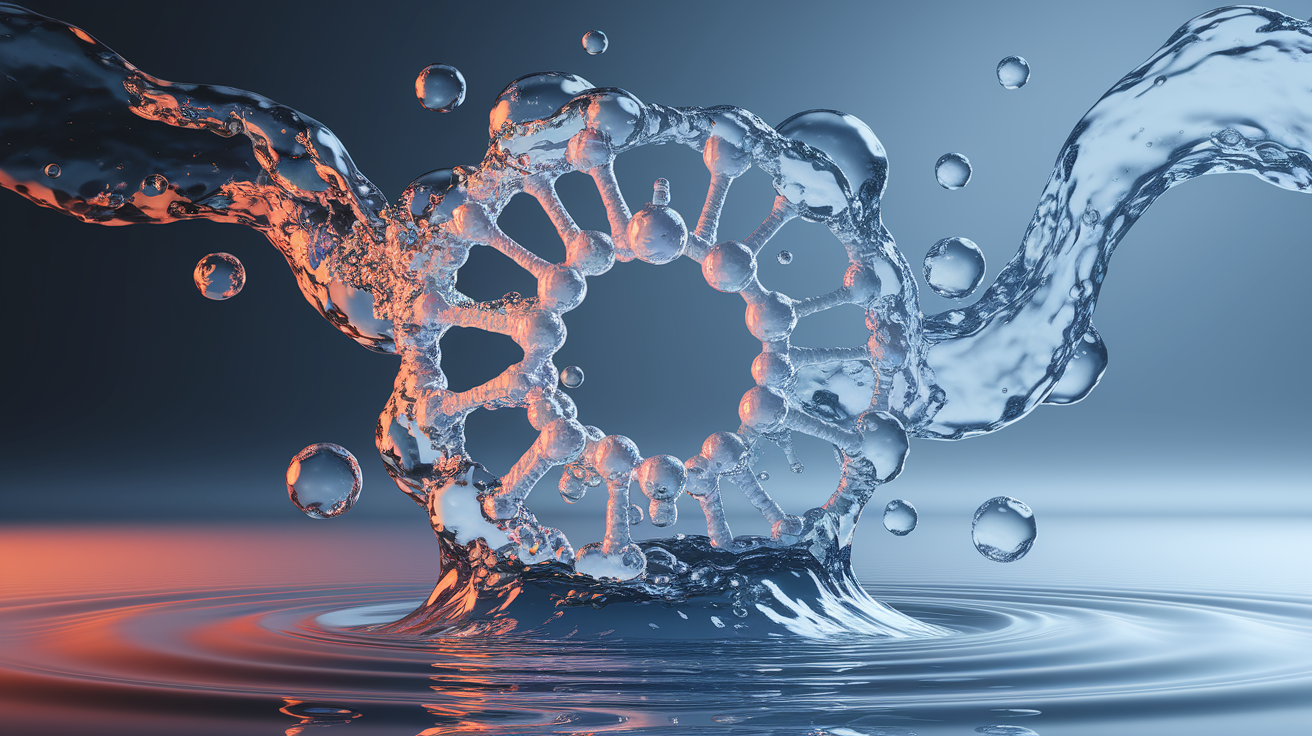
- At room temperature, water molecules move quickly and somewhat randomly
- As water cools to 4°C (39°F), it actually becomes more dense as molecules slow and pack together
- Below 4°C, water begins to expand as molecules start arranging into the open crystal lattice
- At 0°C (32°F), water freezes completely into ice with its expanded structure
This property is known as water’s “density anomaly” and it’s remarkably rare in nature. Most liquids are densest in their solid form, but water reaches its maximum density at 4°C while still a liquid, then becomes less dense as it approaches freezing.
This unique characteristic has profound implications for life on our planet.
The Ecological Importance of Floating Ice
The fact that ice floats might seem like a simple curiosity, but it’s actually crucial for life on Earth. Imagine what would happen if ice sank instead:
- Bodies of water would freeze from the bottom up
- Ice would continuously form and sink
- Lakes, ponds, and even parts of oceans could freeze solid
- Most aquatic life would be unable to survive winter
Instead, floating ice creates an insulating layer that protects the water beneath. When a lake or pond freezes, the ice forms at the surface and acts like a blanket, slowing heat loss from the water below. This allows fish and other aquatic organisms to survive in the liquid water under the ice, even during the harshest winters.
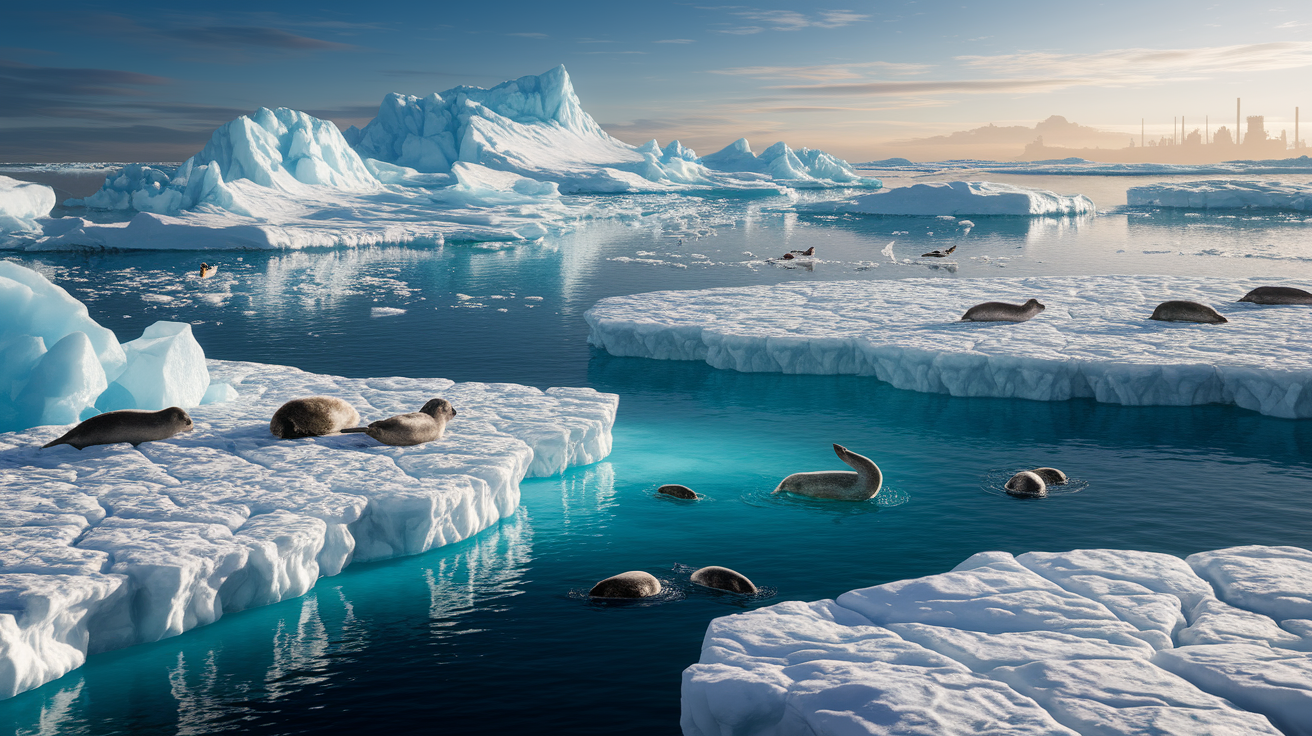
Additionally, when ice forms in salt water like our oceans, it leaves most of the salt behind, creating freshwater ice that’s even more buoyant. This property contributes to the formation of polar ice caps and icebergs that play vital roles in Earth’s climate regulation.
The same property that makes ice cubes float in your drink is responsible for maintaining aquatic ecosystems across our planet during cold seasons. It’s a perfect example of how a seemingly simple physical property can have far-reaching effects.
Conclusion: The Marvel of Floating Ice
Water’s unique property of expanding when it freezes, creating ice that floats, is truly one of nature’s marvels. This characteristic comes from the special arrangement of water molecules in a crystal lattice structure that creates more space between molecules than in liquid water.
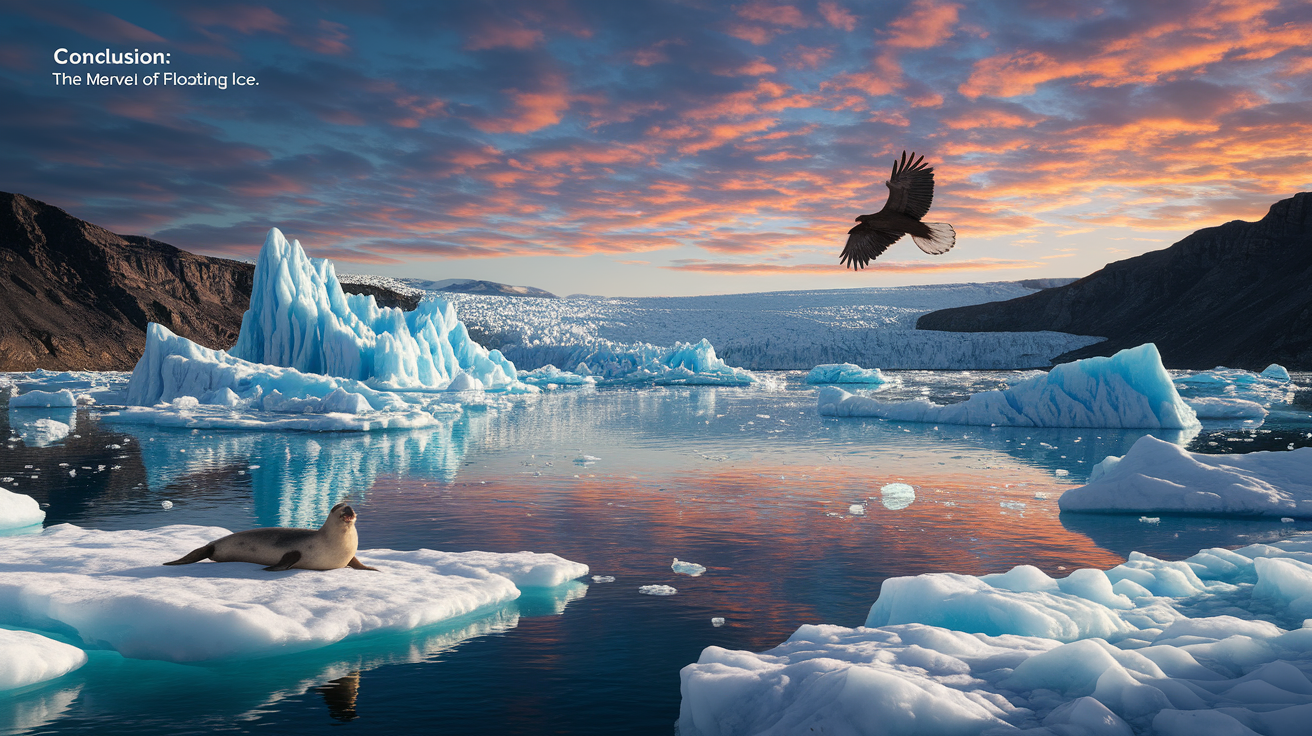
The next time you drop an ice cube in your drink or see a frozen pond in winter, take a moment to appreciate this extraordinary phenomenon. What appears to be a simple physical property is actually a crucial characteristic that enables life as we know it to thrive on our planet.
From the physics of density to the chemistry of hydrogen bonds to the ecological benefits of floating ice, this seemingly simple question – “Why does ice float?” – opens the door to understanding one of water’s most fascinating and important properties.