

Quick Answer: When we’re tickled, our bodies produce a complex combination of sensory, motor, and emotional responses that often result in involuntary laughter. This reaction involves specialized touch receptors, multiple brain regions, and reflexive responses that we can’t fully control, which is why tickling creates such a unique sensation that’s simultaneously pleasant and uncomfortable.
Introduction – The Mystery of Ticklish Laughter
Have you ever wondered why a simple touch in just the right spot can send you into fits of uncontrollable laughter? Tickling is one of those curious human experiences that seems simple on the surface but hides remarkable complexity underneath. It’s a sensation nearly everyone has experienced, yet few understand what’s actually happening when we’re tickled.

The tickle response involves an intricate dance between our nervous system, brain, and muscles that produces that distinctive combination of laughter, squirming, and the paradoxical urge to both escape and continue the experience. What makes this phenomenon even more fascinating is that despite being universally recognized, scientists still debate many aspects of why and how we respond to tickling the way we do.
Let’s unravel the science behind that uniquely human ticklish reaction!
Types of Tickling – Knismesis vs. Gargalesis
Not all tickles are created equal! Scientists actually distinguish between two very different types of tickling sensations:
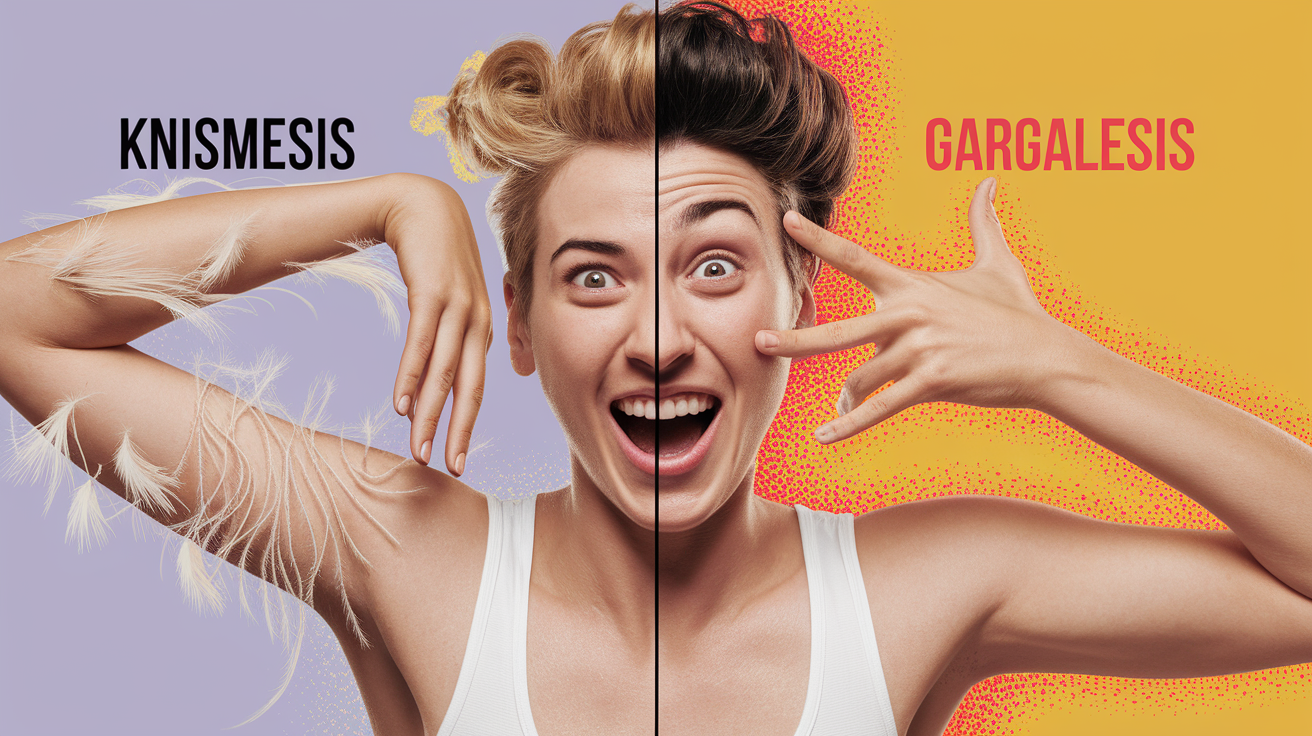
- Knismesis: This is the light, feathery touch that creates a crawling or itching sensation on your skin – like when a bug walks across your arm or a feather brushes your neck. It typically causes you to want to scratch rather than laugh and can be felt across most of your body.
- Gargalesis: This is what most people think of as “true tickling” – the more forceful, repetitive touching of sensitive areas like ribs, underarms, or the soles of feet that triggers that involuntary laughter and squirming response.
According to research on tickling mechanisms, these two types of tickling involve different sensory pathways and create distinctly different sensations. Knismesis might be experienced even when alone (and can even be self-induced), but gargalesis typically requires someone else to tickle you and produces that characteristic mix of pleasure and mild discomfort that defines the classic tickling experience.
The Neuroscience of Tickling
What’s happening in your brain when someone tickles you? The science is fascinating!
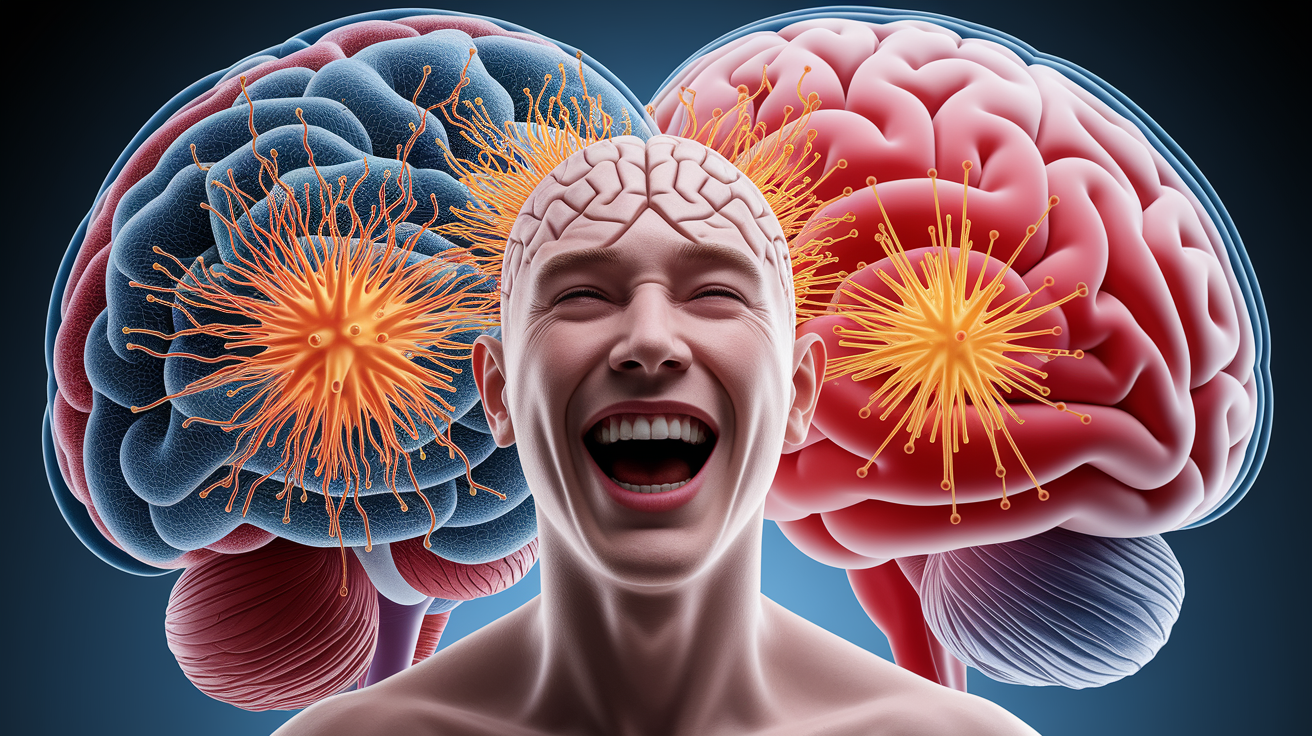
When you’re tickled, specialized touch receptors in your skin detect the mechanical stimulation and send signals through your peripheral nerves to your spinal cord and up to your brain. But the processing doesn’t stop in the somatosensory cortex (where touch is typically processed) – it activates a whole network of brain regions:
- The somatosensory cortex registers the physical touch
- The insula and anterior cingulate cortex process the emotional aspects of the sensation
- The cerebellum helps coordinate your motor responses and plays a key role in prediction
- Motor areas prepare and execute your squirming, defensive movements
One of the most intriguing aspects of tickling neuroscience answers the common question: why can’t we tickle ourselves? The answer lies in what scientists call “predictive suppression.” When you attempt to tickle yourself, your cerebellum generates what’s called an internal forward model – essentially, your brain predicts the sensory consequences of your own touch and actively dampens the response in your somatosensory cortex. According to BrainFacts.org, this predictive mechanism helps your brain distinguish between self-generated touch and external stimulation, which is crucial for normal sensory processing.
The Tickle Response – A Complex Reaction
When you’re tickled, your body undergoes a remarkably complex and coordinated response that happens in a precise sequence:
- Rapid facial reactions: Within about 200-300 milliseconds, your facial muscles respond
- Thoracic changes: Your breathing pattern shifts and chest muscles tense
- Vocalization: Laughter typically begins around 500 milliseconds after stimulation
- Full-body responses: Defensive movements, squirming, and attempts to escape follow
This response involves multiple bodily systems working in concert. Studies measuring physiological tickle responses have found that your autonomic nervous system activates, causing changes in heart rate and breathing patterns. Meanwhile, your motor system triggers defensive reflexes and movements designed to protect vulnerable areas of your body.
Interestingly, the laughter associated with tickling isn’t necessarily an indication of pure joy – it’s a much more complex emotional response that can contain elements of both pleasure and discomfort. The acoustic patterns of tickle-induced laughter actually differ slightly from laughter caused by humor, suggesting these are related but distinct phenomena.

The Most Ticklish Body Parts
Not all body regions are equally ticklish. Research has identified that gargalesis (the laughter-inducing tickle) is most effective in specific areas:
- Soles of the feet
- Armpits
- Sides of the torso/ribs
- Neck
- Knee area
It’s probably no coincidence that many of these areas are particularly vulnerable parts of our bodies, which relates to theories about the protective function of ticklishness.
Evolutionary Perspectives on Ticklishness
Why are we ticklish in the first place? Scientists have proposed several interesting theories:
The Protective Reflex Theory
One compelling explanation suggests that ticklishness serves as a defensive mechanism. Notice how the most ticklish parts of your body tend to be the most vulnerable? Your armpits, neck, ribs, and the soles of your feet are all areas that benefit from extra protection. The ticklish response might train us to protect these vulnerable areas from attack or harm.
This theory is supported by the observation that tickling prompts defensive reactions – we instinctively pull away, protect the area, and become more vigilant. Research on defensive responses suggests that ticklishness may have developed as a built-in defense system against threats like insects or predators.

The Social Bonding Theory
Another fascinating perspective focuses on the social aspects of tickling. Have you noticed that tickling typically occurs between people who know each other well? Parents tickle children, siblings tickle each other, and friends engage in playful tickle fights. This has led some researchers to propose that tickling and the resulting laughter might function as a mechanism for social bonding.
Studies of similar playful behaviors in great apes support this idea. The shared experience of tickling and laughter might help strengthen social relationships and facilitate playful interaction, especially between caregivers and young ones. Comparative behavioral research shows that tickle-like responses appear across various species, suggesting it may serve an important social purpose.
Unanswered Questions and Future Research
Despite everything we’ve learned about tickling, many questions remain unanswered:
- Why are some people more ticklish than others?
- What exactly determines the fine line between tickling feeling pleasant versus unpleasant?
- Which specific receptors in our skin are responsible for detecting ticklish touch?
- How does emotional state influence ticklishness?
Current research faces several methodological challenges. As experts note, manual tickling by researchers introduces variability in pressure, speed, and rhythm that makes standardized measurement difficult. Future studies are exploring the use of robots and haptic devices to deliver more precisely controlled tickling stimuli.
There’s also emerging interest in the clinical relevance of tickle responses. Altered reactions to tickling have been observed in some neurodevelopmental and psychiatric conditions, suggesting potential diagnostic applications. Researchers are investigating how these differences might provide insights into sensory processing mechanisms in various conditions.
Conclusion – The Enigma of Tickling
Tickling remains one of those everyday experiences that still holds scientific mysteries. It’s a perfect example of how something seemingly simple can reveal complex interactions between our nervous system, brain, and social behaviors.
From the specialized touch receptors that detect ticklish stimulation to the intricate brain networks that process these sensations, our response to tickling showcases the remarkable sophistication of human sensory processing. Whether serving as a protective reflex, a social bonding mechanism, or some combination of purposes, tickling continues to intrigue scientists and tickle victims alike.
So next time someone finds your ticklish spot, you’ll understand a little more about the fascinating cascade of neural events that triggers your uncontrollable laughter – even if that knowledge doesn’t help you escape!