

Crystal Clear Start: How Water Softeners Work in One Sentence
A water softener swaps the hard water minerals like calcium and magnesium for softer ones, such as sodium or potassium, using a clever ion exchange process that leaves your water silky and scale-free.
Inside the Ion Exchange Process
Here’s where the magic happens! A water softener’s main mission is to tackle hard water—water packed with minerals that can clog pipes, leave cloudy spots on dishes, and reduce soap efficiency. The heart of the system is the softener tank, filled with tiny resin beads covered in sodium ions.
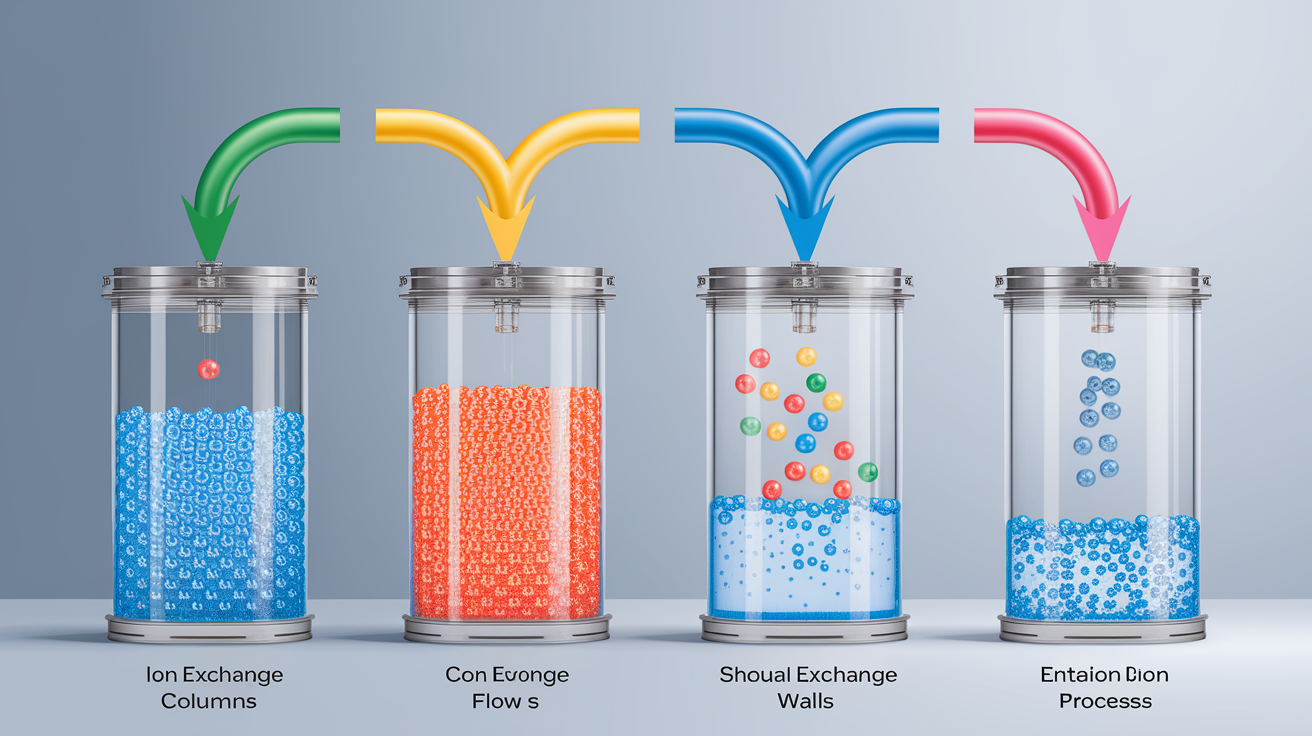
- Hard water enters the softener tank.
- As water flows through, resin beads grab calcium and magnesium ions from the water.
- In exchange, they release sodium ions into the water.
- The result: “soft water” that’s gentle on your plumbing system and skin.
This is known as the ion exchange resin process—an elegant bit of chemistry that makes your water friendlier for everyday use. More details on the process can be found here.
Regeneration: Recharging the Resin
Over time, those resin beads get stuffed with calcium and magnesium and lose their sodium supply. That’s where the regeneration cycle jumps in.

- A brine tank sends a salty brine solution (sodium chloride or potassium chloride) into the softener tank.
- The high concentration of sodium in the brine pushes the calcium and magnesium off the resin beads.
- Minerals are flushed away into the drain.
- The resin beads are reloaded with sodium ions, ready for the next round.
This salt water flush typically happens automatically, depending on your system’s settings. For an in-depth look at regeneration, visit this guide.
Types of Water Softeners Simplified
Not all water softeners are built the same. Here are the main styles you’ll encounter:
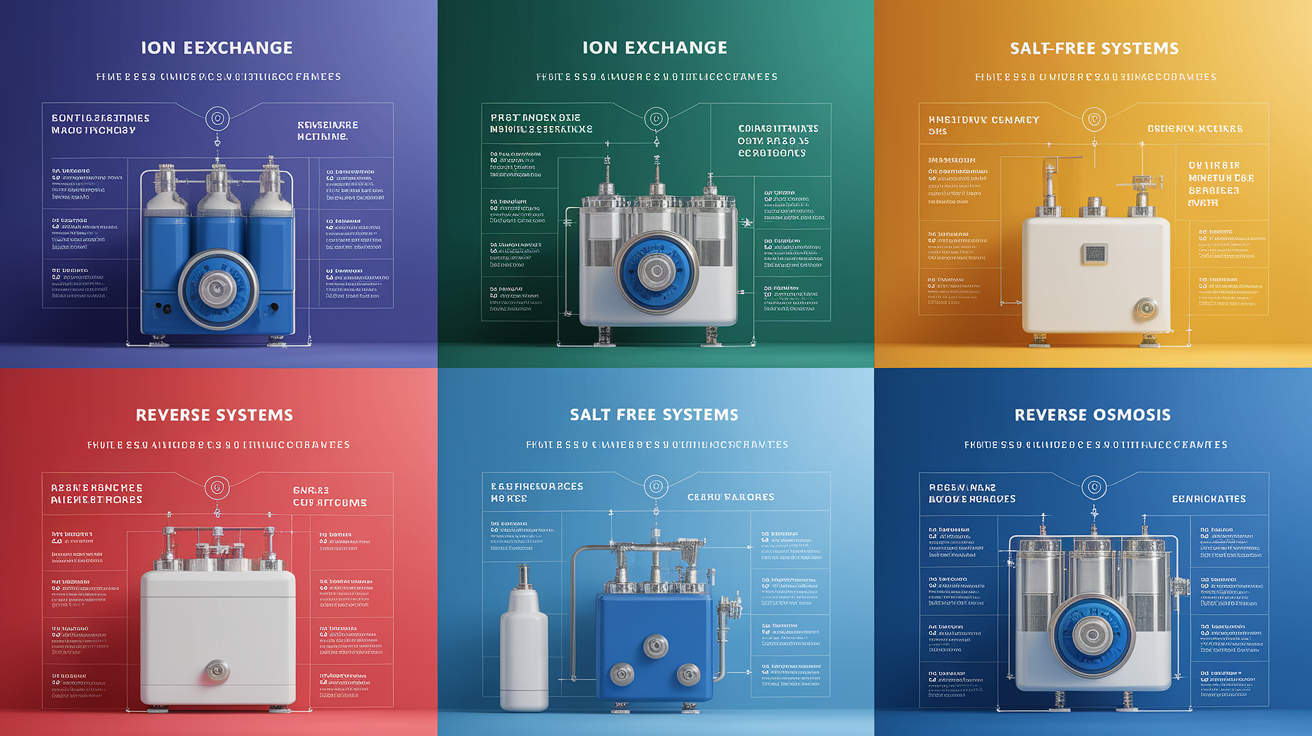
- Timer-based softeners – Regenerate on a set schedule, whether or not the resin beads are fully loaded.
- Meter-based (demand-initiated) softeners – Regenerate based on actual water usage, saving salt and water.
- Computer-controlled softeners – Use smart programming and sensors for optimum efficiency.
You can learn more about these types from this water softening overview.
Basic Maintenance Tips for Consistent Soft Water
Keeping your water softener healthy is simpler than it sounds. Here’s a quick checklist:
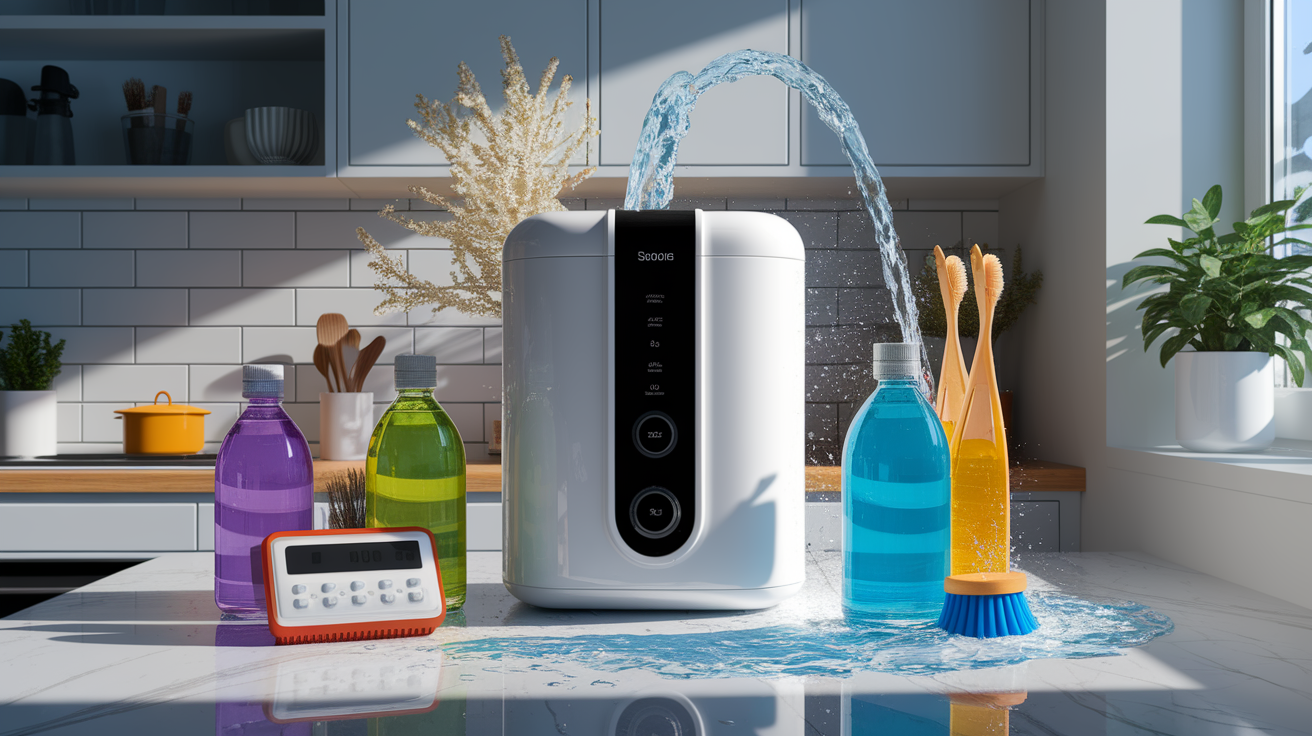
- Check salt levels in the brine tank regularly—low salt means ineffective softening.
- Use the right type of salt (pellets or crystals) recommended by your manufacturer.
- Inspect for salt bridges—these are hardened salt layers that block proper brine making.
- Schedule yearly servicing to ensure the resin beads and valves are working properly.
The U.S. Department of Energy’s guide offers helpful advice on efficient water softener care.
Smooth Sailing: Key Benefits of Softened Water
Switching from hard to soft water can make a big difference in daily life:
- Protects plumbing – Soft water reduces scale buildup, keeping pipes clear.
- Extends appliance life – Dishwashers, washing machines, and water heaters run more efficiently.
- Cleaner dishes and laundry – No more cloudy glassware or dingy fabrics.
- Gentler on skin and hair – Soft water rinses more thoroughly, reducing dryness.
Read more on the benefits of softened water and why it’s a smart investment for your home.