Quick Answer: Many conventional plastics resist biodegradation because their molecular structure and physical properties make rapid microbial breakdown difficult under ordinary environmental conditions. Some polymers can be broken down biologically under particular conditions. Fragmentation into small pieces is different from complete biodegradation.
Introduction – Nature’s Invisible Barrier
Many common packaging plastics persist much longer than readily degradable food waste. Their chemistry and structure can make them difficult for microbes and enzymes to attack. Persistence varies with the polymer and environment; synthetic origin alone is not proof that a material can never biodegrade.

Molecular Chains That Resist Breakdown
At the heart of the problem are plastics’ molecular building blocks —polymer chains. Most conventional plastics are derived from petrochemicals through processes that link small units called monomers into extremely long chains held together by strongcarbon–carbon bonds. These bonds require a great deal of energy to break. For example, polypropylene, a common plastic, consists of propylene monomers joined in this way.

Microbial breakdown requires enzymes and conditions suited to the polymer.Research has demonstrated biological degradation of PET by a bacterium, while common plastics such as polyethylene can remain highly resistant under environmental conditions. It is inaccurate to say that no microorganism has developed the ability to act on any synthetic polymer.
Material Properties That Stop Decay
Beyond chemical bonds, physical properties play a major role in plastic persistence. According to ascientific review, several key factors influence how difficult it is for a material to break down:

- Molecular weight:Higher molecular weight makes polymers harder for microbes to access or digest.
- Crystallinity:Highly crystalline areas have tightly packed molecules, leaving less "wiggle room" for enzymes.
- Melting temperature:Higher melting points indicate strong internal bonds, slowing degradation.
- Chemical structure:Side chains and certain arrangements in the polymer backbone can block microbial attack.
Crystallinity, accessibility, and bond chemistry matter for both natural and synthetic polymers. Cellulose itself can contain highly ordered regions; its biodegradability cannot be explained by a blanket claim that all natural polymers have weaker bonds or lower crystallinity.
Environmental Hurdles to Degradation
Even if some breakdown is theoretically possible, the real world sets harsh limits. The rate at which materials degrade depends heavily on conditions like:

- Temperature:Heat speeds up chemical reactions and microbial activity; cold slows everything down.
- Moisture:Water is essential for microbial life and certain chemical processes like hydrolysis.
- Oxygen availability:Many microbes need oxygen to break down materials efficiently.
- Microbial population:The more diverse and abundant the microbes, the greater the degradation potential.
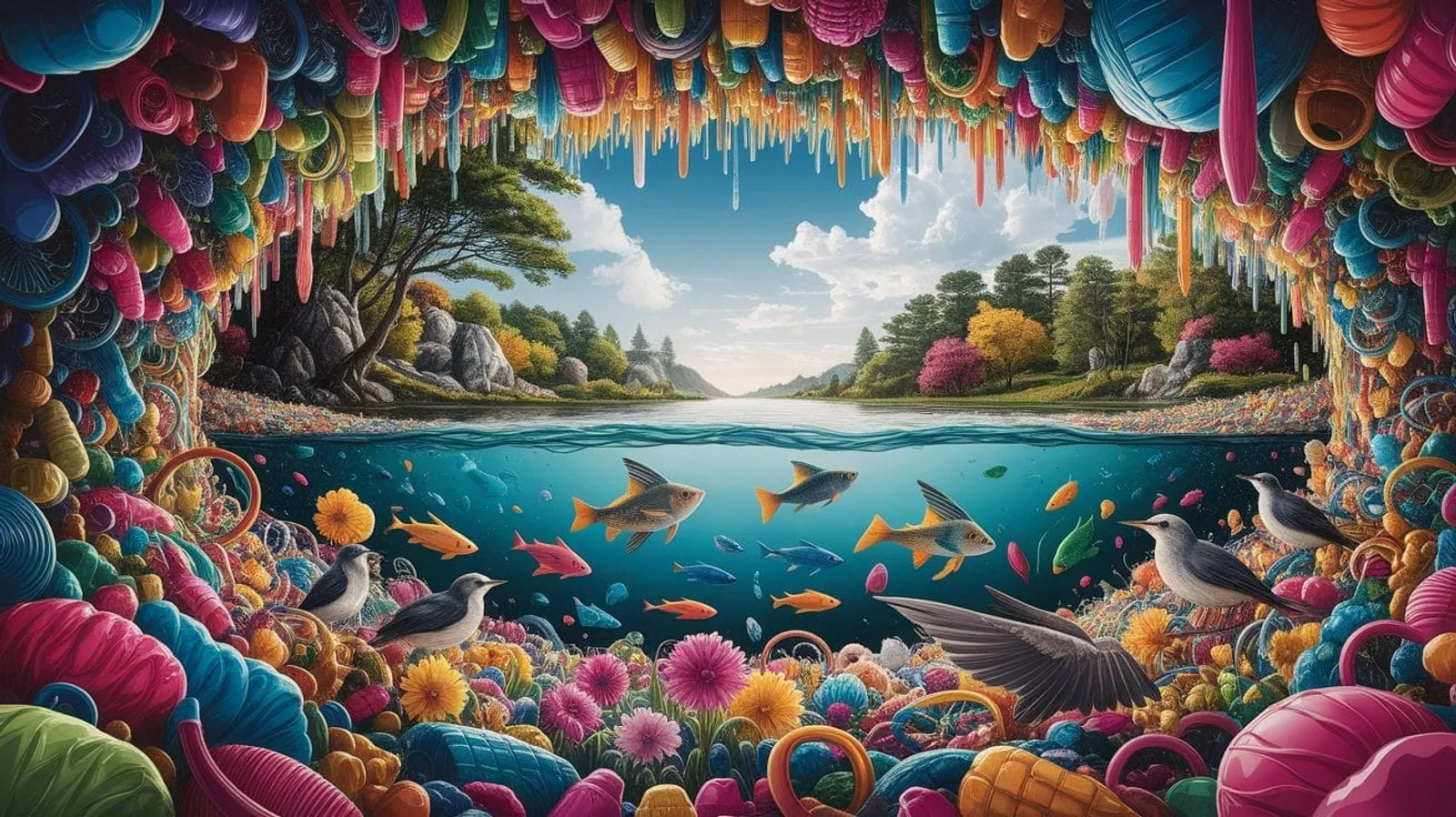
For plastics, these factors rarely line up to cause significant biodegradation. Inlandfills, for instance, oxygen is scarce and temperatures vary, meaning plastics can remain unchanged for hundreds to thousands of years. In the ocean,marine debrismight fragment into microplastics through photodegradation and abrasion, but complete breakdown into harmless compounds is negligible on human timeframes, as highlighted bybiodegradability studies.
Bioplastics – A Partial Solution
Bioplastics, made from plant-based sources like corn starch or produced by certain bacteria, are often touted asbiodegradable alternatives. Common types include polylactic acid (PLA) and polyhydroxyalkanoates (PHA). They can indeed break down more readily than conventional plastics — but with a catch. As reported byYale Environment 360, bioplastics typically require industrial composting conditions with controlled heat and oxygen to degrade quickly.

If disposed of in regularlandfills, bioplastics may persist for years or even decades. Worse, without oxygen, they can release methane — a powerful greenhouse gas. Their physical similarity to regular plastics also creates confusion in recycling systems, potentially contaminating recycling streams.
Conclusion – Confronting Plastic Persistence
The stubborn longevity of plastics comes down to tough, unrecognizablemolecular structures, reinforced by physical properties and environmental factors that slow down or stop natural breakdown. While biodegradable alternatives like bioplastics hold some promise, their benefits depend on proper disposal and processing facilities.
Addressing plastic pollution will require more than swapping materials. It calls for better waste management, reduction of single-use items, advances in recycling technology, and policies that support a circular economy. Plastics’ unyielding grip on our environment is strong — but with coordinated action, we can loosen it.
Sources & further reading
- carbon–carbon bonds
- Research has demonstrated biological degradation of PET by a bacterium
- scientific review
- landfills
- Yale Environment 360
That’s the mechanism. The wonder is still allowed.