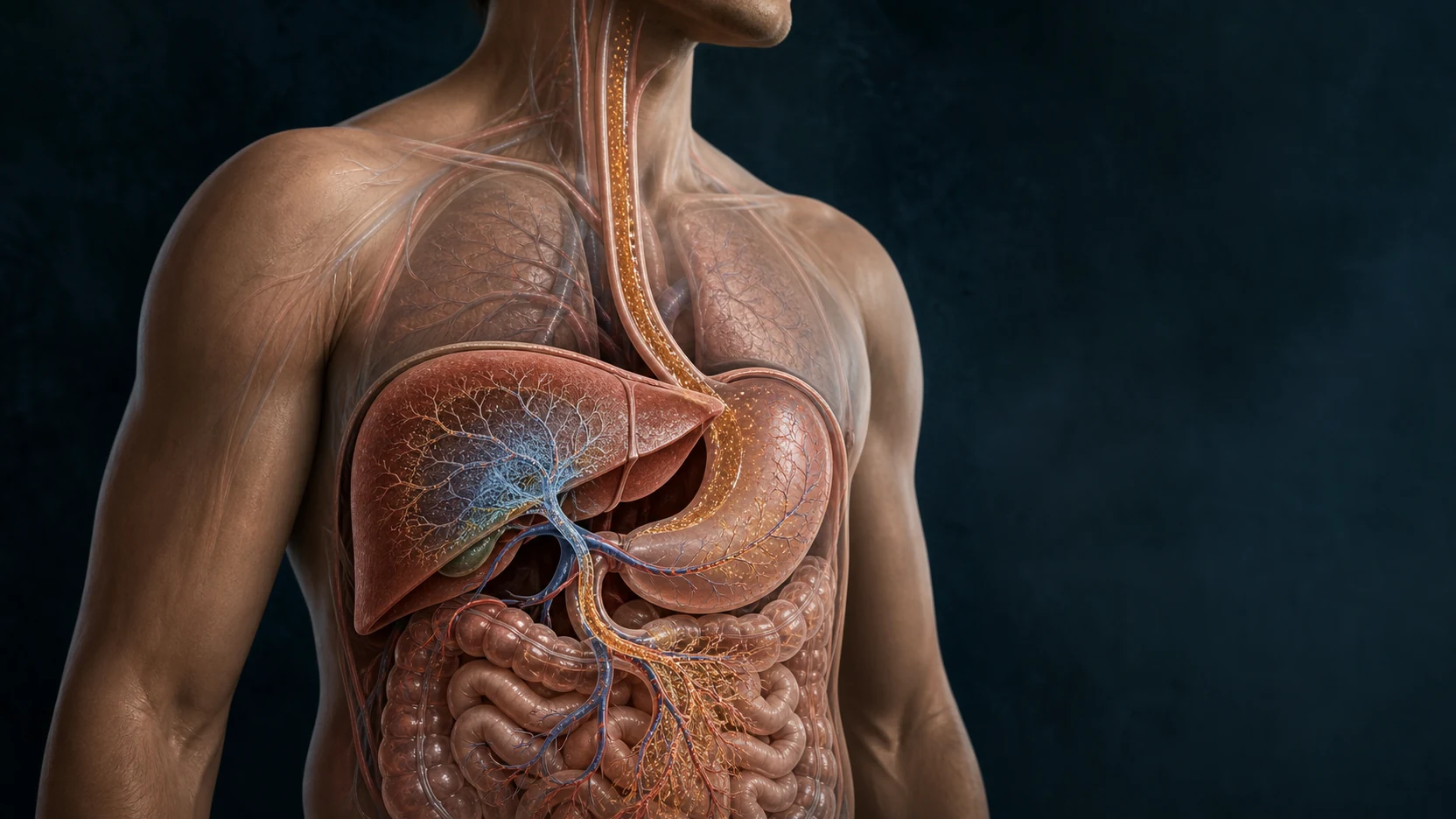
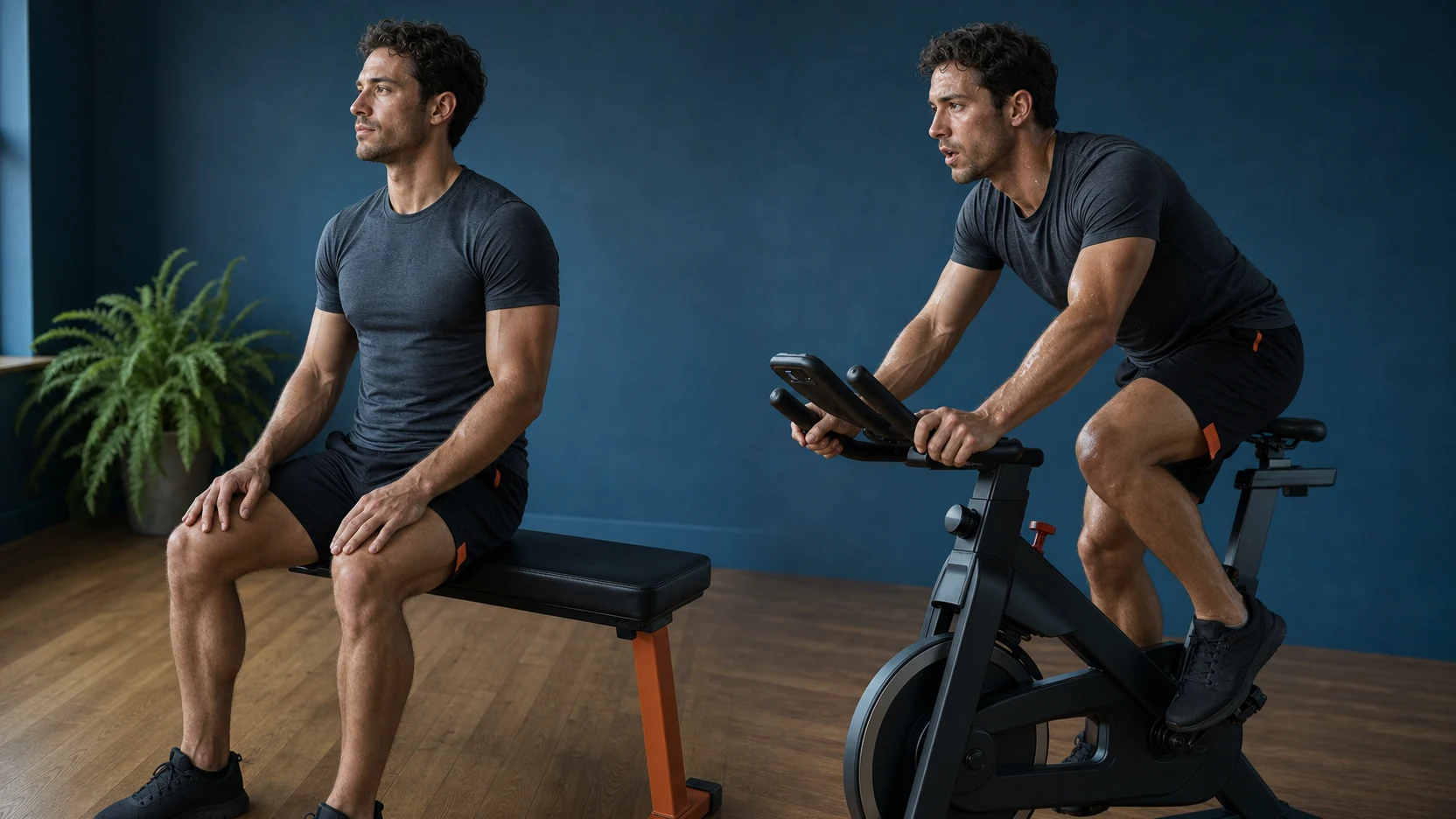
Quick Answer:Your breathing changes during exercise because your body needs more oxygen to fuel working muscles and must remove extra carbon dioxide produced during activity. This leads to faster, deeper breathing that can increase ventilation from about 10 liters per minute at rest to over 100 liters during intense exercise, with trained individuals showing more efficient breathing responses.
Introduction - The Breath of Movement
Have you ever wondered why a casual stroll barely affects your breathing, yet a sprint leaves you gasping for air? This fascinating respiratory response isn't random—it's your body's precisely orchestrated system adjusting to meet new demands. Our breathing patterns reveal much about what's happening inside our bodies during physical activity.

The relationship between exercise and breathing represents one of the body's most remarkable adaptive mechanisms. Whether you're a seasoned athlete or someone who occasionally climbs stairs, understanding why your breathing changes can help you appreciate this intricate physiological dance and even improve your workout experience.
The Science Behind Breathing Changes
When you transition from rest to exercise, your breathing changes aren't just noticeable—they're essential for survival. Let's explore exactly why this happens.
The Oxygen-Carbon Dioxide Exchange
During exercise, yourskeletal muscles dramatically increase their demand for oxygenwhile producing more carbon dioxide as a waste product. This fundamental change triggers your respiratory system to kick into higher gear:
- Oxygen consumption can increase up to 20 times above resting levels
- Carbon dioxide production rises proportionally
- Your body must maintain blood gas balance despite these dramatic shifts
Without these breathing adjustments, your blood would quickly become too acidic (from CO2 buildup) and oxygen-starved, making continued exercise impossible.
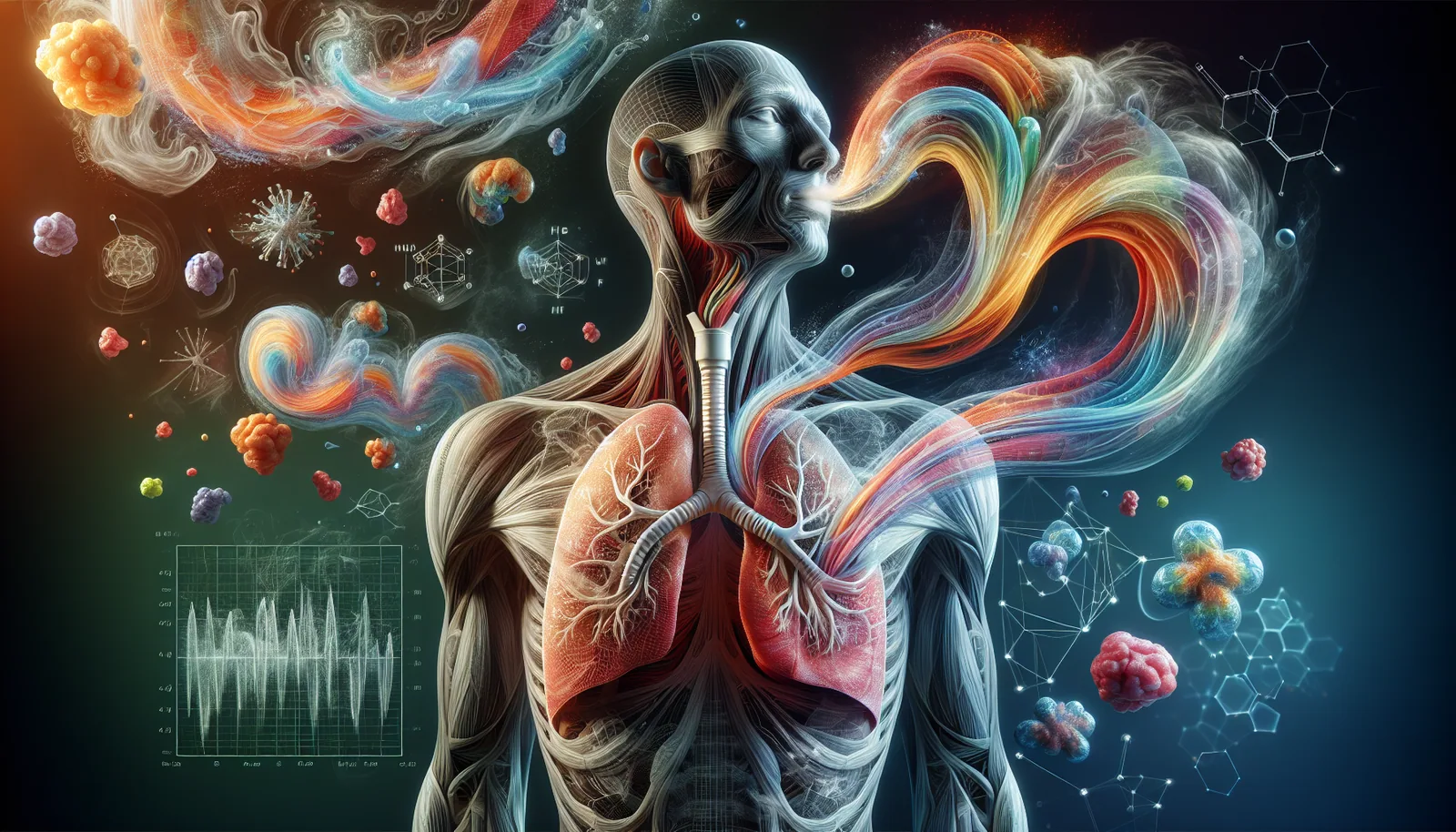
How Your Body Increases Ventilation
The moment you begin exercising, your breathing changes through several clever mechanisms:
- Neural Drive:Your brain's motor cortex sends signals not just to your limbs but also to yourrespiratory centers, immediately increasing breathing
- Proprioceptors:Sensors in your muscles and joints detect movement and signal for more air
- Chemical Triggers:Rising carbon dioxide levels, increased body temperature, and changes in blood chemistry all stimulate breathing
These responses increase both how frequently you breathe (respiratory rate) and how deeply (tidal volume). Together, these changes can boost yourminute ventilation from ~10 liters per minute at rest to over 100 litersduring intense exercise—a remarkable ten-fold increase!
Cardiovascular Connection
Your breathing system doesn't work alone. As breathing increases, your cardiovascular system adapts too:
- Heart output increases, pumping more blood to the lungs
- Pulmonary blood vessels open wider, decreasing resistance
- Blood flow becomes more evenly distributed across your lungs
These changes ensure that the extra air you're breathing in can efficiently exchange gases with your bloodstream. Your hemoglobin (the oxygen-carrying protein in red blood cells) even adjusts its chemistry to release oxygen more readily to working tissues—a phenomenon called theBohr effect.
Ventilatory Threshold and Its Impact
Not all exercise affects your breathing the same way. As intensity increases, your respiratory system reaches crucial turning points that dramatically change how you feel during activity.
What is Ventilatory Threshold?
During light to moderate exercise, your breathing increases proportionally to your activity level. However, at a certain intensity—called the ventilatory threshold—your breathing suddenly increases disproportionately to your workload. This threshold typically occurs around the same time as another important marker: thelactate threshold.
Why does this happen? When exercise intensity reaches a certain level:
- Your muscles begin producing more lactic acid
- This creates excess hydrogen ions (H+) in your blood
- Your body buffers this acidity by converting H+ and bicarbonate into water and CO2
- This "extra" CO2 must be exhaled, requiring additional breathing beyond what's needed just for metabolism
That's when you notice your breathing becoming noticeably labored and harder to control.

Beyond the Threshold
As you push beyond your ventilatory threshold into high-intensity exercise:
- Breathing feels increasingly difficult and sometimes painful
- You may feel unable to get enough air
- Speaking becomes difficult (the "talk test" fails)
- Some elite athletes may even experienceexercise-induced hypoxemia(slightly reduced blood oxygen)
This threshold represents an important training marker. Working at intensities just below or at this threshold helps improve cardiovascular fitness, while understanding when you've crossed it can help pace your efforts appropriately.
Adaptations in Trained Individuals
One of the most remarkable aspects of human physiology is how it adapts to regular challenges. People who exercise regularly develop significant respiratory advantages.
Efficiency Improvements
Trained individuals show several breathing adaptations:
- Higher ventilatory efficiency (more air moved with less effort)
- Stronger respiratory muscles (including the diaphragm)
- Delayed ventilatory threshold, allowing higher work rates before breathing becomes labored
- BetterpH control and lower lactate levelsat the same absolute workloads
These adaptations don't happen overnight but develop gradually with consistent training. The respiratory muscles, like other muscles in the body, respond to regular exercise by becoming stronger and more efficient.

Practical Applications
Understanding these adaptations has practical implications:
- Endurance Training:Regular aerobic exercise improves respiratory efficiency
- Respiratory Muscle Training:Specific breathing exercises can further enhance respiratory muscle strength
- Altitude Adaptations:Training at altitude can stimulate additional respiratory adaptations
Even simple awareness of your breathing patterns can help you gauge exercise intensity and progress—a natural "built-in" feedback system for your workouts.
Conclusion - Breathing: The Rhythm of Exercise
Our breathing response to exercise showcases the body's remarkable ability to maintain balance despite changing demands. The intricate dance between respiratory rate, depth, and blood chemistry allows us to run, jump, lift, and move in countless ways.

Next time you exercise, pay attention to your breathing patterns. They tell the story of your body's internal adaptations—adjusting moment by moment to provide exactly what you need, when you need it. This respiratory symphony, often taken for granted, is truly one of the body's most elegant systems in motion.
Sources & further reading
- skeletal muscles dramatically increase their demand for oxygen
- minute ventilation from ~10 liters per minute at rest to over 100 liters
That’s the mechanism. The wonder is still allowed.