
Quick Answer:Blushing is the involuntary widening of blood vessels in the face, neck, and upper chest when you feel embarrassed, self-conscious, or otherwise emotionally exposed. It is driven by the sympathetic nervous system and appears to be a uniquely human social signal — one that is hard to fake and easy for others to read.
The blushing phenomenon
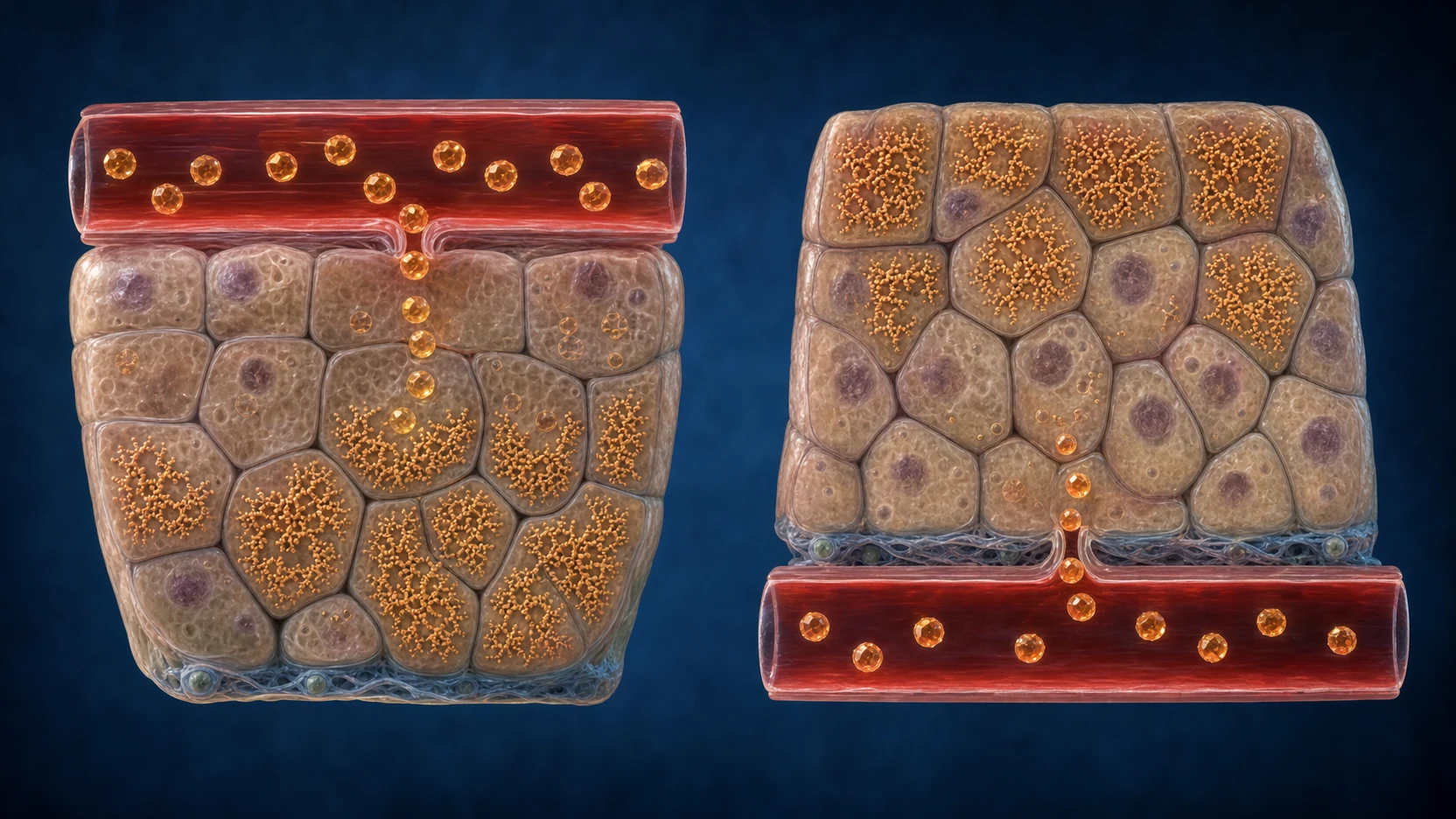
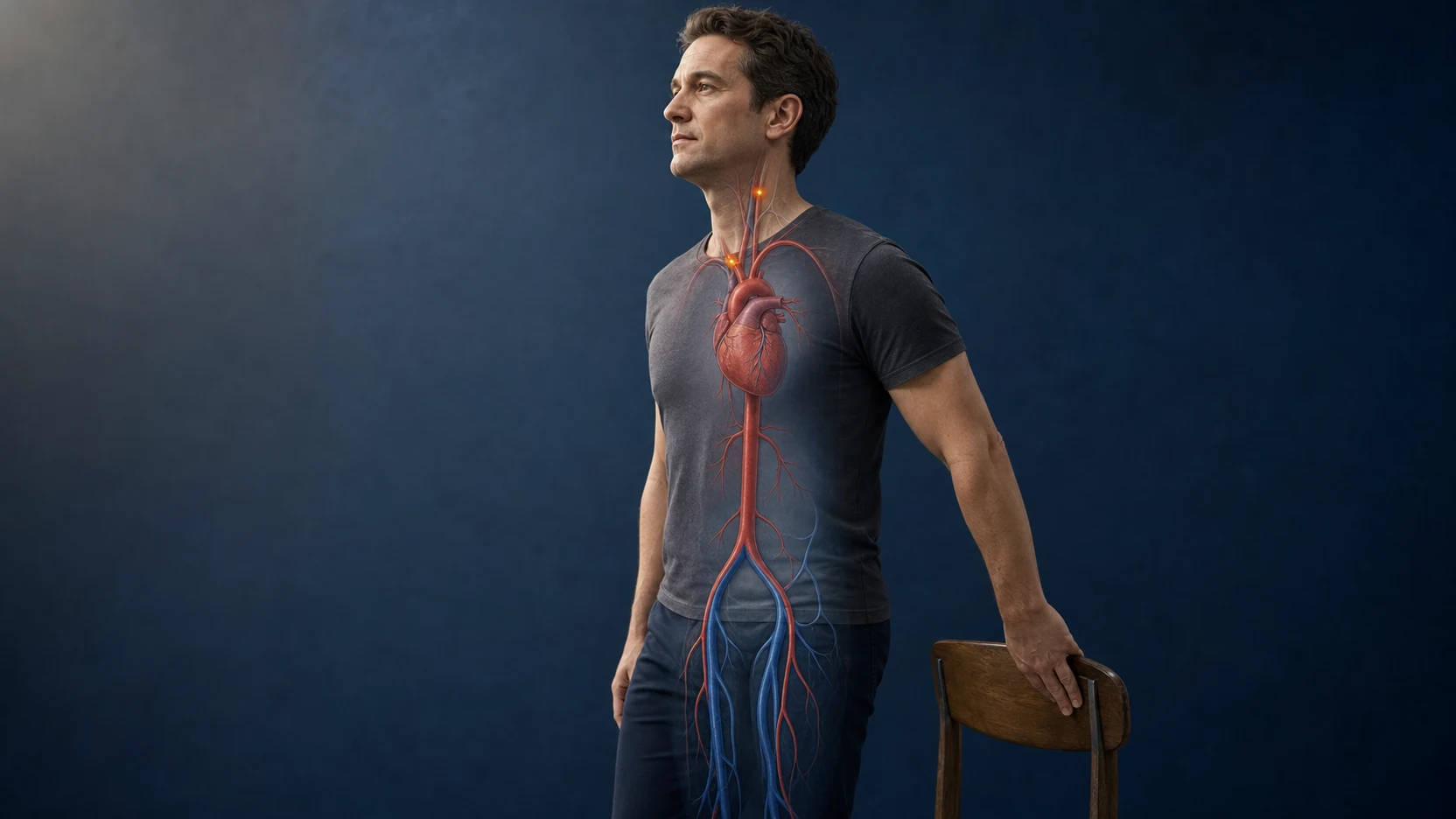
That sudden warmth spreading across your cheeks in an awkward moment is a real physiological event happening just beneath the skin. Blushing isvasodilation— the widening of small blood vessels — in the "blush region": the face, neck, ears, and upper chest. When the vessels widen, more blood flows near the skin's surface, and the area reddens and warms.
Several features make the face especially prone to showing it:
- The face has more capillary loops per unit area than most other body regions.
- The vessels sit close to the skin surface, so changes in blood flow are visible quickly.
- Facial veins appear to have a distinctive arrangement of receptors that makes the response fast and pronounced.
How a blush starts
Blushing begins with an emotional trigger — embarrassment, shyness, being praised or noticed, or a social misstep. The brain processes the situation as socially significant and activates the sympathetic nervous system:
- Adrenaline is released as part of the body's alert response.
- Signals reach the blood vessels of the face, overriding their usual constricting tone.
- The vessels relax and widen, and more blood flows to the surface — within seconds.
Brain imaging studies of blushing episodes show increased activity in regions linked to emotional arousal, including parts of the cerebellum. Interestingly, the same studies find little activation in areas associated with deliberately reasoning about other people's minds, which supports the view that blushing is a basic emotional response rather than a calculated one.
A uniquely human social signal
Blushing appears to be unique to humans — no other animal reliably does it, which is one reason Charles Darwin called it "the most peculiar and most human of all expressions." It functions as an involuntary communication channel: you can fake a smile, but a genuine blush is much harder to produce on command.
Research and everyday observation suggest the signal does real social work:
- Conflict diffuser.A blush after a mistake signals embarrassment or remorse, which can reduce hostility.
- Trust builder.People tend to view blushers as more honest and likable — the blush reads as authenticity.
- Relationship repair.After a social transgression, an automatic blush communicates that you recognize the norm and care about the relationship.
Some studies even find blushing can be asymmetric, with more blood flow on the side of the face another person is observing — a sign that the response is tuned to the social situation in real time.
Blushing and social anxiety
For most people a blush is a passing discomfort. For people with social anxiety, it can become a source of real distress: fear of blushing increases self-monitoring, the self-monitoring raises anxiety, and the anxiety triggers the feared blush — a cycle that can lead some people to avoid social situations altogether. When blushing fear is persistent and interfering, it is worth discussing with a healthcare professional; cognitive-behavioral approaches can help.
Individual differences in blushing are large. Skin tone and translucency, the density of facial blood vessels, emotional sensitivity, and learned associations all shape how visible a blush is. On darker skin the reddening may be less visible, but the warmth and increased blood flow occur just the same.
The bottom line
Blushing is a fast, involuntary, and genuinely human response: emotions activate the sympathetic nervous system, facial blood vessels widen, and the face broadcasts your internal state to anyone watching. It can be uncomfortable, but it is also an authentic signal that helps other people read you — and it is one of the few expressions that cannot be convincingly faked.
For further reading: a2023 study in Frontiers in Psychologyexamined how observers' facial skin blood flow responds to others' blushing, and a2025 systematic review of self-conscious emotionsplaces blushing within the broader family of embarrassment and shame responses.
Sources & further reading
That’s the mechanism. The wonder is still allowed.