


Cavities Uncovered: The Direct Answer
Quick Answer: Cavities form when bacteria in your mouth create acids that wear down tooth enamel, leading to tiny holes. This process is fueled by sugars and carbohydrates and worsens if plaque buildup isn’t removed promptly. The sooner you break this cycle, the easier it is to prevent dental decay.
Plaque and Acid: The Root Cause
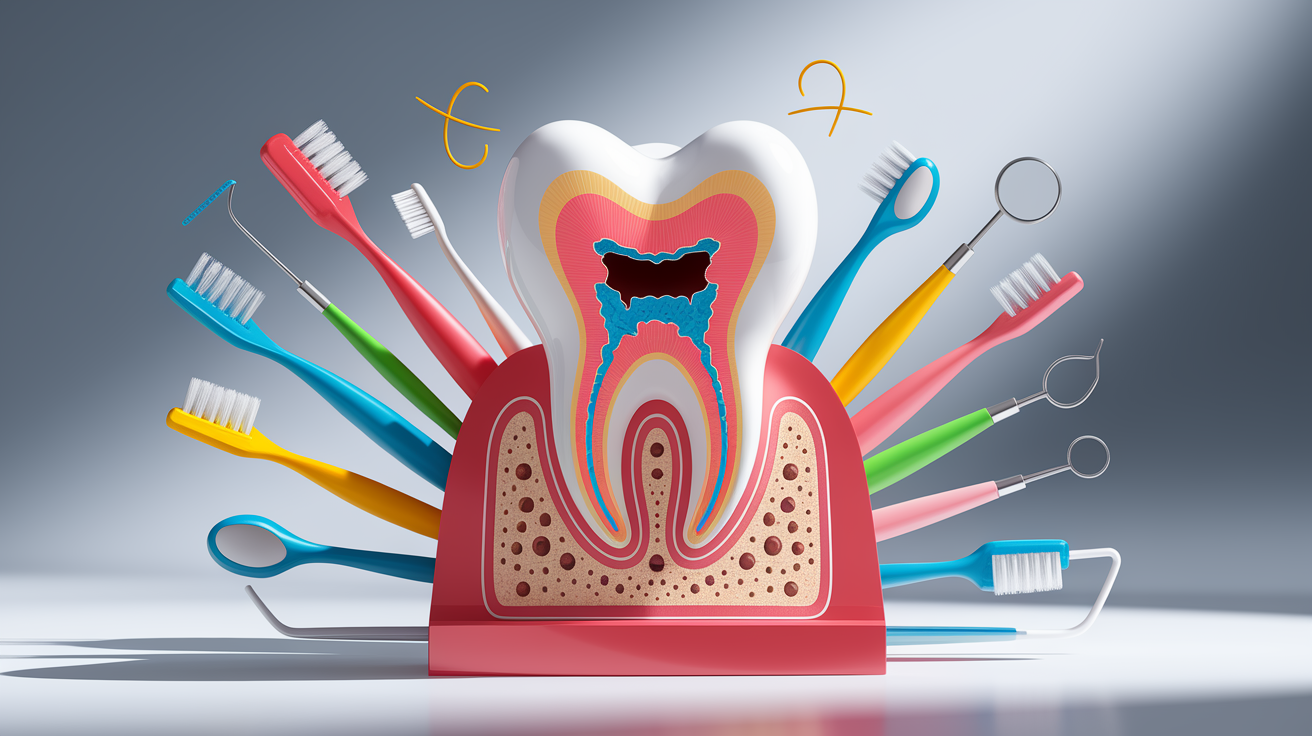
Think of plaque as the sticky film that clings to teeth after eating—it’s not just food residue, it’s a living community of bacteria. As explained by the science of tooth decay, these bacteria feast on leftover carbohydrates and produce acids. The acids cause demineralization, stripping minerals like calcium from your enamel.
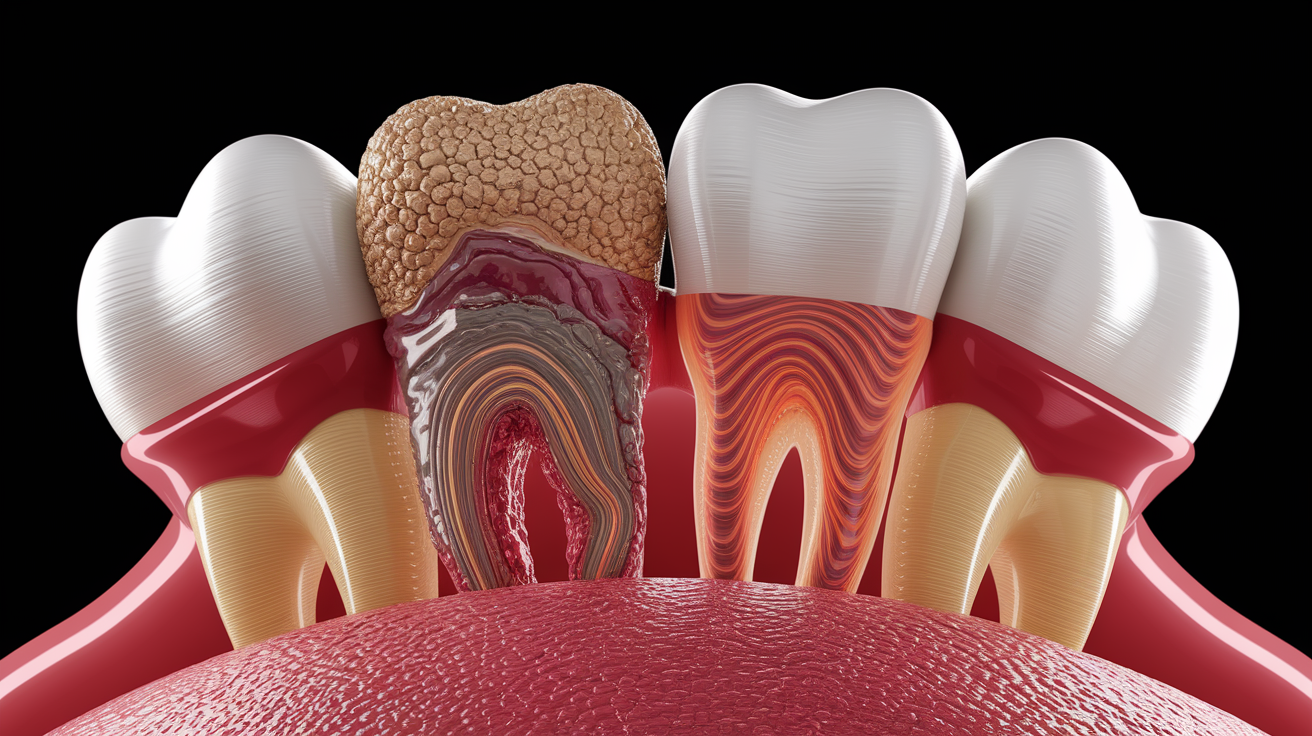
- Plaque forms quickly without thorough brushing and flossing.
- Bacterial acid production reduces pH levels on tooth surfaces.
- Low pH leads to gradual enamel breakdown and cavity formation.
Sugar’s Role: Fuel for Decay
Sugar is more than a sweet treat—it’s the preferred fuel for cavity-causing microbes like Streptococcus mutans. When sugar enters the mouth, these bacteria transform it into acids such as lactic acid, which can linger after eating and continue attacking enamel for hours.
- Refined sugars and starchy foods both feed harmful oral bacteria.
- Frequent snacking means more constant acid exposure.
- Minimizing sugar can reduce acid erosion risk.
Tooth Structure: Why Some Areas Are Vulnerable
Your teeth have multiple layers—each with a different level of defense. The outer enamel is hard and mineralized, but beneath it lies dentin, which is softer and easier for decay to penetrate. According to tooth anatomy studies, recessed gum lines exposing cementum-covered roots are also susceptible to cavities due to their reduced hardness.
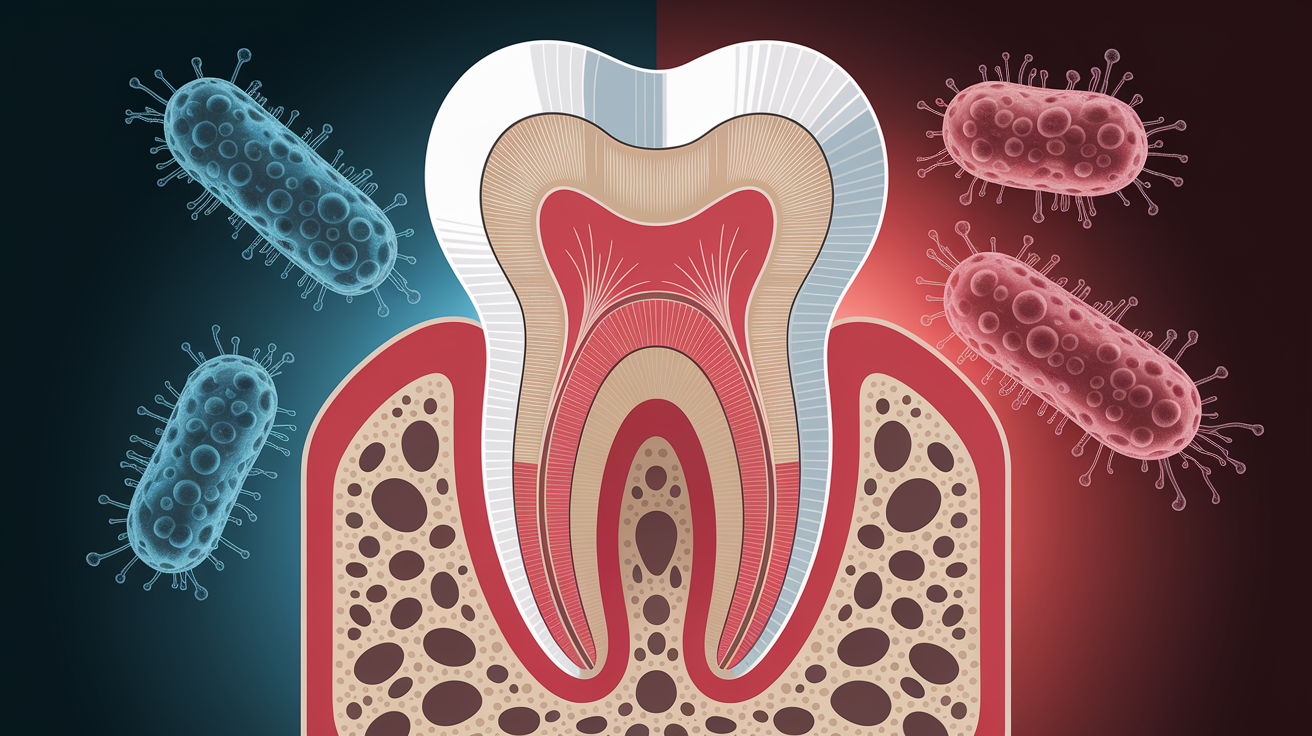
- Enamel: Tough but at risk from sustained acid contact.
- Dentin: Softer, with channels leading to the sensitive pulp.
- Pulp: Nerve-rich core prone to infection if decay advances.
- Roots: Vulnerable where gum recession occurs.
Common Triggers: When Cavities Get a Head Start
Certain habits and conditions let cavities form faster. The Mayo Clinic identifies poor oral hygiene, high sugar diets, and frequent acidic food exposure as major factors.
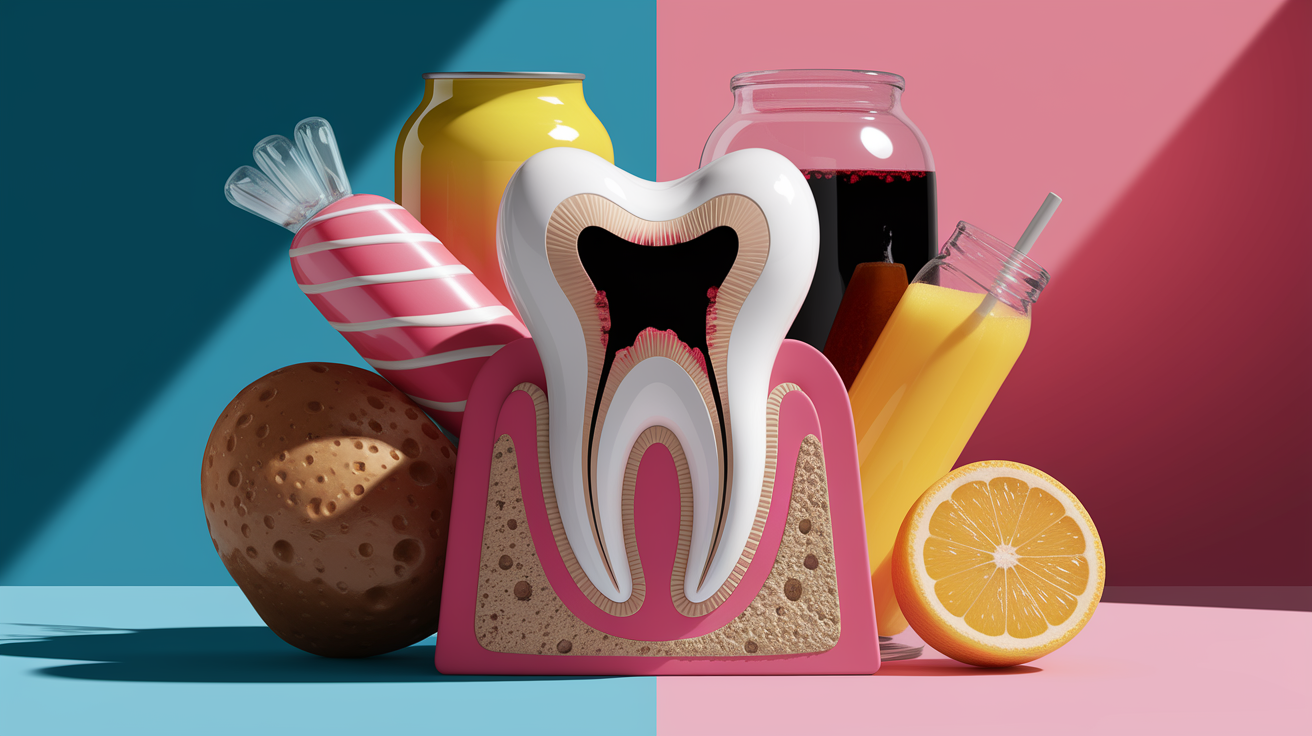
- Skipping regular tooth brushing and flossing.
- Frequent sipping of sugary drinks keeps pH low.
- Eating sticky carbs that cling to tooth surfaces.
- Tartar buildup shields bacteria from cleaning efforts.
- Dry mouth reduces cleansing effects of saliva.
Seal the Gap: Your Takeaway
Preventive dentistry turns the tide against cavity formation. Good oral hygiene—brushing twice daily, flossing once, and rinsing with mouthwash—keeps plaque from thriving. Regular dental checkups catch trouble early, allowing simple fillings instead of root canals or extractions. The Cleveland Clinic emphasizes that untreated cavities can lead to serious pain and infection, so early action is best.
- Limit sugary and starchy snacks between meals.
- Drink water to help wash away food particles.
- Use fluoride toothpaste to strengthen enamel.
- Don’t skip routine dental visits.
- Address gum health to protect exposed roots.