
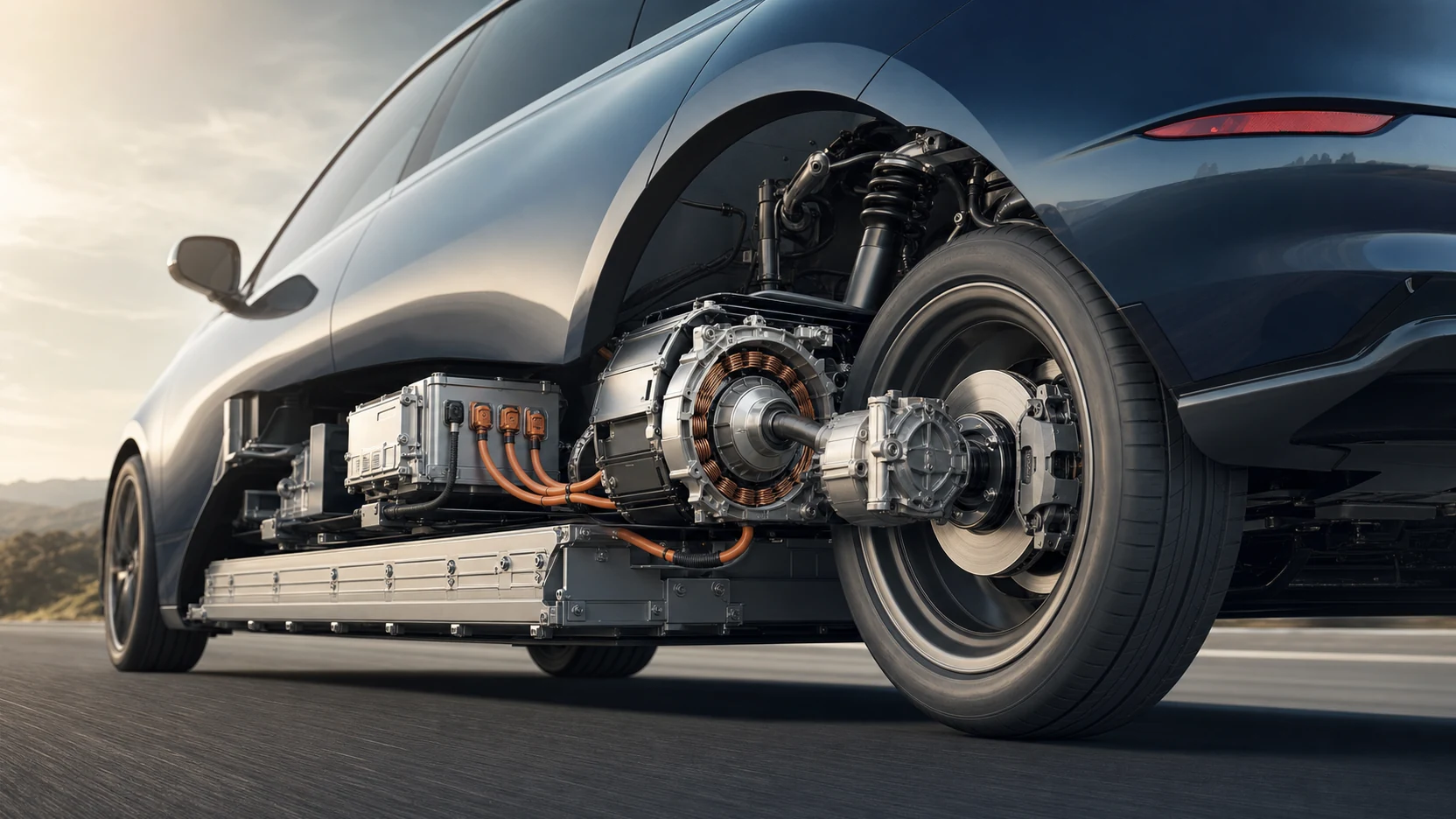
Quick Answer:Regenerative braking lets cars recapture energy when slowing down, turning it into electricity instead of losing it as heat. This stored energy can be reused to power the vehicle, boosting efficiency and reducing brake wear.
Energizing Your Ride: How Regenerative Braking Works Immediately
In mosthybrid and electric vehicles, slowing down isn’t just about stopping the wheels—it’s an opportunity to grab free energy. Instead of relying solely onfriction brakes, the car’selectric motorswitches into “generator mode” duringdeceleration. As the wheels turn the motor, it produces electrical energy throughelectromagnetic induction, sending it into thebatteryfor later use.
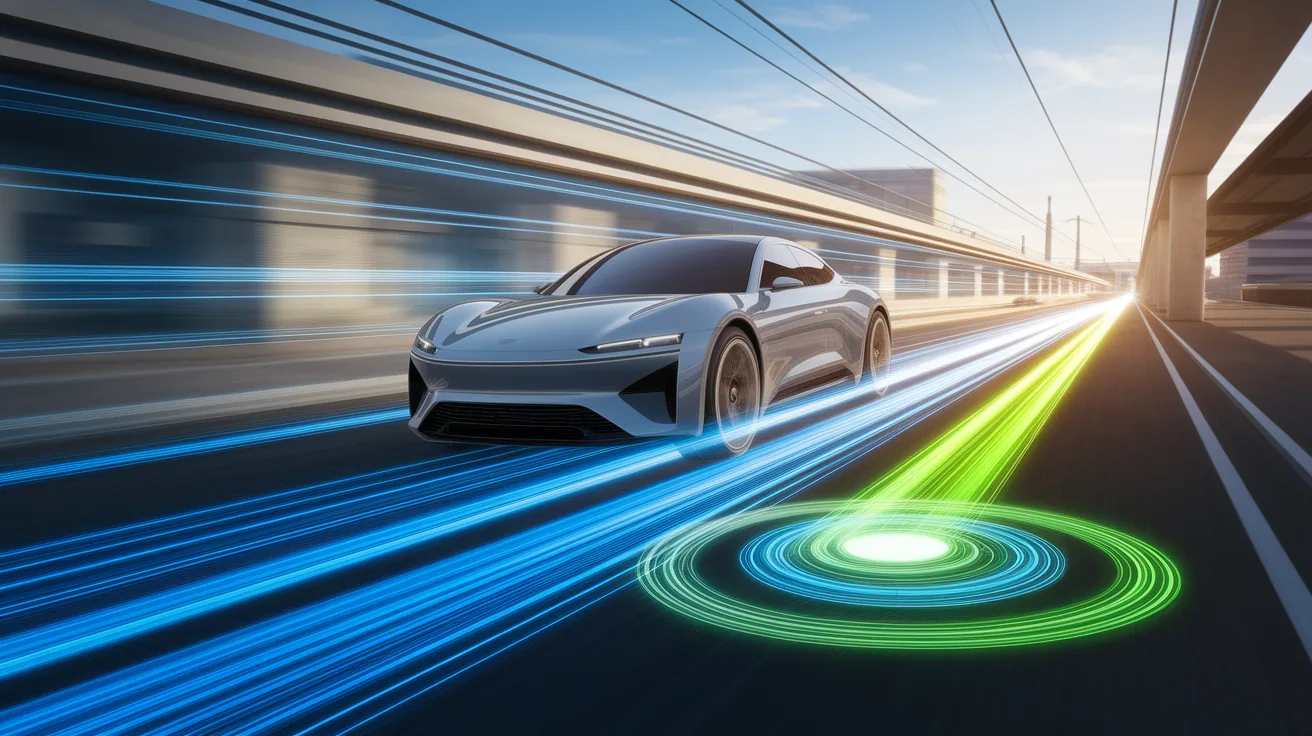
The magic can start when you ease off the accelerator, lightly tap thebrake pedal, or begin a downhill descent. In all these cases, your braking system is quietly performingenergy recovery, capturing motion and converting it into usable power.
The Mechanics Behind Energy Conversion
Think of regenerative braking as running a fan in reverse. Instead of electricity spinning the blades, the airflow (or in the case of a car, the wheel movement) spins the blades, generating electricity.
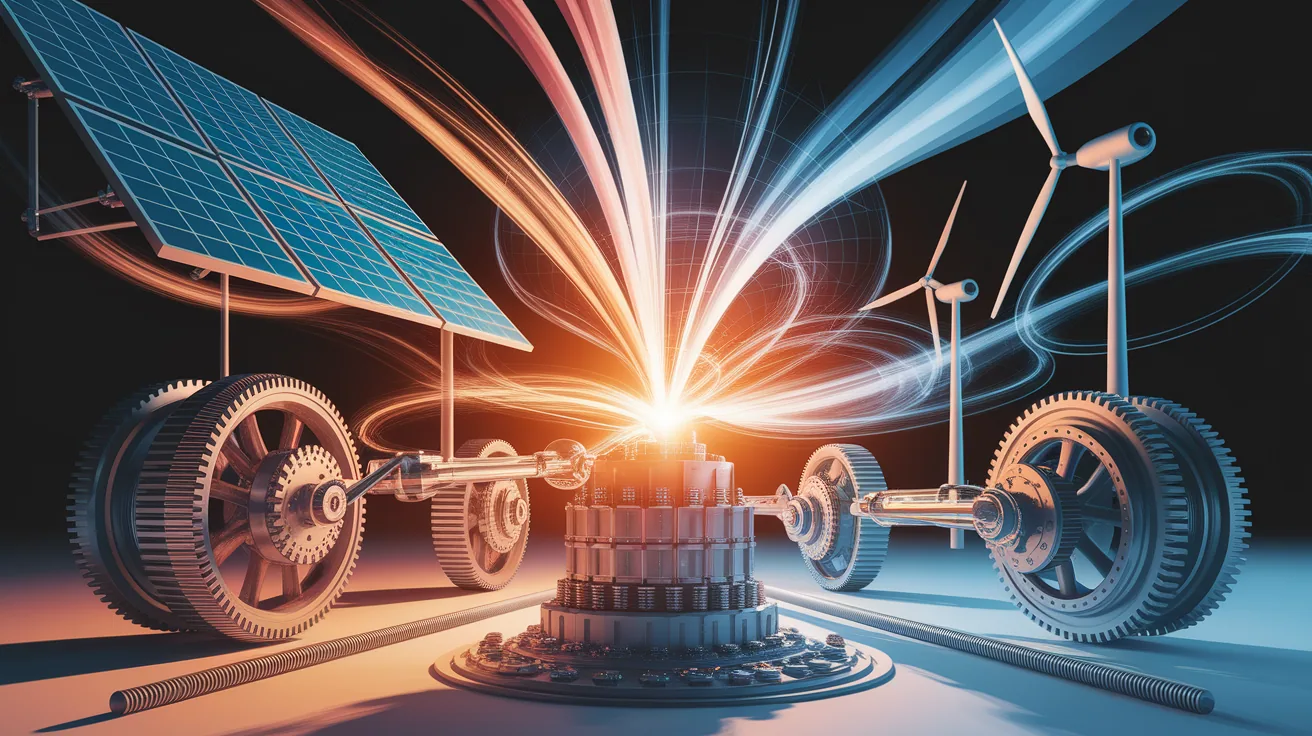
- Step 1:The driver triggers braking (via pedal, coasting, or an automated system).
- Step 2:Thetraction motortransitions from propelling the car to working as a generator.
- Step 3:Motion energy (kinetic energy) is converted intoelectrical energyusingmotor controllerandpower electronics.
- Step 4:Energy travels through theinverterand is stored in thebatteryor capacitor.
- Step 5:The stored energy is reused later to accelerate the car or run accessories without drawing from the grid.
This process is calledbrake energy recoveryand can save a significant amount of power over time.
Variations in Regenerative Braking Systems
Not all regenerative systems are identical. Different setups suit different vehicles, driving environments, and performance needs.
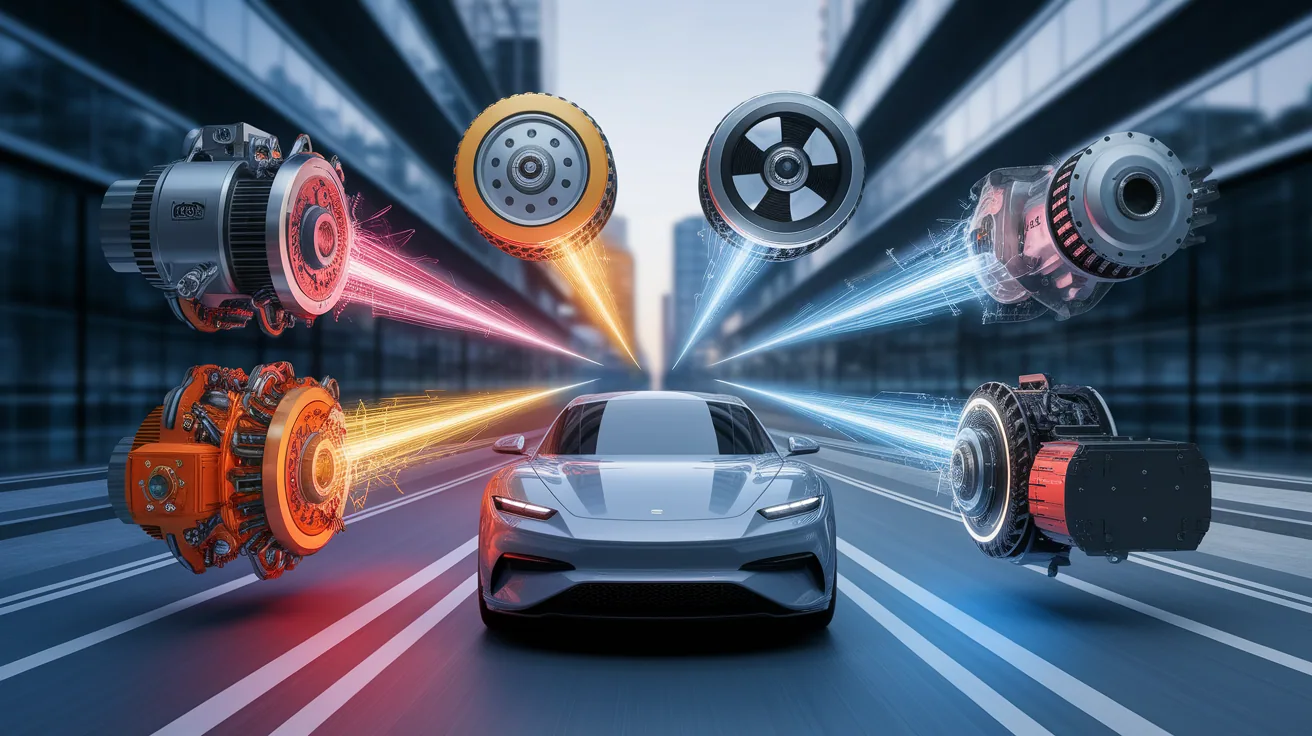
- Electric regenerative braking:Common inelectric vehicles and hybrids, using traction motors to recover energy.
- Hydraulic regenerative braking:Found in some commercial and heavy-duty vehicles, capturing and storing energy in hydraulic accumulators.
- Predictive systems:Anticipate braking situations using sensors to maximize recovery.
- Customizable regeneration:Drivers select how strongly the brakes regenerate, fine-tuning the feel of deceleration.
Manufacturers likeBoschare pushing the boundaries with advanced systems that blend comfort, safety, and efficiency.
Optimizing Energy Recovery on the Road
To reap the most benefits from regenerative braking, drivers can adopt a few smart habits:
- Coast smoothly instead of abrupt stops, giving the system more time to capture energy.
- Use gentle brake pedal input whenever possible to favor electric braking over friction brakes.
- Plan for downhill stretches by letting regenerative braking take the lead instead of riding the brakes.
- Combine regen with conventional brakes only when necessary, such as during emergency stops.
Remember: While regenerative braking boostsenergy efficiency, mechanical brakes remain essential for safety and low-speed stopping.
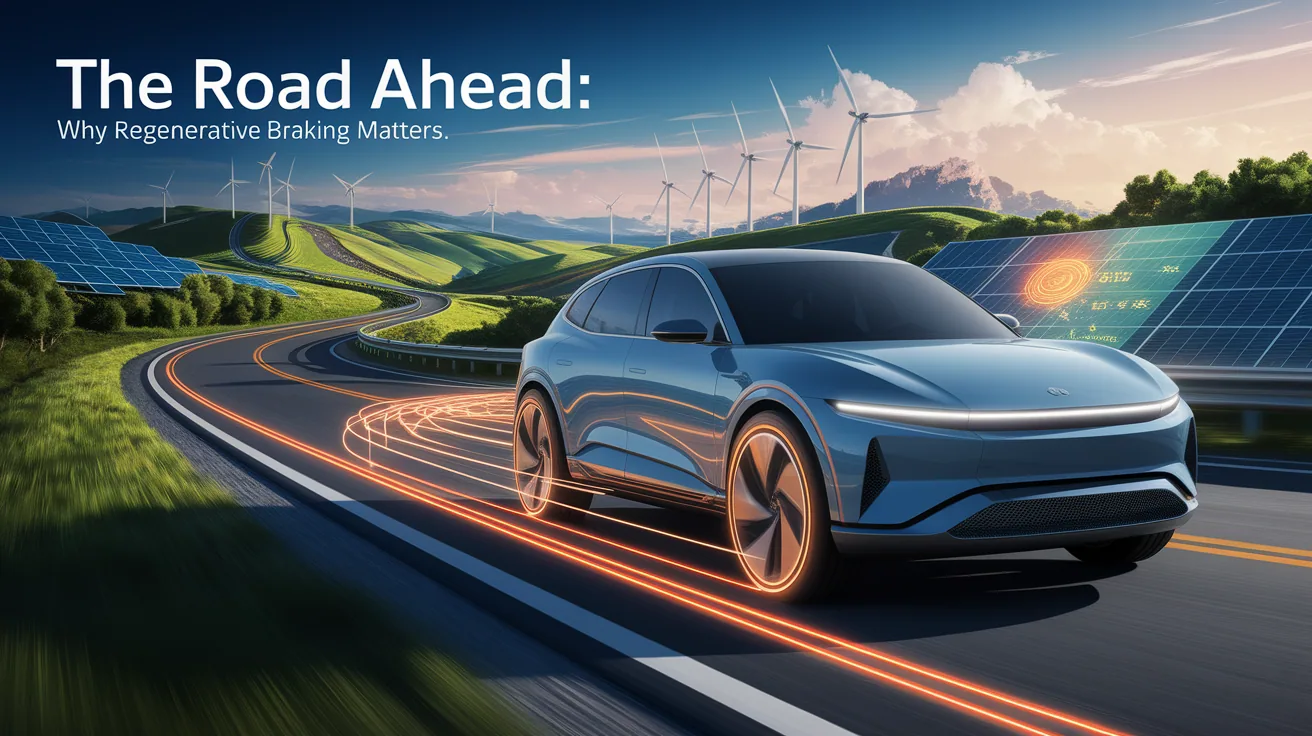
The Road Ahead: Why Regenerative Braking Matters
Regenerative braking is a win-win: bettervehicle efficiency, reduced wear on brake components, and a cleaner environmental footprint. By cutting down the energy wasted during slowing, cars can travel farther on the same charge or fuel. That means fewer brake replacements, lower maintenance costs, and less heat generated during stops—helping to reducebrake fadein demanding driving conditions.
While it can’t fully replacefriction braking, regenerative braking is a core technology for the future of transportation, particularly in urban and high-stop driving scenarios. As energy management systems grow more sophisticated, expect even greater recovery rates on the road.
Sources & further reading
That’s the mechanism. The wonder is still allowed.