
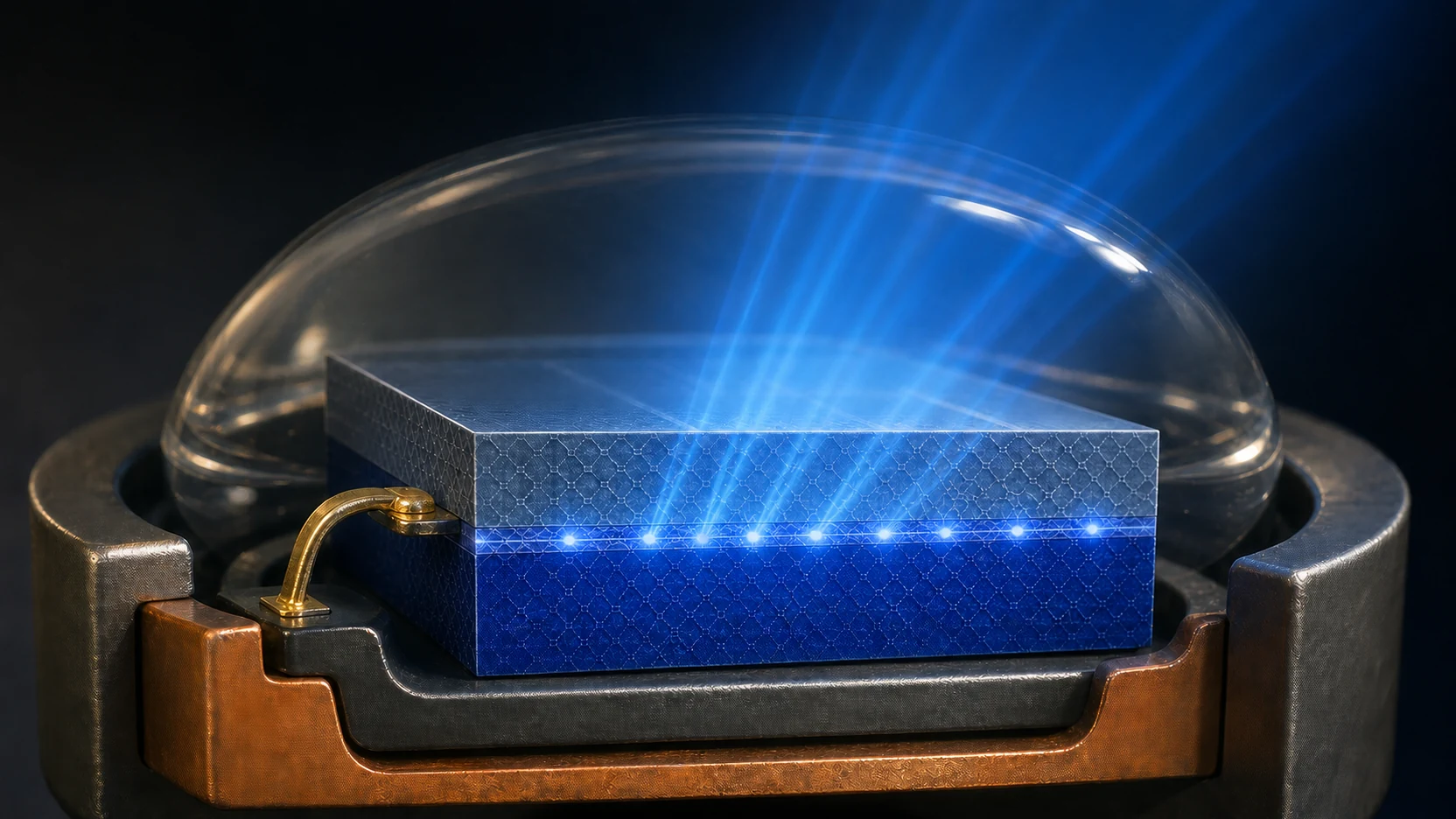
Quick Answer:LEDs, or light-emitting diodes, turn electricity directly into light using a semiconductor process called electroluminescence. When electrons and holes meet in a p-n junction, they release energy as photons, creating efficient, colorful light without the hot filaments of traditional bulbs.
Lightbulb Moment: Instant LED Insight
If you’ve ever wondered why LEDs seem almost magical—bright, colorful, and cool to the touch—the secret lies in how they produce light. Unlike old-fashioned incandescent bulbs that glow by heating a wire filament, LEDs use a much more direct method: they create light by moving tiny charged particles inside a special type of material called a semiconductor. This makes them highly efficient, long-lasting, and capable of producing vibrant colors.
The Electroluminescence Engine
The heart of an LED is something calledelectroluminescence. Here’s what happens inside:

- The LED contains ap-n junction, where a p-type semiconductor (full of “holes” for electrons) meets an n-type semiconductor (rich in electrons).
- When you apply a forward bias—connecting the anode to the positive side and the cathode to the negative—electrons are pushed across the junction.
- Electrons from the n-side move into the p-side, where they find holes to fill. This is called recombination.
- As electrons drop from a higher energy conduction band to a lower energy valence band, they release the excess energy asphotons—particles of light.
This process is extremely efficient because the energy goes directly into making light, rather than heating something up.
Color by Band Gap
Now, why do some LEDs shine red, others green, and some brilliant blue? It all comes down to the semiconductor’sband gap—the energy difference between the conduction band and the valence band.
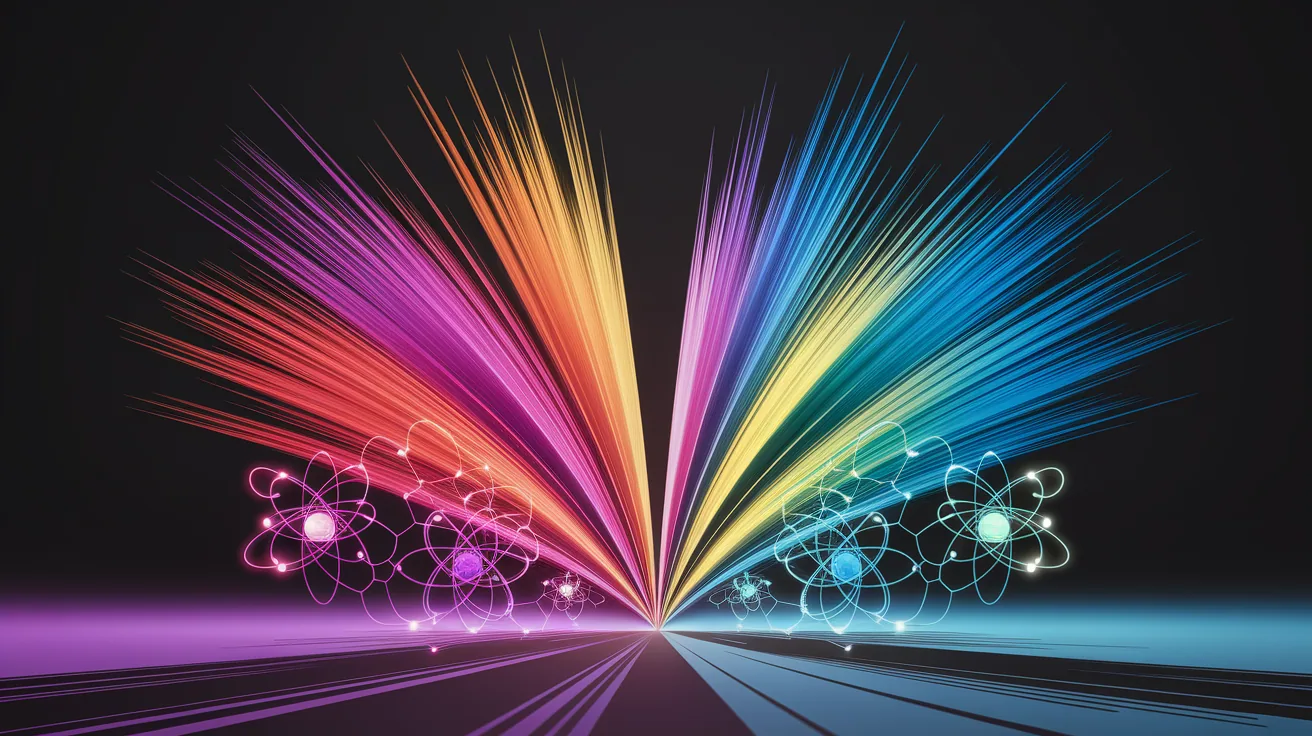
- Larger band gaps mean photons have more energy, creating shorter wavelengths like blue or violet light.
- Smaller band gaps yield lower energy photons, giving longer wavelengths such as red or infrared.
- Materials like gallium arsenide (GaAs) produce infrared light, while indium gallium nitride (InGaN) can produce bright blues.
For white LEDs, manufacturers often start with a blue LED and coat it with a phosphor. The phosphor converts some of the blue light into longer wavelengths, and together they blend to look like white light to our eyes.
Inside an LED Package
The visible LED you see in a device is more than just a glowing chip. The construction is cleverly designed to protect and shape its light:
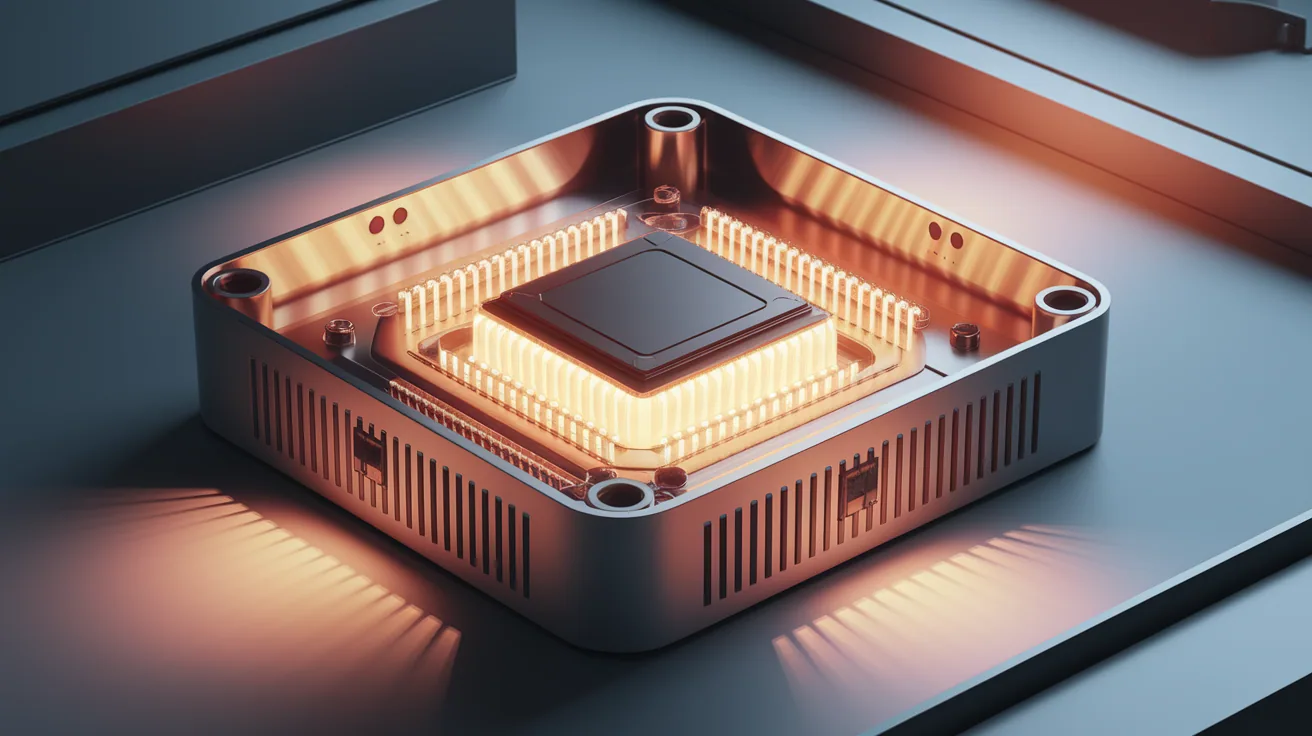
- The semiconductor chip contains the p-n junction where the magic happens.
- The chip is mounted on a lead frame that connects it electrically via anode and cathode leads.
- The entire assembly is enclosed in an epoxy lens, which both shields the chip and directs the light output.
- This packaging is why LEDs can be tiny yet focused, perfect for displays, indicators, or lighting.
Inforward-biased LED operation, the protective design also helps manage heat (minimal though it is) and protects the delicate semiconductor inside.
Bright Prospects: Wrapping Up LED Light Production
LEDs turn electricity into light through the precise dance of electrons and holes inside semiconductors. Thanks to electroluminescence in carefully engineered materials, they can emit just about any color in the visible spectrum—and even beyond. Their efficiency, durability, and versatility have made them the go-to choice for everything from streetlamps to smartphone screens. By tailoring band gap energies and refining packaging, LED technology continues to shine ever brighter in our world.
Sources & further reading
That’s the mechanism. The wonder is still allowed.