
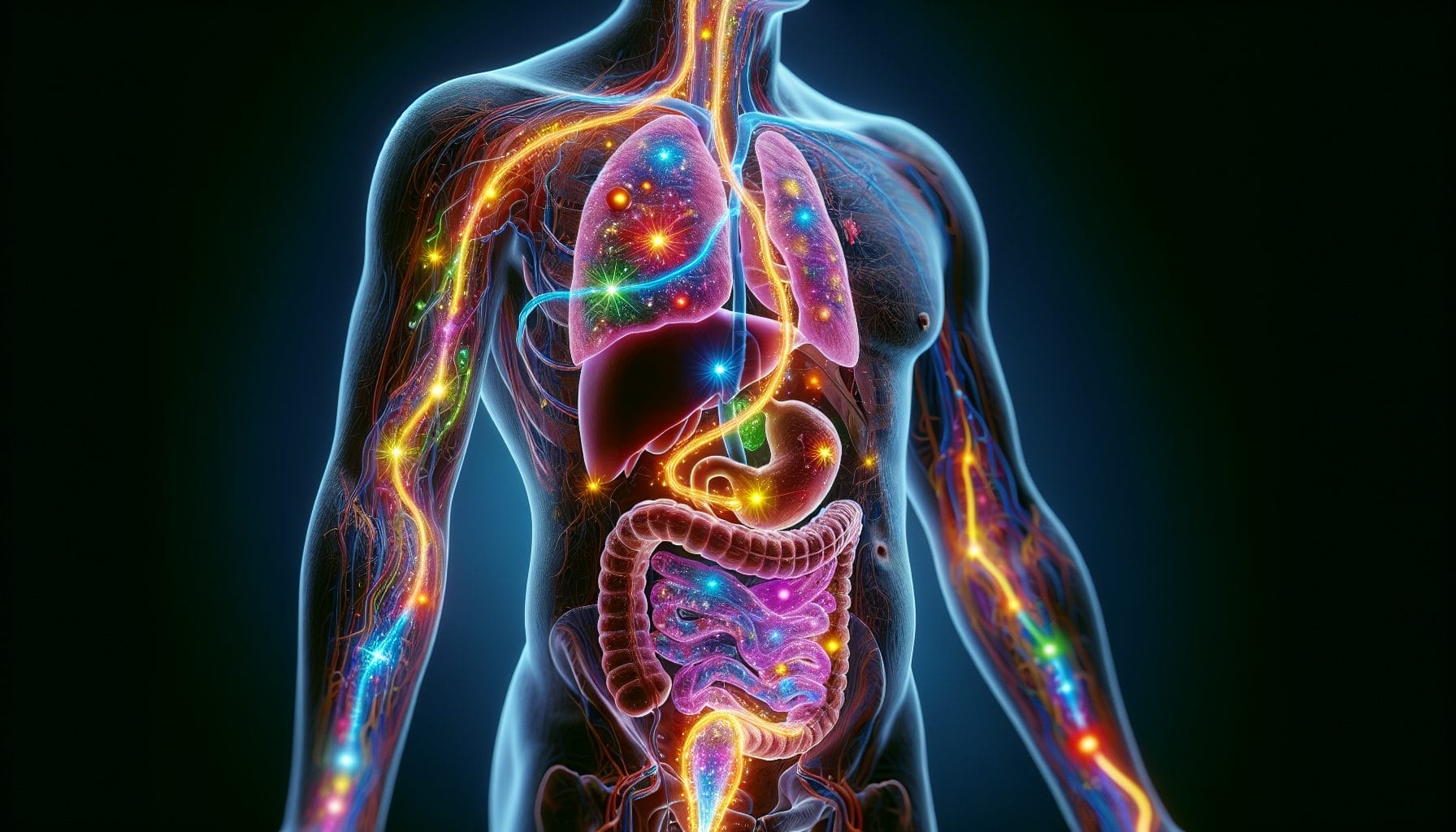
Quick Answer: When you consume alcohol, it embarks on a complex journey through your body—starting with absorption in your digestive tract, traveling through your bloodstream, undergoing transformation in your liver, and finally being eliminated through breath, urine, and sweat. Your body processes roughly one standard drink per hour, though this varies significantly between individuals.
Introduction – The Alcohol Adventure Begins
Have you ever wondered what actually happens when you sip that glass of wine or beer? Once alcohol passes your lips, it triggers a fascinating cascade of biological processes as your body works to process this unique substance. Unlike most foods and beverages that require extensive digestion, alcohol (ethanol) takes a more direct route through your system.

Think of alcohol processing as a four-stage journey: absorption into the bloodstream, distribution throughout the body, metabolism (primarily in the liver), and elimination. Understanding this journey not only satisfies curiosity but helps explain why different people react differently to alcohol and why its effects can vary so widely from person to person.
Let’s follow alcohol’s remarkable journey through your body, step by step!
Absorption and Distribution
The moment alcohol enters your mouth, the adventure begins—though surprisingly, very little absorption happens there or in your esophagus.
Fast Track to Your Bloodstream
Unlike most nutrients that must be broken down before absorption, alcohol (ethanol) is a small, water-soluble molecule that passes directly through the lining of your digestive tract through passive diffusion. Here’s how absorption typically unfolds:
- Stomach absorption: About 20% of alcohol gets absorbed directly through your stomach lining
- Small intestine absorption: The remaining 80% passes into your small intestine, where it’s absorbed much more rapidly
- First-pass metabolism: A small portion gets broken down in the stomach and intestinal lining by alcohol dehydrogenase (ADH) and aldehyde dehydrogenase (ALDH) before reaching circulation
Most alcohol reaches your bloodstream within 30-90 minutes after drinking, though this timing varies based on several factors including whether you’ve eaten, how quickly you’re drinking, and your body composition.
Traveling Throughout Your Body
Once in your bloodstream, alcohol doesn’t stay there—it quickly distributes throughout your body:
- Alcohol travels to all tissues containing water, including your brain (causing intoxication)
- It doesn’t significantly enter fat tissues or bones
- Your body reaches an equilibrium as alcohol distributes between blood and tissues
Interestingly, people with higher body fat percentages typically experience higher blood alcohol concentration (BAC) from the same amount of alcohol compared to those with less body fat. This occurs because alcohol distributes primarily in body water, not fat, so the same amount of alcohol gets concentrated in a smaller volume of body water.
Metabolism in the Liver
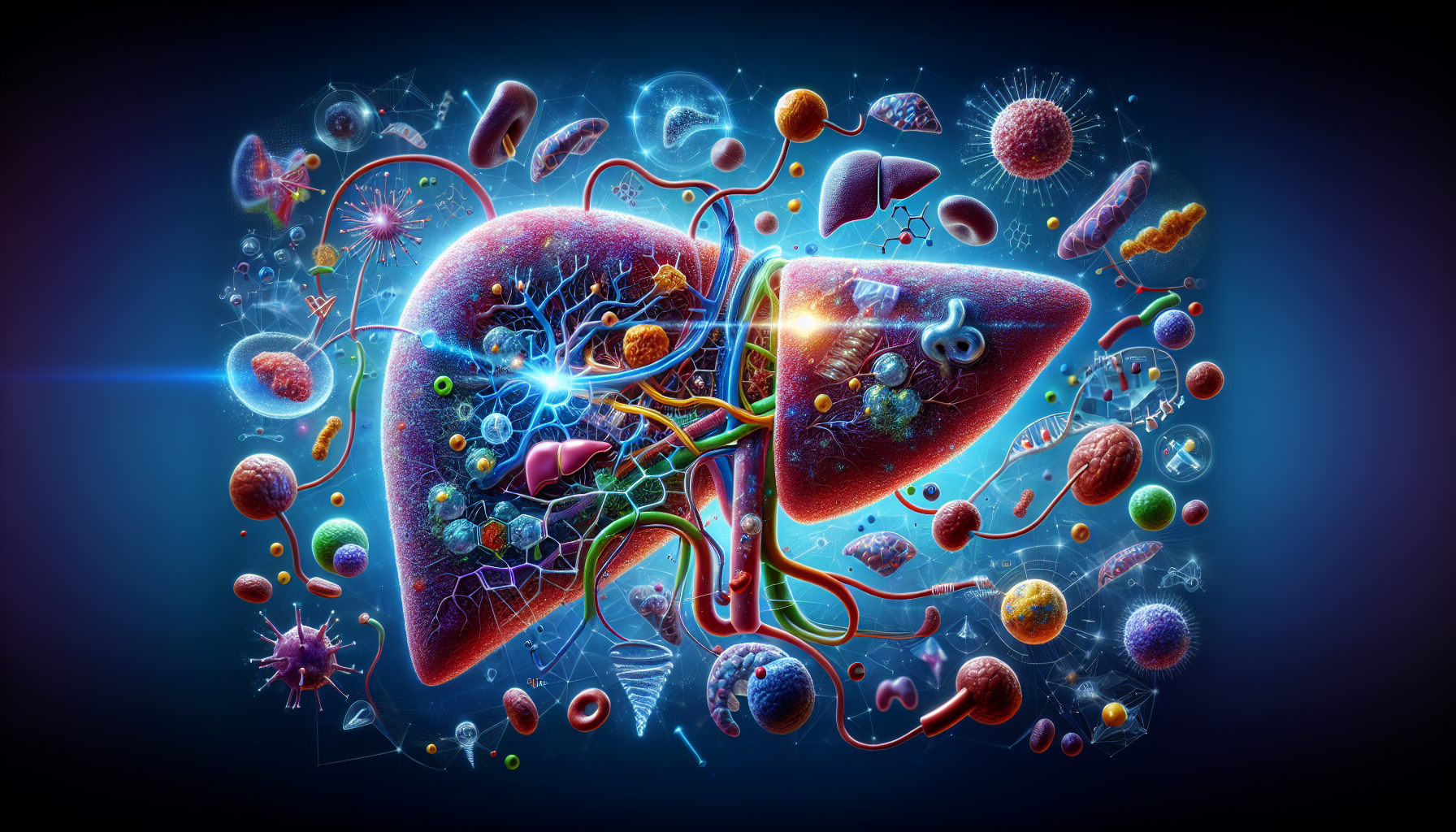
While alcohol affects many organs as it travels through your body, your liver shoulders about 90% of the responsibility for breaking it down. This vital organ is your body’s primary detoxification center, using a series of chemical reactions to transform alcohol into substances your body can more easily eliminate or use.
The Main Pathway: ADH to the Rescue
The liver breaks down alcohol in a two-step process, transforming it from a potentially toxic substance into harmless byproducts:
- Step 1: Alcohol → Acetaldehyde
Alcohol dehydrogenase (ADH) converts ethanol into acetaldehyde, using NAD+ as a helper molecule - Step 2: Acetaldehyde → Acetate
Aldehyde dehydrogenase (ALDH) quickly converts acetaldehyde (which is quite toxic) into acetate - Final breakdown: Acetate leaves the liver and is further metabolized in other tissues into carbon dioxide and water
This primary pathway handles most alcohol processing at typical drinking levels.
Backup Systems: When You Drink More
When you consume larger amounts of alcohol, your body activates additional systems:
- MEOS pathway: The Microsomal Ethanol-Oxidizing System, primarily using an enzyme called cytochrome P450 2E1 (CYP2E1), becomes more important at higher alcohol concentrations
- Catalase pathway: A minor pathway that helps process small amounts of alcohol
The CYP2E1 system becomes more active in regular drinkers, contributing to increased alcohol tolerance but unfortunately also generating more harmful reactive oxygen species that can damage liver cells.
The Processing Rate Limit
Your liver processes alcohol at a relatively fixed rate, regardless of how much you drink. For most adults, this equals approximately:
- One standard drink per hour
- A decrease in blood alcohol concentration (BAC) of about 0.015% per hour
When you drink faster than your liver can process alcohol, the unmetabolized alcohol accumulates in your bloodstream, increasing your BAC and level of intoxication.
Elimination and Excretion
While metabolism in the liver accounts for about 90-98% of alcohol removal, your body has additional methods to eliminate the remaining alcohol.
Multiple Exit Routes
Your body eliminates alcohol through several pathways:
- Breath: About 2-5% of alcohol leaves through exhalation (this is what breathalyzers detect)
- Urine: Another 2-5% is excreted unchanged by your kidneys
- Sweat: A very small amount exits through perspiration
- Metabolism: The vast majority (90-98%) is processed by your liver into water and carbon dioxide
The Timeline of Alcohol Clearance
How long alcohol remains detectable in your system depends primarily on how much you’ve consumed:
- Breath and blood: Detectable for roughly as many hours as the number of drinks consumed
- Urine: May be detectable for 12-24 hours after drinking stops
Despite popular myths, nothing significantly speeds up this process—not coffee, cold showers, exercise, or special remedies. Your liver works at its own steady pace regardless of external attempts to hurry it along.

When the System Gets Overwhelmed
When alcohol consumption exceeds your body’s processing capacity, unmetabolized alcohol continues circulating, potentially leading to:
- Increasing levels of intoxication
- Impaired judgment and coordination
- In extreme cases, respiratory depression or alcohol poisoning
Your body can only eliminate alcohol at its fixed rate, so the only remedy for intoxication is time.
Individual Differences in Alcohol Processing
Ever notice how some people seem hardly affected by drinks that would significantly impair others? These differences aren’t just about tolerance—they reflect genuine biological variations in how bodies process alcohol.
Biological Sex and Body Composition
Women and men tend to process alcohol differently due to several key factors:
- Body water percentage: Women typically have less total body water and more body fat than men of similar weight, leading to higher BAC from the same amount of alcohol
- Stomach enzyme levels: Women generally have lower levels of gastric ADH, resulting in less first-pass metabolism and more alcohol reaching the bloodstream
Genetic Variations
Your genetic makeup significantly influences how efficiently you process alcohol:
- ADH variations: Different versions of ADH genes can speed up or slow down the first step of alcohol metabolism
- ALDH variations: Some ALDH2 variants (common in East Asian populations) result in reduced ALDH activity, causing acetaldehyde buildup that produces flushing, rapid heartbeat, and discomfort after drinking
Other Important Factors
Several other variables affect alcohol processing:
- Drinking history: Regular drinkers may develop metabolic tolerance through increased CYP2E1 activity
- Liver health: Conditions like fatty liver disease, hepatitis, or cirrhosis can impair alcohol metabolism
- Medications: Some medications can compete with or alter alcohol metabolism pathways
- Age: As we age, our body’s efficiency in processing alcohol may decrease
These variations help explain why drinking affects different people in different ways and why recommendations about “safe” consumption levels aren’t one-size-fits-all.
Conclusion – The End of the Alcohol Journey
The journey of alcohol through your body is a remarkable example of your body’s sophisticated processing capabilities. From initial absorption through the digestive tract to final elimination, your body works tirelessly to handle this unique substance.
Understanding this process helps explain why alcohol affects people differently, why its effects take time to appear and disappear, and why moderation is important. Your liver can only process alcohol at a certain rate—typically about one standard drink per hour—regardless of how much you consume.
The next time you enjoy an alcoholic beverage, you can appreciate the complex biological processes happening behind the scenes as your body efficiently manages this substance, transforming it from ethanol to harmless byproducts and eventually eliminating it completely.