

Quick Answer: Soundproofing reduces noise by blocking, decoupling, and absorbing sound waves as they attempt to travel through structures. These techniques work together to prevent sound energy from passing between spaces, with effectiveness depending on the materials used and proper implementation of soundproofing methods.
The Science Behind Soundproofing
When that neighbor’s music is thumping through your walls or traffic noise is interrupting your sleep, understanding how sound travels helps explain why it’s so persistent—and how we can stop it!
Sound is essentially a wave of pressure that travels through air and other materials. These sound waves vibrate molecules, which pass the vibration along to neighboring molecules—this is how sound travels from its source to your ears.
Effective soundproofing relies on three fundamental principles:
- Blocking: Adding mass to barriers (like walls) to reflect sound waves back or convert them to heat
- Decoupling: Separating structural elements to prevent vibrations from traveling between them
- Absorption: Using materials that capture sound energy and convert it to heat
Each of these principles targets a different aspect of sound transmission. Think of soundproofing like building a fortress against noise: blocking provides the thick walls, decoupling creates a moat that sound can’t cross, and absorption acts like soft ground that swallows up sound energy.
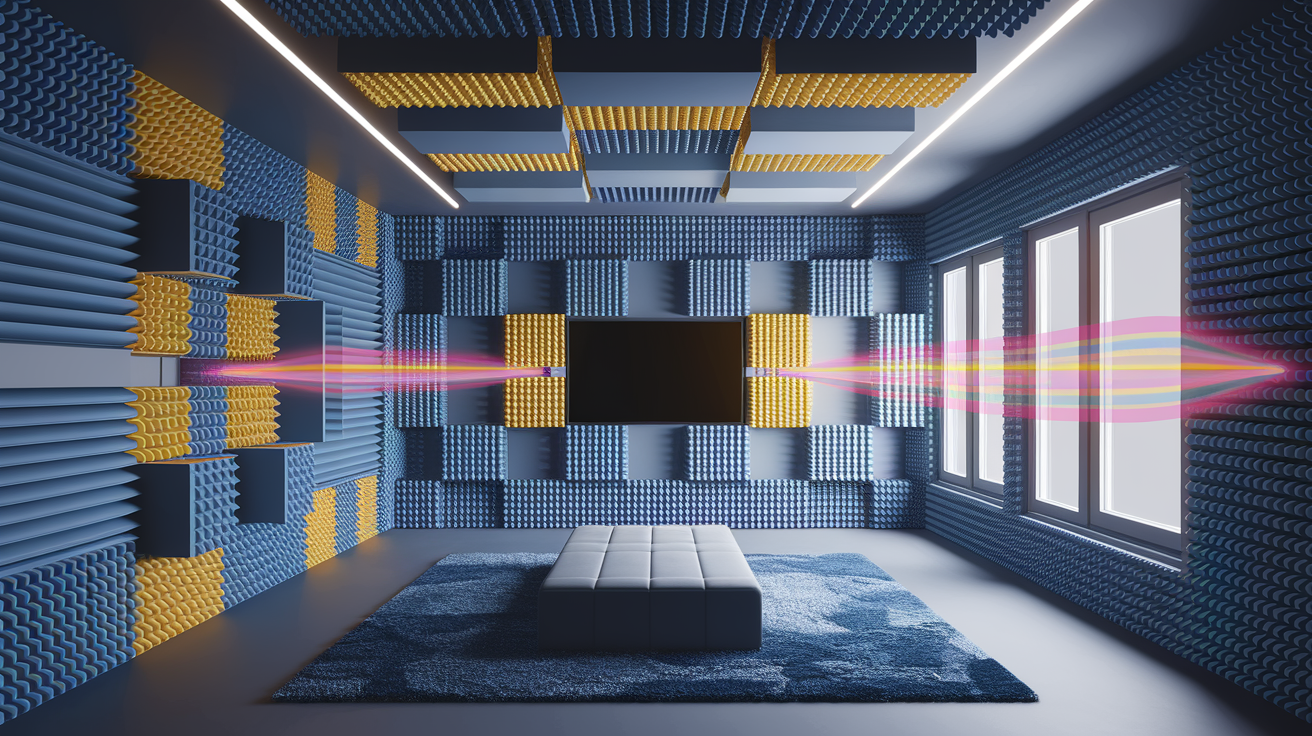
When sound waves hit a surface, three things can happen:
- They can be reflected back (like a bouncing ball)
- They can be absorbed (like a ball landing in sand)
- They can be transmitted through the material (like light through glass)
Effective soundproofing maximizes reflection and absorption while minimizing transmission. The denser and heavier a material is, the better it blocks sound—this is why lead would make an excellent soundproofing material (though it’s rarely used due to other concerns).
Choosing the Right Materials
The materials you select dramatically affect your soundproofing success. Different materials excel at different aspects of noise control:
Mass and Density: The Sound Blockers
Heavy, dense materials are the champions of blocking airborne noise. These include:
- Mass loaded vinyl (MLV): A thin but dense flexible sheet that adds significant mass to walls without much thickness
- Specialized acoustic boards: Products like Maxiboard or Acoustilay that combine density with dampening properties
- Concrete, brick, and stone: Naturally excellent sound blockers due to their mass
The higher a material’s mass, the more it resists the vibrations that create sound transmission. This is why concrete apartments typically have better sound isolation than wooden structures.

Porous Materials: The Sound Absorbers
Acoustic insulation plays a crucial role in trapping sound energy within its structure. Effective absorbers include:
- Mineral wool (Rockwool)
- Fiberglass insulation
- Acoustic foam panels
- Recycled cotton insulation
These materials work by forcing sound waves to navigate through a maze of tiny air pockets. As the waves bounce around inside the material, they lose energy and convert to a minuscule amount of heat—effectively “disappearing.”
Innovative Solutions
Science continues to develop new approaches to noise reduction. For instance, researchers have developed sound-suppressing silk that can actively cancel certain sound frequencies by generating opposing waves—similar to how noise-canceling headphones work but built into the material itself.
The noise reduction coefficient (NRC) and sound transmission class (STC) are ratings that help compare the effectiveness of different materials. Higher numbers indicate better performance in each category.
Techniques for Effective Soundproofing
Knowing the materials is only half the battle—proper implementation is equally important for achieving effective noise isolation.
Creating Air Gaps and Decoupling
One of the most effective techniques involves decoupling surfaces so vibrations can’t easily travel between them. This includes:
- Independent acoustic wall linings: Building a separate wall structure that doesn’t touch the existing one
- Resilient channels: Metal strips that separate drywall from studs
- Floating floors: Creating a floor that doesn’t directly contact the structural floor beneath
These methods introduce air gaps or flexible connections that interrupt the path of vibrations, significantly reducing sound dampening between spaces.

Sealing Gaps and Vulnerabilities
Sound is like water—it will find any available path to flow through. Even small gaps can dramatically reduce the effectiveness of your soundproofing efforts. Critical areas to address include:
- Door and window perimeters (use acoustic sealant or specialized gaskets)
- Electrical outlets and switches
- HVAC ducts and vents
- Gaps between flooring and walls
For doors and windows specifically, using solid core doors and double or triple-paned windows provides significant improvements in noise control.
Layering for Maximum Effect
Combining multiple techniques creates a comprehensive approach to soundproofing:
- Start with structural decoupling (separate walls or resilient channels)
- Add mass (drywall, MLV, or acoustic boards)
- Fill cavities with absorptive insulation
- Seal all gaps meticulously
- Consider adding surface treatments for additional absorption
This multi-layered approach addresses different types of noise—both airborne sound (voices, music) and structure-borne sound (footsteps, vibrations)—for maximum effectiveness.
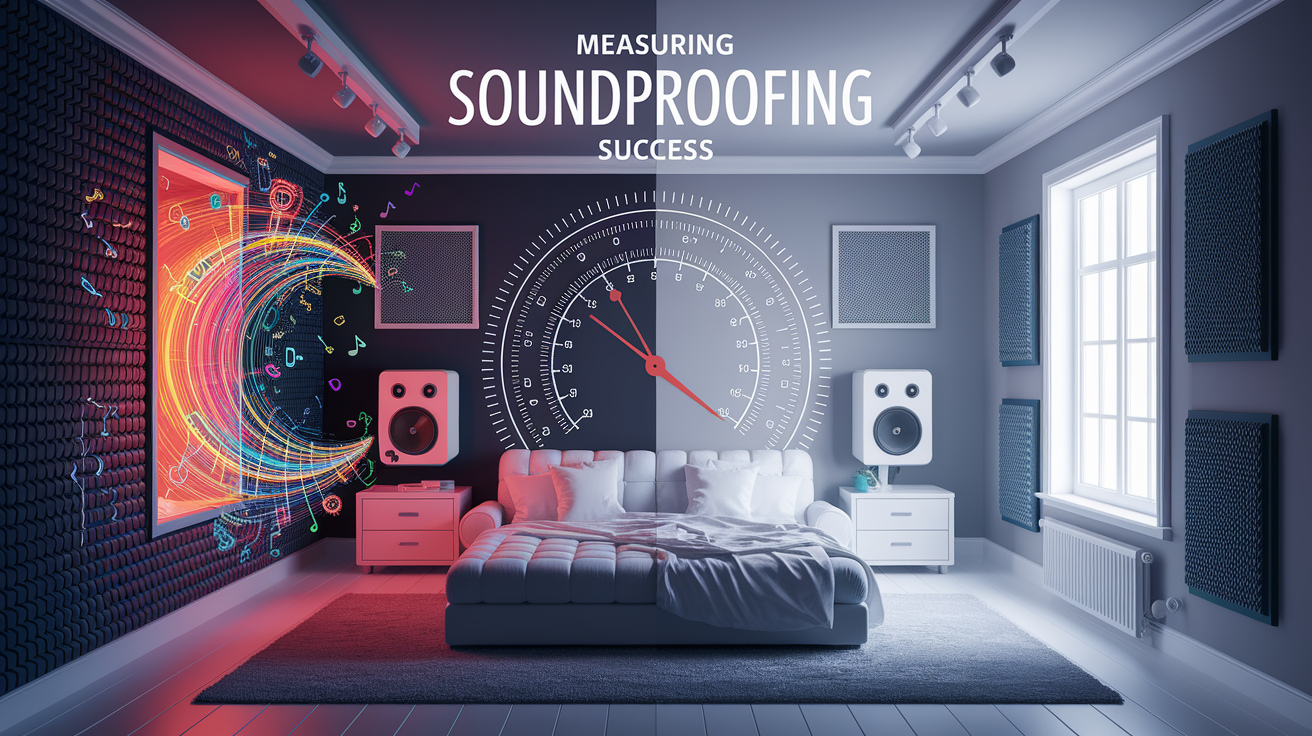
Measuring Soundproofing Success
How do you know if your soundproofing efforts are working? Measurement is key to both planning and evaluating your project.
Understanding Decibels
Sound is measured in decibels (dB), a logarithmic scale where every 10 dB increase represents a doubling of perceived loudness:
- 30 dB: Quiet whisper
- 60 dB: Normal conversation
- 70 dB: Vacuum cleaner
- 90 dB: Lawn mower
- 120+ dB: Rock concert, jet engine (can cause pain and hearing damage)
Most soundproofing goals aim to reduce noise by at least 20-30 dB, which would make a significant difference in comfort levels.
Setting Targets and Testing
To measure soundproofing effectiveness, you’ll need to:
- Measure the original noise level in decibels using a sound meter app or device
- Set a target reduction based on your needs (bringing noise down to 30-40 dB is often comfortable for most environments)
- Implement your soundproofing measures
- Re-test under similar conditions to evaluate improvement
Professional soundproofing companies often guarantee specific STC ratings, which represent how much sound a structure can block. For reference:
- STC 25-30: Normal speech can be understood
- STC 40-45: Loud speech heard but not understood
- STC 50-60: Very loud sounds might be faintly heard
- STC 60+: Excellent soundproofing; most sounds blocked completely
Conclusion: Embrace the Quiet
Effective soundproofing transforms spaces from stress-inducing noise chambers to peaceful sanctuaries. By understanding how sound travels and implementing the right combination of materials and techniques, you can dramatically reduce unwanted noise in your environment.

Remember that complete soundproofing is rarely achievable in real-world settings—the goal is significant reduction rather than total elimination. With proper planning and implementation, you can create spaces where noise is no longer a distraction but a controlled element of your environment.
Whether you’re building a home theater, creating a quiet bedroom, or just trying to peacefully coexist with noisy neighbors, the principles of blocking, decoupling, and absorbing sound provide a roadmap to a quieter, more comfortable space.