

Quick Answer: Your body maintains blood sugar levels through a sophisticated system involving two key hormones—insulin and glucagon—working in tandem with organs like the liver, pancreas, and muscles. This intricate balance ensures your cells receive the energy they need while preventing dangerous blood sugar fluctuations.
The Body’s Blood Sugar Balancing Act
Imagine your body as a highly efficient power plant that needs to maintain just the right amount of fuel—not too much, not too little. That’s essentially what happens with blood sugar regulation, a process so precise it keeps your glucose levels within a narrow range of 70-99 mg/dL despite the ups and downs of eating and fasting.
Why is this balance so critical? Your brain alone consumes about 20% of your body’s energy, mostly in the form of glucose. Too little glucose (hypoglycemia), and you might experience confusion, dizziness, or even loss of consciousness. Too much (hyperglycemia), and you could face both short and long-term complications.
The main players in this balancing act include:
- The pancreas, which produces insulin and glucagon
- The liver, which stores and releases glucose
- Various tissues (especially muscle and fat) that consume glucose
- The brain and nervous system, which monitor and respond to glucose levels
Let’s dive deeper into how this remarkable system works to keep you energized and healthy around the clock.
Insulin: The Key to Lowering Blood Sugar
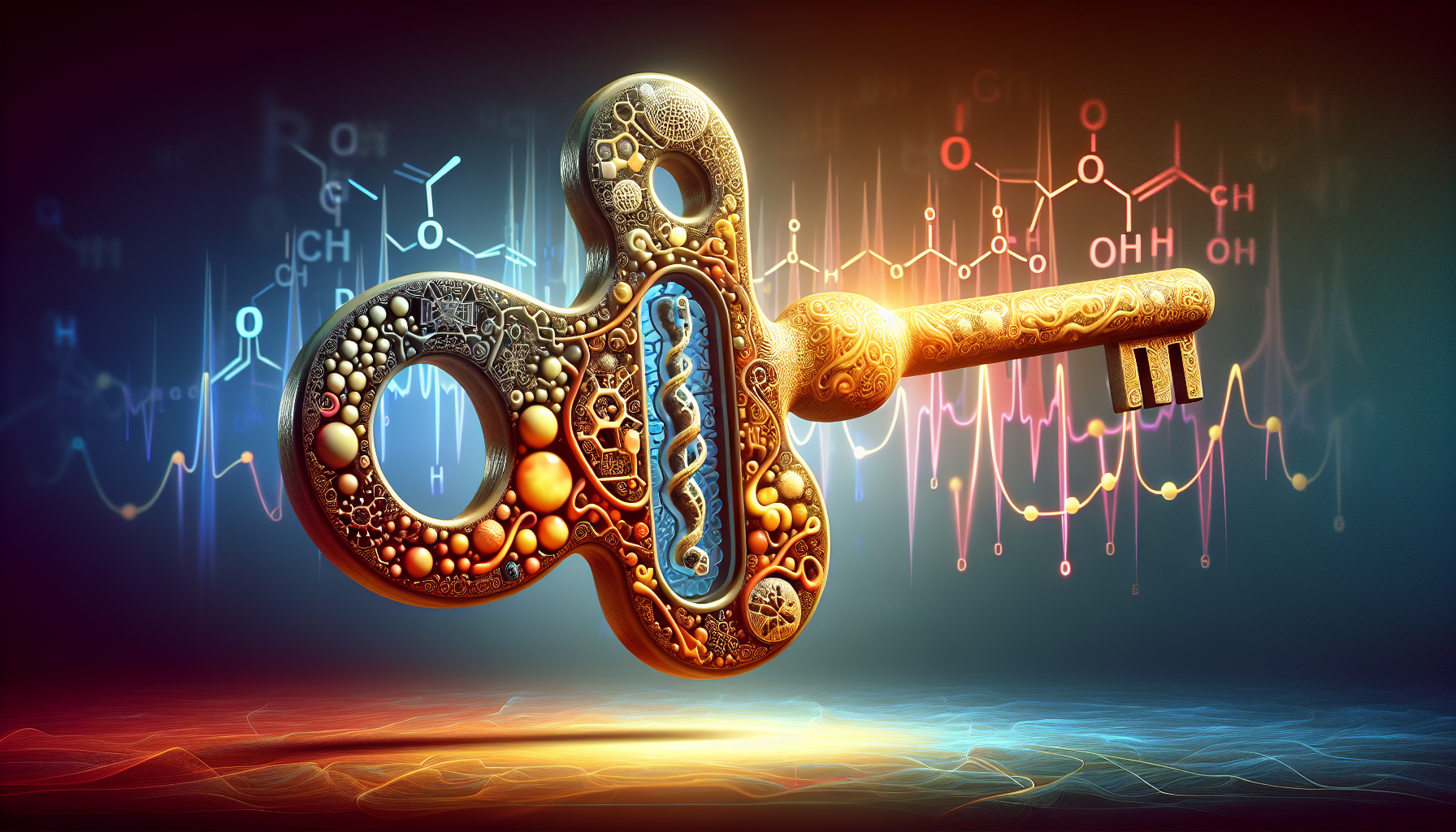
Insulin is often called the “key” that unlocks cells to let glucose in—and for good reason. This hormone, produced by beta cells in the pancreas, is your body’s primary tool for reducing blood sugar levels.
When you eat carbohydrates, they break down into glucose that enters your bloodstream. Your pancreas detects this rise and responds by releasing insulin. Here’s what happens next:
- Glucose transport: Insulin helps glucose move from the bloodstream into cells, particularly in muscle and fat tissue, where it can be used for energy.
- Storage promotion: In the liver, insulin activates enzymes that convert glucose into glycogen (a storage form of glucose), effectively removing glucose from circulation.
- Production shutdown: Insulin tells the liver to stop producing new glucose through processes called gluconeogenesis and glycogenolysis.
Think of insulin as both a delivery service and a warehouse manager. It delivers glucose to hungry cells while also ensuring excess glucose gets properly stored for later use. This intricate system helps prevent your blood sugar from climbing too high after meals.
Interestingly, insulin is continuously released at low levels (basal secretion) even when you’re not eating, with additional insulin surges after meals. This continuous monitoring and response system ensures your body maintains stable glucose levels throughout the day.
Glucagon: The Counterbalance to Insulin
If insulin is your body’s tool for lowering blood sugar, glucagon is its counterpart for raising it. Produced by alpha cells in the pancreas, glucagon springs into action when your blood glucose starts dropping too low—typically during fasting periods or between meals.
Glucagon’s primary job is to tell your body: “We need more glucose in circulation!” It accomplishes this through several mechanisms:
- Glycogenolysis: Glucagon signals the liver to break down stored glycogen into glucose molecules that can be released into the bloodstream.
- Gluconeogenesis: When glycogen stores run low, glucagon prompts the liver to create new glucose from non-carbohydrate sources like amino acids.
- Lipolysis: Glucagon also triggers fat breakdown, providing alternative fuel sources and materials for glucose production.
Think of glucagon as your body’s emergency response system. When you haven’t eaten for several hours, especially overnight, glucagon ensures your brain and other essential organs continue to receive the glucose they need to function properly.

This insulin-glucagon partnership works like a thermostat for your blood sugar—insulin turns down the heat when glucose levels rise too high, while glucagon turns up the heat when levels fall too low.
The Liver: Central to Blood Sugar Regulation
If hormones are the messengers in blood sugar regulation, the liver is the command center that carries out their orders. This remarkable organ serves as your body’s primary glucose reservoir and processing plant.
The liver performs several critical functions in blood sugar regulation:
- Glucose storage: After meals, the liver can store up to 10% of its weight as glycogen—enough to supply your body with glucose for about 24 hours of fasting.
- Glucose release: Between meals, the liver steadily releases glucose to maintain stable blood sugar levels.
- Glucose production: When needed, the liver can manufacture new glucose from protein, lactate, and glycerol.
What makes the liver so special is its ability to respond differently to insulin and glucagon. When insulin levels are high, the liver takes up glucose and stores it. When glucagon levels rise, it does the opposite—releasing stored glucose and making new glucose.
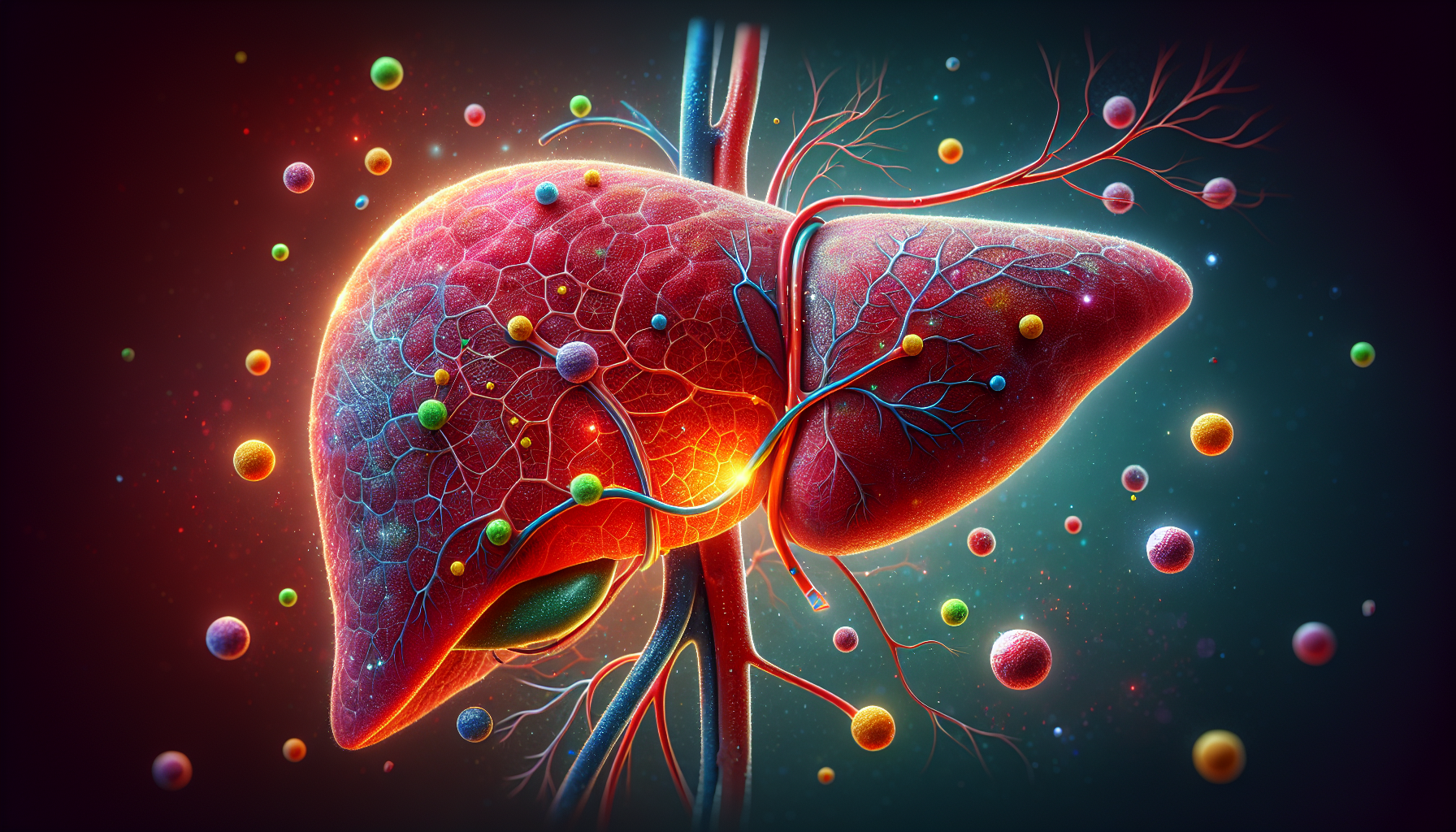
This buffering capacity of the liver explains why your blood sugar doesn’t plummet even after hours without eating. It’s constantly monitoring and adjusting glucose output based on your body’s moment-to-moment needs, acting like a meticulous bank teller managing deposits and withdrawals from your glucose account.
Supporting Players in Blood Sugar Regulation
While insulin, glucagon, and the liver form the core of your blood sugar regulation system, several other organs and hormones play important supporting roles:
The Brain: Master Overseer
Your brain—particularly the hypothalamus—contains specialized glucose-sensing neurons that monitor blood sugar levels. When these neurons detect low glucose, they trigger a cascade of responses, including:
- Activation of the sympathetic nervous system (the “fight or flight” response)
- Release of counter-regulatory hormones like adrenaline
- Generation of hunger signals that prompt you to eat
This central nervous system control provides an additional layer of protection against dangerous blood sugar drops.
Muscles and Fat: The Glucose Consumers
Skeletal muscle is the primary site of glucose disposal after meals, accounting for up to 80% of insulin-stimulated glucose uptake. Meanwhile, adipose (fat) tissue not only consumes glucose but also produces hormones called adipokines that influence insulin sensitivity throughout the body.
The Digestive System: First Responder
Your digestive tract secretes hormones called incretins (like GLP-1) when food arrives. These hormones enhance insulin release and slow gastric emptying, helping to prevent post-meal blood sugar spikes. This gut-pancreas communication system allows your body to prepare for incoming glucose even before it enters the bloodstream.
The Kidneys: Glucose Recyclers
Your kidneys filter and reabsorb glucose, preventing it from being lost in urine. They can also produce new glucose during prolonged fasting. This renal contribution to glucose regulation becomes especially important during extended periods without food.
Stress Hormones: Emergency Overrides
During times of stress or prolonged fasting, hormones like cortisol and growth hormone can raise blood glucose by:
- Promoting fat utilization (sparing glucose)
- Reducing cellular glucose uptake
- Supporting ketone production as an alternative fuel
This multi-layered system ensures that even in challenging conditions, your essential organs receive the energy they need.
Conclusion: The Harmony of Blood Sugar Regulation
Your body’s blood sugar regulation system is a symphony of hormones, organs, and feedback mechanisms working in perfect harmony. This intricate dance between insulin pushing glucose levels down and glucagon pulling them up—all orchestrated around the liver’s central buffer function—keeps your energy supply steady despite varying conditions.
When this system works properly, you have stable energy, clear thinking, and healthy organ function. When it falters, as in conditions like diabetes, the consequences can affect virtually every system in your body.
Understanding how this remarkable balancing act works gives us insight into not just how our bodies function, but also how we might better support this system through lifestyle choices like balanced meals, regular physical activity, and stress management.
The next time your stomach growls with hunger or you feel energized after a meal, remember the invisible but vitally important work your body is doing to keep your blood sugar in that perfect Goldilocks zone—not too high, not too low, but just right.