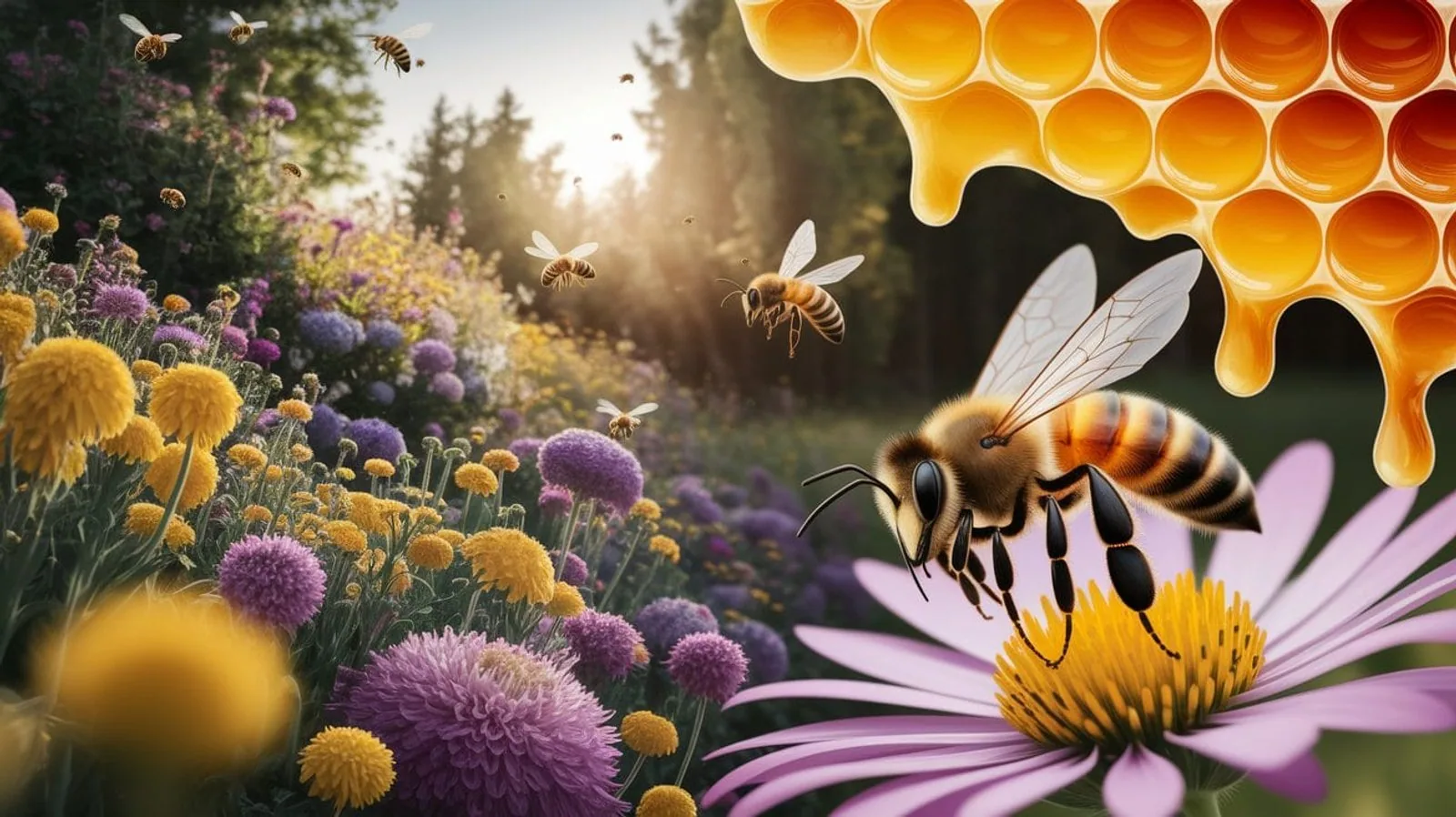
Quick Answer:Honey is made when worker bees collect flower nectar, add enzymes that break its sugars down, and evaporate most of its water by fanning it inside the hive — until the concentrated, stable syrup we know as honey is sealed in wax cells.
Buzzing Beginnings: Honey’s Origin in One Sentence
Honey begins its journey as sweet flower nectar collected by busy bees, transformed through teamwork, natural chemistry, and careful storage into the golden treat we know and love.
Nectar Collection: Harvesting Floral Goodness
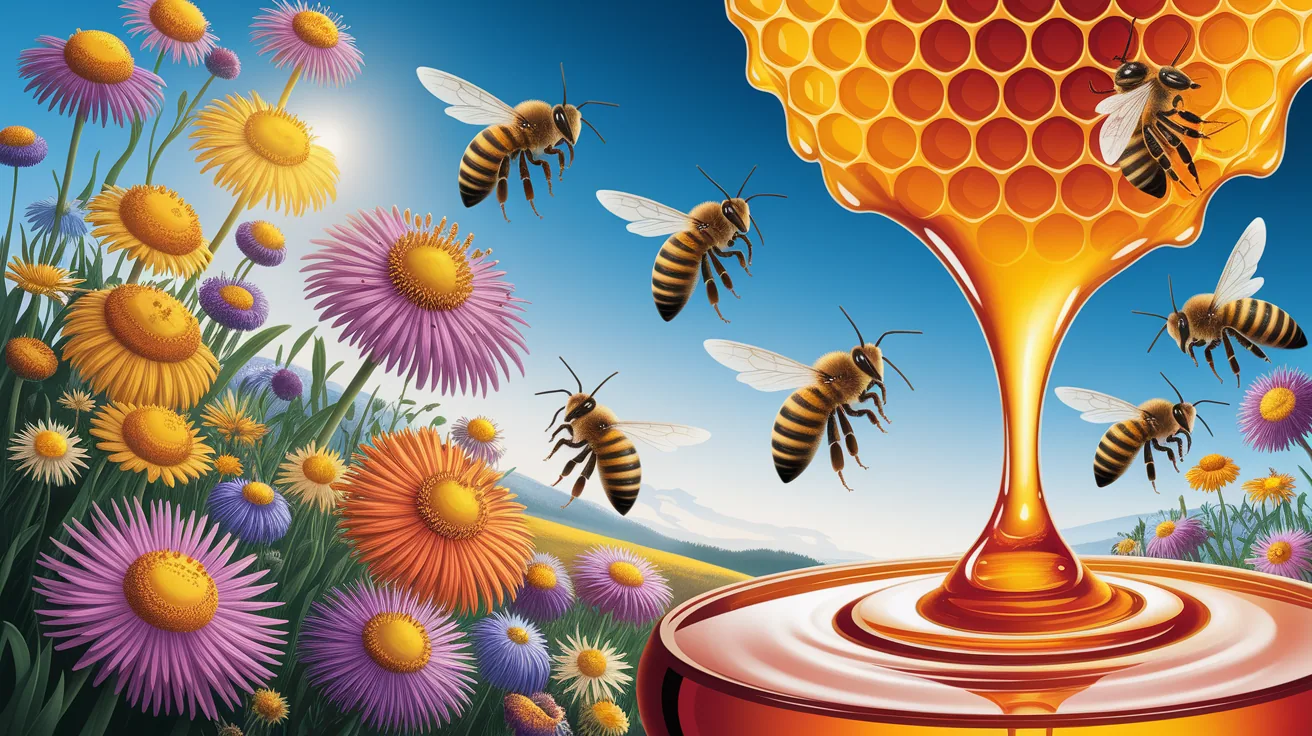
The honey production process starts whenforager beeshead out from the hive in search of blossoms. These energetic worker bees are equipped with fascinating tools and skills:
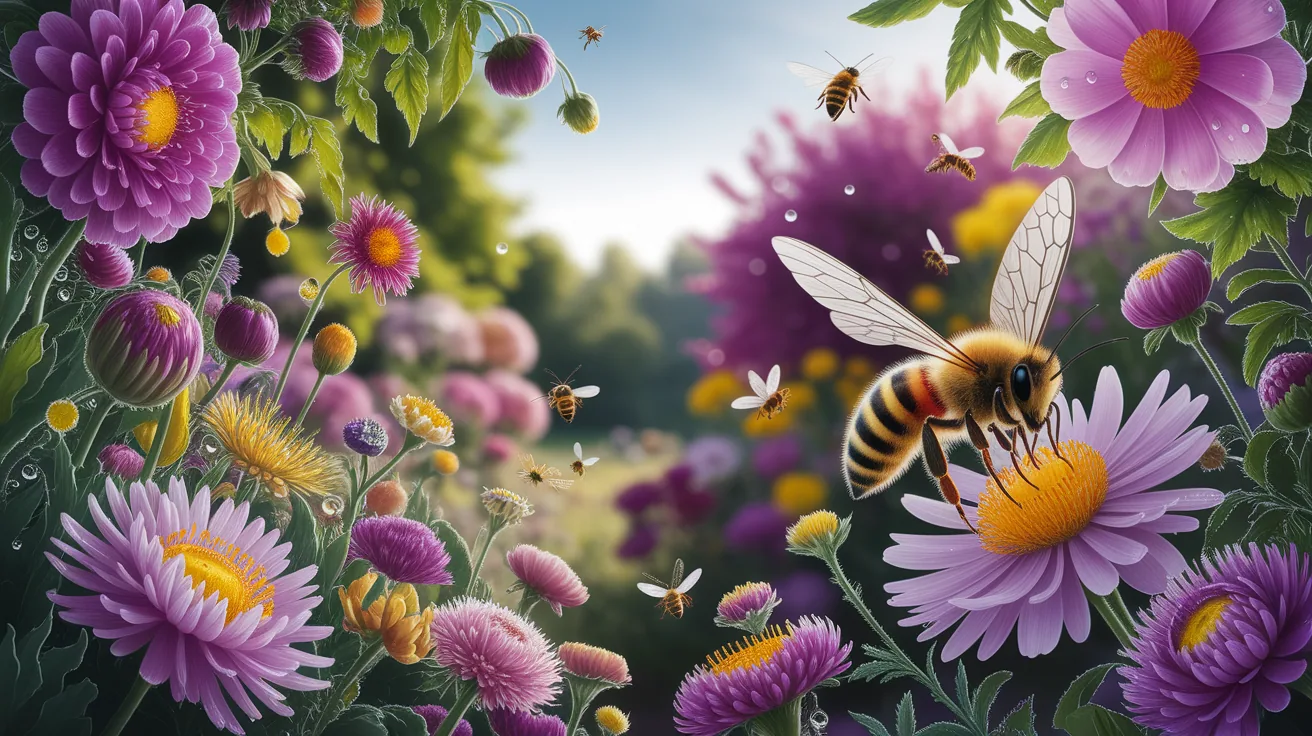
- They use their straw-like tongues, calledproboscises, to sip nectar from a flower’s nectary.
- Each forager can visit 50–100 flowers per trip, storing the nectar in a dedicated “honey stomach” instead of their digestive one.
- A largebee colonyof up to 60,000 members may collectively visit millions of flowers daily.
- Bee communicationis key — through the famous “waggle dance,” foragers tell their hive mates where to find the best blooms.
At this stage, the nectar is a watery, sugar-rich liquid — tasty, but far from the thick, shelf-stable honey we’re familiar with.
Enzymatic Transformation: Turning Nectar into Honey
Once the foragers return, they pass the nectar to youngerhouse bees. Here’s where bee biochemistry works its magic:
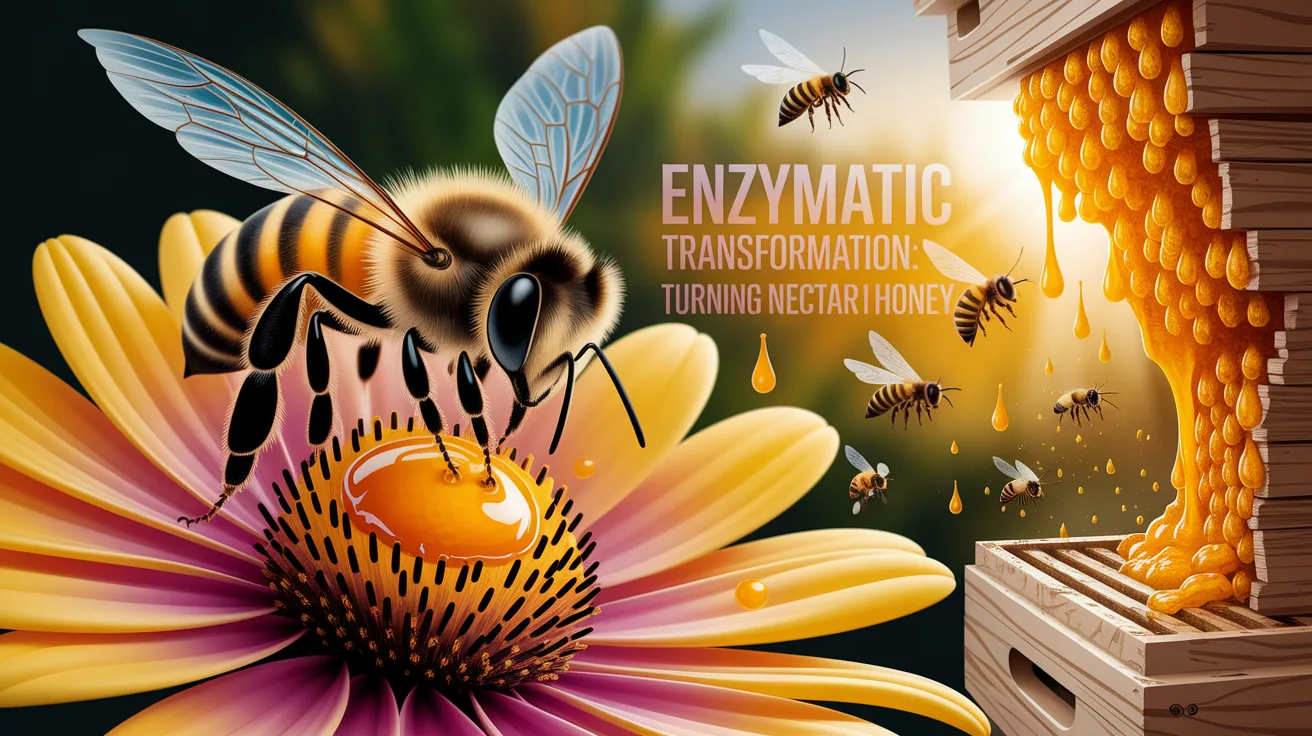
- Bees engage inmouth-to-mouth nectar exchange, adding keyenzymeslike invertase.
- Invertase breaks complex sucrose molecules into simpler sugars — glucose and fructose — which are sweeter, thicker, and less likely to crystallize.
- During this exchange, the moisture content drops from about 70% to around 20%, starting the thickening process.
This chemical transformation not only changes the flavor and texture but also helps honey resist spoiling.
Evaporation & Ripening: Perfecting the Consistency
Even after enzymatic conversion, the mixture is still too moist for long-term storage. To finish the job:
- Bees spread the nectar across the honeycomb’s surfaces to increase exposure to air.
- Byfanning their wingsvigorously, they create airflow that speeds up water evaporation.
- Moisture levels are reduced to a point where bacteria and fungi cannot grow, ensuring the honey ripens perfectly.
This fanning is like the bees’ natural food dehydrator, ensuring the honey has just the right viscosity and shelf life.
Storage & Sealing: Securing Nature’s Sweet Reserve
Once the honey reaches peak thickness, it needs secure storage:
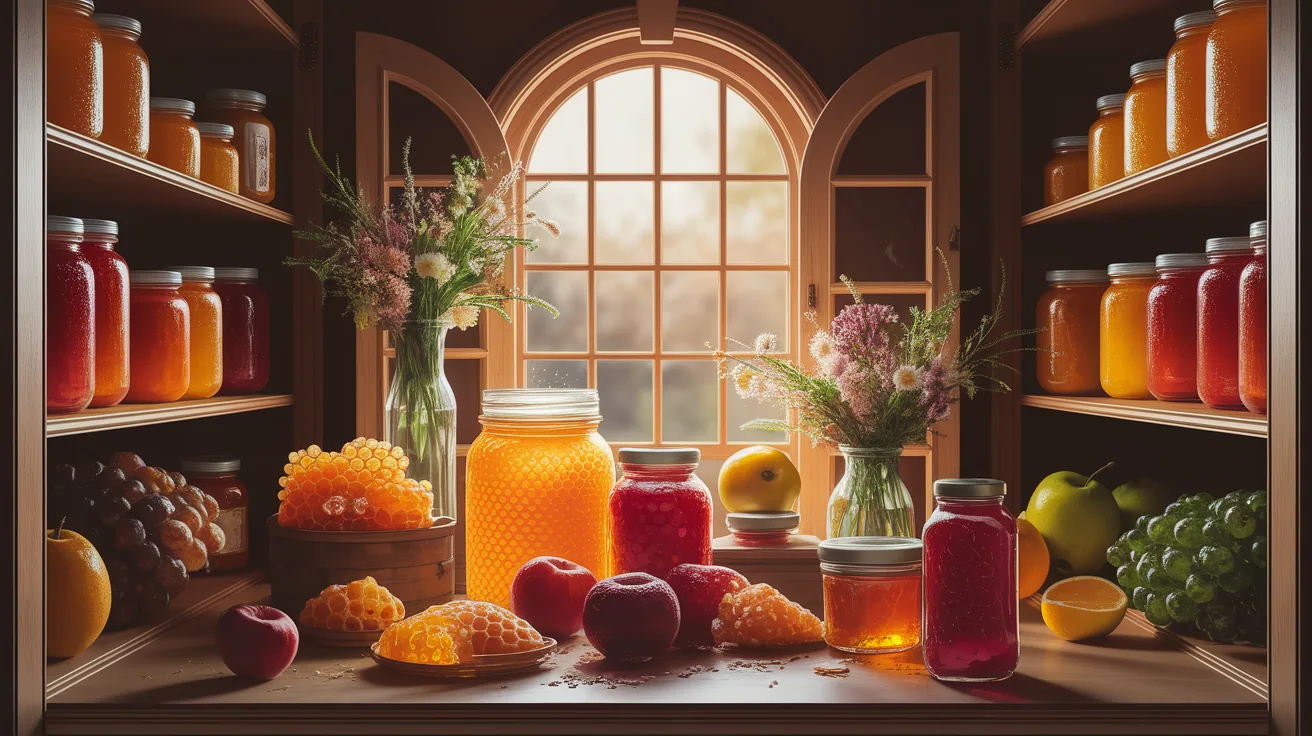
- Ripened honey is poured intohexagonal beeswax cells— the classic honeycomb pattern that saves space and materials.
- To lock in freshness, the cells are sealed with a wax cap produced by the bees’ own wax glands.
- This sealed storage keeps honey safe from moisture, pests, and decay for months or even years.
For the colony, this is like filling the pantry with perfectly preserved food for the seasons ahead.
A Sticky Legacy: The Purpose Behind Honey Making
Bees aren’t making honey for us — they make it for their survival. According tobee experts, honey serves vital purposes:
- It’s an energy-rich food source during winter or when flowers are scarce.
- Its natural enzymes and low moisture act as preservatives against microbial growth.
- It also serves as a water source for bees, since they cannot use diluted rainwater directly.
In essence, honey is both the bees’ grocery store and their emergency food bank — a perfect example of nature’s foresight.
Sources & further reading
That’s the mechanism. The wonder is still allowed.