
Quick Answer: Antibacterial soap works by combining traditional soap’s mechanical cleansing action with added chemical agents that kill or inhibit bacteria. These specialized ingredients like triclosan or benzalkonium chloride target bacterial cell structures while the soap base helps lift away dirt, oils, and microbes from your skin.
Introduction: The Power of Clean
We’ve all heard it countless times – washing your hands is one of the simplest yet most effective ways to prevent illness. But when you stand in the soap aisle, the choice between regular and antibacterial varieties can be puzzling. What makes antibacterial soap special, and does that “antibacterial” label really translate to cleaner hands?

Hand hygiene has become increasingly important in our daily lives, with antibacterial soap products promising enhanced protection against harmful microorganisms. But beyond the marketing claims, there’s fascinating science behind how these specialized cleansers work to fight germs on our skin.
The Mechanics of Antibacterial Soap
To understand how antibacterial soap works, we first need to appreciate the clever chemistry behind all soaps. At their most basic level, soaps contain surfactants – compounds with a unique dual nature that allows them to connect with both water and oils.
When you lather up your hands, here’s what happens:

- The soap’s surfactants form structures called micelles that trap dirt, oils, and microbes
- The mechanical action of rubbing your hands together helps dislodge contaminants
- Rinsing with water washes away the soap along with the trapped unwanted materials
What makes antibacterial soap different is the addition of specific agents designed to kill bacteria rather than just removing them. These germ-killing ingredients typically include:
- Triclosan – Targets bacterial enzyme enoyl-acyl carrier protein reductase, disrupting bacteria’s ability to build cell membranes
- Triclocarban – Interferes with bacterial cell membrane function
- Benzalkonium chloride – Disrupts bacterial cell membranes and denatures proteins
- Chloroxylenol – Inactivates bacterial enzymes and alters cell wall permeability
For maximum antimicrobial effectiveness, most experts recommend washing with antibacterial soap for at least 20 seconds. This contact time allows the active ingredients to work on bacterial cell walls or interfere with essential metabolic processes, effectively neutralizing many types of pathogens before they’re rinsed away.
Comparing Antibacterial and Regular Soap
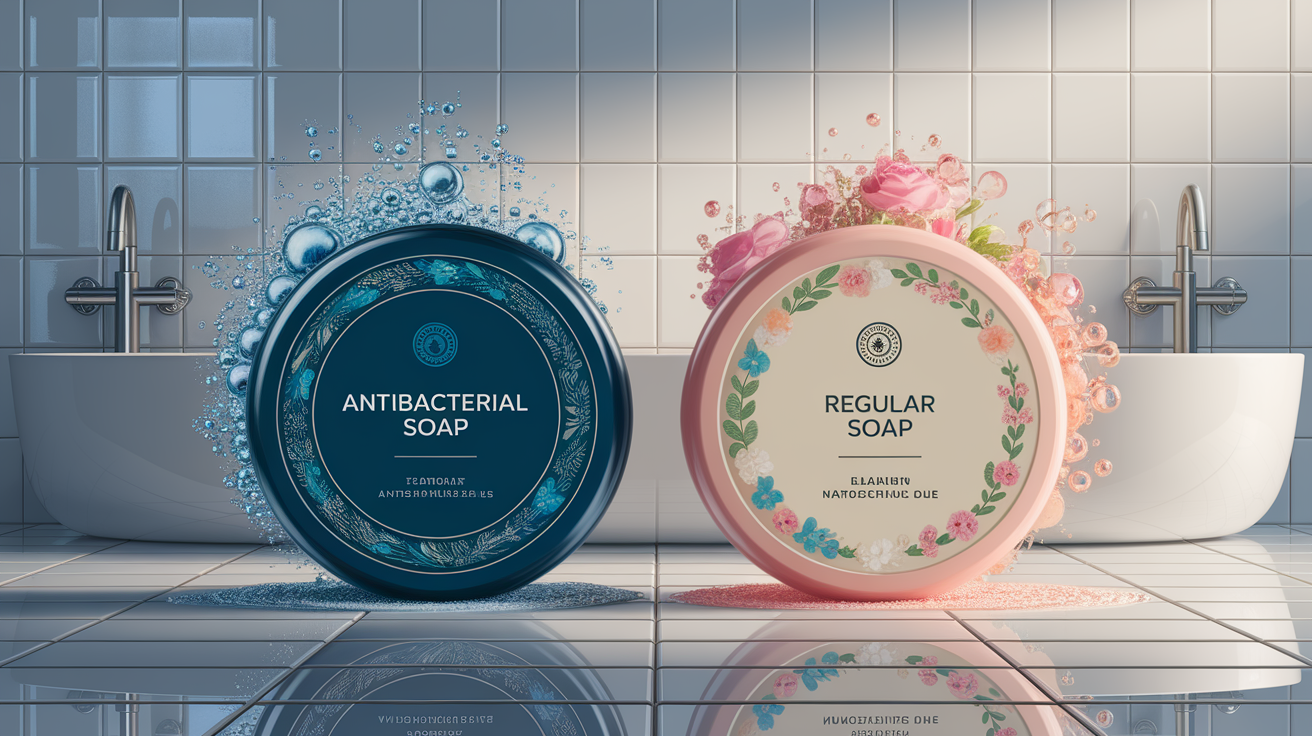
At first glance, the difference seems obvious – antibacterial soap kills bacteria, while regular soap just removes them. But is that additional germ-killing power actually necessary or beneficial for everyday hand washing?
Here’s how they compare:
Similarities
- Both contain surfactants that break down and lift away dirt, oils, and microbes
- Both rely on mechanical hand washing technique and friction
- Both are effective at removing many types of contaminants
Differences
- Antibacterial soap contains additional chemical compounds specifically targeting bacteria
- Regular soap focuses on physical removal rather than chemical disinfection
- Antibacterial varieties often have a different smell and sometimes feel
Interestingly, the FDA has stated there isn’t sufficient evidence to prove that over-the-counter antibacterial soaps are better than plain soap and water for preventing illness in everyday settings. Their research suggests that the mechanical action of handwashing with any soap may be more important than the specific antimicrobial properties of specialized products.
This doesn’t mean antibacterial soap doesn’t work – it definitely kills bacteria in laboratory settings. The question is whether that additional germ-killing power translates to meaningful health benefits in real-world use compared to thorough washing with regular soap.
Health and Environmental Concerns
While antibacterial soap can be effective against certain germs, its widespread use has raised several important concerns worth considering:

Potential Health Issues
- Antibiotic Resistance: Some studies suggest that certain antibacterial compounds may contribute to bacterial resistance over time, potentially making harmful bacteria harder to treat with standard antibiotics.
- Microbiome Disruption: Research indicates that long-term use of antibacterial products might alter your skin’s natural microbial community, potentially reducing beneficial bacteria that help protect your skin.
- Hormonal Concerns: Some antibacterial compounds like triclosan have raised questions about potential hormonal effects in laboratory studies.
Environmental Impact
- Antibacterial compounds can persist in the environment after being washed down drains
- These chemicals may impact aquatic ecosystems and accumulate in the food chain
- Wastewater treatment plants cannot always effectively remove these chemicals
Due to these concerns, regulatory agencies have taken action. The FDA banned certain antibacterial ingredients, including triclosan and triclocarban, from consumer hand soaps in 2016, noting that manufacturers had not demonstrated these ingredients were safe for long-term daily use or more effective than plain soap and water for preventing illness.
Conclusion: Choosing the Right Soap
So what’s the verdict on antibacterial soap? The science suggests that for most everyday handwashing situations, regular soap used with proper technique is perfectly adequate. The mechanical action of thorough handwashing with any soap type remains one of the most effective ways to remove germs from your hands.
When might antibacterial soap be beneficial?

- In healthcare settings where pathogen control is critical
- For individuals with certain medical conditions requiring stricter hygiene
- After handling raw meat or in food preparation areas
For most of us in daily life, focusing on washing technique matters more than soap type. Remember to:
- Wet hands with clean water
- Apply enough soap to create a good lather
- Scrub all surfaces for at least 20 seconds
- Rinse thoroughly and dry with a clean towel
Whether you choose regular or antibacterial varieties, understanding the science behind soap helps you make informed decisions about your hand hygiene routine—keeping you and those around you healthier in the process.