

Quick Answer: Chocolate contains unique bioactive compounds that stimulate the brain’s reward centers, creating sensations of pleasure similar to falling in love. Combined with the perfect blend of sugar and fat, these compounds trigger dopamine release, forming powerful reward associations in our brains that keep us reaching for “just one more piece.”
The Science Behind Chocolate Cravings
Chocolate isn’t just a sweet treat – it’s a complex food that interacts with our bodies and brains in fascinating ways. That single square of chocolate often leads to devouring the entire bar because of chocolate’s unique chemical composition.
Chocolate contains several bioactive compounds that affect our brain chemistry:
- Phenylethylamine: A compound that triggers dopamine release, our “feel-good” neurotransmitter
- Theobromine: A mild stimulant related to caffeine that provides a subtle energy boost
- Caffeine: Provides alertness and increases concentration
- Anandamide: Often called the “bliss molecule,” this compound activates pleasure receptors in the brain
These substances work together to create a powerful effect on our brain’s reward pathways. When we eat chocolate, these compounds stimulate the brain’s reward centers, mimicking the pleasurable sensations we experience when falling in love.
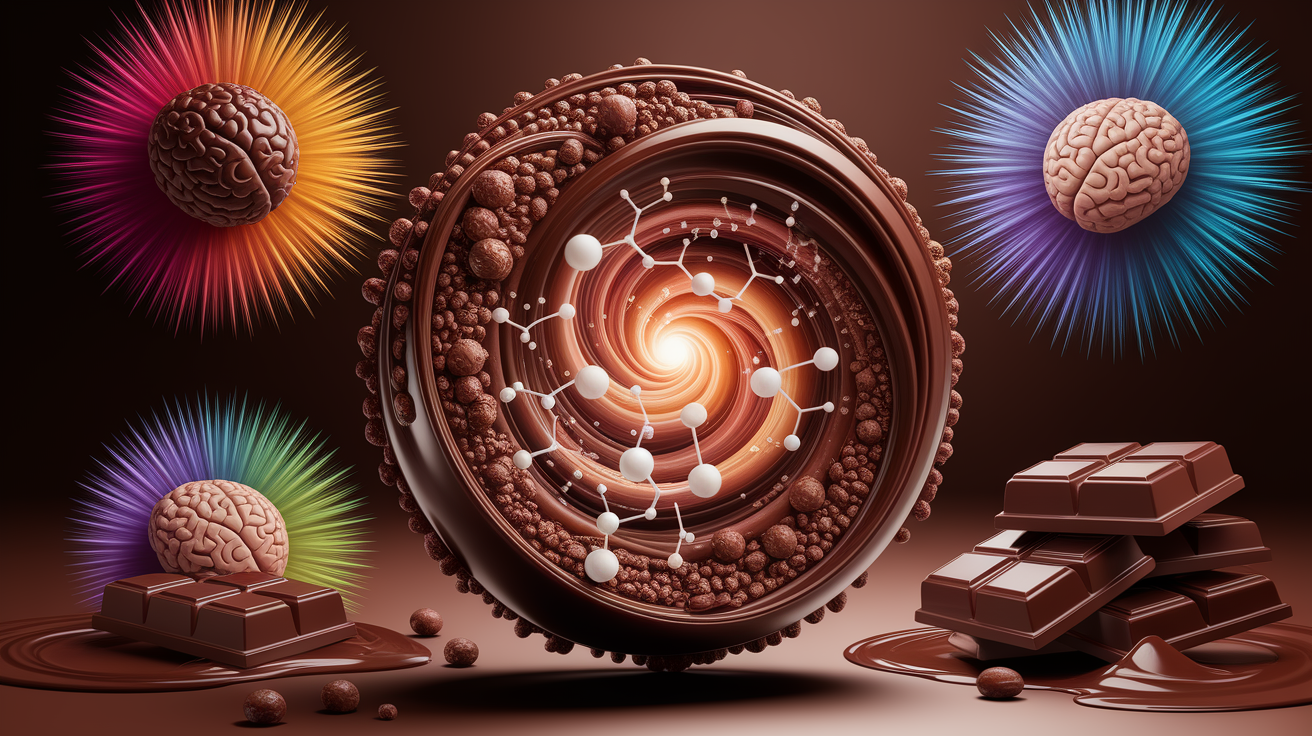
Additionally, the combination of fat and sugar in chocolate creates a synergistic effect on our endogenous reward systems, making chocolate particularly alluring and potentially habit-forming. This “perfect storm” of sensory pleasure and brain chemistry activation explains why chocolate is among the most commonly craved foods worldwide.
The Brain’s Response to Chocolate
When you bite into a piece of chocolate, your brain lights up like a fireworks display. Neuroimaging studies have revealed that chocolate consumption activates several key areas of the brain, including:
- The limbic system (associated with emotions and memory)
- The midbrain (part of the reward pathway)
- The insula (involved in processing taste and other sensory experiences)
According to brain imaging research, chocolate activates the limbic system during craving phases, while prefrontal regions engage when satiety overrides desire. This pattern shows striking similarities to what happens in the brain during certain addictive behaviors.
When we eat chocolate, our brain releases dopamine, creating a feedback loop: eat chocolate → feel good → want more chocolate. Over time, our brain learns to associate chocolate with pleasure, strengthening the craving response.
Research has shown that chocolate’s psychopharmacologic effects can evoke addiction-like behaviors in some individuals. While not a true addiction in the clinical sense, the brain’s response to chocolate shares similarities with how it responds to other highly rewarding substances, making chocolate particularly difficult to resist.
Nutritional and Hormonal Influences
Beyond the pleasure-inducing compounds in chocolate, certain nutritional and hormonal factors can intensify our chocolate cravings:
Magnesium Connection
Chocolate cravings may sometimes signal a magnesium deficiency. Cacao is naturally rich in this essential mineral, which plays a role in over 300 biochemical reactions in the body. Interestingly, while other foods like nuts and leafy greens contain similar or higher amounts of magnesium, they aren’t craved with the same intensity as chocolate, suggesting there’s more to the story than simple nutrient needs.
Hormonal Imbalances
Hormones play a significant role in our food cravings, particularly for chocolate:
- Leptin: Low levels of this “fullness hormone” can trigger intense food cravings
- Serotonin: Chocolate can boost this mood-regulating neurotransmitter
- Menstrual cycle fluctuations: Many women report increased chocolate cravings during certain phases of their menstrual cycles
According to research on hormonal influences, these hormonal changes can significantly impact chocolate cravings, explaining why women often experience more intense chocolate desires than men, particularly during menstruation.
Blood Sugar Effects
Hunger naturally drives cravings for quick-absorbing sugars found in chocolate. When blood sugar levels drop, the body signals for calorie-dense foods that can quickly restore energy. Chocolate’s high sugar content delivers this rapid energy infusion, but the subsequent drop in blood sugar can trigger renewed cravings, creating a cycle of hedonic hunger that’s difficult to break.
Emotional and Sensory Triggers
Chocolate isn’t just a physical craving – it’s deeply connected to our emotional lives and sensory experiences.
Emotional Eating
Many people turn to chocolate during times of stress, anxiety, or depression. This “emotional eating” response occurs because chocolate temporarily relieves negative emotions through its effects on neurotransmitters:
- Increases serotonin (the “happiness hormone”)
- Stimulates endorphin release (natural pain and stress relievers)
- Provides comfort through familiar sensory experiences
In fact, studies have shown that stress and negative emotions are among the most common triggers for chocolate cravings, as people seek the temporary mood relief that chocolate provides.

Sensory Appeal
Chocolate’s multi-sensory experience triggers powerful cravings:
- Aroma: The distinctive smell activates anticipatory pleasure responses
- Texture: The unique mouthfeel (especially how it melts at body temperature)
- Flavor complexity: The balance of sweetness, bitterness, and other flavor notes
Food marketers understand these sensory triggers and often exploit them through advertisements showing chocolate’s appealing visual qualities and texture, further intensifying our cravings through repeated exposure.
Genetic Factors
Some individuals may be genetically predisposed to stronger chocolate cravings. Variations in genes that influence dopamine receptors can make some people more susceptible to the rewarding effects of chocolate, explaining why chocolate cravings can vary significantly from person to person, even under similar environmental conditions.
The Health Benefits of Dark Chocolate
While excessive chocolate consumption can contribute to weight gain and other health issues, dark chocolate with high cocoa content (70% or higher) does offer some legitimate health benefits:
Brain Health
The flavonols in dark chocolate promote several aspects of brain health:
- Stimulate growth of brain cells, particularly in areas involved in learning and memory
- Improve blood flow to the brain, potentially reducing stroke risk
- May help protect against cognitive decline in high-risk groups
According to brain health research, the flavonoids in dark chocolate may help protect neurons, improve brain function, and support cognitive health.

Mood Benefits
Small amounts of dark chocolate might help alleviate anxiety in the short term through its effects on brain chemistry. However, the relationship between chocolate and mood is complex – while moderate consumption may improve mood, excessive consumption can lead to negative feelings, including guilt.
Nutritional Value
Dark chocolate contains:
- Antioxidants that fight free radical damage
- Minerals like iron, magnesium, copper, and zinc
- Small amounts of fiber
The key is moderation – enjoying small amounts of high-quality dark chocolate rather than large quantities of milk chocolate or white chocolate, which contain more sugar and fewer beneficial compounds.
Conclusion: The Sweet Temptation
Chocolate cravings result from a perfect storm of chemical, nutritional, emotional, and sensory factors. The unique combination of bioactive compounds in chocolate, along with its perfect balance of sugar and fat, creates a powerful effect on our brain’s reward systems, making it particularly difficult to resist.
Understanding these mechanisms can help us develop healthier relationships with chocolate. Rather than fighting against these natural responses, consider these approaches:
- Choose high-quality dark chocolate with at least 70% cocoa content
- Practice mindful eating – savor small amounts slowly and deliberately
- Address underlying nutritional deficiencies or emotional needs that might be driving cravings
- Be aware of environmental triggers that may intensify cravings
By appreciating the fascinating science behind chocolate cravings, we can enjoy this delicious treat in moderation while maintaining a balanced approach to nutrition and well-being.