

Quick Answer: Sunlight triggers the production of serotonin (the “happiness hormone”) in your brain, regulates your body’s natural sleep-wake cycle, and stimulates vitamin D production—all of which contribute to improved mood and feelings of well-being. This natural mood-boosting effect explains why sunny days often make us feel happier and more energetic.
The Sunshine Serotonin Boost
Have you ever noticed how your mood lifts on a bright, sunny day? There’s solid science behind this phenomenon. When sunlight enters your eyes, it triggers special pathways in your brain that boost the production of serotonin—often called the “happiness hormone.”
Serotonin is a neurotransmitter that plays a crucial role in:
- Regulating your mood and emotional stability
- Promoting feelings of well-being and happiness
- Helping maintain healthy sleep patterns
- Supporting proper digestion and appetite control
According to the Mayo Clinic, reduced sunlight can lead to a drop in serotonin levels, which may trigger feelings of sadness or even depression. This explains why some people experience lower moods during winter months when daylight hours are shorter—there’s simply less opportunity for that sunshine-induced serotonin boost!
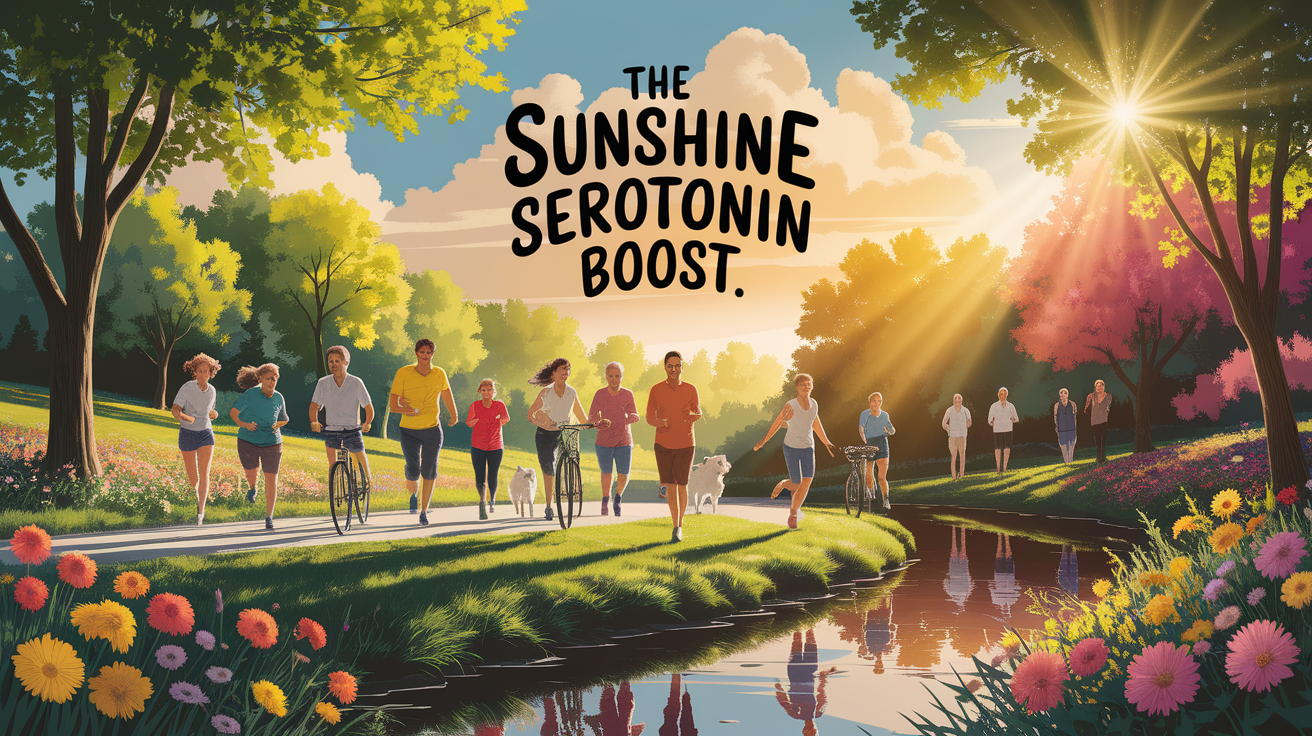
This powerful neurochemical change affects not just your emotional state but also your energy levels and overall sense of well-being. It’s one of the primary reasons why sunlight reliably boosts positive emotions and can leave you feeling more optimistic and content.
Circadian Rhythms and Daylight
Your body operates on a natural 24-hour cycle called a circadian rhythm—essentially your internal biological clock. Sunlight plays a vital role in keeping this clock properly synchronized with the outside world.
When morning light enters your eyes, specialized cells called intrinsically photosensitive retinal ganglion cells (ipRGCs) send signals directly to your brain’s master clock. This process:
- Helps regulate the production of melatonin (your sleep hormone)
- Signals your body to become more alert and awake
- Stabilizes your sleep-wake cycle
- Improves your daytime energy levels
Regular exposure to morning sunlight has been shown to improve sleep quality significantly. According to researchers at the University of Arizona’s Department of Psychiatry, getting a higher dose of morning light can “change your life” by resetting your biological rhythms and improving both sleep and mood.
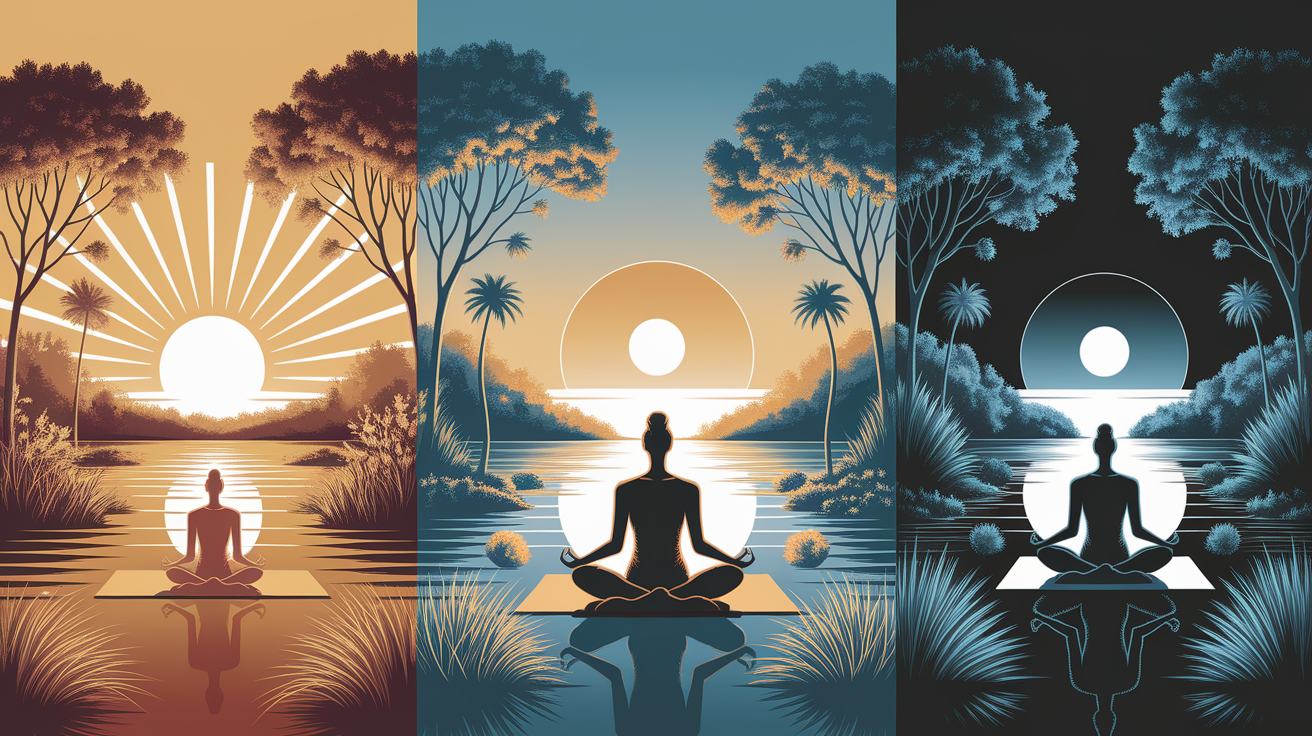
When these rhythms get disrupted—as often happens during winter months or for people who work night shifts—mood disturbances can follow. This disruption helps explain conditions like Seasonal Affective Disorder (SAD), where people experience depression symptoms during seasons with less sunlight. As Psychology Today notes, the influence of sunlight on these sleep-wake patterns has profound effects on our behaviors and emotional states.
Sunlight as a Natural Antidepressant
The mood-boosting effects of sunlight are so powerful that researchers consider sunshine a natural antidepressant. Multiple studies have demonstrated a clear link between increased sunlight exposure and reduced depression risk.
Research from the National Institutes of Health has shown that:
- People with higher sunlight exposure report fewer depressive symptoms
- Hospital patients with mental health conditions have shorter stays when they have access to sunlight
- Regions with more sunshine hours report lower rates of emotional distress
- Each additional hour spent outdoors in natural light correlates with reduced depression risk
A fascinating study from Brigham Young University found that the amount of time between sunrise and sunset was the weather factor most strongly linked to mental health. This relationship held true regardless of other factors like temperature, cloud cover, or rain—suggesting that sunlight itself has a direct impact on our psychological well-being.

These findings are supported by large-scale research demonstrating an inverse association between sunlight exposure and depression risk. The evidence is compelling: sunshine truly does make us happier at a fundamental, biological level.
Light Therapy: Mimicking the Sun
One of the strongest pieces of evidence for sunlight’s mood-boosting effects comes from the success of light therapy treatments. When natural sunlight is limited, specially designed light boxes can simulate some of its beneficial effects.
Light therapy works by:
- Exposing patients to bright, artificial light that mimics natural sunlight
- Stimulating the same neural pathways activated by actual sunshine
- Boosting serotonin production in mood-regulating brain areas
- Helping to reset disrupted circadian rhythms
According to BrainFacts.org, light therapy has proven effective for treating not just Seasonal Affective Disorder but also non-seasonal depression, bipolar depression, and sleep disorders. The Mayo Clinic recommends light therapy lamps for people who struggle with mood changes during seasons with limited sunlight.
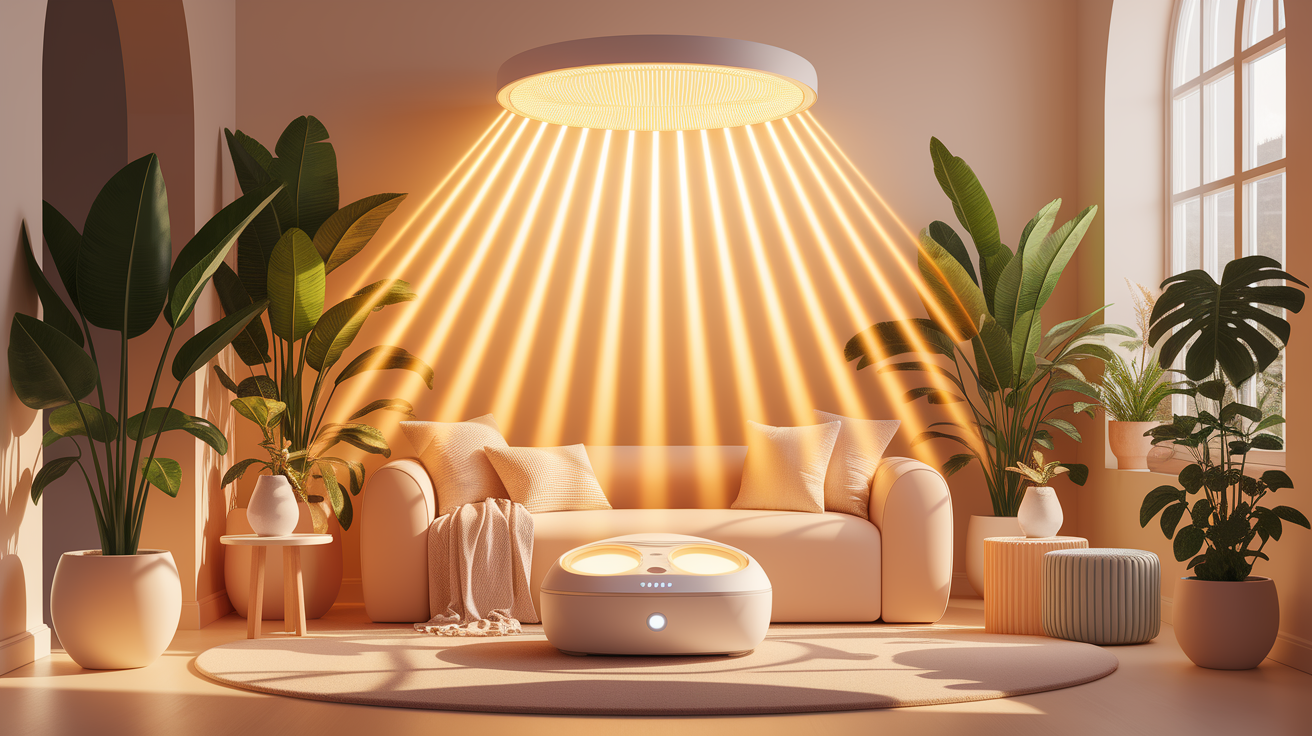
The effectiveness of artificial light in mimicking sunlight’s mood benefits provides compelling evidence for the causal relationship between sunlight exposure and happiness. If a simulated version can help, imagine what the real thing can do!
Empirical Evidence of Sunlight’s Impact
The connection between sunshine and happiness isn’t just anecdotal—it’s backed by substantial scientific research. Multiple large-scale studies have documented sunlight’s positive effects on mental health and well-being.
Some of the most compelling evidence includes:
- A UK study of over 500,000 adults found that spending more time outdoors in natural daylight was associated with improved mood and happiness, as reported by UCLA Health
- Research published in the Journal of Affective Disorders showed that sunshine duration was more important for mental health than any other weather variable
- Clinical studies documented in NIH research show that increased sunlight exposure correlates with decreased antidepressant use in large populations
- A study from Nature confirmed that natural daylight has independent mood-boosting effects separate from other factors like physical activity
The BYU study mentioned earlier is particularly noteworthy because it examined the weather’s effects on mental health in clinical populations. The researchers found that sunlight duration was the dominant factor influencing emotional distress, outweighing the effects of temperature, pollution, or other environmental factors.
While some studies note inconsistencies requiring further research, the overall body of evidence strongly supports what many of us intuitively feel: sunshine makes us happier.
Conclusion: Embrace the Sun for a Happier You
The science is clear—sunlight isn’t just pleasant; it’s a powerful natural mood enhancer. Through boosting serotonin levels, regulating your circadian rhythms, stimulating vitamin D production, and activating happiness pathways in your brain, sunshine truly does make you happier.
To harness these sunshine benefits:
- Try to get at least 15-30 minutes of morning sunlight daily
- Take breaks outdoors during daylight hours
- Position your workspace near windows when possible
- Consider light therapy during darker seasons if you notice mood changes
Remember that while sunshine offers wonderful mental health benefits, it’s important to practice sun safety with appropriate protection for your skin. But don’t let that stop you from embracing the mood-boosting power of those golden rays—your brain will thank you!