


Quick Answer: Yawning is an involuntary reflex that likely serves multiple functions: it helps transition the brain from a resting state to alertness, regulates brain temperature through cooling mechanisms, and potentially facilitates social bonding through its contagious nature. Despite being a universal behavior observed across many species, scientists are still uncovering the complex neurological mechanisms behind this seemingly simple action.
Introduction: The Universal Yawn
We all do it – that wide-mouthed, deep-breathing stretch that takes over without warning. Yawning is one of the most universal behaviors in the animal kingdom, appearing not only across many vertebrate species but even in human fetuses before birth. Yet despite its ubiquity in our daily lives, the humble yawn has long puzzled scientists.

For years, the popular explanation was that yawning increases oxygen intake when levels are low. However, research has largely discounted this theory, as changes in blood oxygen or carbon dioxide don’t reliably affect how frequently we yawn. Instead, contemporary science points to several more fascinating explanations for this mysterious behavior.
Arousal and Brain Activation
One leading theory suggests that yawning helps transition our brains from a resting state to greater alertness – essentially hitting the “reset button” on our level of wakefulness.
When we yawn, several things happen simultaneously:
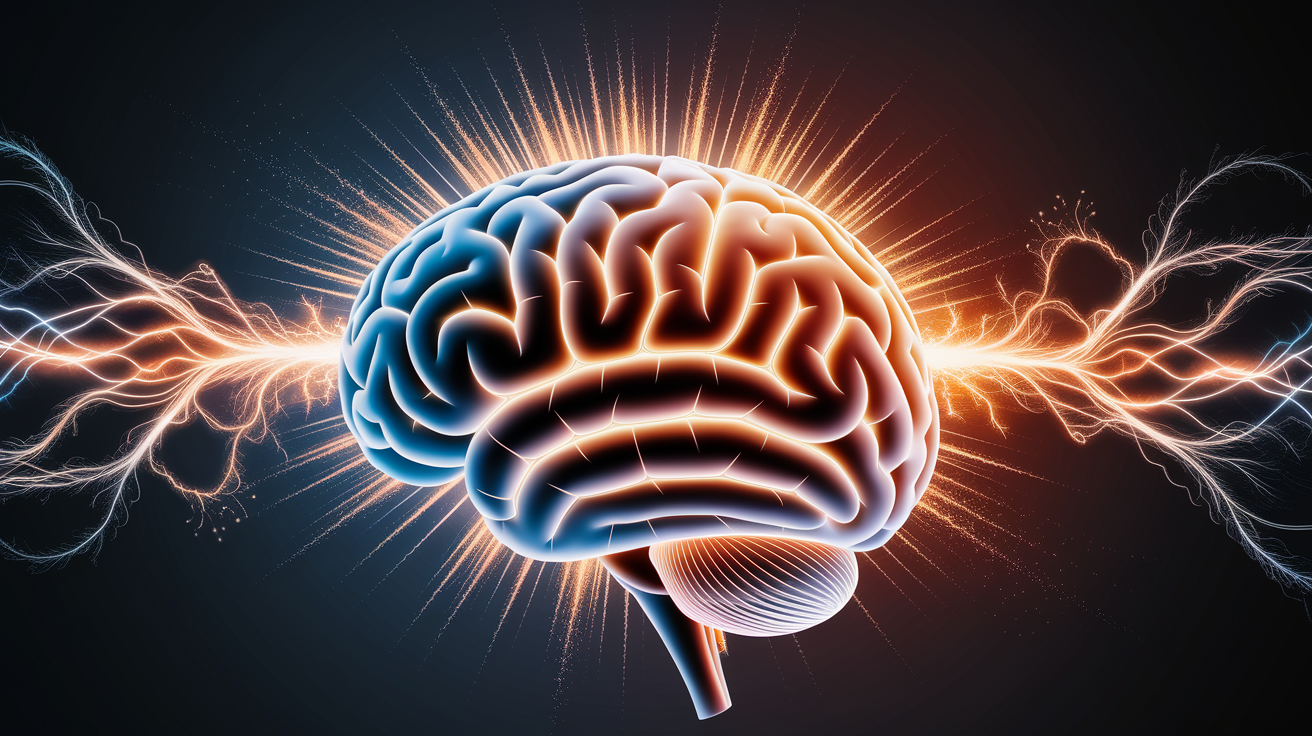
- Facial and neck muscles stretch and activate
- Our breathing pattern changes dramatically
- Blood flow shifts throughout the body and brain
- Autonomic nervous system signals adjust
This coordinated sequence may help shake off drowsiness by essentially “rebooting” certain brain circuits. That’s why we often yawn when:
- Transitioning between sleep and wakefulness
- During periods of boredom when attention is waning
- Before important events requiring mental focus
The yawn reflex seems to be the body’s way of saying, “Wake up! I need you alert now!” – making it a natural response to drowsiness or the need for increased mental alertness.
Brain Temperature Regulation
Perhaps the most well-supported scientific explanation for yawning involves brain temperature regulation. According to this theory, yawning helps cool our brains when they’re running too hot.
The evidence for this cooling effect is compelling:
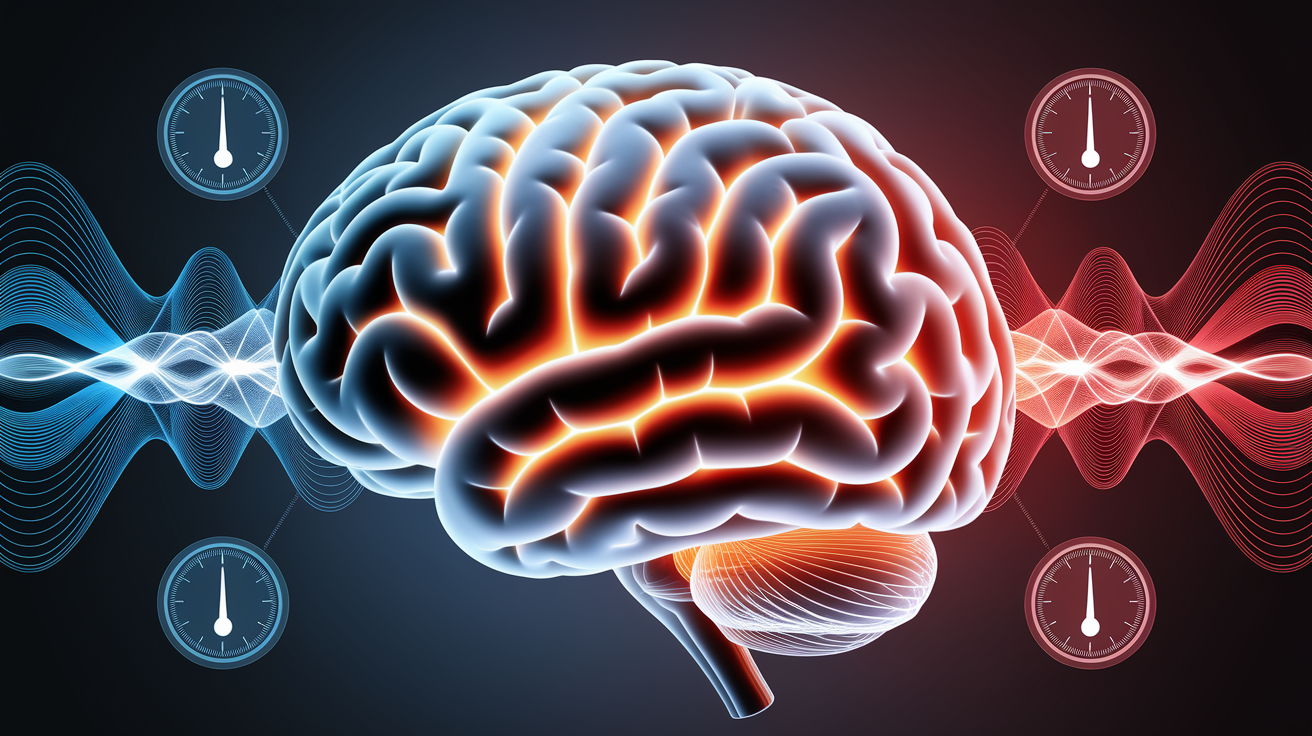
- Research shows a transient rise in brain temperature just before yawning, followed by a drop afterward
- People yawn more frequently in comfortable ambient temperatures (not too hot, not too cold)
- Yawning patterns show seasonal variations in some studies
How does yawning cool the brain? The mechanism appears to work through two primary channels:
- Air exchange: The deep inhalation brings cooler ambient air into contact with blood vessels in the nasal and oral cavities
- Blood flow alteration: The muscular action of yawning increases blood flow to the skull, potentially helping dissipate heat from the brain
This thermoregulation function makes perfect sense when we consider that the brain is extremely sensitive to temperature changes. Even slight overheating can affect cognitive function, so a built-in cooling mechanism would be highly advantageous for optimal brain performance.
Social and Communicative Functions
Have you ever noticed how seeing someone yawn often triggers an irresistible urge to yawn yourself? This phenomenon, known as contagious yawning, points to yawning’s fascinating social dimension.
Contagious yawning:
- Emerges in childhood around age 4-5
- Has been linked to social cognitive abilities like empathy
- Activates brain regions associated with social understanding
- Occurs in several highly social mammal species
Neuroimaging studies reveal that when we observe someone yawning, areas of our brain associated with social cognition light up, including parts of the insula and precuneus. This suggests that contagious yawning might play a role in synchronizing group arousal or vigilance – essentially helping groups of individuals coordinate their levels of alertness.

While the relationship between susceptibility to contagious yawning and empathy isn’t perfect, it does suggest that yawning serves a communicative function beyond its physiological roles.
The Neurophysiology of Yawning
A yawn isn’t just a simple mouth opening – it’s a surprisingly complex, coordinated sequence of actions controlled by sophisticated brain circuits.
The typical yawn involves:
- A deep inhalation (approximately 6 seconds)
- Stretching of the jaw, facial muscles, and sometimes arms
- Activation of pharyngeal and chest muscles
- A relatively long exhale phase
This sequence is orchestrated primarily by brainstem motor circuits, but it’s influenced by higher brain regions like the hypothalamus and cortex. Several neurochemicals play key roles in triggering yawns, including:
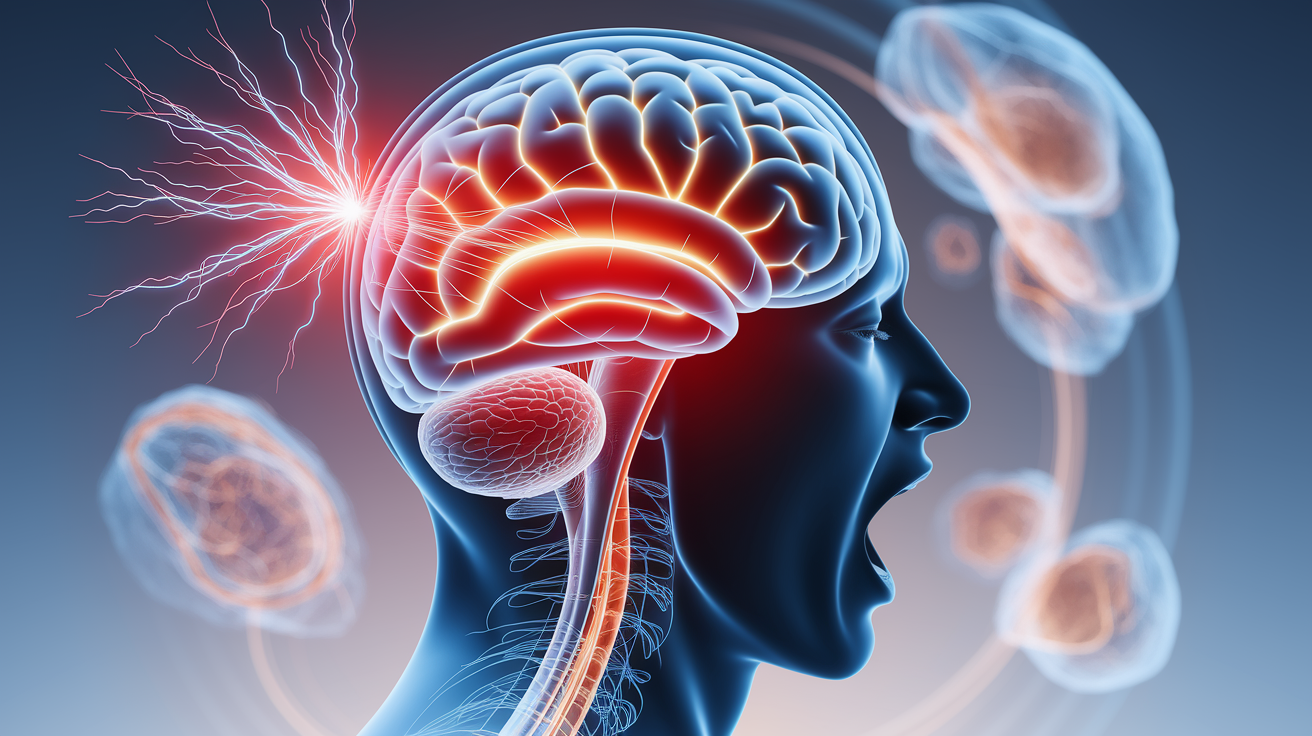
- Dopamine
- Oxytocin
- Acetylcholine
- Neuropeptide Y
During a yawn, our bodies experience short-term physiological changes, including altered heart rate, increased skin conductance, and shifts in blood flow patterns. Think of yawning as temporarily “revving the engine” of your autonomic nervous system.
The paraventricular nucleus of the hypothalamus appears to be particularly important in initiating yawns – like a conductor leading an orchestra of muscles and physiological responses.
Clinical and Practical Implications
While occasional yawning is completely normal, excessive or unusual yawning patterns can sometimes signal underlying health conditions.
Excessive yawning might be associated with:
- Neurological conditions (multiple sclerosis, brainstem lesions, epilepsy)
- Medication side effects (particularly opioids and dopaminergic drugs)
- Autonomic nervous system dysfunction
- Vasovagal reactions
In everyday life, yawning serves as a practical indicator of our body’s state:
- Frequent yawning while driving may signal dangerous fatigue levels
- Increased yawning during activities requiring concentration could indicate sleep deprivation
- Yawning before stressful events might reflect the body’s attempt to optimize brain function
Health experts advise that isolated yawning is usually benign, but persistent or extreme yawning accompanied by other unusual symptoms warrants medical evaluation.
Conclusion: The Multifaceted Yawn
The humble yawn, it turns out, is far more sophisticated than it appears. Rather than serving a single purpose, yawning likely represents a multifunctional behavior that simultaneously helps regulate brain temperature, modulate alertness levels, and potentially facilitate social coordination.
Next time you feel that familiar urge to open wide and take a deep breath, appreciate the complex neurological orchestra at work – a beautifully designed physiological response that helps keep your brain functioning at its best. Something so common yet so mysterious reminds us that even our most ordinary bodily functions can conceal fascinating scientific puzzles.