
Quick Answer: Bad breath (halitosis) primarily occurs due to sulfur-producing bacteria in the mouth breaking down food particles and proteins, releasing unpleasant-smelling compounds. While poor oral hygiene is the most common cause, bad breath can also stem from respiratory issues, digestive problems, certain medical conditions, and lifestyle factors like diet and smoking.
The Culprits Behind Bad Breath
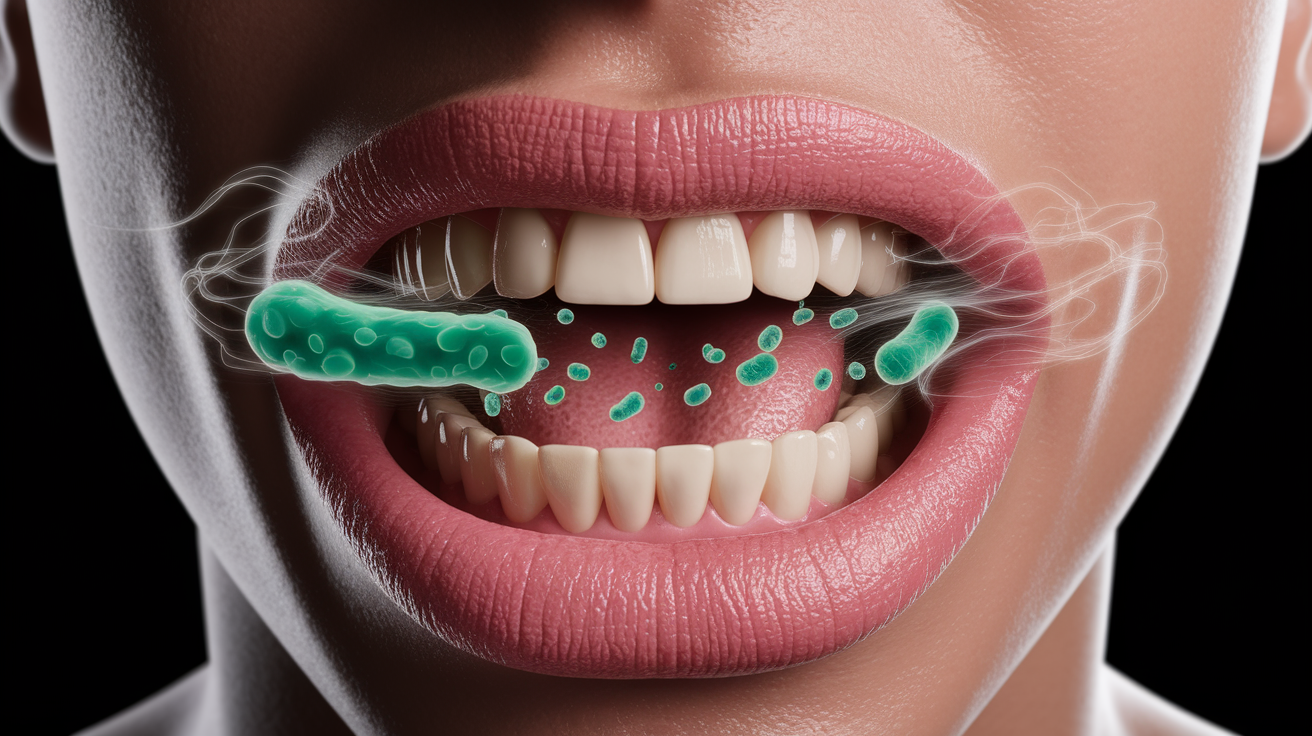
That unpleasant odor that sometimes greets you in the morning mirror has a fascinating science behind it! The primary culprits responsible for bad breath are the microscopic organisms residing in your mouth – particularly sulfur-producing bacteria that break down proteins and release volatile sulfur compounds (VSCs). These tiny troublemakers are the main reason why your breath might not smell as fresh as you’d like.
Several factors in your mouth create the perfect environment for these bacteria to thrive:
- Dental plaque buildup – The sticky film on teeth harbors millions of bacteria
- Tongue coating – The rough surface of your tongue traps food particles and dead cells that bacteria feed on
- Food particles – Trapped between teeth, these provide a feast for odor-causing bacteria
- Dry mouth (xerostomia) – Reduced saliva means less natural cleaning action
- Gum disease – Conditions like gingivitis and periodontitis create pockets where bacteria multiply
Your morning breath is a perfect example of how these factors work together. During sleep, saliva production decreases, creating a dry environment where bacteria thrive undisturbed for hours. This is why even people with excellent oral hygiene may experience “morning breath.”
Another less-known but significant contributor to persistent bad breath is the presence of tonsil stones—calcified debris in the tonsils that harbor odor-producing bacteria. These small white formations can cause stubborn halitosis that persists despite good brushing habits.
Respiratory and Digestive Influences
Your breath doesn’t just reveal what’s happening in your mouth—it can also be a window into your respiratory and digestive systems. Let’s look at how these body systems can contribute to halitosis:
Respiratory System Contributors
When your respiratory system experiences issues, bad breath often follows. Some common respiratory causes include:
- Sinus infections – When your sinuses become infected, the resulting postnasal drip creates excess mucus that drips down your throat, providing food for odor-causing bacteria
- Tonsillitis – Inflamed tonsils can trap food particles and bacteria
- Chronic respiratory conditions – Bronchitis, pneumonia, and other lung conditions can contribute to distinctive breath odors
- Foreign bodies in the nose – Particularly common in children, these can create localized infections and odors
Many people with chronic sinusitis wonder, “Why do I have bad breath even after brushing?” The answer often lies in this persistent postnasal drip that continuously feeds bacteria in the throat, beyond the reach of your toothbrush.
Digestive System Links
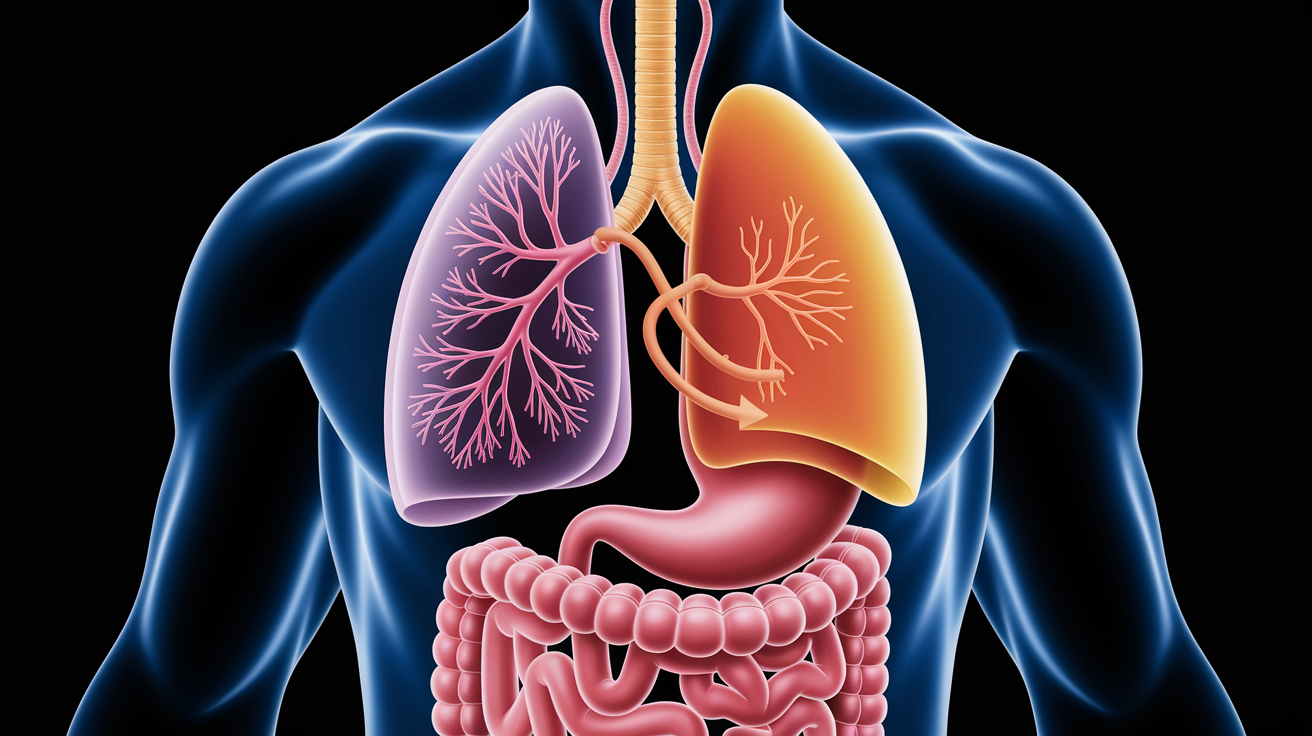
Can bad breath come from the stomach? Absolutely! Your digestive system plays a significant role in your breath’s freshness:
- Gastroesophageal reflux disease (GERD) – Stomach acid flowing back into the esophagus can reach your mouth, causing both unpleasant taste and odor
- Gut bacteria imbalance – When your digestive system’s microbial balance is disrupted, it can affect your breath
- Poor digestion – Food that isn’t properly broken down can ferment, producing gases that affect breath
- Constipation or bowel obstruction – These conditions can cause waste products to build up in the body, potentially affecting breath
Many digestive issues like acid reflux can cause persistent halitosis that doesn’t respond well to oral hygiene measures alone. This connection explains why some people experience bad breath despite meticulous dental care.
Systemic and Metabolic Conditions
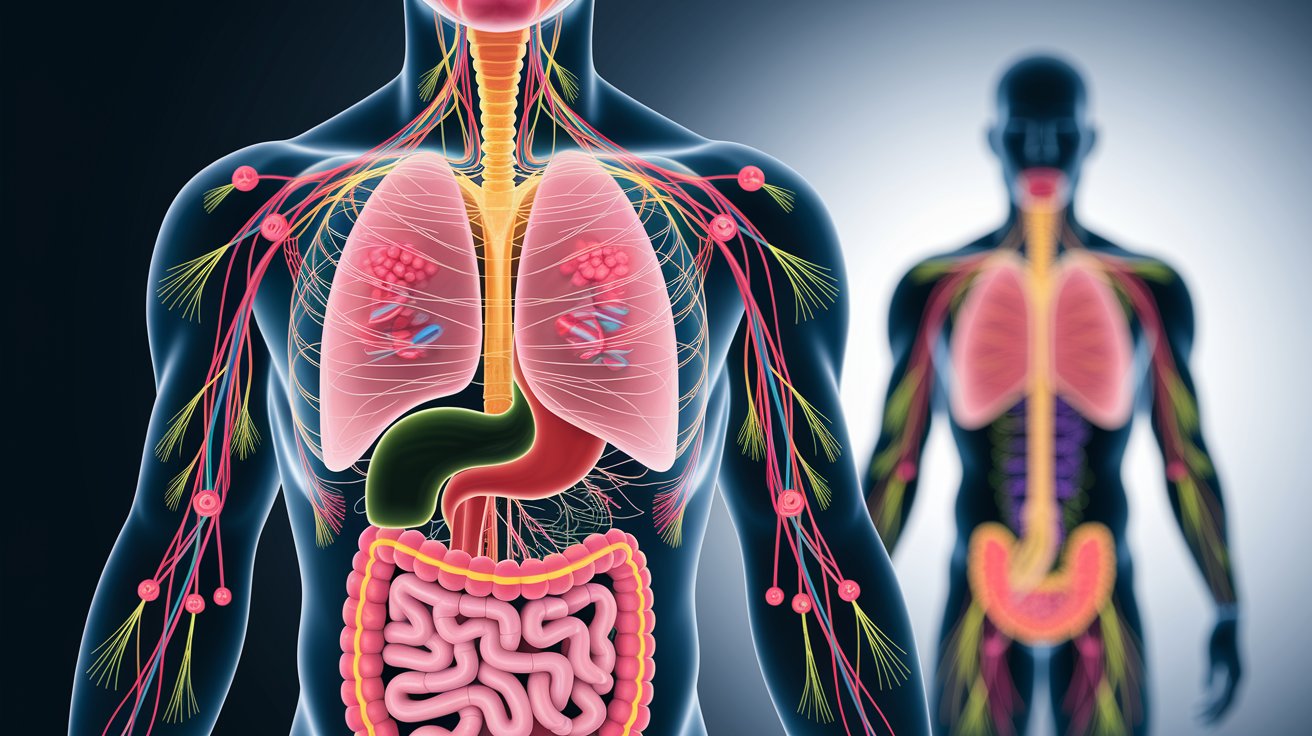
Sometimes, bad breath is more than just an oral hygiene issue—it can be a sign of something happening throughout your body. Certain medical conditions create distinctive breath odors that healthcare providers can recognize:
Diabetes and Blood Sugar Connection
People with diabetes may experience a fruity or acetone-like breath odor during episodes of high blood sugar. This happens when the body begins breaking down fat for energy, producing ketones that are expelled through breath. This “ketosis breath” can be a warning sign of uncontrolled diabetes.
Kidney and Liver Function
Your vital organs play surprising roles in breath freshness:
- Kidney disease – When kidneys aren’t filtering properly, waste products like urea build up in the bloodstream, creating an ammonia or urine-like smell on the breath
- Liver disease – Can cause a musty or sweet odor due to the buildup of certain substances in the blood
Rare Genetic Conditions
Unusual breath odors can sometimes be traced to rare genetic metabolic disorders like trimethylaminuria (fish odor syndrome) and hypermethioninemia, where the body can’t properly process certain compounds, resulting in distinctive breath smells.
These systemic causes highlight why bad breath is sometimes more than just a social concern—it can be a valuable diagnostic clue for healthcare providers. If you’ve tried addressing oral hygiene but still experience persistent bad breath, consulting a medical professional is important.
Lifestyle and Environmental Factors
Our daily choices and environment significantly impact breath freshness. Let’s explore these influential factors:
Diet and What You Consume
The saying “you are what you eat” applies to your breath too:
- Aromatic foods – Garlic, onions, and other pungent foods contain volatile compounds that enter your bloodstream and are expelled through breath
- High-protein diets – Can trigger ketosis, leading to distinctive breath odors
- Alcohol consumption – Dries the mouth and is metabolized into compounds with distinctive odors
- Coffee – Contains acids that can alter oral pH and contribute to dry mouth
Tobacco Use
Smoking or using tobacco products not only leaves residual odors but also dries the mouth, reduces oxygen in the oral cavity (favoring anaerobic bacteria growth), and increases the risk of gum disease—a triple threat to fresh breath.

Medication Effects
Many medications can contribute to bad breath by:
- Reducing saliva production (antihistamines, antidepressants, blood pressure medications)
- Releasing chemicals as they break down in the body
- Altering the oral microbiome
Sleep and Breathing Patterns
Sleep apnea and mouth breathing significantly increase dry mouth during sleep, creating the perfect environment for bacteria to proliferate. This explains why many people with these conditions experience particularly strong morning breath.
Awareness of these lifestyle factors gives you powerful tools to combat bad breath at its source, rather than just masking symptoms.
Solutions and Prevention
Now for the good news—there are many effective strategies to combat bad breath! Let’s explore practical solutions based on the causes we’ve discussed:
Oral Hygiene Best Practices
The foundation of fresh breath starts with proper oral care:
- Brush thoroughly twice daily – Pay special attention to the gum line and back of the tongue
- Floss daily – Removes food particles and plaque between teeth where brushing can’t reach
- Tongue cleaning – Tongue scraping is often more effective than brushing alone in reducing bacteria
- Regular dental checkups – Professional cleanings remove hardened plaque (tartar) and catch dental issues early
- Antimicrobial mouthwash – Can reduce bacterial populations throughout the mouth
Addressing Dry Mouth
Combating xerostomia (dry mouth) is crucial for fresh breath:

- Stay well-hydrated throughout the day
- Consider saliva substitutes if medication causes dry mouth
- Chew sugar-free gum to stimulate saliva production
- Use a humidifier while sleeping to maintain moisture in the air
Dietary Adjustments
Some foods can actually help fight bad breath:
- Crunchy fruits and vegetables like apples, celery, and carrots can help clean teeth naturally
- Yogurt with active cultures may help reduce odor-causing bacteria
- Green tea contains polyphenols that can reduce oral bacteria
- Fresh herbs like parsley and mint contain chlorophyll, a natural breath freshener
When to Seek Professional Help
Consult a healthcare provider if:
- Bad breath persists despite improved oral hygiene
- You notice other symptoms like persistent sore throat, postnasal drip, or digestive issues
- Your breath has suddenly changed in character or intensity
- You suspect a medication might be causing your bad breath
Remember that treating underlying conditions like GERD, sinus infections, or diabetes is often necessary to resolve persistent bad breath completely.
Conclusion: Fresh Breath Awaits
Bad breath isn’t just about what happens in your mouth—it’s connected to your respiratory system, digestive processes, and even your overall health. By understanding the complex science behind halitosis, you gain the power to address it effectively rather than just masking symptoms.
Most cases of bad breath can be resolved with improved oral hygiene practices, staying hydrated, and mindful dietary choices. When these measures don’t help, your breath might be telling you something important about your health that deserves professional attention.
With the right approach, fresh breath isn’t just a commercial promise—it’s an achievable reality that contributes to both your confidence and potentially your health awareness. The science of fresh breath is ultimately about balance—creating an oral environment where beneficial bacteria thrive and harmful ones don’t get a foothold.