

Quick Answer: People’s ability to handle spicy food depends on a mix of genetics, cultural exposure, and psychological factors. Variations in heat-sensing receptors, repeated practice, and a taste for thrill-seeking all shape how we experience the burn from capsaicin.
Spice Tolerance Unveiled
Ever wonder why some friends can munch on fiery chili peppers like snacks, while others reach for milk after a single bite? Spice tolerance isn’t just about bravery — it reflects a fascinating combination of biology, habit, and mindset. Think of it like your personal “heat index,” influenced by how your body’s sensors detect and respond to the chemical capsaicin that gives spicy food its kick.
Genetic Roots of Heat Sense
One of the biggest players in spice tolerance is the TRPV1 receptor — a special protein located on sensory nerve endings in your mouth and skin. This receptor responds to both actual heat and to capsaicin’s chemical signal. Variations in the TRPV1 gene change how sensitive the receptor is: less sensitive versions make the burn feel milder, while more sensitive ones intensify the heat. Studies, including research on genetic factors, show genetics can explain anywhere from 18% to 58% of the differences in how people handle spicy food.
For example:
- “Mild” TRPV1 variants → Lower burn sensation → Easier to tolerate hot flavors.
- “Sensitive” TRPV1 variants → Stronger burn sensation → Less tolerance.
- Twin studies confirm both genes and environment matter in the spice experience.
Want more details on how your DNA influences heat perception? Here’s a deep dive into TRPV1 and capsaicin mechanics.
Culture and Exposure: Shaping Your Spice Journey
Genetics set the baseline, but experience shapes the outcome. If you grow up in a household where chili peppers and curry are everyday staples, your taste buds and nerve endings adapt to spicy flavors. Repeated capsaicin exposure can desensitize the TRPV1 receptor temporarily, letting you enjoy higher Scoville scale levels without immediate discomfort.
In cultures where fiery dishes are common, high spice tolerance is the norm — an effect sometimes called cultural adaptation. As explained by studies on environmental influences, early and regular exposure shapes how the brain perceives the burn.
- Childhood diets rich in spicy food can boost lifelong tolerance.
- Gradually increasing spice levels acts like “training” your heat sensors.
- Even without genetic advantage, consistent practice can raise your comfort level with spice.
Capsaicin Mechanics: The Burn Explained
If spicy heat isn’t actual temperature, why does it feel like fire? The answer lies in capsaicin’s interaction with the TRPV1 receptor. When this receptor binds to capsaicin, it sends signals through the trigeminal nerve to the brain, interpreted as both pain and heat. The body responds by releasing compounds like substance P and endorphins, which add to the unique thrill of eating hot food.
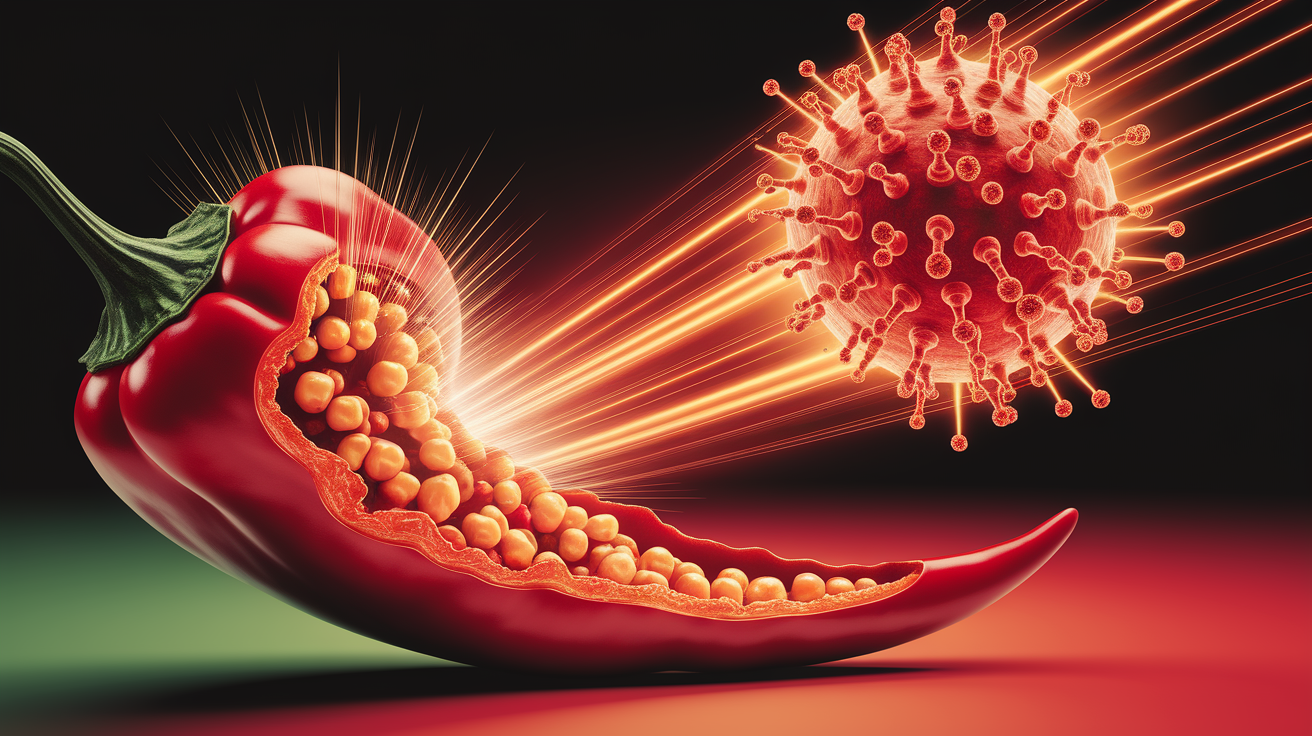
Repeated exposure can lead to short-term desensitization — the receptor becomes less responsive for a while, though it’s not damaged and your taste buds remain intact. For more, see this explanation of capsaicin’s action on heat receptors.
- Capsaicin: Active compound making chili peppers “hot.”
- TRPV1 receptor: Protein detecting heat and pain signals.
- Scoville scale: Measurement of chili heat levels based on capsaicin content.
The Psychology of Heat: Beyond Biology
Not all spice lovers are simply genetically gifted — personality plays a big role. People who are high in sensation-seeking traits often choose spicy foods for the thrill, even if it means enduring discomfort. A study on personality and spice preference found that enjoyment of hot flavors is influenced by reward sensitivity and willingness to try intense experiences.

- Sensation seekers may associate heat with excitement, not pain.
- Positive past experiences with spice can reinforce enjoyment.
- Mindset and social environment can influence spice confidence as much as biology.
Turning Up the Heat: Final Thoughts
Whether you’re a fiery food fanatic or prefer mild flavors, your spice tolerance is shaped by a blend of genetic wiring, cultural exposure, and personal psychology. If curiosity calls, you can train your taste buds and heat receptors with gradual increases in spice, building both confidence and comfort. In the end, spice tolerance is less about toughness and more about fascinating body chemistry and sensory adaptation. So, the next time you sample something hot, you’ll know exactly what’s going on behind that burn — and maybe even why you love it.