

Quick Answer: Sugar causes tooth decay when oral bacteria feed on it and produce acids that dissolve tooth enamel minerals. This process, happening inside sticky plaque on your teeth, eventually creates cavities if the acid attacks happen frequently enough to overwhelm your mouth’s natural defenses.
The Acidic Assault
The journey from enjoying a sweet treat to developing a cavity begins with an invisible chemical reaction. When sugar enters your mouth, it becomes fuel for bacteria—particularly troublemakers called Streptococcus mutans and Streptococcus sobrinus.
Here’s what happens in this microscopic battlefield:
- Bacteria consume sugars from your food and drinks
- As they metabolize these sugars, they produce acids as waste products
- These acids lower your mouth’s pH below the critical threshold of 5.5
- At this acidic pH, your tooth enamel begins to lose minerals (demineralization)
Think of your tooth enamel as a strong mineral fortress protecting the inner structures. It’s primarily made of calcium and phosphate arranged in a crystalline structure. When acid attacks occur, these minerals begin to dissolve, weakening the enamel’s structure. While your body has natural repair mechanisms, repeated acid attacks eventually overwhelm this defense system.

The most dangerous part? This acidic assault can continue for up to 20 minutes after each sugary snack or drink, silently damaging your teeth before you even notice a problem.
The Plaque Problem
The acid attack doesn’t happen in isolation—it’s facilitated by dental plaque, a sticky, colorless film that constantly forms on your teeth. This biofilm serves as a protective shield for bacteria, making sugar-induced tooth decay a two-part problem.
Plaque creates the perfect environment for decay because:
- It harbors colonies of bacteria that feed on sugars
- It traps acids against your tooth surface, preventing saliva from neutralizing them
- It can drop to a pH of 4.5-5.5 after sugar exposure, well below the critical threshold for enamel dissolution
- If not removed regularly, it hardens into tartar (calculus), which can only be removed professionally
When plaque persists, the decay process accelerates. The acids begin breaking through the enamel to attack the next layer—dentin—which is softer and less resistant. Eventually, decay can reach the inner pulp containing nerves and blood vessels, causing sensitivity, pain, and potential infection.
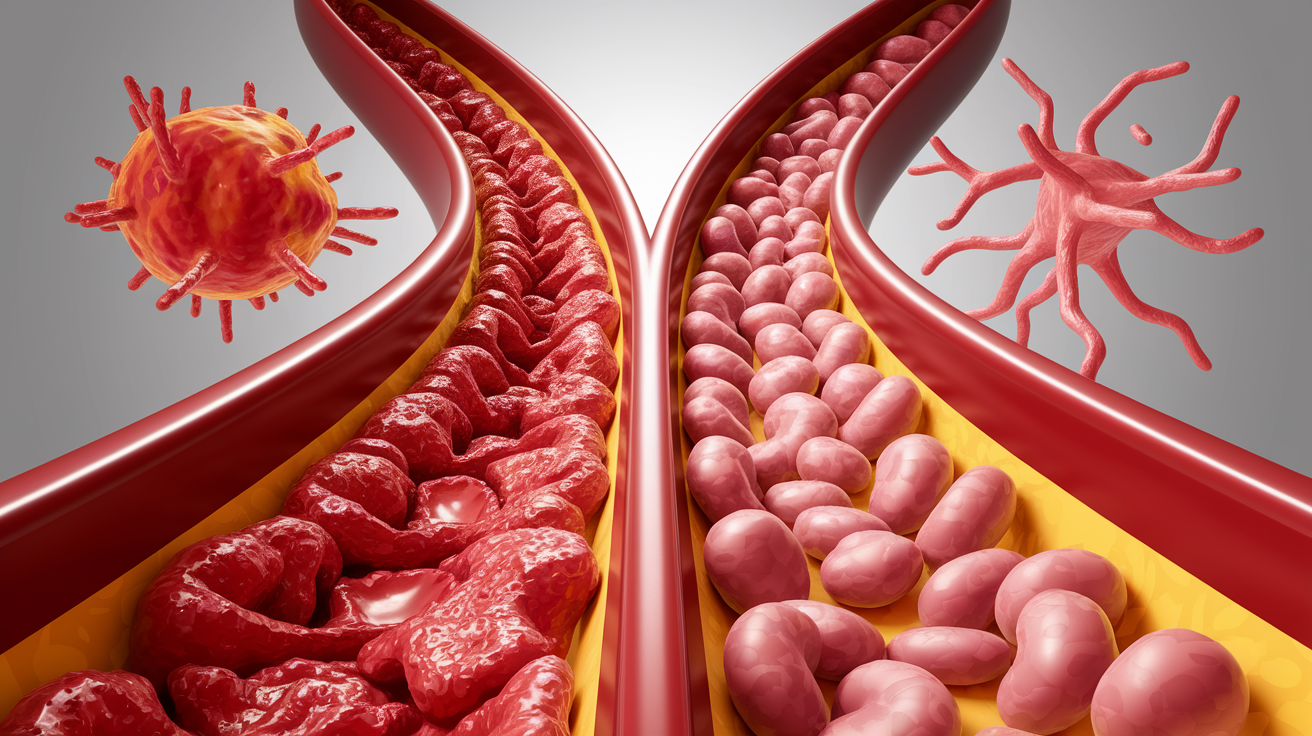
The relationship between plaque and sugar is symbiotic—sugar feeds the bacteria in plaque, which then produce more acids and cause more damage. Breaking this cycle is essential for preventing tooth decay.
Sugar’s Sneaky Sources
Not all sugars affect your teeth equally, and some hide in places you might not expect. Dentists and nutritionists are particularly concerned about “free sugars”—those added to foods plus sugars naturally present in honey, syrups, and fruit juices.
According to the World Health Organization, these free sugars pose the greatest risk for dental caries because they’re rapidly fermented by oral bacteria. But sugar’s cavity-causing potential extends beyond the obvious sweet treats:
- Hidden sugars: Ketchup, pasta sauce, bread, and salad dressings often contain added sugars
- Sticky sugars: Caramels, dried fruits, and gummies stay on teeth longer, extending acid exposure
- Liquid sugars: Sodas, sports drinks, and even fruit juices bathe teeth in sugar and acids
- Stealth carbohydrates: Processed starches like chips and crackers break down into sugars in your mouth
The WHO recommends limiting free sugars to less than 10% of total energy intake, and ideally below 5%, to minimize dental caries risk. For context, a single can of soda can contain your entire day’s recommended limit!
Understanding these sources helps you make informed choices about the foods and drinks that come into contact with your teeth each day.
The Frequency Factor
When it comes to sugar-induced tooth decay, how often you consume sugar matters more than how much you eat in one sitting. This surprising fact explains why someone who sips sugary coffee all day might develop more cavities than someone who occasionally enjoys a dessert after dinner.
The science behind frequency is straightforward:
- Each sugar exposure triggers about 20-30 minutes of acid production
- Your saliva needs time between exposures to neutralize acids and restore mineral balance
- Constant snacking or sipping creates an almost permanent acidic environment
- This prevents your natural remineralization process from keeping up with damage
Consider this example: Person A eats one large chocolate bar in five minutes after lunch. Person B slowly consumes five small pieces of the same chocolate throughout the day. Person B will likely experience five separate acid attacks totaling over 100 minutes, while Person A experiences just one 20-minute attack—despite consuming the same amount of sugar.

Research confirms that this constant acid exposure disrupts the natural balance between demineralization and remineralization, accelerating the decay process. Your saliva—which contains calcium, phosphate, and in some cases fluoride—simply cannot repair the damage fast enough when faced with repeated sugar challenges.
Scientific Consensus and Historical Context
The relationship between sugar and tooth decay isn’t a recent discovery. There’s overwhelming scientific consensus that sugar consumption directly causes dental caries, supported by numerous epidemiological studies showing positive correlations between sugar intake and DMFT (decayed, missing, filled teeth) indices.
This understanding has developed over centuries:
- Ancient texts from Aristotle mentioned the connection between sweet foods and tooth problems
- By the 17th century, observers noted that wealthy people with access to sugar suffered more tooth decay
- In the 20th century, researchers established the biological mechanism of sugar-induced decay
- Modern research confirms that reducing sugar intake significantly decreases cavity development
Interestingly, historical documents reveal that the sugar industry in the 1950s-1970s worked to shift focus away from reducing sugar consumption. Instead, they funded research on alternatives like vaccines and additives while knowing sugar’s cariogenic effects. This influenced public health messaging for decades.

Today, major health organizations worldwide, including the WHO and dental associations, emphasize sugar reduction alongside fluoride use and oral hygiene as essential strategies for preventing tooth decay.
Prevention and Protection
The good news? Sugar-induced tooth decay is largely preventable. With the right strategies, you can enjoy occasional sweet treats while keeping your smile healthy.
Effective prevention focuses on several key approaches:
- Smart sugar consumption: Limit frequency of sugar exposure and try to confine sweets to mealtimes when saliva flow is higher
- Oral hygiene routine: Brush twice daily with fluoride toothpaste (1000-1500 ppm fluoride) and clean between teeth daily
- Fluoride use: This mineral helps repair early damage through remineralization and makes teeth more resistant to acids
- Protective measures: Dental sealants can shield vulnerable tooth surfaces, especially in children
- Regular dental visits: Professional cleanings remove tartar that brushing can’t, and early intervention can reverse initial decay
Early stage tooth decay—appearing as white spots on teeth—can actually be reversed through improved oral care and fluoride application. The minerals in your saliva, combined with fluoride, can rebuild the crystalline structure of early damaged enamel if the decay hasn’t progressed to a cavity.
For maximum protection, rinse with water after sugary foods and wait at least 30 minutes before brushing (immediately brushing after acid exposure can damage softened enamel).
Sweet Conclusion
Understanding the relationship between sugar and tooth decay empowers you to make informed choices for your dental health. Sugar itself isn’t the villain—it’s the combination of sugar, bacteria, and time that leads to trouble.
Remember these key takeaways:
- Bacteria feed on sugars and produce enamel-dissolving acids
- Plaque provides a protected environment for this destructive process
- Frequency of sugar exposure matters more than total amount
- Many foods contain hidden sugars that contribute to decay
- Early decay can be reversed with proper care
By being mindful of when and how you consume sugary foods and drinks, maintaining good oral hygiene, and visiting your dentist regularly, you can enjoy life’s sweet pleasures while keeping your smile healthy and strong for years to come.