

Quick Answer: That sleepy feeling after eating, known as postprandial somnolence or “food coma,” happens primarily due to hormonal changes triggered by your meal. Your body releases insulin to process glucose, increases serotonin and melatonin production, and activates digestive processes that together signal your brain it’s time to rest.
The Science Behind Post-Meal Drowsiness
Ever finished lunch and suddenly felt like you could doze off at your desk? You’re experiencing postprandial somnolence, a natural phenomenon that affects virtually everyone to some degree. But what’s happening inside your body during this post-meal energy slump?
The Hormonal Orchestra
When you eat, your body initiates a complex cascade of hormonal responses:
- Insulin: After consuming carbohydrates, your pancreas releases insulin to help cells absorb glucose. This insulin surge activates an enzyme called Na/K ATPase, which can lead to temporary hypokalemia (low potassium) and contribute to feelings of fatigue.
- Serotonin and Melatonin: Foods containing tryptophan (like turkey, eggs, and cheese) boost production of serotonin, which can convert to melatonin – both neurotransmitters that promote relaxation and sleepiness.
- Orexin Decrease: Eating reduces levels of orexin, a neuropeptide responsible for wakefulness and alertness, essentially removing your brain’s natural stimulant.
- Cholecystokinin (CCK): Released primarily after consuming fatty foods, CCK signals satiety but also promotes drowsiness.
These hormonal shifts don’t occur in isolation – they work together, signaling sleep centers in the hypothalamus to reduce alertness after eating, as research has demonstrated.
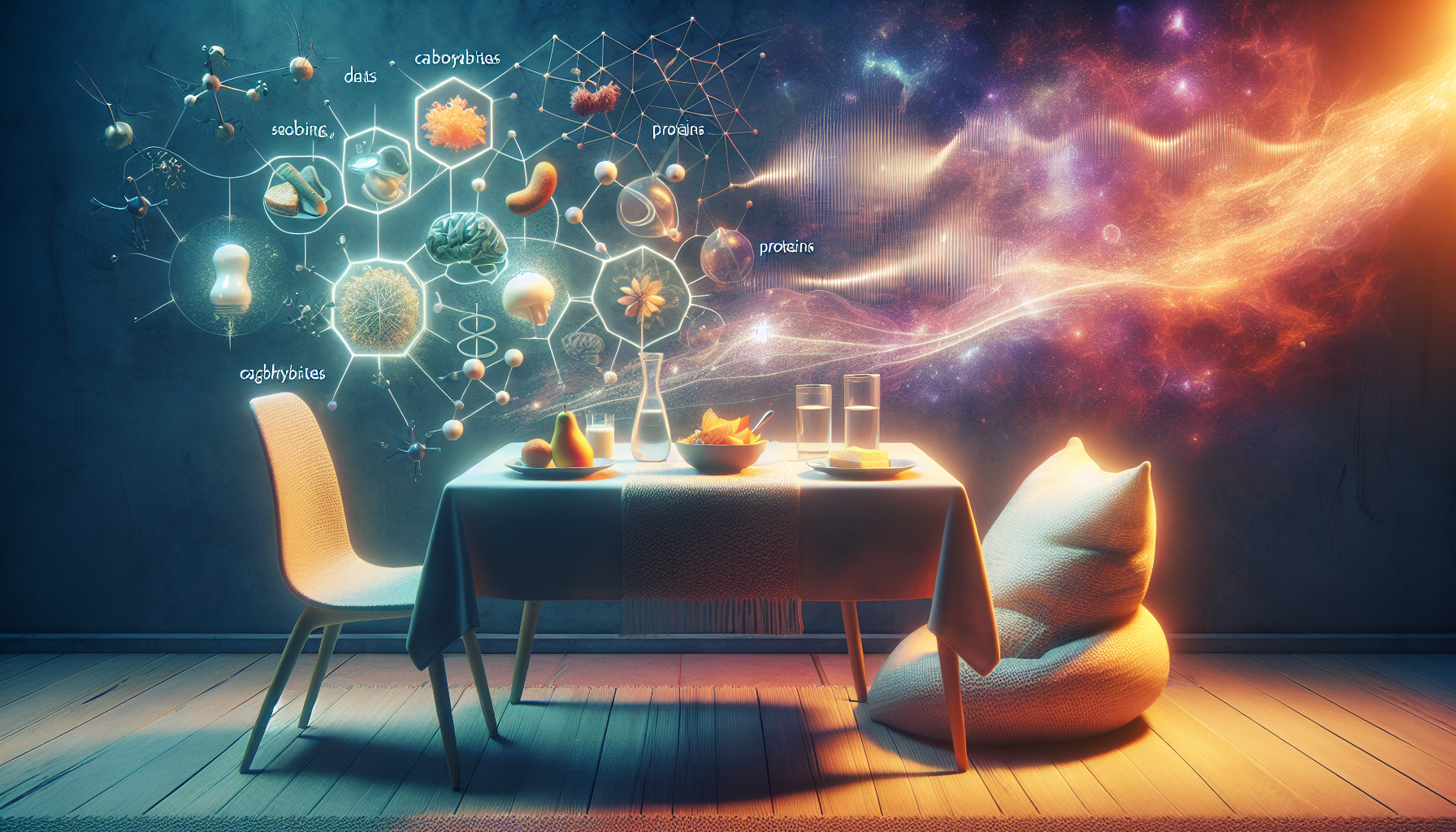
Neural Pathways at Work
Your brain’s arcuate nucleus receives signals about your nutritional status and communicates with sleep-regulating centers in the hypothalamus. Additionally, the vagus nerve (connecting your digestive tract and brain) activates your parasympathetic nervous system – the “rest and digest” mode – further promoting that drowsy feeling.
Studies published in scientific journals have shown how these neurohormonal mechanisms interact with the ventrolateral preoptic nucleus of the brain, which regulates transitions between wakefulness and sleep.
Debunking Common Myths
The Blood Flow Myth
Perhaps the most persistent misconception is that we get sleepy because blood rushes to our digestive system, “stealing” blood from the brain. Despite its intuitive appeal, scientific evidence contradicts this theory.
The human brain has sophisticated regulatory mechanisms that maintain consistent cerebral blood flow even during activities that demand increased blood elsewhere. Consider exercise – your muscles receive significantly more blood, yet you don’t become sleepy; in fact, you become more alert.

Measurements of carotid artery blood flow show no meaningful reduction after meals. The real culprits behind your post-lunch slump are the neurohormonal changes we discussed earlier.
Turkey and Tryptophan Confusion
While turkey does contain tryptophan, it doesn’t contain exceptionally high amounts compared to other protein sources like chicken or beef. The drowsiness after Thanksgiving dinner has more to do with the large portion sizes, high carbohydrate content, and possibly alcohol consumption than turkey specifically.
Meal Composition and Its Effects
Not all meals are created equal when it comes to inducing sleepiness. The composition of your food significantly influences how tired you’ll feel afterward.
The Carbohydrate Connection
High-carbohydrate meals, particularly those rich in simple sugars and refined carbs, can trigger a more pronounced food coma through several mechanisms:
- They cause rapid blood sugar spikes followed by insulin surges
- This can lead to reactive hypoglycemia (blood sugar crash)
- They increase the ratio of tryptophan to other amino acids entering the brain
According to nutrition experts, these blood glucose fluctuations can be particularly problematic for people with insulin resistance or metabolic disorders.

Fat and Protein Factors
High-fat meals stimulate the release of cholecystokinin (CCK), which promotes drowsiness. They also require more energy to digest, potentially redirecting energy resources.
Protein-rich meals have a more moderate effect on sleepiness compared to high-carb meals. However, they do provide tryptophan, which can increase serotonin production.
Size Matters
Larger meals generally cause more pronounced drowsiness than smaller ones, regardless of composition. This is because they:
- Require more digestive resources
- Trigger stronger hormonal responses
- Create greater metabolic demands
Medical sources confirm that meal size is often the most significant factor in determining the intensity of postprandial somnolence.
Evolutionary Perspectives
A Natural Rest State
That post-meal drowsiness isn’t a design flaw in our bodies – it appears to serve important purposes. Throughout human history, taking rest after consuming a large meal would have offered several advantages:
- Prioritizing digestion by reducing physical activity
- Optimizing nutrient absorption and storage
- Conserving energy while food is processed
This pattern is visible across many species and appears to be a deeply ingrained biological response. Research suggests it’s a carefully orchestrated physiological strategy rather than simply a side effect of eating.

Timing with Natural Rhythms
Our bodies operate on circadian rhythms – internal clocks that regulate various functions throughout the day. Post-meal sleepiness often aligns with natural dips in alertness, particularly in the afternoon.
This explains why lunch can trigger more noticeable drowsiness than breakfast – it coincides with a natural afternoon reduction in alertness. Many traditional cultures incorporated midday rest periods (like siestas) that acknowledged this natural rhythm.
Conclusion: Embracing the After-Meal Slump
Understanding why we get sleepy after eating helps us work with our bodies rather than fighting against them. Postprandial somnolence is a normal biological process involving complex hormonal and neural mechanisms – not laziness or a lack of willpower.

If you’re looking to minimize post-meal drowsiness, consider these science-backed strategies:
- Eat smaller, more frequent meals instead of large ones
- Reduce simple carbohydrates and increase protein and fiber
- Take a short walk after eating to help regulate blood sugar
- Stay hydrated, as dehydration can worsen fatigue
- If possible, plan important tasks for periods when you’re less likely to experience food comas
Rather than viewing post-meal drowsiness as an inconvenience, we can recognize it as a normal part of our physiology that has served humans well throughout our existence. Sometimes, listening to your body’s signals and taking a short rest after eating might be exactly what you need.