
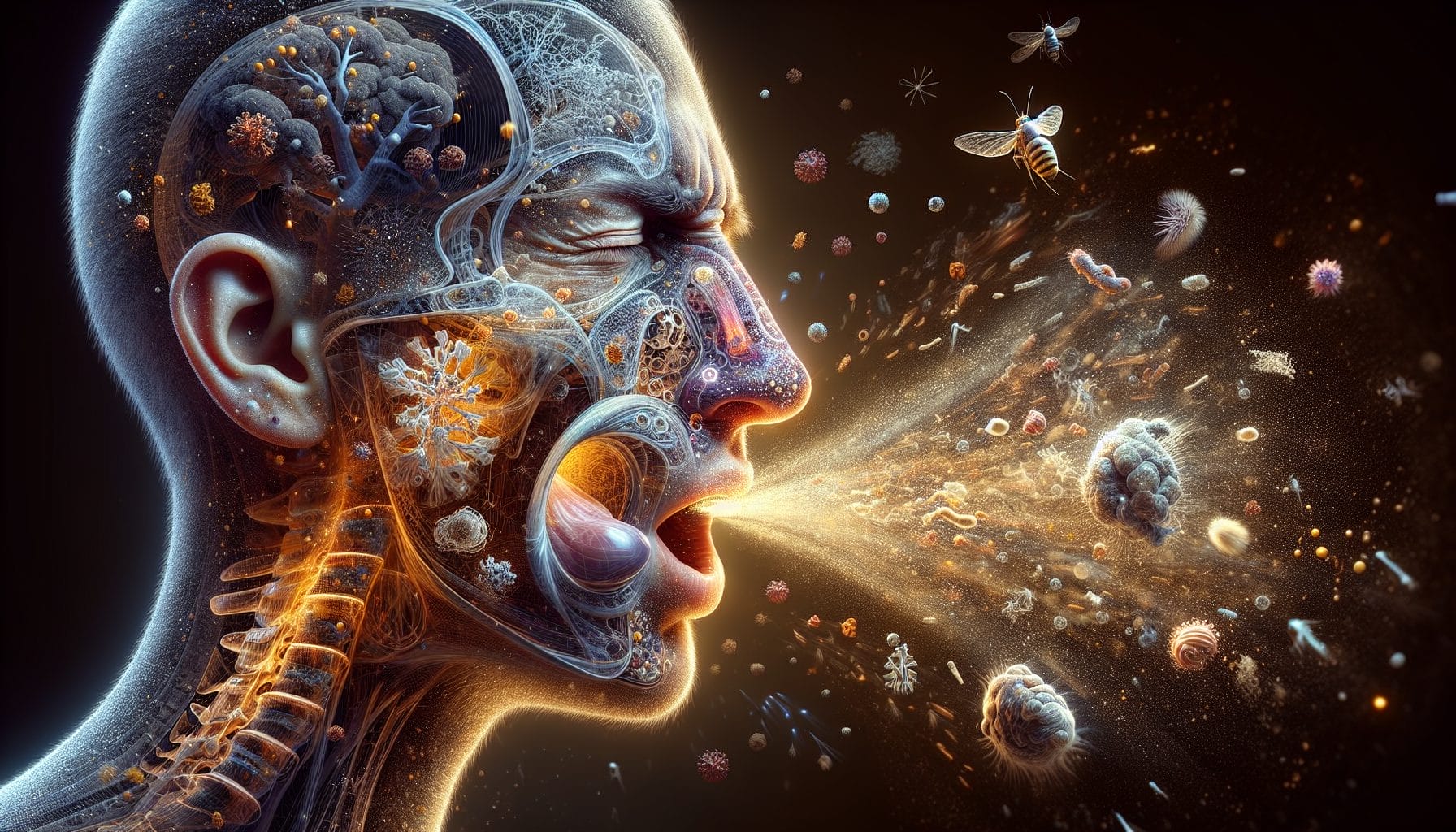
Quick Answer: People sneeze when their nasal passages detect irritants or allergens, triggering a powerful protective reflex that expels air at speeds up to 100 miles per hour. Different individuals may sneeze due to diverse triggers including dust, pollen, bright light, spicy food, or even fullness, depending on their unique physiology and sensitivity.
Introduction – A Sudden Burst: The Mystery of Sneezing
We’ve all experienced it—that tingling sensation in the nose, the deep inhale, and then… ACHOO! A sneeze erupts with surprising force, sometimes at the most inconvenient moments. But have you ever wondered why we sneeze in the first place? Or why some people seem to sneeze in unusual circumstances, like when looking at bright sunlight or after eating? This fascinating bodily function serves a crucial protective purpose, but the triggers and mechanisms behind sneezing can vary significantly from person to person.

The Mechanism of Sneezing
Sneezing is a remarkable physiological process that showcases how efficiently our bodies protect us from potential threats. Let’s break down what happens when you sneeze:
The Two-Phase Process
A sneeze involves two distinct phases:
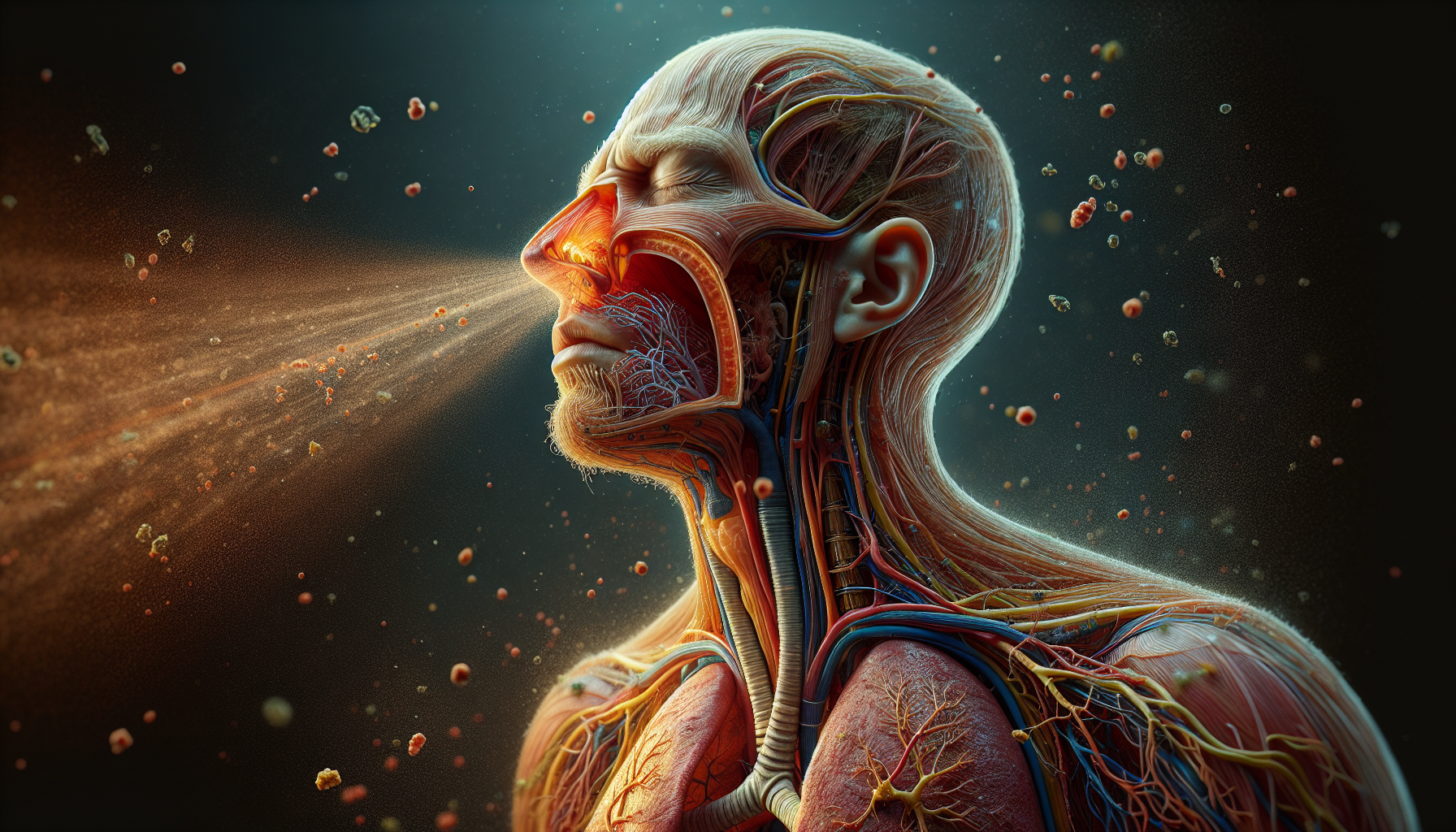
- The Afferent Sensory Phase: Specialized neurons called pruriceptors in the nasal mucosa detect irritants. These neurons send signals via the trigeminal nerve to the brain’s “sneeze center” located in the brainstem.
- The Efferent Motor Phase: Once the brain processes these signals, the medulla oblongata activates a coordinated response involving muscles throughout your face, throat, diaphragm, chest, and abdomen.
The Powerful Expulsion
When you sneeze, several things happen simultaneously:
- Your soft palate depresses and your tongue elevates
- Air is forcefully accelerated through your airways via a venturi effect
- The expelled air can reach speeds of up to 100 miles per hour
- A single sneeze can release up to 40,000 droplets containing mucus and particles
This powerful respiratory event is designed to clear your nasal passages of anything that might be irritating or potentially harmful to your respiratory system.
Common Triggers of Sneezing
People sneeze for various reasons, and understanding these triggers can help explain why some individuals seem more prone to sneezing than others.
Allergens
Many people sneeze in response to allergens, which trigger an immune response involving histamine release:
- Pollen from trees, grasses, and flowers
- Dust mites and their waste products
- Animal dander from pets
- Mold spores
Environmental Irritants
Physical or chemical irritants can directly stimulate the nasal passages:
- Strong odors or perfumes
- Cigarette smoke or air pollution
- Spicy foods containing capsaicin
- Sudden temperature changes or cold air
- Dry air that irritates nasal membranes
Infections and Illness
Viral or bacterial infections commonly cause sneezing:
- Common cold viruses
- Influenza (flu)
- Sinusitis and other respiratory infections
These infections cause inflammation in the nasal passages, making them more sensitive to irritation and triggering the sneeze reflex as a defense mechanism.
Unique Sneezing Phenomena
Some of the most intriguing aspects of sneezing involve unusual triggers or patterns that affect certain individuals.
The Photic Sneeze Reflex
Have you ever stepped outside on a bright day and immediately sneezed? You’re not alone! Approximately 18-35% of people experience what’s formally called the Autosomal Compelling Helio-Ophthalmic Outburst (ACHOO) syndrome, more commonly known as the photic sneeze reflex.
This hereditary condition causes sneezing when exposed to bright light, particularly sunlight. Scientists believe it may result from:

- Crossover stimulation between the optic nerve and trigeminal nerve
- Parasympathetic nervous system activation
- Unique neural wiring that connects visual and sneeze reflexes
Multiple Sneezes
Some people rarely sneeze just once. This “sneeze train” phenomenon happens when:
- The first sneeze doesn’t fully clear the irritant
- There’s ongoing stimulation of the nasal passages
- The person has a more sensitive sneeze reflex
Food-Induced Sneezing
Certain individuals may sneeze after:
- Eating spicy foods containing capsaicin
- Consuming large meals (stomach distention can trigger the vagus nerve)
- Eating very cold foods like ice cream (temperature change in the mouth)
Recent Scientific Insights
Our understanding of sneezing continues to advance through scientific research.

Specialized Sneeze Neurons
Recent research has identified specific neurons and neuropeptides that are essential for the sneeze reflex:
- Neuromedin B (NMB) has been identified as a key neuropeptide in the sneeze response
- Specialized sneeze-evoking neurons located in the ventromedial spinal trigeminal nucleus and lateral reticular formation are distinct from breathing control centers
- These neurons connect via axons to respiratory regions and respond specifically to irritants like capsaicin or allergens
The Reset Function
Scientists have discovered that sneezing plays a role in “resetting” the function of the nasal passages:
- Sneezing helps reset nasal cilia (tiny hair-like structures that move mucus)
- This reset improves the nasal environment’s ability to filter particles
- In conditions like chronic sinusitis, this reset function may be impaired
Sneezing and Health Implications
While sneezing is protective, it also has important health considerations.
Protection and Defense
Sneezing serves as a first-line defense mechanism:
- It forcefully expels pathogens, particles, and irritants from nasal passages
- The sneeze reflex helps prevent potentially harmful substances from reaching the lungs
- It triggers increased mucus production to trap additional particles
Disease Transmission
Unfortunately, sneezing can also spread illness:
- A single sneeze can expel up to 40,000 droplets containing viruses or bacteria
- These droplets can travel surprising distances (up to 6-8 feet)
- Infections like streptococcal bacteria and respiratory viruses can be transmitted through sneezing
When Sneezing Signals a Problem
Excessive or unusual sneezing patterns might indicate:
- Allergies requiring treatment
- Underlying sinus infections
- Environmental sensitivities that need addressing
- In rare cases, neurological issues affecting the trigeminal nerve
Conclusion – The Protective Power of a Sneeze
That explosive “ACHOO!” is much more than just a noisy interruption—it’s a sophisticated protective mechanism that helps keep our respiratory systems safe from harmful particles and irritants. From the specialized neurons that detect problems to the coordinated muscular response that propels irritants outward at remarkable speeds, sneezing represents an impressive biological defense system.
While the basic mechanism remains the same, the wide variety of triggers—from common allergens to bright sunlight to spicy foods—reminds us that each person’s body responds uniquely to the world around them. Next time you feel that familiar tickle in your nose, you’ll have a deeper appreciation for the complex science behind this everyday phenomenon.