

Quick Answer: Plants need water primarily for photosynthesis (making food), transporting nutrients throughout their structure, providing structural support through turgor pressure, and cooling through transpiration. Without water, plants cannot perform these essential functions and will wilt, stop growing, and eventually die.
Introduction – The Lifeblood of Plants
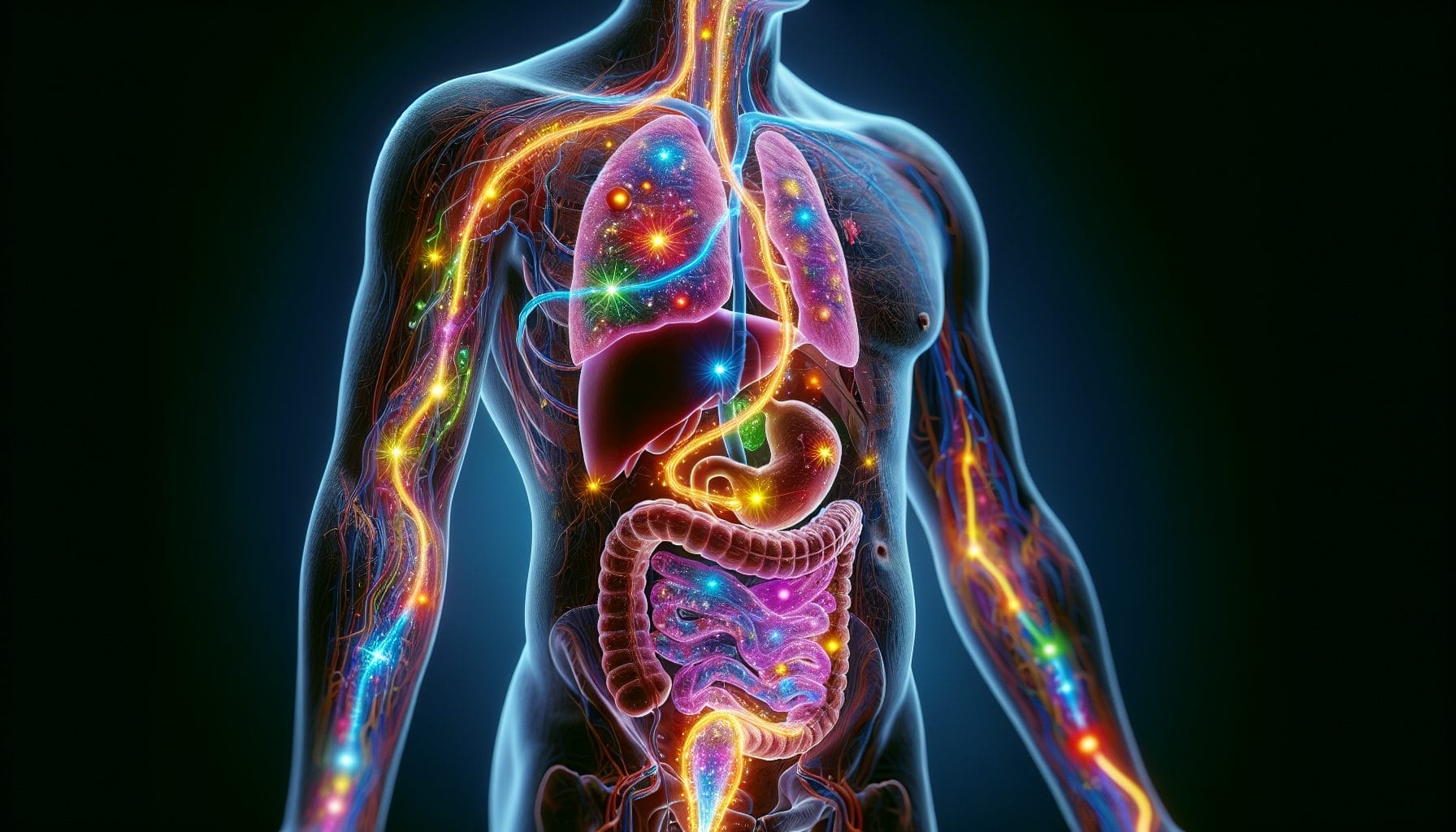
Just as blood flows through our bodies, water courses through plants, sustaining nearly every aspect of their existence. Did you know that actively growing plant parts are typically 80-95% water by mass? This isn’t just storage—it’s an indication of how fundamentally important water is to plant life.

Water isn’t simply something plants “need”—it’s something they’re largely made of! From the tallest redwood to the tiniest moss, water powers countless processes that keep plants alive, growing, and thriving in their environments. Let’s dive into the fascinating ways plants use this remarkable molecule.
Photosynthesis – Water’s Role in Energy Production
At the heart of plant life is photosynthesis—the remarkable process that converts sunlight into food. Water plays a starring role in this biochemical miracle:
- Water serves as a direct reactant in photosynthesis, combining with carbon dioxide to create glucose (sugar) and oxygen
- Inside plant cells, water molecules are split apart during the light-dependent reactions, releasing oxygen, electrons, and protons
- These electrons and protons help form energy-carrying molecules (ATP and NADPH) that power sugar production in what scientists call the Calvin cycle
Think of it like this: water provides both raw building material and workers (electrons) for the plant’s food factory. Without water, the photosynthesis assembly line shuts down completely, and the plant can’t produce its own food.
Biochemical Reactions – The Aqueous Medium
Beyond photosynthesis, water creates the perfect environment for the thousands of chemical reactions happening in plant cells every second:

- Water acts as a universal solvent, dissolving minerals, sugars, and other substances needed for plant metabolism
- Enzymes (cellular workers) function properly only in water-based environments
- Many biochemical reactions involve water directly—like hydrolysis reactions that break down larger molecules into smaller ones
Just as we need the right environment to work efficiently, plants’ cellular machinery operates optimally in a watery medium. Chemical reactions in plant cells depend on water to bring reactants together, carry away products, and maintain the proper concentrations of substances.
Nutrient Transport – The Plant’s Circulatory System
Plants don’t have hearts to pump blood, but they have an equally impressive system for moving nutrients—powered by water:
- Roots absorb water containing dissolved minerals like nitrogen, phosphorus, and potassium from soil
- This nutrient-rich water travels upward through tube-like cells called xylem, much like water moving up through a straw
- The continuous stream delivers essential building blocks to growing tissues throughout the plant
- Water also helps move sugars, hormones, and other important molecules between different plant parts
When water is scarce, this transport system slows dramatically. Think of trying to drink a thick milkshake through a narrow straw—that’s how inefficient nutrient movement becomes in a dehydrated plant. Without efficient nutrient transport, growth slows, leaves yellow, and the plant weakens.
Structural Support – Turgor Pressure
Unlike animals with skeletons, most plants rely on water for their structural integrity:
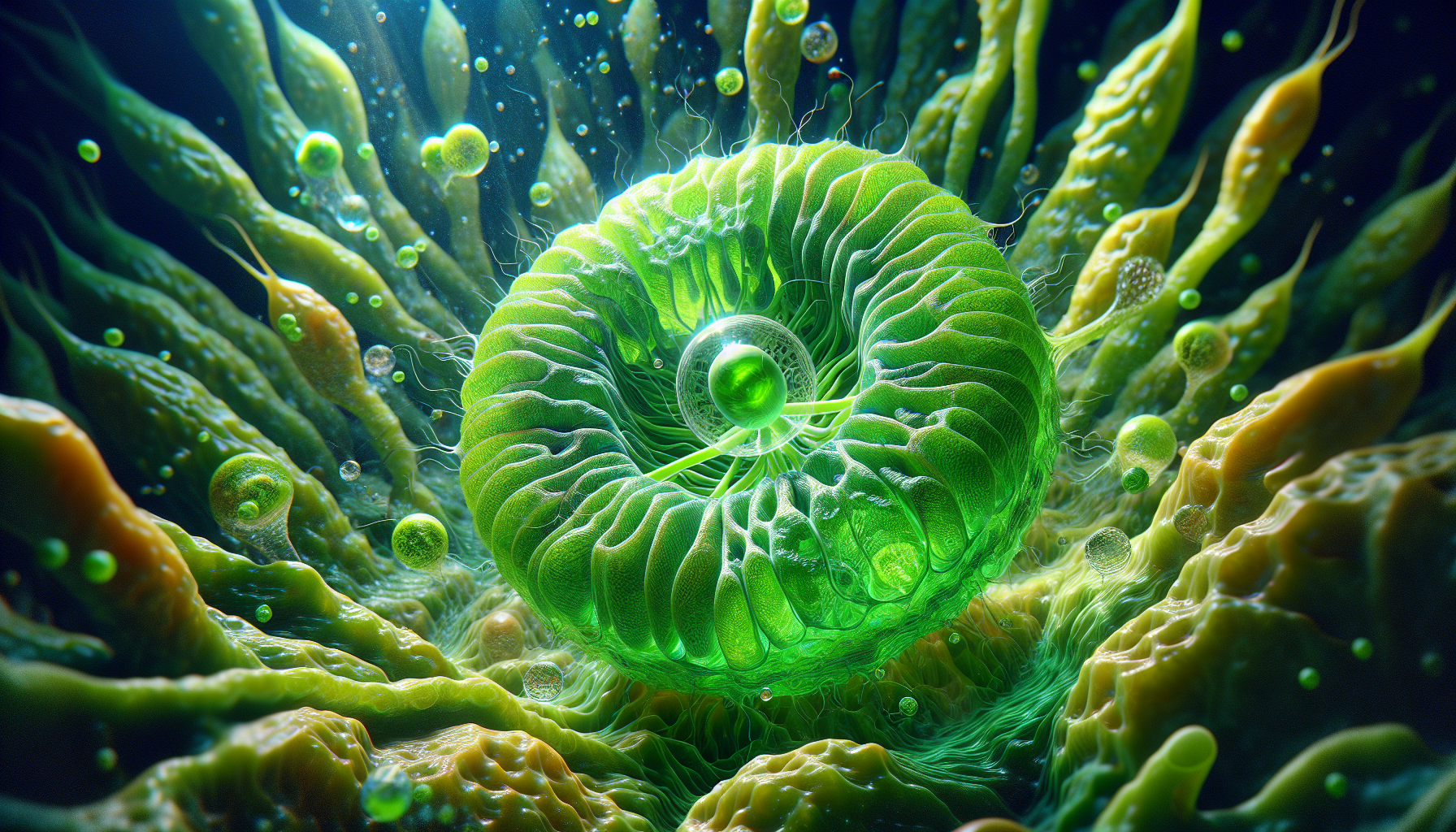
- Plant cells fill with water through osmosis, creating internal pressure (turgor pressure) that pushes against cell walls
- This pressure makes plant tissues firm and rigid—like how an inflated balloon is firm while a deflated one is floppy
- When millions of cells are properly inflated with water, stems stand upright and leaves spread to catch sunlight
- Inadequate water causes cells to deflate, resulting in wilting
Turgor pressure isn’t just about standing tall—it’s also crucial for growth. As cells take in water and swell, they push their walls outward, allowing the plant to expand. Even specialized movements, like the opening and closing of stomata (leaf pores), rely on changes in water pressure within specific cells.
Transpiration – Cooling and Gas Exchange
Plants have their own cooling system, and—you guessed it—it relies on water:
- Water constantly evaporates from leaf surfaces in a process called transpiration
- This evaporation cools the plant much like sweating cools our bodies
- Transpiration creates negative pressure that pulls water upward from roots to leaves, helping maintain the nutrient flow
- The process is linked to gas exchange—as carbon dioxide enters leaves through pores called stomata, water vapor exits
This cooling mechanism is critical during hot weather. Without it, leaf temperatures could rise to damaging levels under direct sunlight. Additionally, the continuous upward flow of water created by transpiration ensures fresh nutrients keep reaching the leaves where photosynthesis occurs.
Conclusion – Water: The Key to Plant Health
Water truly is the lifeblood of plants—powering food production, enabling nutrient transport, providing structural support, and regulating temperature. When we understand these processes, we gain a deeper appreciation for how remarkably plants function and why proper watering is so crucial for their survival.
From maintaining our gardens to addressing global agricultural challenges, recognizing the multifaceted importance of water in plant life helps us become better stewards of both plants and water resources. The next time you water a houseplant or see rain falling on a field, remember you’re witnessing the delivery of a substance absolutely fundamental to plant existence.