

Quick Answer: Blushing occurs when blood vessels in the face dilate involuntarily in response to emotional triggers like embarrassment or self-consciousness. This physiological response increases blood flow to facial skin, causing the characteristic reddening that serves as a visible signal of our emotional state to others.
The Blushing Phenomenon
That sudden warmth spreading across your cheeks during an awkward moment isn’t just in your imagination—it’s a fascinating physiological response happening right beneath your skin!
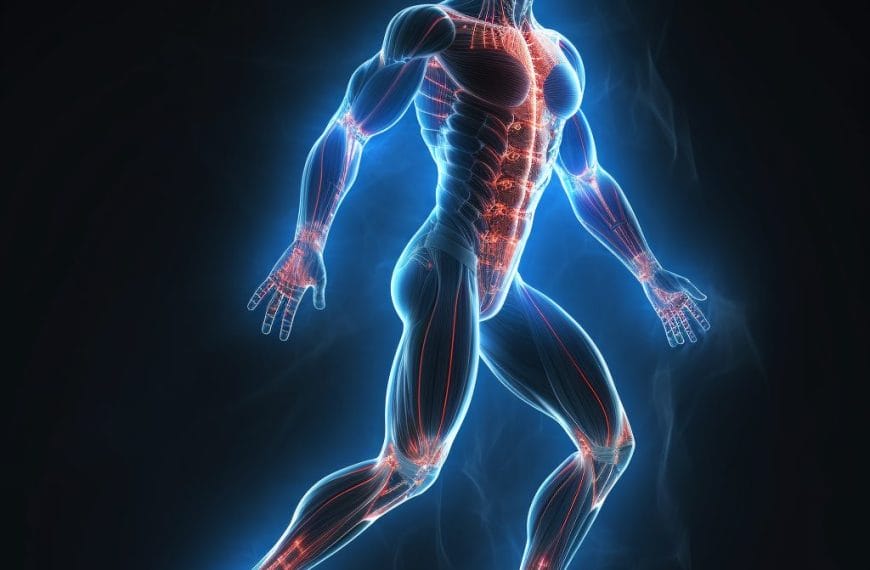
Blushing occurs due to a process called vasodilation—the widening of blood vessels—specifically in the “blush region” which includes your face, neck, ears, and upper chest. When you blush, tiny blood vessels called capillaries dilate, allowing more blood to flow near your skin’s surface. This increased blood flow creates that characteristic redness and warm sensation.
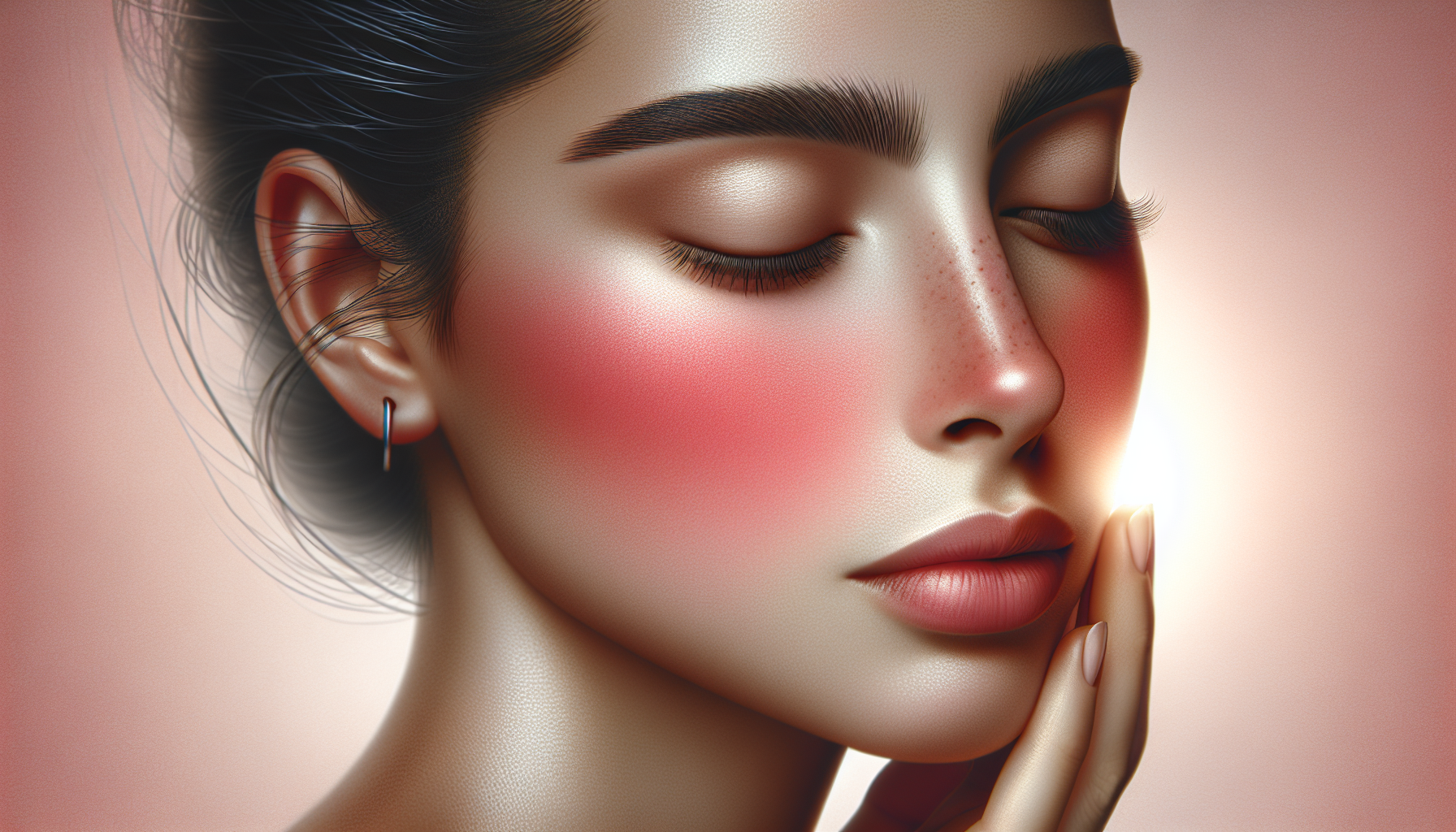
What makes facial blushing so pronounced compared to other body parts? Several factors contribute:
- Your face has more capillary loops per unit area than other body regions
- Facial blood vessels are wider and positioned closer to the skin’s surface
- Special receptors called beta-adrenoceptors in facial skin facilitate more pronounced dilation
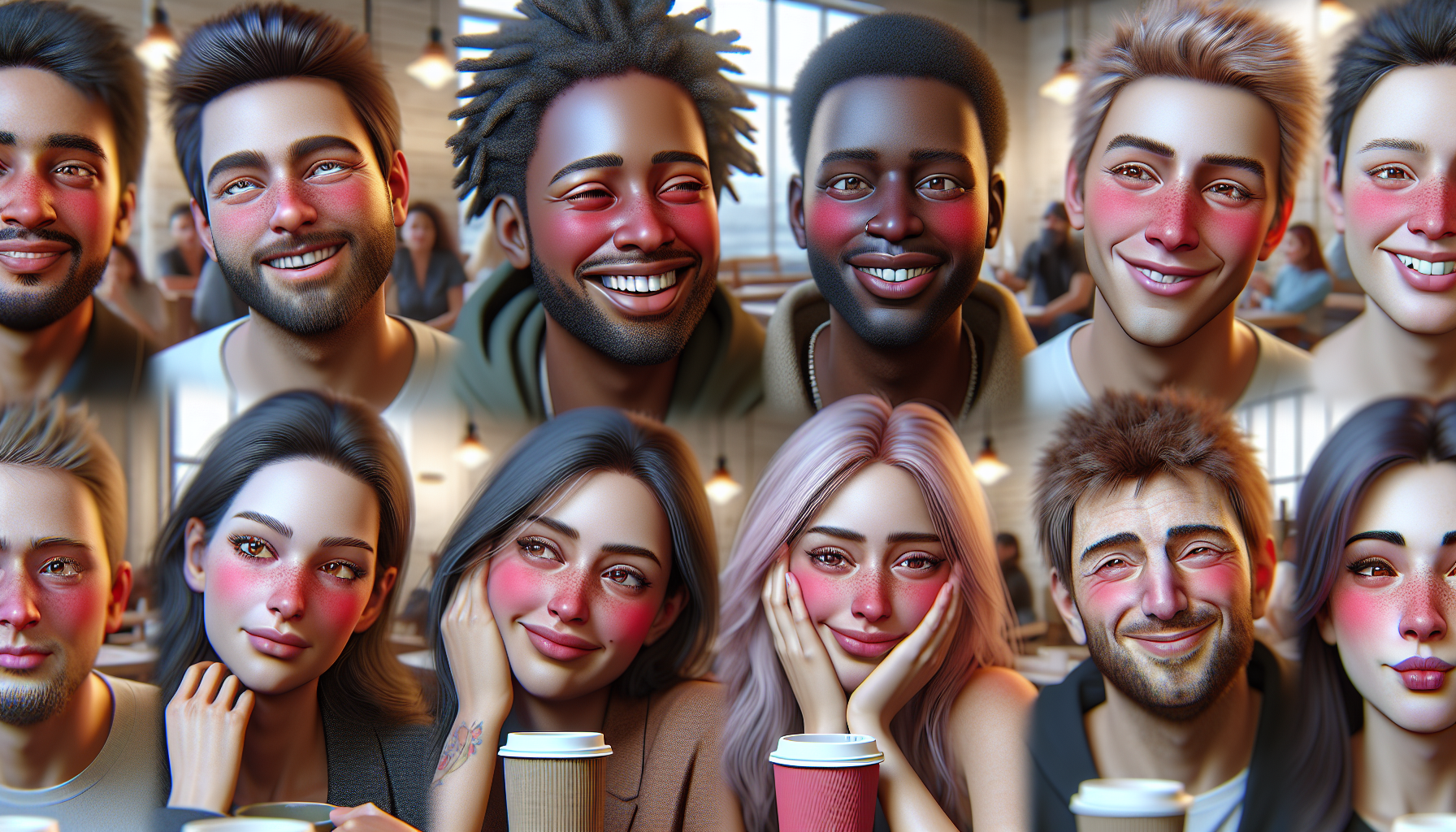
Interestingly, while the physiological process happens in everyone, blushing visibility varies by skin tone. People with lighter skin show more noticeable reddening, though the physical sensation occurs regardless of complexion.
Emotional Triggers of Blushing
What exactly makes us turn red? The primary triggers of blushing are psychological rather than physical, stemming from heightened emotional states:
- Embarrassment after a social mishap
- Shame when feeling inadequate or exposed
- Self-consciousness when receiving attention
- Shyness in unfamiliar social settings
- Anxiety during performance or evaluation
- Sometimes even positive emotions like receiving compliments or feeling gratitude
Research shows that blushing typically occurs during moments of heightened self-awareness—when we suddenly become the center of attention or feel that others are evaluating us. Common scenarios include:
- Being singled out in a crowd
- Receiving unexpected praise or criticism
- Disclosing personal information
- Being caught in a mistake or lie
- Watching yourself in an embarrassing video
Interestingly, recent studies suggest that blushing may result more from a sudden surge of alertness and pre-reflective emotional processes rather than consciously thinking about others’ opinions of us. It’s a more basic, instinctive response than previously thought.
The Brain’s Role in Blushing
What’s happening in your brain when your face turns crimson? The process begins with emotional arousal triggering specific neural pathways.
When you experience a blush-inducing situation, your brain processes the emotional significance and initiates a chain reaction:
- Emotional arousal activates the sympathetic nervous system
- Signals travel to the blood vessels in your face
- These signals override the usual constricting influence
- Blood vessels in the face relax and widen
- More blood flows to the surface, creating the blush
Brain imaging studies have revealed that during blushing episodes, there’s increased activity in regions associated with emotional arousal and attention, such as the cerebellum. While the cerebellum is traditionally known for coordinating movement, it also processes emotions.
Interestingly, these studies show minimal activation in brain regions associated with higher-order thinking about others’ perspectives. This supports the idea that blushing is a basic emotional response rather than a complex social-cognitive process—it happens automatically before we have time to think about it!
Blushing as Non-Verbal Communication
Beyond its physiological mechanics, blushing serves a powerful social purpose—it’s one of our body’s most honest forms of communication.
Blushing is uniquely human and functions as an involuntary signal that communicates our internal emotional state to others. It’s like nature’s built-in truth detector—you can fake a smile, but you can’t fake a blush!
When we blush after a social misstep, we’re essentially broadcasting:

- “I recognize I’ve violated a social norm”
- “I feel remorse about my behavior”
- “I value our relationship and social harmony”
This non-verbal signal helps maintain social bonds. Research indicates that people who blush after a transgression are viewed more favorably than those who don’t, as the blush signals authenticity and a desire to conform to social expectations.
Think of blushing as a social repair mechanism—it helps mend potential relationship damage by showing others that you care about how your actions are perceived. Unlike a rehearsed apology, a blush is automatic and therefore seen as genuine.
Blushing and Social Anxiety
For most people, blushing is a momentary discomfort, but for those with social anxiety, it can become a source of significant distress.
People with social anxiety disorder often experience more intense and frequent blushing, triggered by even minor social interactions. This creates a challenging cycle:
- Fear of blushing in social situations
- Increased self-monitoring and anxiety
- This anxiety triggers the feared blushing response
- The visible blush confirms their fears
- Reinforced anxiety about future social situations
For some individuals, this fear becomes so overwhelming that they begin avoiding social situations altogether, significantly impacting their quality of life. This condition is sometimes called “erythrophobia”—the fear of blushing.
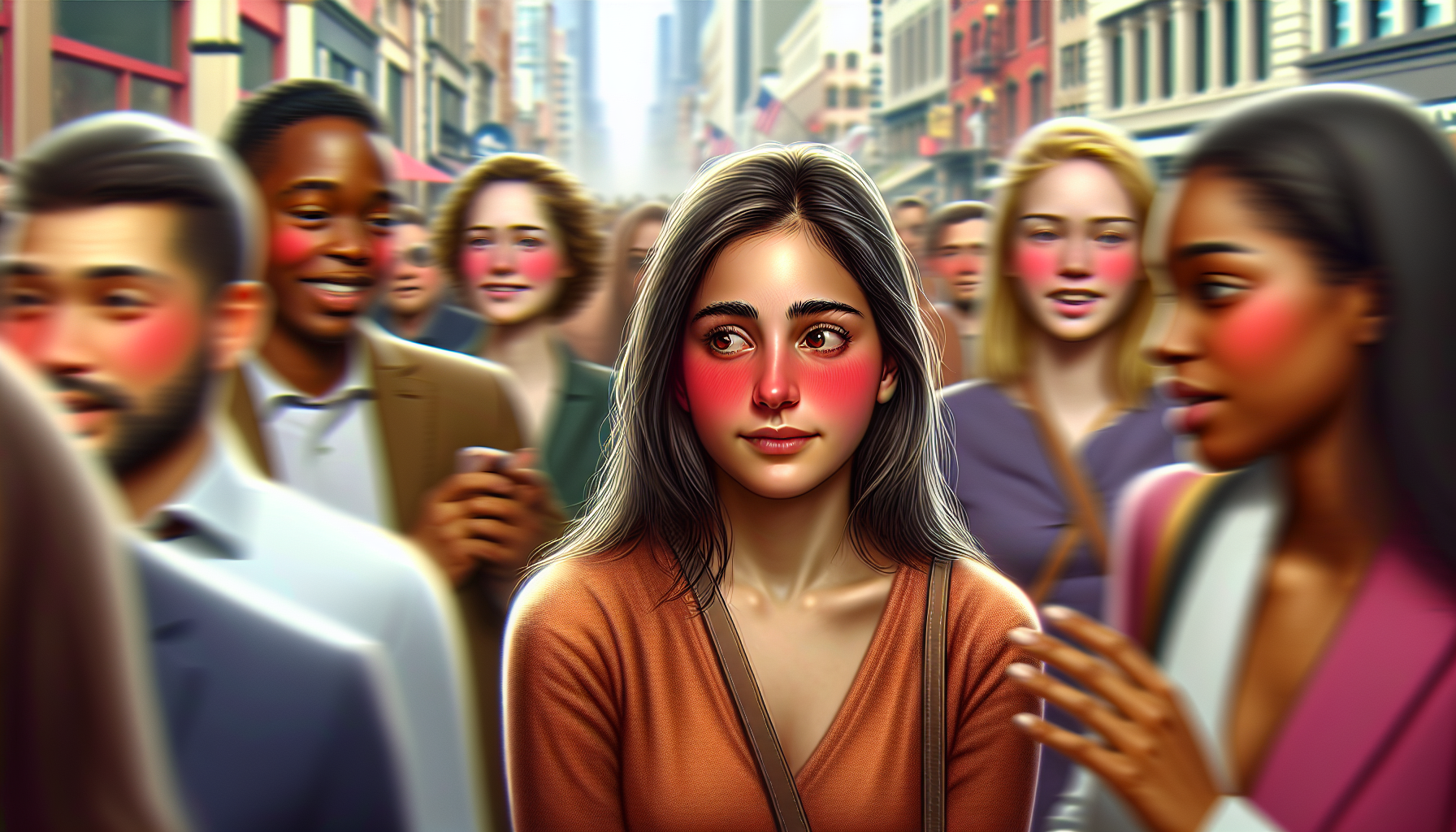
Individual differences in blushing are substantial. Some people blush easily at the slightest attention, while others rarely show visible signs even in highly embarrassing situations. These differences stem from variations in:
- Skin tone and translucency
- Density and placement of blood vessels
- Emotional sensitivity and reactivity
- Personal history and learned responses
While darker skin tones may show less visible reddening, the physiological process of increased blood flow and the sensation of warmth occurs regardless of complexion.
Conclusion: The Red Face of Emotion
Blushing represents one of the most fascinating intersections of our physical and emotional lives. This involuntary response—the sudden reddening when we’re embarrassed or self-conscious—reveals how deeply our bodies and emotions are interconnected.
While we might sometimes wish we could control this visible signal of our feelings, blushing serves an important purpose in our social interactions. It’s an authentic signal that helps others understand our emotional state and intentions, facilitating trust and connection.
So next time your face flushes with embarrassment, remember that your blush is simply your body’s way of communicating your genuine emotions—a uniquely human trait that helps us navigate our complex social world.