

Quick Answer: Skin regeneration is a remarkable process where specialized stem cells in the epidermis continuously divide to create new skin cells that migrate upward, mature, and eventually shed. This complete renewal cycle typically takes 40-56 days in healthy adults, with the process gradually slowing as we age.
The Basics of Skin Regeneration
Your skin is an amazing organ with a built-in renewal system that works around the clock without you even noticing! This continuous regeneration process is what keeps your skin functioning as a protective barrier against the outside world.
At the foundation of this regeneration marvel are specialized stem cells located in the basal layer of your epidermis (the outermost layer of skin). These powerful cells are like little factories that produce new skin cells through division.
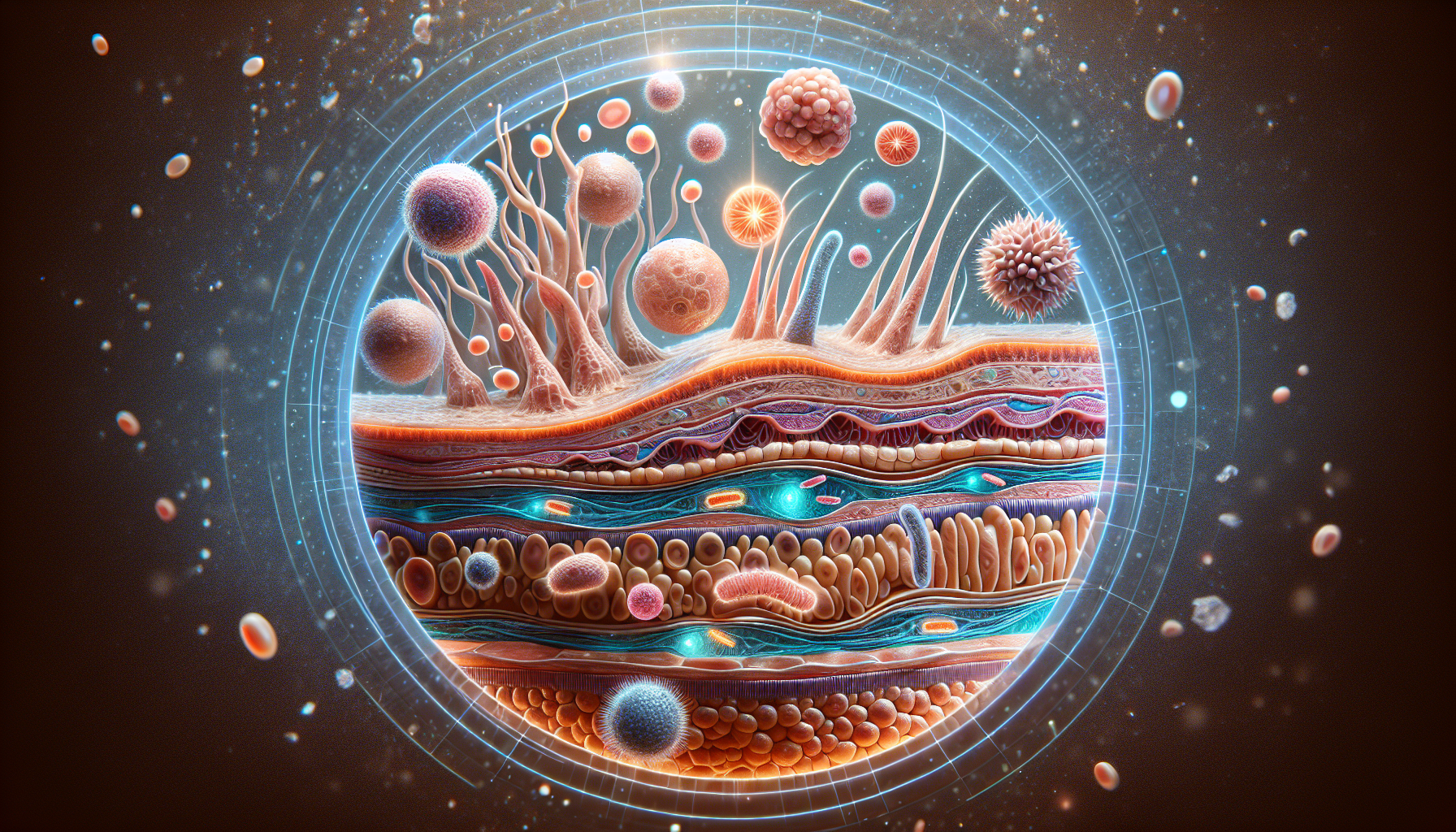
Here’s how the basic renewal process works:
- Cell production: Epidermal stem cells divide to create two types of daughter cells—some remain as stem cells (maintaining the population), while others begin a journey of differentiation.
- Upward migration: The differentiating cells move upward through the layers of your epidermis, changing their structure and function along the way.
- Barrier formation: These cells eventually form the stratum corneum, your skin’s protective outer barrier.
- Shedding: Once cells reach the surface, they’re naturally shed in a process called desquamation.
This complete cellular turnover cycle typically takes 40-56 days in healthy adults. Interestingly, this process slows as we age—what takes about 28 days in your youth can take 30-50% longer by age 80, contributing to many visible signs of aging.
Molecular Mechanisms Behind Skin Renewal
The microscopic world inside your skin cells contains sophisticated molecular machinery that controls the balance between stem cell renewal and differentiation—a delicate dance that ensures your skin maintains proper thickness and function.
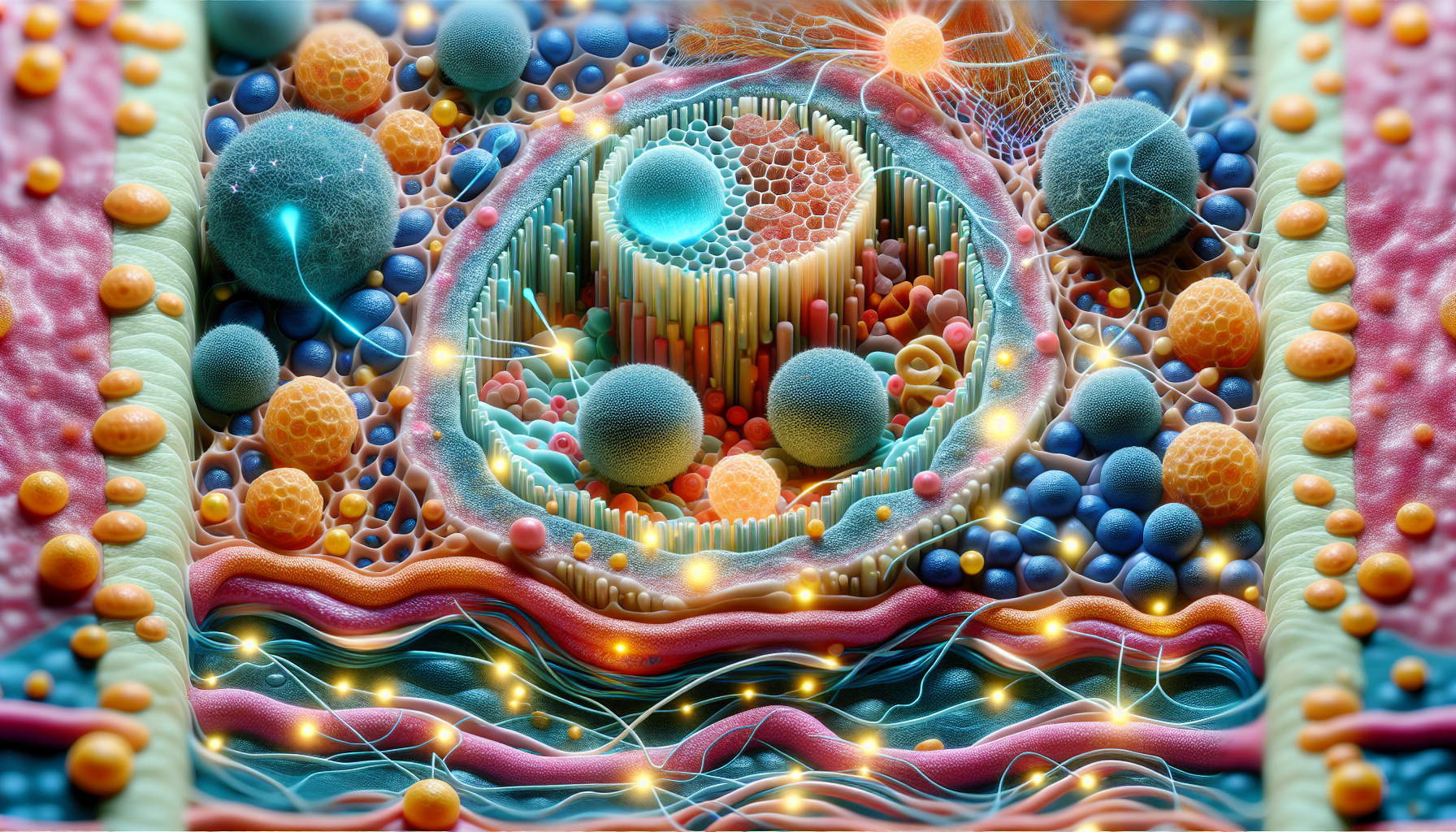
One fascinating molecular player in this process is a protein called CDK9, which acts as a rapid-response switch for stem cell differentiation. Scientists have identified CDK9 as a key mechanism that helps determine whether a skin stem cell will remain a stem cell or transform into a specialized skin cell.
When activated by external signals, CDK9 triggers immediate RNA synthesis of specific genes such as ATF3. Think of it like flipping a light switch that instantly illuminates a pathway for cell development. This molecular switch helps rewire downstream transcription factors responsible for developing your skin’s barrier function.
What makes this system remarkable is its speed and efficiency:
- The molecular machinery remains “poised” for action, allowing responses within just one hour
- Different signaling molecules can tip the balance toward either maintaining stem cells or triggering differentiation
- Stem cell division decisions are carefully controlled to maintain skin integrity
This molecular balancing act ensures your skin maintains proper thickness, with just the right number of new cells being produced to replace those being shed at the surface.
Skin Healing After Injury
When your skin encounters injury—whether it’s a paper cut or a severe burn—it launches an intricate repair program that’s different from the regular renewal process. Wound healing involves distinct yet overlapping phases that work together to restore skin integrity.
The wound healing process unfolds in several phases:
- Hemostasis and inflammation: Immediately after injury, blood clotting occurs to stop bleeding, followed by an influx of immune cells that clear debris and fight potential infections.
- Proliferation: This phase includes several critical processes:
- Re-epithelialization: Keratinocytes migrate across the wound bed to restore the epidermis
- Fibroblast activation: Specialized cells begin producing new dermis
- Angiogenesis: Formation of new blood vessels to supply the healing tissue
- Remodeling: The final phase where collagen is reorganized and excess cells undergo programmed death to restore normal tissue structure.
Interestingly, what we typically call “healing” is actually different from true regeneration. Mammalian skin healing often results in scar formation due to the parallel alignment of dermal cells during repair. This is why most significant wounds leave behind some form of scar.

However, research into skin regeneration mechanisms has shown that certain disruptions to this process—like introducing specialized scaffolds—can promote more regenerative, scarless repair by changing how cells organize during healing.
The Role of Dermal Regeneration
While much attention is often given to the epidermis, the dermis—the deeper layer of your skin—plays an equally crucial role in skin regeneration. This layer houses the structural framework that gives your skin strength and elasticity.
Dermal regeneration relies heavily on specialized cells called fibroblasts, which are the workhorses of connective tissue repair. During the healing process, these remarkable cells:
- Proliferate rapidly to populate the wound area
- Synthesize new extracellular matrix components like collagen and elastin
- Contract the wound to bring the edges closer together
- Communicate with other cell types to coordinate repair
The dermis contains a complex ecosystem of cells that influence regeneration. Beyond fibroblasts, other key players include:
- Macrophages: These immune cells help clear debris and release signals that influence fibroblast activity
- Intradermal adipocytes: Fat cells that activate fibroblasts during the healing process
- Growth factors and cytokines: Molecular signals that coordinate cellular activities
Interestingly, signals from the epidermis can confer regenerative properties to surrounding dermal cells, highlighting the importance of communication between different skin layers. For example, epithelial signals influence fibroblast behavior, demonstrating the intricate interplay between skin components during regeneration.
This delicate balance of cellular activities in the dermis determines whether healing results in normal-looking skin or visible scarring. When dermal regeneration proceeds optimally, the newly formed tissue more closely resembles the original skin structure.
Innovative Therapies in Skin Regeneration
The scientific understanding of skin regeneration has paved the way for exciting therapeutic approaches that harness and enhance your body’s natural healing abilities. These cutting-edge treatments are revolutionizing wound care and skin restoration.
One of the most promising areas involves mesenchymal stem cells (MSCs) and their exosomes. These powerful biological tools can transform how we treat challenging skin conditions:
- Stem cell therapies: MSCs can be applied directly to wounds or injected near damaged skin to enhance regeneration by:
- Promoting angiogenesis (formation of new blood vessels)
- Stimulating collagen synthesis
- Enhancing fibroblast activity
- Modulating inflammation
- Exosome treatments: These tiny vesicles released by stem cells contain growth factors, proteins, and RNA that can influence surrounding cells without the need for actual stem cell transplantation.
These regenerative approaches are showing particular promise for chronic wounds that resist traditional treatments, such as diabetic ulcers and pressure sores. By modulating inflammation and enhancing extracellular matrix remodeling, these therapies can reduce scarring and promote more complete regeneration.
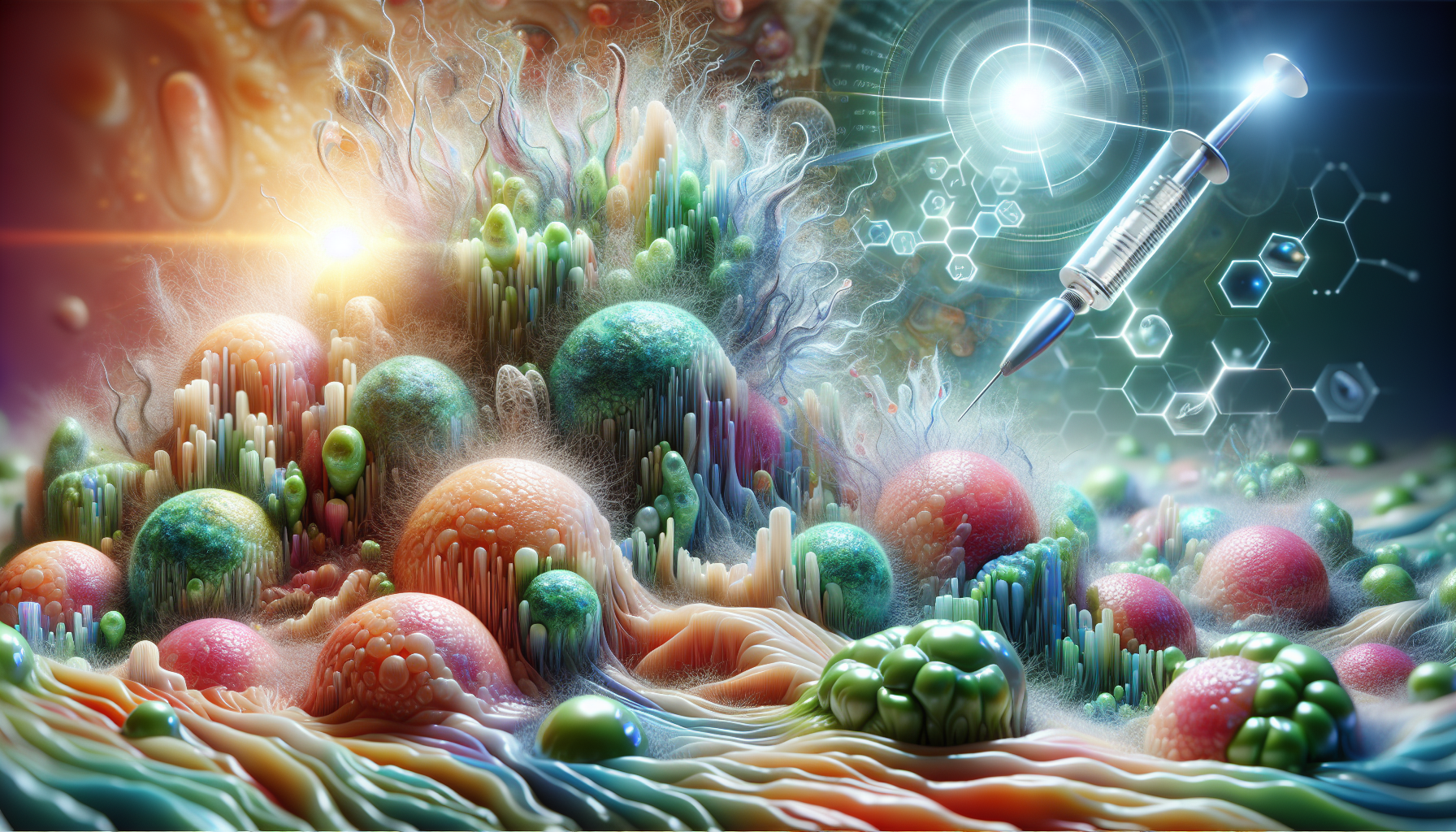
Clinical trials using skin stem cells have demonstrated remarkable results for non-healing ulcers and other persistent wounds, offering hope to patients who previously had limited treatment options. The ability to isolate and apply specific cell populations or their products has opened new frontiers in personalized regenerative medicine.
Conclusion: The Future of Skin Regeneration
The human body’s ability to regenerate skin represents one of nature’s most remarkable healing systems. From the continuous renewal of your epidermis to the complex repair processes following injury, your skin demonstrates incredible resilience and adaptability.
As our understanding of skin regeneration deepens, we’re unlocking new possibilities for enhancing and supporting these natural processes. The interplay between stem cells, molecular signals, and the various specialized cells in your skin creates a fascinating orchestra of regeneration that scientists are just beginning to fully understand and harness.
Whether it’s speeding healing in chronic wounds, reducing scarring after injuries, or potentially even reversing certain signs of aging, the future of skin regeneration research holds tremendous promise for both medical treatments and everyday skin care. By working with the body’s innate regenerative capabilities rather than against them, we’re entering an exciting new era of skin health and restoration.