

Quick Answer: Proper hydration is crucial for athletic performance, with even mild dehydration (2% body weight loss) causing significant decreases in strength, endurance, and cognitive function. Maintaining optimal hydration levels before, during, and after exercise can improve physical performance by enhancing cardiovascular function, regulating body temperature, and supporting metabolic processes.
Introduction – The Power of Hydration
Water might seem like the simplest element in an athlete’s toolkit, yet it’s arguably the most powerful performance enhancer available. Whether you’re a weekend warrior or an elite competitor, the connection between hydration status and physical capability is undeniable.

Our bodies are remarkable machines composed of roughly 60% water. This vital fluid powers nearly every physiological process related to exercise, from maintaining blood volume to regulating body temperature. Yet many athletes underestimate how quickly dehydration can compromise their hard-earned training gains.
Let’s dive into how proper hydration can be your secret weapon for peak physical performance, and what happens when this delicate balance gets disrupted.
The Science Behind Hydration and Performance
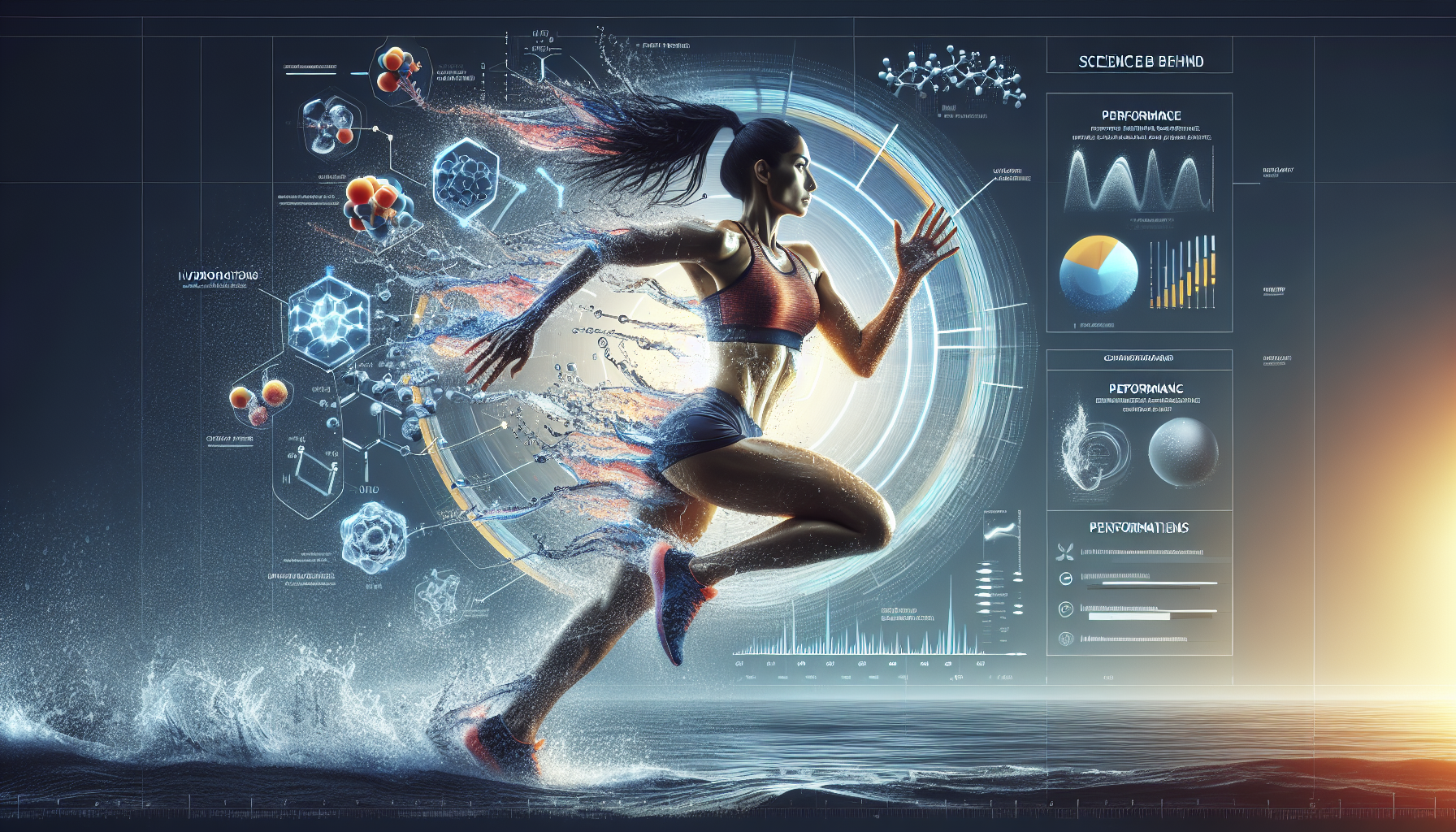
The relationship between hydration and physical performance is deeply rooted in our body’s complex physiological systems. Understanding this connection helps explain why something as simple as drinking water can make or break your workout.
Cardiovascular Function
When properly hydrated, your body maintains optimal blood volume, allowing your heart to pump efficiently. This directly impacts your:
- Maximal cardiac output – The total amount of blood your heart can pump per minute
- Oxygen delivery – Critical for aerobic performance and endurance
- VO2max – Your body’s maximum oxygen utilization capacity
Research shows that even mild dehydration can significantly reduce VO2max and maximal cardiac output, particularly in hot environments.
Thermoregulation
Your body’s cooling system relies heavily on adequate hydration. During exercise:
- Water enables sweat production for cooling
- Proper fluid levels maintain skin blood flow for heat dissipation
- Hydration supports stable core temperature maintenance
When dehydrated, this cooling mechanism becomes compromised, increasing core temperature and reducing heat dissipation – a dangerous combination, especially during intense exercise.
Muscle Function
Water plays a crucial role in:
- Transporting nutrients to working muscles
- Removing metabolic waste products
- Supporting cellular energy production
- Maintaining electrolyte balance for muscle contractions
When fluid balance is optimal, muscles function efficiently. When it’s not, performance suffers across strength, power, and endurance domains.
Dehydration: The Silent Performance Killer
Dehydration doesn’t announce itself with flashing warning lights. Instead, it quietly chips away at your performance capabilities before you fully realize what’s happening.
Performance Decrements by Dehydration Level
The extent of performance impairment correlates directly with your level of dehydration:
- 1% body weight loss: Thirst begins, slight performance decrements
- 2% body weight loss: Significant performance impairments begin – running times slow by 3-5%
- 3-5% body weight loss: Moderate to severe impairments in endurance (up to 25% reduction), strength (5.5% decrease), and power (5.8% reduction)
- 6-9% body weight loss: Severe performance deficits, heat cramps, heat exhaustion
- 10%+ body weight loss: Risk of heat stroke and medical emergency
The Compounding Effect of Heat
Dehydration’s effects worsen dramatically in hot environments. Studies demonstrate that dehydration-induced hyperthermia significantly reduces endurance capacity, with the same level of dehydration causing greater performance decrements in hot versus cool conditions.

At 4% dehydration, VO2max and work capacity can drop by 9-12%, with endurance time potentially falling from 121 to 55 minutes at 8% total body water loss. That’s more than a 50% reduction in performance!
Beyond Physical: Cognitive Impacts
Dehydration doesn’t just affect your muscles—it impairs your brain too. Research indicates that dehydration can:
- Slow reaction time
- Decrease concentration and focus
- Impair decision-making ability
- Negatively affect mood and motivation
- Increase perceived exertion (making exercise feel harder)
These cognitive effects can be especially detrimental in sports requiring quick decisions and strategic thinking.
Strategies for Optimal Hydration
Maintaining proper hydration isn’t just about drinking water whenever you feel thirsty. Strategic hydration requires planning and awareness.
Before Exercise
- Pre-hydrate deliberately: Consume 16-20 oz (500-600 ml) of fluid 2-3 hours before activity
- Consider sodium loading: Pre-exercise sodium intake can expand plasma volume more effectively than water alone
- Monitor urine color: Aim for pale yellow (like lemonade) rather than dark amber
During Exercise
The goal during activity is to prevent excessive dehydration (>2% body weight loss):

- Develop a personalized drinking schedule based on your sweat rate
- Choose appropriate fluids: For sessions under 60 minutes, water is typically sufficient; for longer durations, sodium-containing sports drinks can enhance fluid retention by 36% and improve performance
- Practical intake strategy: Aim for 7-10 oz (200-300 ml) every 10-20 minutes
After Exercise
Rehydration is crucial for recovery and preparation for your next training session:
- Measure weight loss: Replace 16-24 oz (475-700 ml) for every pound (0.5 kg) lost during exercise
- Include electrolytes: Sodium helps retain the fluid you consume
- Consume rehydration beverages gradually rather than all at once
Special Considerations
Different situations require adjusted hydration strategies:
- Hot environments: Increase fluid intake by 25-50% and prioritize electrolyte replacement to maintain thermoregulation
- Cold environments: Don’t be fooled—you still sweat and need adequate hydration
- High altitude: Increased respiratory water loss requires additional fluid intake
- Warning about overhydration: Excessive water intake without electrolytes can cause hyponatremia (low blood sodium), which can be dangerous
Conclusion – Hydration: Your Performance Ally
The evidence is clear: hydration status profoundly impacts physical performance across all types of activities. From maintaining cardiovascular function to supporting thermoregulation and preserving muscle strength, proper fluid balance is a cornerstone of athletic success.
By understanding the science behind hydration and implementing strategic fluid consumption before, during, and after exercise, you can prevent the significant performance decrements that come with even mild dehydration. Remember that thirst is a late indicator of dehydration—by the time you feel thirsty, performance may already be compromised.
Make hydration a conscious priority in your training routine, and your body will reward you with enhanced endurance, better strength, improved cognitive function, and faster recovery. In the quest for peak performance, proper hydration may just be the simplest yet most powerful tool in your athletic arsenal.