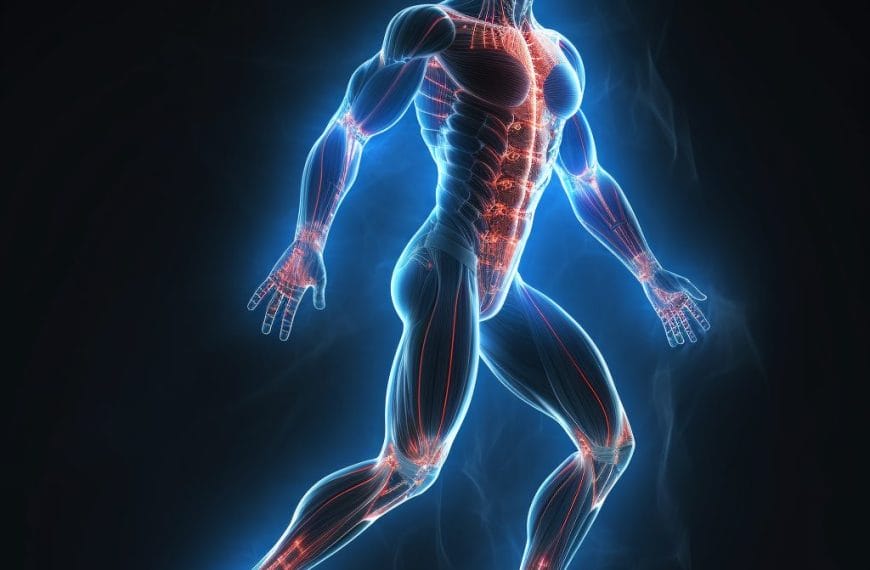


Quick Answer: Caffeine works by blocking sleep-inducing adenosine receptors in your brain while triggering the release of stimulating hormones, resulting in increased alertness and energy. This popular stimulant affects multiple body systems—from your brain and heart to your digestive tract—with effects beginning within minutes of consumption and potentially lasting for several hours.
The Immediate Jolt: Caffeine’s Short-Term Effects
That first sip of morning coffee or that mid-afternoon energy drink delivers more than just a tasty pick-me-up! Within minutes, caffeine begins its energizing magic throughout your body:
- Brain boost: Enhanced alertness, improved concentration, and sharper memory kick in as caffeine blocks sleep signals
- Physical activation: Increased heart rate, deeper breathing, and a mild energy surge prepare your body for action
- Digestive changes: Accelerated metabolism and increased gastric secretions may trigger that familiar “gotta go” bathroom urge
These effects typically begin within 5-30 minutes after consumption and can last up to 12 hours in some people! That’s why that late-afternoon espresso might still be keeping you awake at midnight.
Interestingly, your personal caffeine experience depends greatly on your unique body chemistry. While your coworker might barely notice two strong coffees, you might feel jittery after just one cup. This variation stems from differences in metabolism and genetic factors affecting your adenosine receptors.
The Science of Stimulation: How Caffeine Works
What’s happening inside your body when caffeine enters the scene? Let’s break down this fascinating chemical interaction:
The Adenosine Blockade
Throughout your day, a molecule called adenosine naturally builds up in your brain, gradually making you feel tired. Caffeine is structurally similar to adenosine, allowing it to fit perfectly into adenosine receptors without activating them—essentially working as an impostor that blocks adenosine’s sleep-inducing effects. Think of it as putting the wrong key in a lock—it fits but doesn’t turn, and prevents the right key from working.
The Hormone Cascade
With adenosine blocked, your brain increases production of stimulating neurotransmitters:
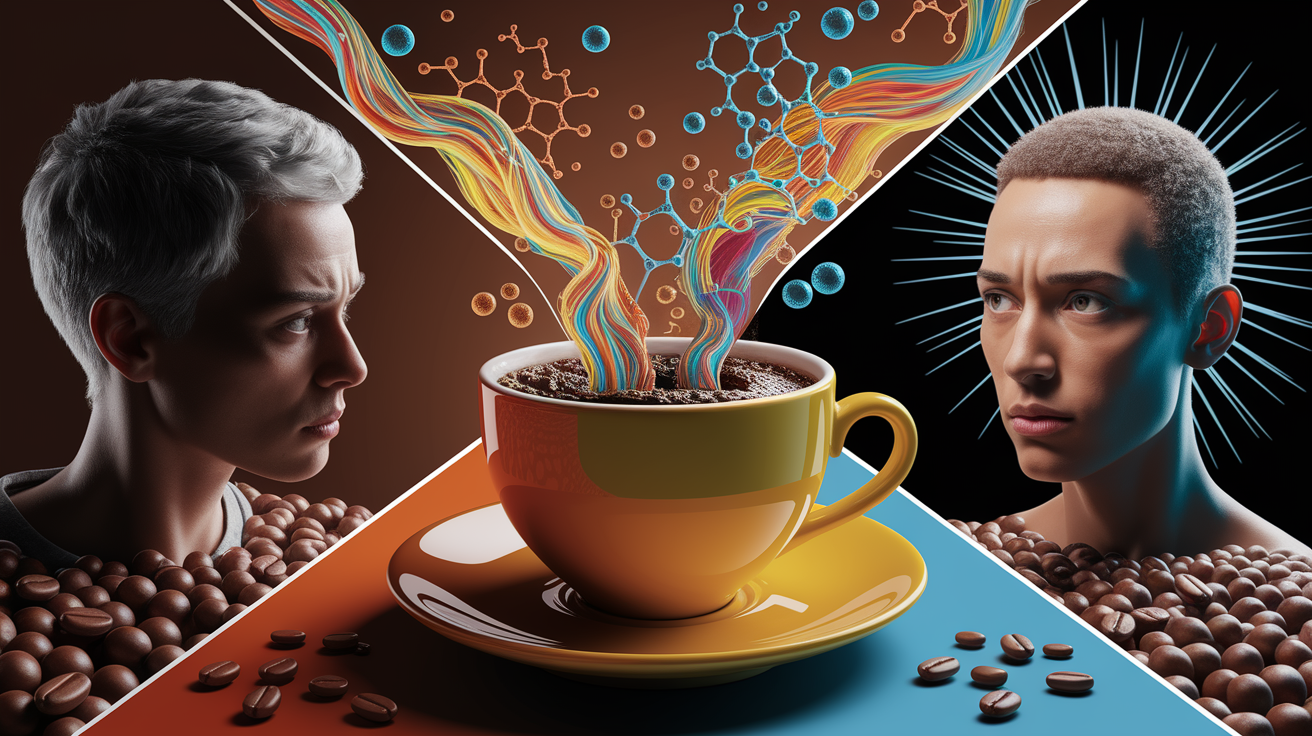
- Dopamine: Creates feelings of pleasure and satisfaction
- Adrenaline: Triggers your “fight or flight” response, increasing alertness
But that’s not all! Caffeine also mobilizes calcium inside your cells and inhibits enzymes called phosphodiesterases, which increases levels of important signaling molecules (cAMP and cGMP). These changes enhance your heart’s performance and further boost your alertness.
The Vascular Connection
Caffeine also stimulates nitric oxide synthesis, affecting blood vessel dilation. This is why caffeine sometimes helps with headaches—it can adjust blood flow in your brain.
Long-Term Love or Trouble? Caffeine’s Prolonged Impact
That daily caffeine habit isn’t just about the immediate boost—it’s creating lasting changes in your body systems:
Tolerance: When the Magic Fades
With regular consumption, your body adapts by producing more adenosine receptors. The result? You need more caffeine to get the same energizing effects. This is why longtime coffee drinkers often need multiple cups to feel what beginners feel from just one.
Withdrawal: The Flip Side of Pleasure
Missing your regular caffeine fix can trigger unpleasant symptoms within 12-24 hours:
- Pounding headaches
- Irritability and depressed mood
- Extreme fatigue
- Difficulty concentrating
These symptoms typically peak around 24-48 hours and may last up to a week, showing how significantly caffeine affects your brain chemistry.
Physical Changes Over Time
Long-term caffeine use can impact multiple body systems:
- Digestive system: Increased risk of acid reflux, heartburn, and potentially ulcers due to stimulation of gastric acid secretion
- Skeletal system: Potential bone density reduction over time, as caffeine may interfere with calcium absorption
- Immune system: Altered inflammatory responses through inhibition of pro-inflammatory molecules like TNF-α
- Metabolic system: Changes to circadian rhythms and metabolism that can affect weight management and energy balance
The Balancing Act: Caffeine and Your Health
Is caffeine friend or foe? The answer is nuanced and depends on your individual health status, consumption patterns, and specific concerns.

Potential Benefits
- Cognitive enhancement: Improved concentration, alertness, and memory, particularly helpful during demanding mental tasks
- Physical performance: Enhanced endurance and reduced perception of effort during exercise
- Possible protective effects: Some research suggests potential reduced risk for certain neurodegenerative conditions due to caffeine’s effects on brain chemistry
- Mood elevation: Mild antidepressant effects through dopamine stimulation
Potential Concerns
- Cardiovascular effects: Temporary increases in blood pressure and heart rate, with possible palpitations in sensitive individuals
- Sleep disruption: Reduced sleep quality and insomnia, particularly with afternoon or evening consumption
- Anxiety amplification: Worsened anxiety symptoms in those with anxiety disorders
- Medication interactions: Potential interference with certain medications or treatments
Finding Your Sweet Spot
Most health experts suggest that up to 400mg of caffeine daily (about 4 average cups of coffee) is generally safe for most healthy adults. However, pregnant women, those with certain heart conditions, anxiety disorders, or sleep problems may need to consume significantly less or avoid it entirely.
Pay attention to your body’s signals—if you notice jitters, racing heart, sleep problems, or anxiety after caffeine consumption, it may be time to cut back. Individual sensitivity varies dramatically, so what works for others may not work for you.
The Final Sip: Weighing the Pros and Cons
Caffeine is neither miracle drug nor dangerous toxin—it’s a compound with complex effects that vary from person to person. The key is mindful consumption:
- Be aware of your total daily intake from all sources (coffee, tea, chocolate, medications, energy drinks)
- Time your consumption earlier in the day to minimize sleep disruption
- Stay hydrated, as caffeine has mild diuretic effects
- Listen to your body’s signals and adjust accordingly
- Consider occasional “caffeine holidays” to reset tolerance
Whether you’re enjoying your morning coffee ritual or reaching for an afternoon tea pick-me-up, understanding how caffeine works in your body allows you to harness its benefits while minimizing potential downsides. Like many things in nutrition and health, moderation and self-awareness are your best guides to a healthy relationship with this fascinating stimulant.