

Quick Answer: Trillions of bacteria in your gut, primarily in the large intestine, help break down food components your body can’t digest on its own. These microscopic helpers transform indigestible fiber into beneficial compounds like short-chain fatty acids, produce essential vitamins, and support your immune system.
The Microbial Powerhouse in Your Gut
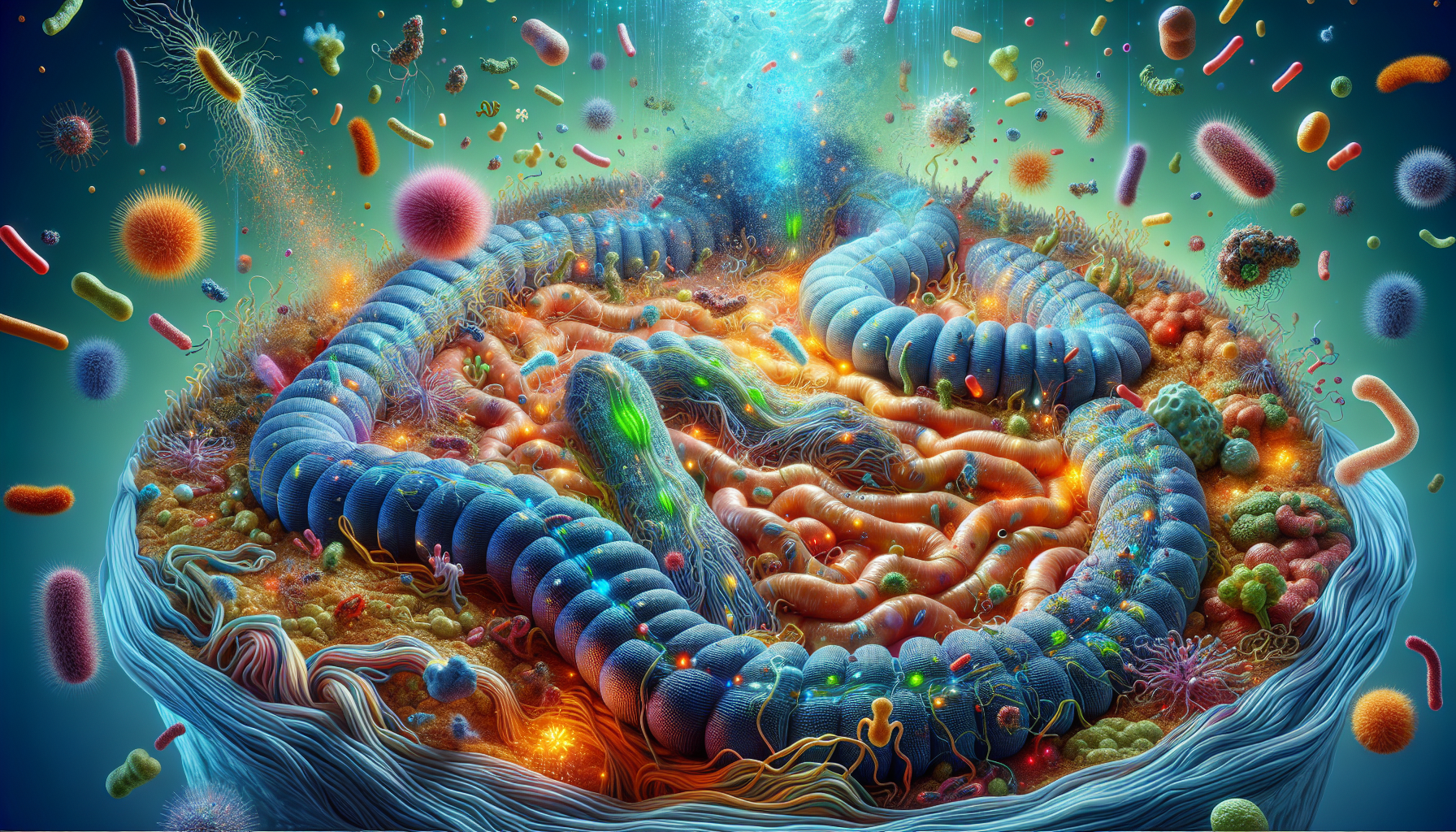
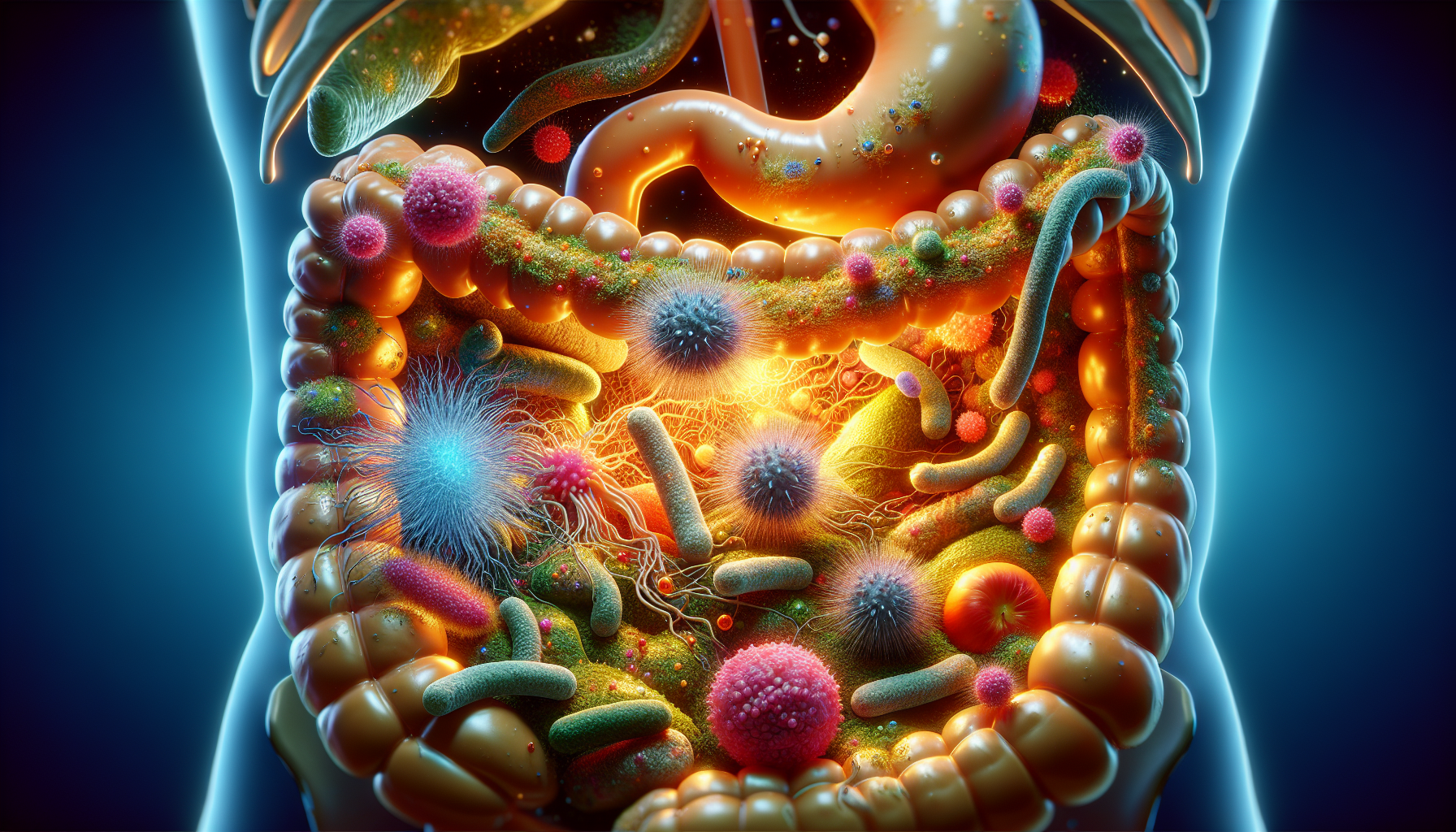
Right this moment, a bustling community of microscopic helpers is hard at work inside your digestive system! Your gut microbiome consists of over 100 trillion microbes from more than 1,000 different species, primarily residing in your large intestine or colon. That’s more bacterial cells than human cells in your entire body!
These bacterial communities form a complex ecosystem influenced by your diet, age, and overall health. While your stomach and small intestine handle most of the initial food breakdown and nutrient absorption, the large intestine is where your microbial allies truly shine.
The main bacterial groups in your gut include:
- Firmicutes: Help extract energy from food and produce beneficial fatty acids
- Bacteroidetes: Specialists in breaking down complex plant materials
- Actinobacteria: Support immune function and help maintain gut barrier integrity
- Proteobacteria: Diverse group including both beneficial and potentially harmful species
These microbes thrive in the oxygen-free environment of your colon, processing the leftovers that your own digestive enzymes couldn’t handle. Think of them as nature’s recycling experts, extracting additional nutritional value from what would otherwise be waste!
Breaking Down the Indigestible
Have you ever wondered how fiber benefits your health when your body can’t actually digest it? This is where your bacterial allies come to the rescue! Through fermentation, gut bacteria break down indigestible polysaccharides like cellulose (plant fiber) that human enzymes simply can’t process.
The bacterial digestion process works through several fascinating mechanisms:
- Specialized enzymes: Bacteria produce enzymes like cellulases and xylanases that humans lack, allowing them to dismantle complex plant fibers
- Anaerobic fermentation: In the oxygen-free environment of the colon, bacteria ferment these materials into usable compounds
- Chain reaction processing: Different bacterial species work together in a coordinated effort – what one species partially breaks down becomes food for another
This bacterial activity also generates gases like hydrogen, methane, and carbon dioxide – the source of flatulence, which is actually a sign your gut bacteria are busily working! The process also aids in water reabsorption and forms feces from undigested matter, giving stool its characteristic properties.
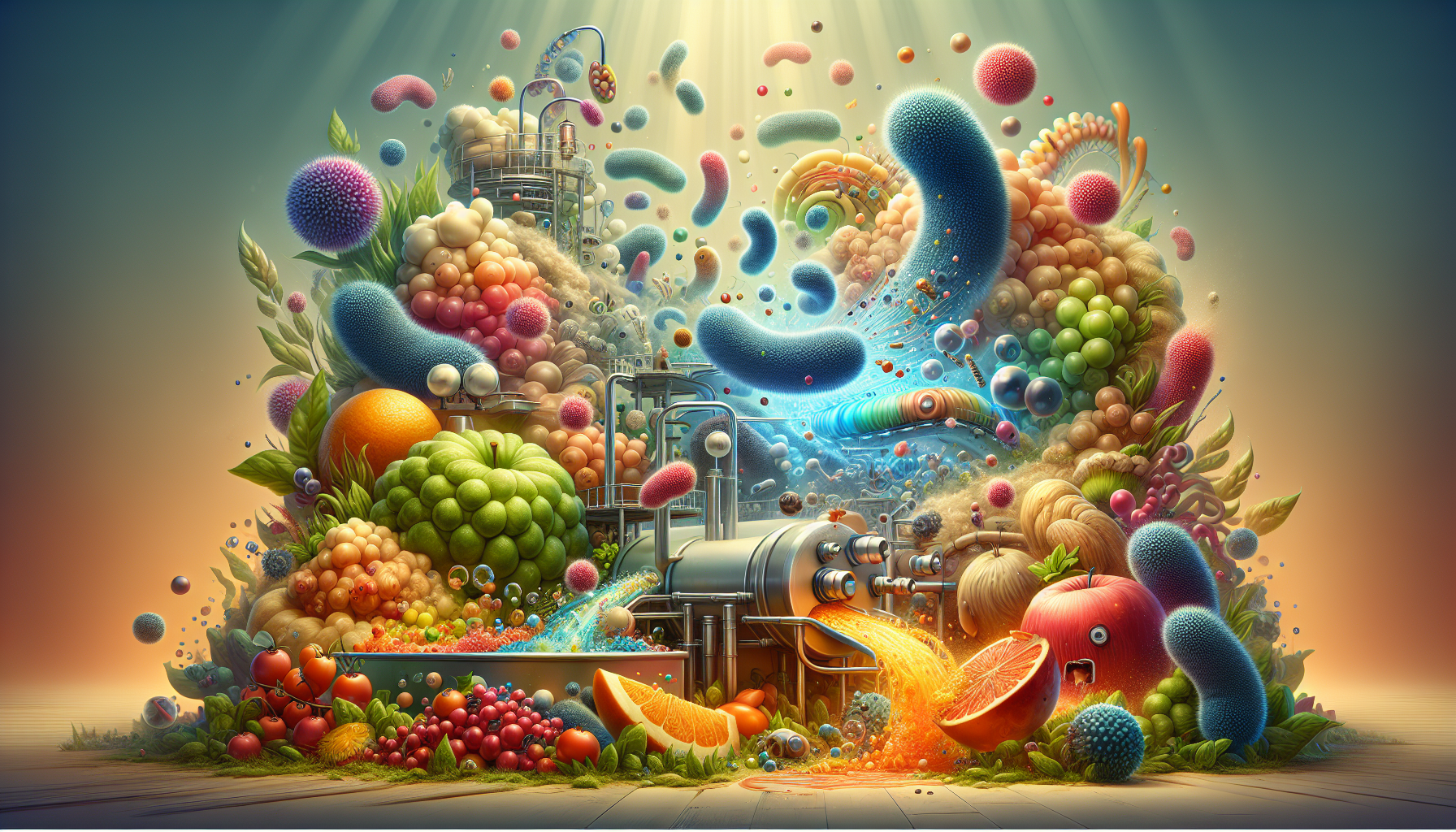
What’s remarkable is how these bacteria transform what would be waste material into valuable nutrients. It’s like having tiny biochemical factories working around the clock to maximize the nutritional value from everything you eat!
The Benefits of Bacterial Byproducts
The most important products of bacterial fermentation are short-chain fatty acids (SCFAs) – primarily acetate, propionate, and butyrate. These compounds provide numerous health benefits:
- Energy source: SCFAs provide up to 10% of your daily caloric needs and are the preferred energy source for cells lining your colon
- Inflammation reduction: They help regulate and reduce inflammation throughout the body
- Metabolic regulation: SCFAs help control blood sugar levels and can lower cholesterol
- Gut barrier maintenance: They strengthen the intestinal lining, preventing leaky gut issues
Your gut bacteria don’t stop there! They also produce essential vitamins that your body can’t make on its own, including:
- Vitamin K – crucial for blood clotting
- B vitamins – including biotin, folate, and B12, essential for energy production and nervous system health
Perhaps most impressively, your gut microbiome acts as a training ground for your immune system. About 70-80% of your immune cells reside in your gut! Beneficial bacteria help identify and neutralize harmful pathogens while maintaining a peaceful relationship with your body – a delicate balance that protects you from both infection and autoimmune issues.
Research from Harvard Medical School even suggests these bacterial byproducts influence brain function and mood through the gut-brain connection, potentially affecting everything from stress response to cognitive function!
Supporting Your Microbial Allies
Your diet profoundly shapes your microbiota composition. The bacteria in your gut literally are what you eat! Here’s how to keep them happy and productive:
Feed Them Well
Certain foods act as fertilizer for beneficial bacteria:
- Fiber-rich foods: Fruits, vegetables, whole grains, and legumes provide the complex carbohydrates that beneficial bacteria thrive on
- Prebiotic foods: Onions, garlic, bananas, and asparagus contain specific fibers that preferentially feed beneficial bacteria
- Fermented foods: Yogurt, kefir, sauerkraut, and kimchi contain living beneficial bacteria that can enhance your existing communities
Dietary fiber is particularly important as it not only nourishes beneficial bacteria but also helps maintain regular bowel movements, which is essential for digestive health.
Protect Your Microbial Garden
Several factors can disrupt your gut microbiome balance:
- Antibiotics: While sometimes necessary, they can eliminate beneficial bacteria alongside harmful ones
- Chronic stress: Alters gut environment and bacterial composition
- Insufficient sleep: Disrupts normal microbial rhythms
- Highly processed foods: Often lack the fiber beneficial bacteria need while containing additives that may harm them
When your gut bacterial balance is disturbed (a condition called dysbiosis), it can lead to digestive issues like irritable bowel syndrome (IBS) and potentially contribute to broader health problems.
Probiotics and prebiotics can help restore healthy bacterial populations after disruptions. Probiotics are live beneficial bacteria found in supplements or fermented foods, while prebiotics are specialized plant fibers that feed these good bacteria.
Conclusion: Embracing Your Gut’s Microbial Community
The trillions of bacteria in your digestive system are far from unwelcome guests – they’re essential partners in your health journey! From breaking down indigestible fiber to producing vital nutrients and supporting your immune system, these microscopic allies perform countless functions that your body cannot handle alone.
By nourishing your gut bacteria with fiber-rich foods, minimizing factors that disrupt their balance, and appreciating their role in your overall wellbeing, you can foster a thriving internal ecosystem that supports digestion and whole-body health.
Next time you enjoy a fiber-rich meal, take a moment to appreciate the incredible bacterial community working diligently inside you, transforming that indigestible material into compounds that help you thrive. Your digestive system isn’t just you – it’s a remarkable collaboration between your body and trillions of tiny helpers!