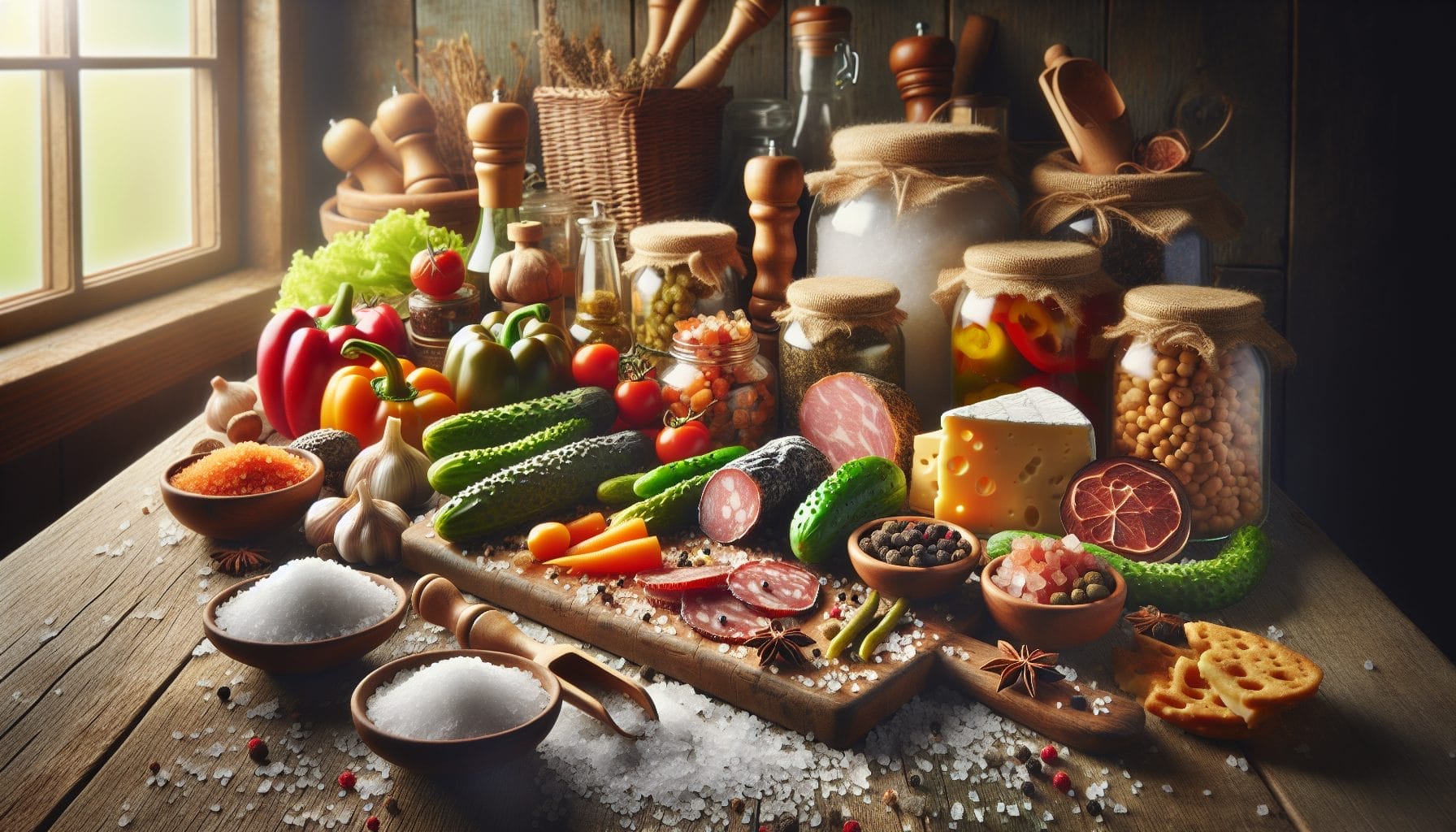


Quick Answer: Mold appears on food when microscopic fungal spores land on suitable surfaces and find ideal conditions of moisture, warmth, nutrients, and oxygen to grow. These fuzzy invaders thrive particularly on high-moisture foods like bread, fruits, and cheese, spreading their thread-like structures deep into your food even when only visible on the surface.
The Mold Mystery Unveiled
Have you ever reached for that loaf of bread only to discover fuzzy green spots dotting the surface? That’s mold in action! But what exactly are these unwelcome food decorators?
Molds are multicellular fungi that create fascinating microscopic structures. They form thread-like filaments called hyphae that weave together to create what scientists call a mycelium network—that visible fuzzy patch you see on spoiled food. But there’s more happening than meets the eye!
When we spot mold on food, we’re actually seeing just part of the story. According to food safety experts at UC Davis, molds develop root-like structures called rhizoids that penetrate deep into your food. So even if you see just a small spot on the surface, those fungal threads have likely spread throughout.

How do these fungi find their way to your sandwich in the first place? The answer lies in their remarkable reproduction system:
- Molds release countless microscopic spores into the air
- These spores float around, landing on various surfaces
- When they encounter suitable conditions on food, they germinate
- The spores activate and begin forming those thread-like hyphae
- A visible mold colony develops, often appearing as white, green, black, or blue patches
As Aqualab research explains, mold reproduction through airborne spores means these fungi can begin their lifecycle during food production, harvesting, or storage—whenever their spores encounter the right environment.
Conditions That Favor Mold Growth
What makes your refrigerator’s forgotten corner or bread box the perfect mold playground? Certain environmental factors create ideal conditions for these fungi to thrive.
The Perfect Storm for Mold Development
According to the National Institute of Environmental Health Sciences, mold flourishes in environments with these key elements:
- Moisture: Perhaps the most critical factor—molds love dampness
- Warmth: Temperatures between refrigerator cool and room temperature (typically 60-80°F)
- Oxygen: Molds need air to grow, unlike some other microorganisms
- Food source: Organic matter provides the nutrients molds need
- Time: Given ideal conditions, mold can develop in as little as 24-48 hours
The concept of “water activity” is particularly important. As WebMD notes, foods with high water content—like fresh fruits, bread, and jams—create particularly hospitable environments for mold growth.

Humidity plays a significant role too. The World Health Organization highlights how warm, humid conditions dramatically increase the risk of mold formation on food products, especially cereal grains and other staples.
Even properly packaged foods aren’t immune. According to Ohio State University research, issues like poor vacuum seals, weak container closures, and oxygen-rich environments inside packages can all contribute to mold development in processed foods.
Foods Prone to Mold
While virtually any food can develop mold under the right conditions, some are particularly susceptible due to their composition and structure.
High-Risk Food Categories
Based on information from UC Davis Food Safety, these foods are most likely to become moldy:
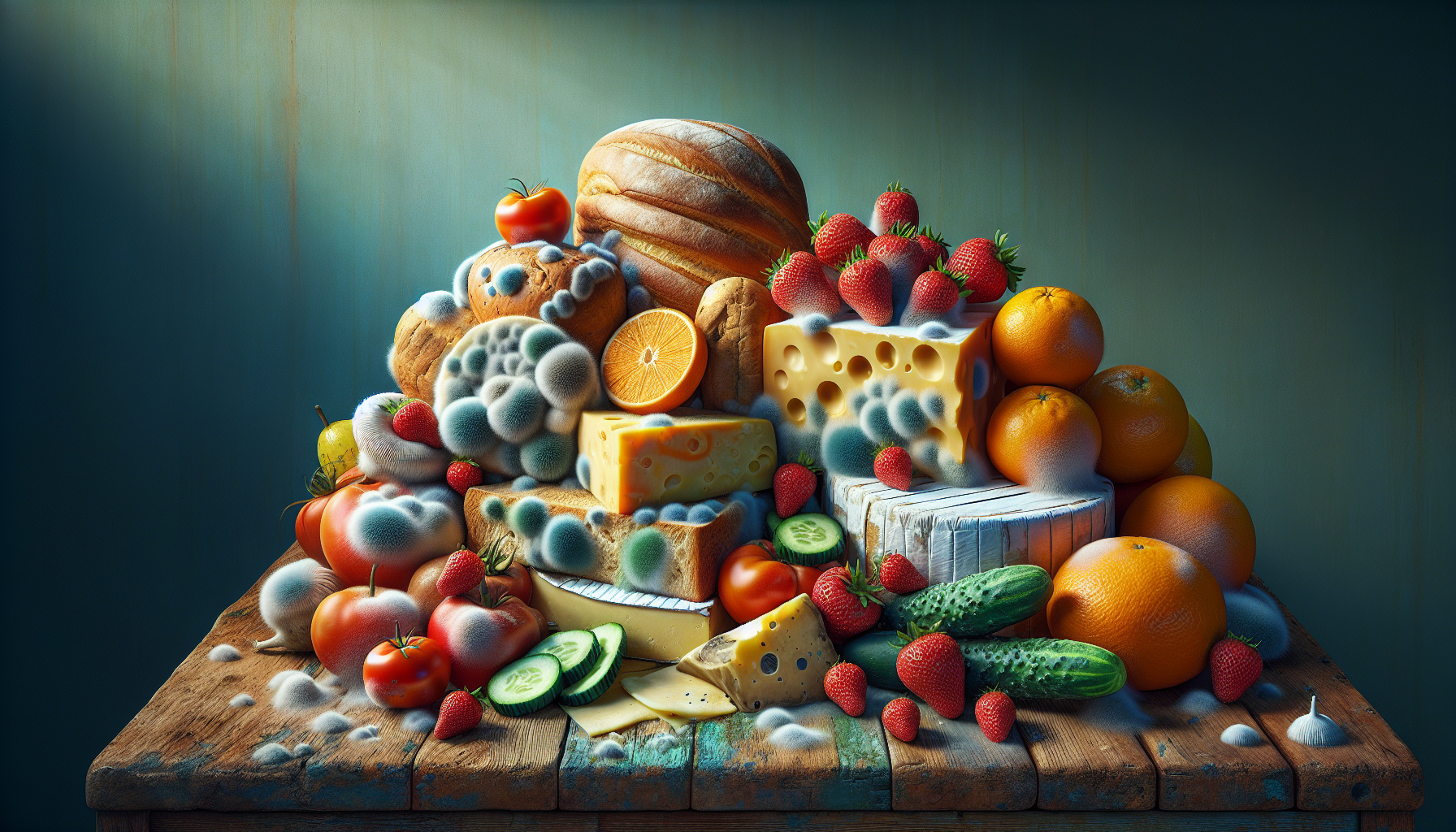
- Soft fruits and vegetables: Berries, peaches, tomatoes, cucumbers
- Bread and baked goods: Especially in warm, humid environments
- Jams and preserves: Once opened, the high moisture and sugar content becomes vulnerable
- Soft cheeses: Cottage cheese, cream cheese, ricotta
- Leftovers: Particularly when stored improperly or for too long
- Nuts and grains: When exposed to moisture
Even refrigerated foods aren’t completely safe. WebMD explains that some mold strains are heat-resistant and can grow at lower temperatures, though more slowly than at room temperature.
Interestingly, fermented foods like sauerkraut present a special case. Ohio State University researchers point out that surface mold often forms in these products in high-oxygen areas—like when portions aren’t properly submerged in their liquid.
Processed snack foods might seem less vulnerable, but industry data shows they’re frequently subject to recalls due to mold contamination, particularly when manufacturing defects allow moisture penetration.
The Dangers of Mold
When it comes to moldy food, not all fuzzy spots are created equal. Some molds are relatively harmless, while others pose significant health risks.
Understanding Mycotoxins
The greatest concern with food mold is mycotoxins—naturally occurring toxic compounds produced by certain mold species. According to the World Health Organization, these substances can cause both acute toxicity and long-term health effects.
Common mycotoxins include:
- Aflatoxins: Found primarily in grains and nuts, these are among the most carcinogenic substances known
- Ochratoxin A: Common in cereals and dried fruits
- Fumonisins: Frequently contaminate corn and corn products
What makes mycotoxins particularly concerning is their stability. Agricultural research shows these compounds often persist through processing and cooking, making contaminated foods risky even after heating.

When Is Moldy Food Unsafe?
The safety of moldy food depends largely on the food type and mold presence:
- Hard cheeses, hard salami: WebMD advises you can cut away the moldy part (with a 1-inch margin) and safely eat the rest
- Soft foods (fruits, bread, soft cheese): Should be discarded entirely as mold has likely penetrated throughout
- Intentionally moldy foods: Blue cheese, Gorgonzola, Brie, and similar cheeses contain safe, controlled mold cultures
Important to note: visible mold often indicates the presence of invisible bacteria, which can present additional health hazards. UC Davis research emphasizes that molds can produce mycotoxins both within and around the visible growth, making it risky to simply remove the moldy portion of many foods.
People with compromised immune systems, young children, and the elderly face higher risks from consuming moldy food and should be particularly cautious.
Preventing Mold on Food
Fortunately, there are many effective strategies to keep your food mold-free longer. With proper storage and handling, you can significantly reduce food spoilage and waste.
Storage Solutions
Food safety experts recommend these storage practices:
- Store food in clean, airtight containers to limit humidity and oxygen exposure
- Keep refrigerated items at or below 40°F (4°C)
- Consume perishable foods quickly, especially once opened
- Position items in the refrigerator to allow air circulation
- Regularly clean your refrigerator with baking soda or vinegar solution to reduce spore presence
Food Handling Best Practices
How you handle food can significantly impact mold development:
- Inspect produce before purchasing for signs of damage or decay
- Keep dishcloths, towels, and sponges clean and dry
- Don’t leave perishable items out for more than two hours
- For fermented foods like sauerkraut, ensure proper submersion in brine to prevent surface mold
- Consider using paper towels to wrap delicate produce like berries—they absorb excess moisture
Some food manufacturers use preservatives like sorbic acid or propionic acid to extend shelf life. WebMD notes these substances can be effective at inhibiting mold growth in commercial products.
Regular inspection is crucial—discard foods showing any signs of fuzzy growth, discoloration, or unusual odors. Remember that mold can grow even in refrigerated environments, just more slowly.
Conclusion: Keeping Mold at Bay
Understanding what causes mold to form on food empowers us to take effective preventive measures. By controlling moisture, temperature, and oxygen exposure, we can significantly extend the shelf life of our foods and reduce waste.
Remember that mold spores are everywhere in our environment—the key is denying them the conditions they need to flourish on our food. With proper storage, regular kitchen cleaning, prompt consumption of perishables, and careful inspection, you can keep those fuzzy invaders at bay.
Next time you spot that telltale fuzz on your bread or berries, you’ll know exactly what’s happening—and more importantly, how to prevent it from happening again!