


Quick Answer: Nut allergies occur when a person’s immune system incorrectly identifies certain nut proteins as harmful invaders, triggering a defensive reaction that can range from mild symptoms to life-threatening responses. This misidentification stems from a complex interplay of genetic factors and environmental influences that program the immune system to overreact to otherwise harmless food proteins.
The Immune System’s Mistaken Identity
Imagine your immune system as a highly trained security team, constantly on patrol to protect your body from genuine threats like viruses and bacteria. For most people, this security team correctly identifies friend from foe. But for those with nut allergies, something goes awry in this recognition process.
When someone with a nut allergy consumes or comes into contact with nuts, their immune system sounds a false alarm, treating innocent nut proteins as dangerous invaders. This triggers a cascade of defensive reactions:
- The immune system produces immunoglobulin E (IgE) antibodies specifically programmed to recognize nut proteins
- These IgE antibodies attach to specialized immune cells called mast cells and basophils
- When exposed to nuts again, the proteins bind to these IgE antibodies
- This binding signals the mast cells and basophils to release histamine and other inflammatory chemicals
According to Medical Alert Foundation, this release of histamine and other inflammatory substances is what causes the symptoms of an allergic reaction. It’s essentially your body’s defense system launching a counterattack against a perceived threat—even though the nut proteins are completely harmless to non-allergic individuals.
What makes this particularly fascinating is that your immune system must first be “sensitized” to the allergen. The first exposure typically doesn’t cause symptoms, but it primes the immune system to react during subsequent exposures—even to tiny amounts of the allergen.
The Culprits: Common Nut Allergens
Not all nuts are equally likely to trigger allergic reactions. In the United States, certain tree nuts appear more frequently in allergy cases than others. According to research compiled by the Medical Alert Foundation, the most common tree nuts causing allergies include:

- Walnuts (the leading cause of tree nut allergies)
- Almonds
- Hazelnuts
- Pecans
- Cashews
- Pistachios
It’s important to note that peanuts, despite often being grouped with tree nuts in discussions about allergies, are technically legumes—more closely related to beans and peas than to tree nuts. However, as UF Health explains, many people who are allergic to peanuts are also allergic to one or more tree nuts.
What makes these nuts allergenic are specific proteins they contain. Tree nut allergies involve proteins like vicilins, legumins, albumins, and profilins, while peanut allergies feature dominant allergens called Ara h 1, Ara h 2, and Ara h 3, as identified by the American Academy of Allergy, Asthma & Immunology. These proteins have structural characteristics that allow them to trigger the immune response in susceptible individuals.
Genetic and Environmental Influences
Why do some people develop nut allergies while others can enjoy peanut butter sandwiches without concern? The answer lies in a complex interplay of genetic and environmental factors.
Genetic Predisposition
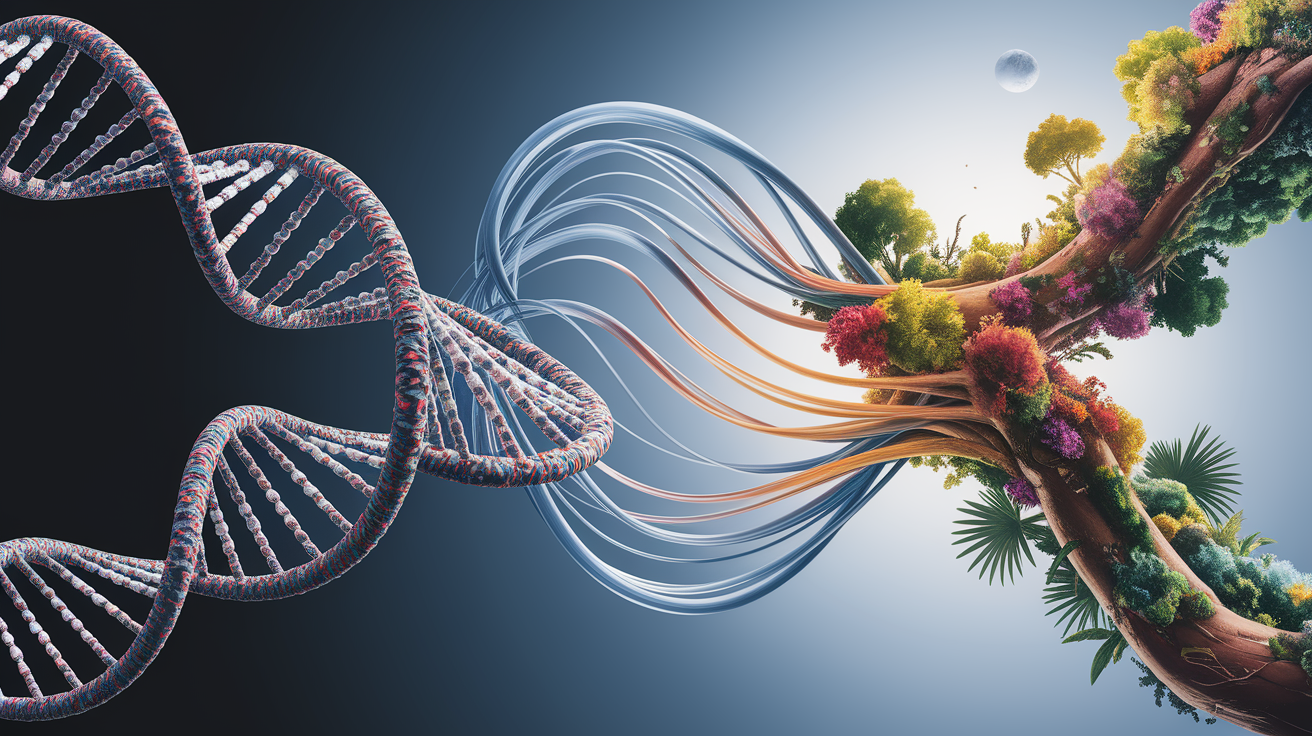
Research suggests that nut allergies have a strong hereditary component. If your parents or siblings have food allergies, your risk increases significantly. According to Brigham and Women’s Hospital, family history plays an important role in allergy susceptibility.
Scientists have identified connections to specific genetic regions, particularly the HLA-DR and HLA-DQ gene regions, which are involved in immune system regulation. These genetic factors don’t guarantee you’ll develop an allergy, but they can load the dice in favor of allergic sensitivity.
Environmental Factors
Several environmental influences may contribute to nut allergy development:
- The Hygiene Hypothesis: Research suggests that our increasingly sanitized environments may be partly to blame. Limited exposure to microbes during early childhood might prevent the immune system from developing proper regulation, leading it to overreact to harmless substances like food proteins.
- Vitamin D Deficiency: Lower vitamin D levels may impair immune system regulation, potentially increasing allergy risk.
- The Dual-Allergen Hypothesis: According to research cited by Pfizer, early skin exposure to nut proteins (through creams or oils containing nut ingredients) without corresponding oral introduction might increase sensitization risk. This may explain why early controlled oral exposure to peanuts is now recommended for high-risk infants.
- Breast Milk Transmission: Nut proteins can pass through breast milk, potentially affecting infants already predisposed to allergies.
These factors create a perfect storm in some individuals, programming their immune systems to react adversely to specific nut proteins.
Cross-Reactivity and Its Consequences
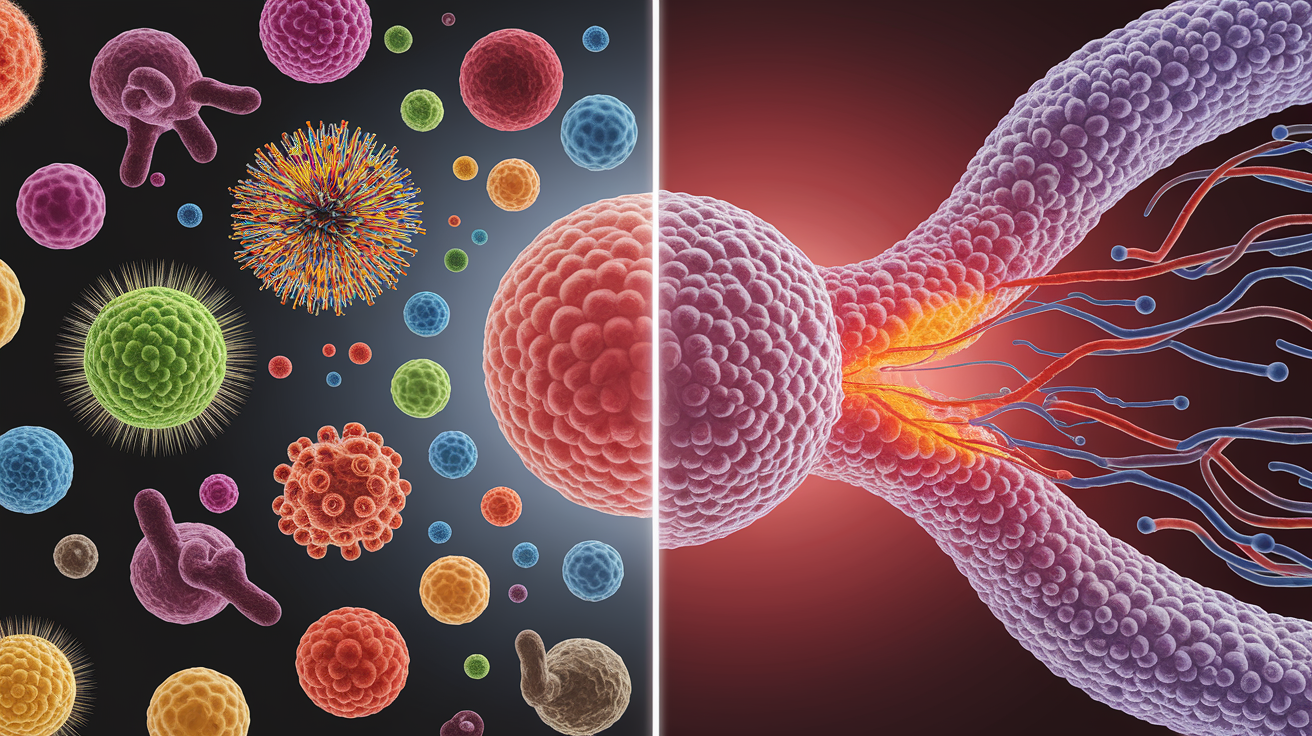
If you’re allergic to one type of nut, should you avoid all nuts? This question brings us to the concept of cross-reactivity—a fascinating phenomenon where the immune system mistakes proteins in different foods as being the same due to similar structures.
According to research from the Food Allergy Research and Resource Program, cross-reactivity is particularly common among different types of nuts. For example, cashews and pistachios share similar protein structures, making it common for someone allergic to one to react to the other.
Similarly, about 30% of people with peanut allergies also react to tree nuts. This occurs because the immune system processes certain proteins in these different foods in similar ways, as explained by Medical Alert Foundation.
The practical consequence? Many people with nut allergies must avoid multiple types of nuts, not just the one they initially reacted to. This significantly impacts food choices and requires careful attention to ingredient labels and potential cross-contamination in food preparation.
Common Cross-Reactivity Patterns
- Cashews and pistachios
- Walnuts and pecans
- Hazelnuts and almonds
- Peanuts and various tree nuts
Understanding these patterns helps allergists provide guidance about which nuts might be safe to eat and which should be avoided based on a person’s specific allergy profile.
The Severity of Nut Allergies
While some food allergies might cause mild discomfort, nut allergies have earned a reputation for potentially severe, even fatal reactions. This isn’t just anecdotal—the statistics support this concern.
According to food allergy research, nuts account for approximately 31% of fatal food reactions in the United States, and they are responsible for all reported fatalities in individuals over the age of six. These sobering statistics explain why nut allergies are taken so seriously in schools, airlines, and other public spaces.
Symptoms of nut allergies typically develop within minutes to hours of exposure and can include:
- Skin reactions (hives, swelling, itching)
- Digestive problems (abdominal pain, nausea, vomiting)
- Respiratory symptoms (runny nose, wheezing, difficulty breathing)
- Cardiovascular symptoms (drop in blood pressure, dizziness, fainting)
- Anaphylaxis—a severe, potentially life-threatening reaction affecting multiple body systems
The prevalence of nut allergies, particularly peanut allergies, has been increasing in recent decades. Research cited by the Allergy & Asthma Clinic indicates that peanut allergies have tripled in recent years. The reasons behind this increase remain an active area of research, with theories including changes in food processing, delayed introduction of allergenic foods, and the hygiene hypothesis.
The Science Behind Peanut Allergens
Peanut allergies deserve special attention, as they’re among the most common and potentially severe food allergies. What makes peanuts particularly allergenic? The answer lies in the unique properties of peanut proteins.
According to the American Academy of Allergy, Asthma & Immunology, the dominant peanut allergens—Ara h 1, Ara h 2, and Ara h 3—have specific characteristics that make them particularly problematic:
- Digestion Resistance: Peanut proteins, particularly Ara h 2, resist breakdown during digestion. This allows more intact protein to reach the gut lining, where it can interact with immune cells.
- Advanced Glycation End-Products (AGEs): The roasting process creates compounds called AGEs that may enhance the allergenicity of peanut proteins.
- Glycosylation: The sugar molecules attached to peanut proteins (glycosylation) can stimulate dendritic cells toward an allergic response via lectin receptors.
These molecular characteristics help explain why peanut allergies often trigger stronger immune responses than many other food allergies. Research from Yale Medicine further suggests that the immune cells producing IgE antibodies against peanut allergens can persist for life, explaining why many people don’t outgrow peanut allergies.
Conclusion: Navigating Nut Allergies
Nut allergies represent a complex interaction between our immune systems and specific food proteins. While we can’t control our genetic predisposition, understanding the mechanisms behind these allergies helps us develop better management strategies and potential treatments.
For those with nut allergies, vigilance remains essential: reading food labels, carrying emergency medication like epinephrine, and wearing medical identification can be life-saving practices. Meanwhile, research continues to advance our understanding of food allergies and develop promising treatments like oral immunotherapy.
The good news? Our scientific understanding of nut allergies has never been greater, and researchers continue to uncover new insights that may eventually lead to more effective prevention strategies and treatments for those affected by these challenging food allergies.