

Quick Answer: Your body runs on a natural 24-hour schedule, known as circadian rhythms, guided by a central “master clock” in your brain. These rhythms keep your sleep, energy levels, hormones, and body temperature in sync with the day-night cycle, mainly through light cues and daily habits.
Wake Up Your Internal Timekeeper
Think of your body as having a finely tuned orchestra of biological processes. The conductor? Your internal body clock—more technically, circadian rhythms. These rhythms influence when you feel alert, sleepy, hungry, or energetic, and they do it on a predictable daily schedule.
The word “circadian” means “about a day,” and these rhythms control important biological functions like your sleep-wake cycle, hormone release, metabolism, and temperature changes.
The Brain’s Master Clock: The SCN
At the center of circadian control is the suprachiasmatic nucleus (SCN), a tiny cluster of nerve cells in the hypothalamus. This SCN acts like a master timekeeper, keeping other parts of your body on schedule.
- It receives direct signals about light from your eyes through specialized cells.
- Light tells the SCN whether it’s day or night—like a wristwatch that resets when it sees the sunrise.
- The SCN controls the pineal gland, which releases melatonin when it’s dark to help you sleep.
Bodywide Timekeepers: Peripheral Clocks
The SCN isn’t working alone—every organ has its own “local clock.” These are called peripheral clocks and they keep tissue-specific processes on time. Your liver, muscles, and even your skin have their own schedules coordinated by the SCN.
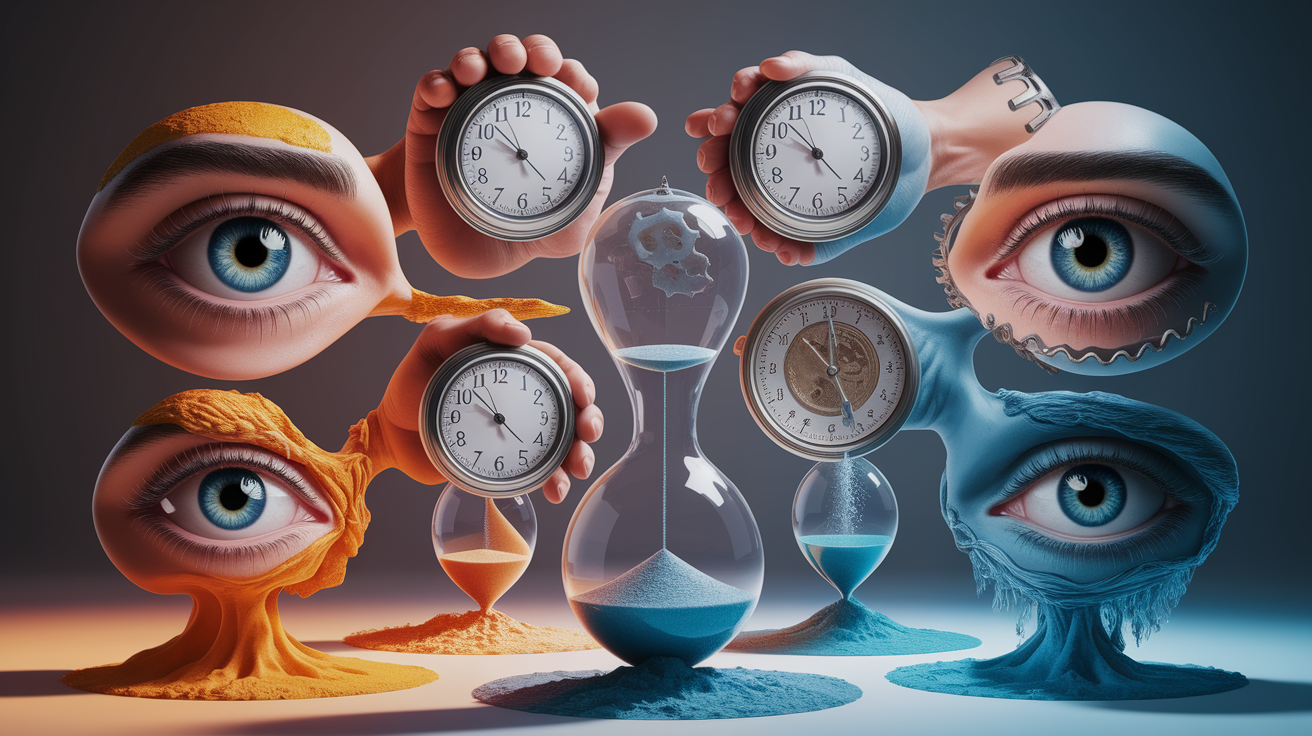
- Liver clock: governs metabolism and detoxification timing.
- Muscle clocks: regulate repair and performance cycles.
- Immune clocks: optimize defense and healing during specific times of day.
The Molecular Ticker: Clock Genes at Work
Inside nearly every cell are molecular gears made of clock genes. These genes create proteins that rise and fall in a predictable loop lasting about 24 hours.
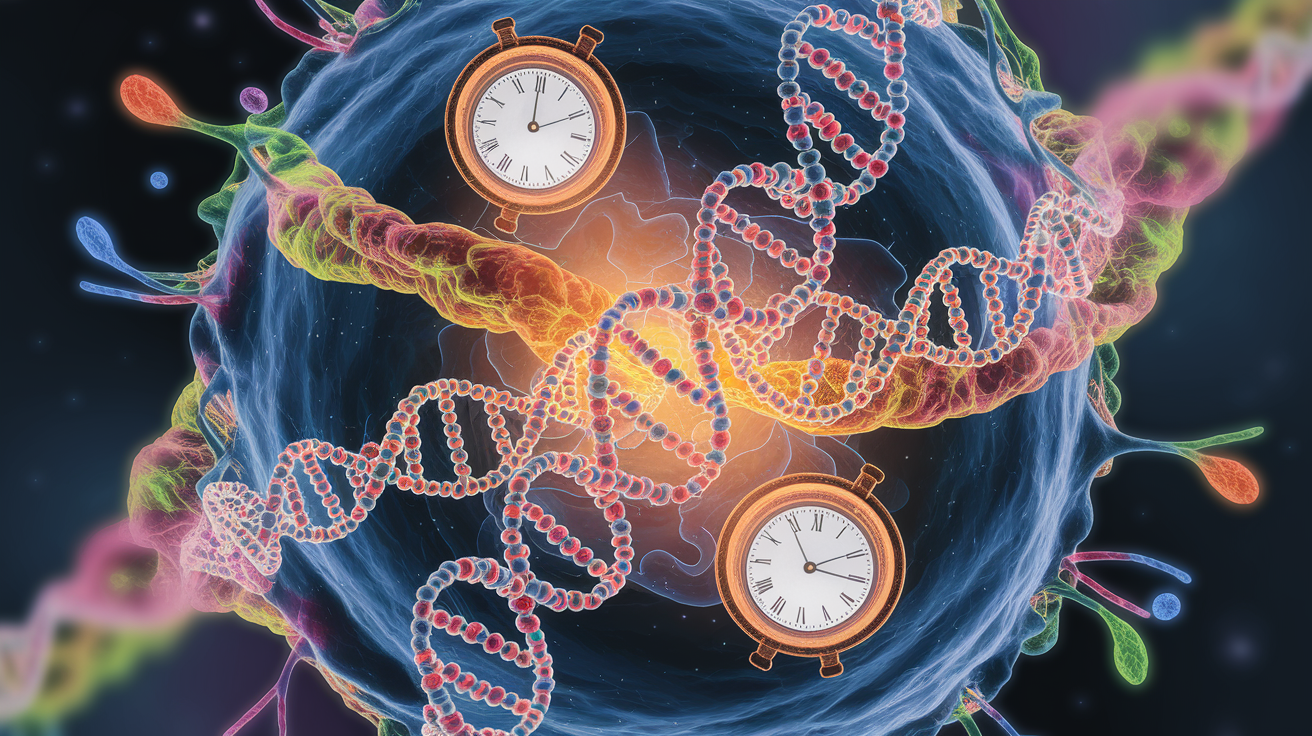
- During the day, certain proteins (like PER) are made but quickly broken down.
- At night, other proteins (like TIM) protect them, allowing them to accumulate.
- This protein dance resets itself every morning, acting like a biological stopwatch.
Tuning Your Clock: Light, Exercise, and Temperature
External cues—called zeitgebers—adjust your rhythms to match your environment. Light is the primary signal, but exercise, food timing, and even temperature changes help fine-tune your clock.
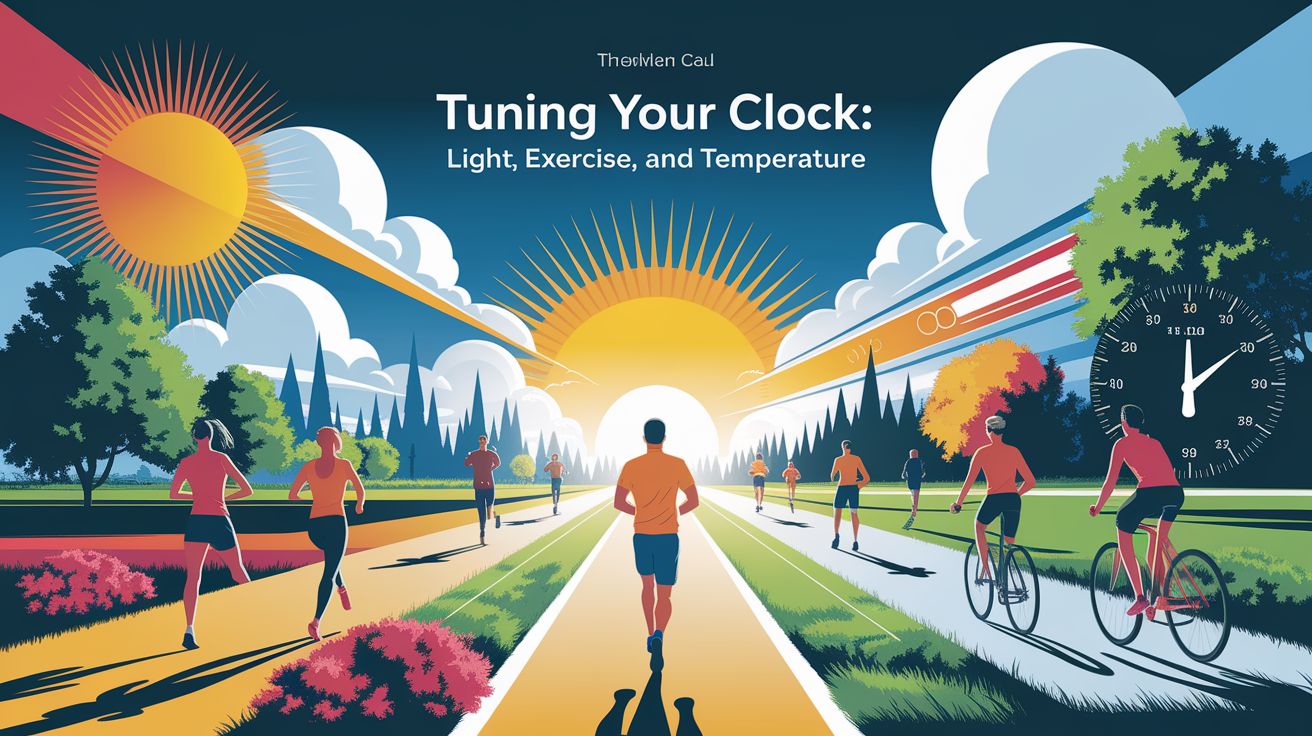
- Light exposure: Morning sunlight is the strongest reset signal for your body clock.
- Exercise: Activity during the day can support alertness and better sleep at night.
- Temperature: Cooler nights cue your body to rest; warmer mornings encourage wakefulness.
If you’ve ever felt jet lag, you’ve experienced what happens when your clock is out of sync with local time zones.
When Your Clock Runs Off Time: Health Consequences
Disruptions to circadian rhythms—like shift work, late-night blue light exposure, or irregular sleep—can cause problems. According to the Sleep Foundation, circadian misalignment can lead to:
- Insomnia or poor sleep quality
- Metabolic disorders like obesity or diabetes
- Mood changes, such as depression or seasonal affective disorder
- Lower daytime alertness and cognitive performance
Keeping Time: Mastering Your Internal Clock
You can actively help your circadian system stay synchronized:
- Get natural light exposure soon after waking.
- Maintain a consistent sleep-wake schedule—even on weekends.
- Avoid bright screens 1–2 hours before bedtime.
- Schedule meals at regular times.
- Incorporate daily exercise, preferably earlier in the day.
Just like winding a watch daily keeps it on time, consistent habits keep your body clock ticking smoothly.